Classical Subtractive Oil Painting: Build Form From Shadow
Most painters are taught to build light onto a white canvas. Classical painters often worked the opposite way: they started in darkness and carved the light back out. Here is how to do it.

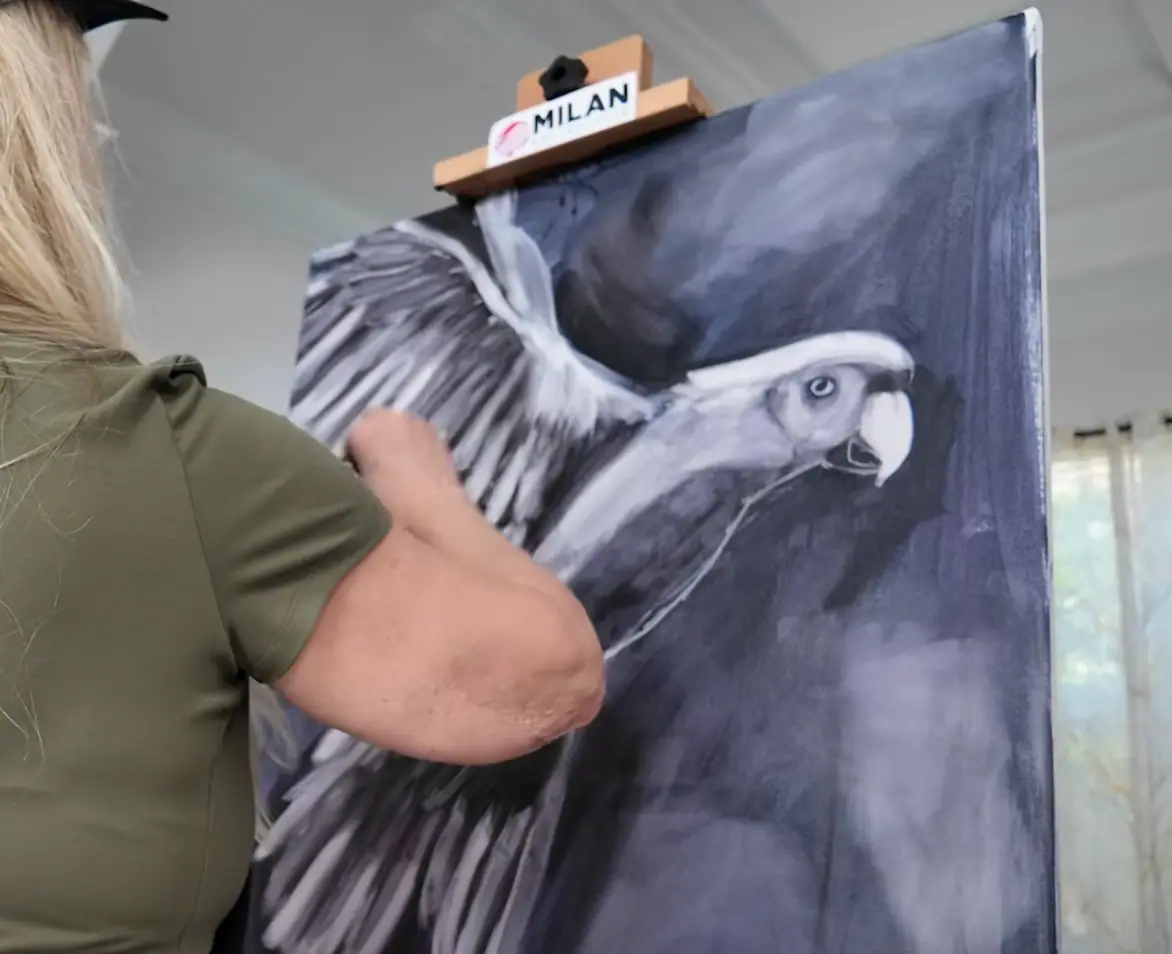
Classical subtractive oil painting builds form from shadow instead of light. You stain the entire canvas with a thin dark wash, then lift paint away with a brush, rag, or paper towel wherever the light hits the subject. The light areas are created by removing paint, not by adding white. That single reversal forces you to nail value and structure before you ever think about color, which is exactly why master painters leaned on it.
Most of us are trained to build light first. We start with a clean white canvas and add the darks on top. But classical painters often worked the opposite way, beginning in darkness and revealing the light by subtracting paint. It feels backward the first time you try it, and then it teaches you something no amount of careful outlining ever could. Here is a simple way to do it yourself.
What is subtractive oil painting?
Subtractive oil painting is a method where you remove paint to reveal the lights instead of adding paint to build them. You tone the whole surface dark, then carve the light shapes back out of that darkness. Think of yourself less as someone applying paint and more as someone uncovering an image that is already hiding under the wash. It is the same instinct behind subtractive drawing, where an artist pulls light out of a charcoal-covered page, just translated into oil.
The reason this matters is value. Value is how light or dark something is, and it does more work than color in making a painting read. When you build subtractively, you cannot avoid value, because value is the only thing you are working with. That is the whole point.
Step 1: How do you stain the canvas?
Tone the canvas with a thin wash of oil paint before you do anything else. Burnt umber or raw umber works beautifully, because both are transparent earth tones that wipe away cleanly.
Dilute the paint slightly with solvent and cover the entire canvas in a thin, even layer. This does two things at once. It removes the intimidating white surface, and it immediately gives you a mid-tone to judge everything else against. Let the wash settle for a few minutes, but do not wait for it to dry. You want it workable so you can lift paint right out of it.
Step 2: How do you identify the light?
Before you touch the canvas again, stop and study where the strongest light hits your subject. This is the most important pause in the whole process, and beginners almost always skip it.
Ask one question: where is the light, and where is the shadow? In subtractive painting the light areas are created by removing paint, so you need to know exactly where they live before you start lifting. Squint at your reference until the details blur and only the big light and dark masses remain. Those masses are your map. If working in shadow feels unfamiliar, painting dark to light explains why this order produces such grounded results.
Step 3: How do you pull out the lights?
Lift paint from the canvas wherever the light falls, using a clean brush, a rag, or a paper towel. Gently wipe or brush the stain away in the light areas, and watch the form emerge from the dark.
Carve light out of darkness. That is the mental image to hold. Focus first on the largest light shapes and do not chase details yet. A common mistake is to start picking out tiny highlights before the big structure is right, which leaves you with a spotty mess and no underlying form. Get the major masses lifted, step back, and check that the subject already reads before you go any finer.
Step 4: How do you shape the form?
Once the main lights are established, refine the drawing and strengthen the structure. Now you are building the actual form of the subject using value alone, with no color involved yet.
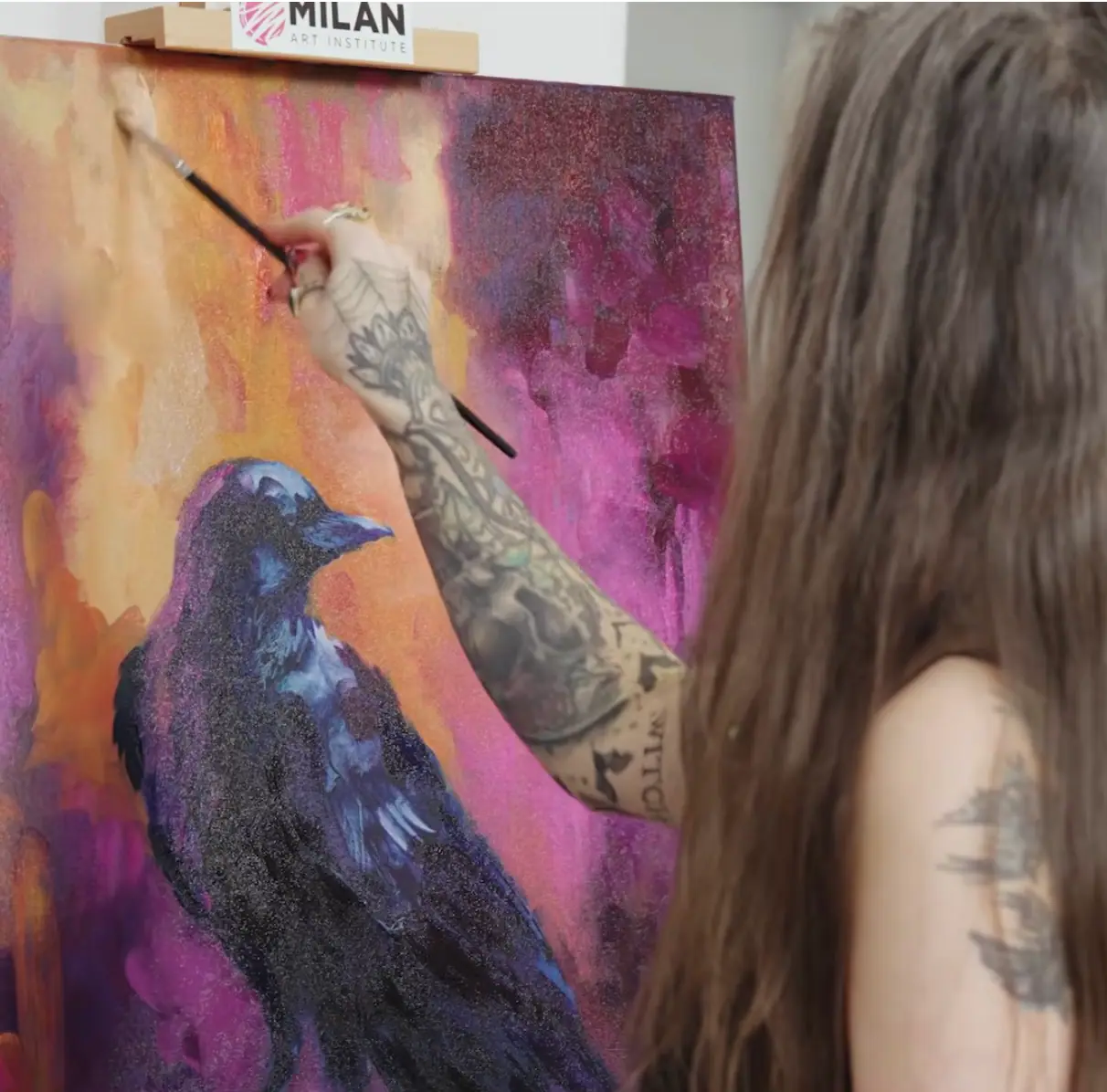
Use a brush to adjust edges and deepen shadows where they need it. If an area gets too light, you are not stuck. Add darker paint back in to pull it down. This back and forth, lifting where it is too dark and adding where it is too light, is how you tune the value relationships until the form sits solidly in space. The richer your control over value here, the easier color becomes later. A quick read through the essential oil painting techniques of layering will show you how this underpainting feeds the stages that follow.
Step 5: How do you finish the painting?
Let the underpainting dry completely, then return and begin adding color, texture, and detail. The dried value layer is the foundation of everything that comes next, so a strong value structure here makes the rest of the painting dramatically easier.
Because the value pattern is already locked in, you get to focus on the parts most painters never have time for: refining edges, introducing color temperature, and bringing the subject to life. You are not solving form and color at the same moment anymore. The hard structural work is already done, sitting underneath, holding the whole image together.
Why does this technique matter?
Subtractive painting trains your eye to see light and shadow clearly, which is the single most useful skill a painter can build. It forces you to simplify and commit to strong value relationships early, instead of hiding weak structure under a pile of detail.
Many master painters relied on this approach because it builds structure fast and keeps the work grounded in solid fundamentals. The same instinct shows up across art history, from the deep shadow-driven drama of Caravaggio’s lighting technique to countless famous historical oil paintings built on a dark ground. When you understand how to construct an image from value first, you stop fighting your paintings and start directing them. If you want to push further into the fundamentals, the full oil painting techniques collection is the next place to go.
The fastest way to put this into your hands is to make something, not just read about it. Our free Two Week Challenge gives you a guided way to build your first real studies, so pick a simple subject, stain a canvas, and carve the light out of the dark this week.
Frequently asked questions
What is the subtractive oil painting technique?
Subtractive oil painting builds form from shadow instead of light. You cover the whole canvas with a thin dark wash, then remove paint with a brush, rag, or paper towel wherever the light falls. The lights are created by lifting paint away, not by adding white, which is the reverse of how most painters are taught to work.
What paint do you use to stain the canvas for a subtractive underpainting?
Burnt umber or raw umber works beautifully because both are transparent, neutral earth tones that wipe away cleanly. Dilute the paint slightly with solvent and cover the entire canvas in a thin, even wash. The goal is a mid-tone surface you can lift lights out of, not a thick opaque layer.
Why do classical painters build form from shadow?
Starting in darkness forces you to commit to value relationships early, which is what actually makes a painting read. It removes the intimidating white canvas, gives you a mid-tone to judge against immediately, and trains your eye to see light and shadow as connected shapes rather than chasing details too soon.
Do you let a subtractive underpainting dry before adding color?
Yes. Let the value structure dry fully before you move on. That dried underpainting becomes the foundation of the painting, so a strong value pattern underneath makes adding color, temperature, and detail much easier later. Painting color into a wet wipe-out layer muddies the values you worked to establish.
Is subtractive painting good for beginners?
It is one of the best exercises for a developing painter. Because you build with value before color, it teaches you to see light and dark clearly, simplify a subject into large shapes, and commit to structure early. Those are the fundamentals that hold every finished painting together, regardless of style.
What to practice this week
- Stain a canvas with a thin burnt umber wash, then lift only the three largest light shapes with a clean rag. Stop before details and judge whether the form already reads.
- Paint the same simple subject twice: once light onto white, once subtractive from a dark wash. Compare which version has cleaner values.
- Squint at your reference until detail disappears, then wipe out only the masses you can still see. This trains your eye to find the big light and dark shapes first.
Supplies used
About the author
More from Elli