Painting Dark to Light: Why Artists Work This Way (and How to Do It)
Block in your darks first, save your lightest values for last, and your light starts to glow against them. Here is why painting dark to light makes paintings stronger, and how to do it step by step.

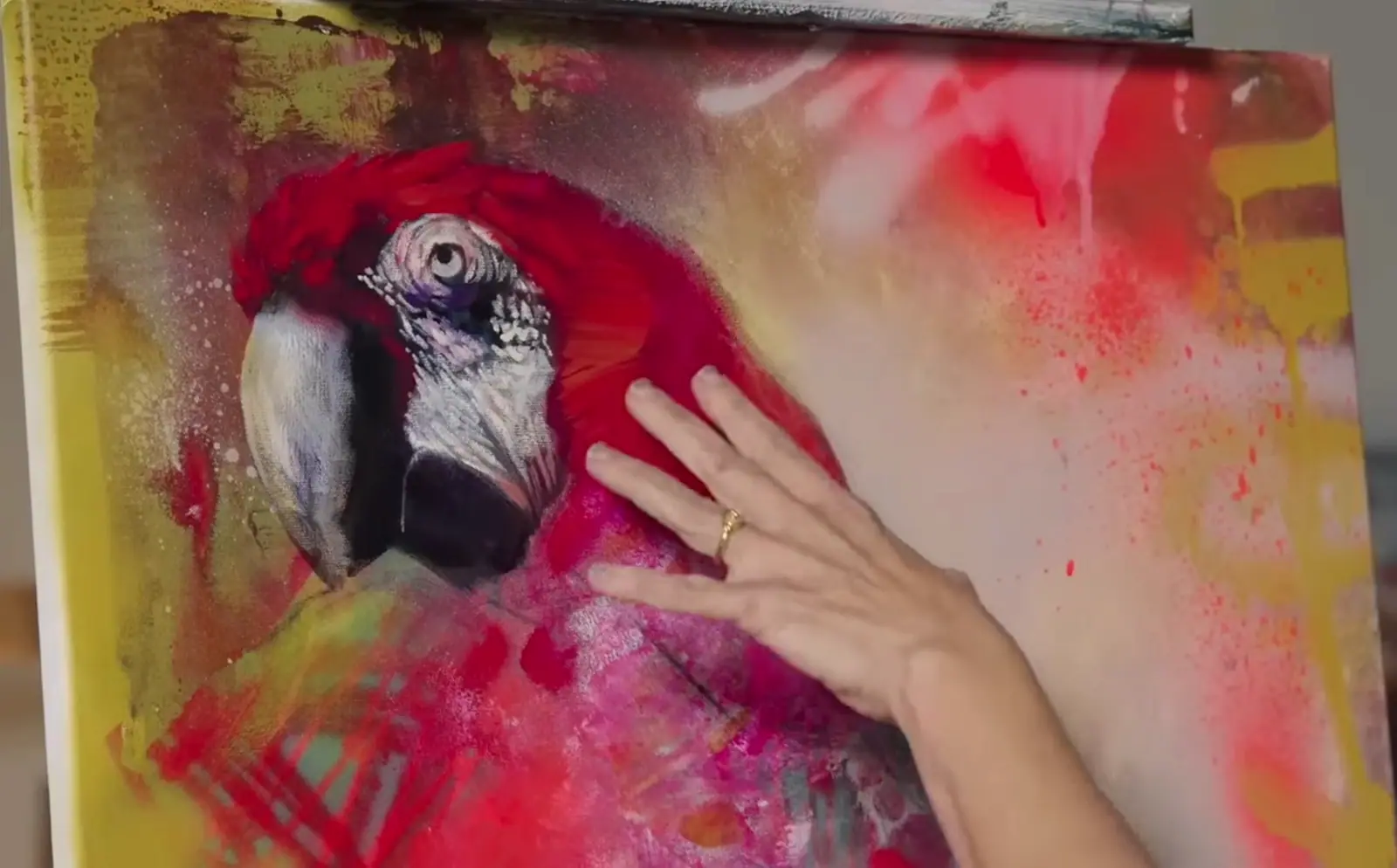

Painting dark to light means you block in your darkest values first and build lighter ones on top in stages, saving your brightest highlights for the very end. It feels backward to most beginners, who want to start with the bright spots or the detailed bits. But working dark to light is one of the most reliable ways to build depth, keep your color clean, and make light actually glow. Here is why it works, and how to use it in your own paintings.
The whole idea rests on one thing: value, meaning how light or dark a color reads. When you set your darks first, you give the rest of the painting a structure to grow out of. Everything that follows, the mid tones, the lighter passages, the final sparks of highlight, has a foundation to sit against. Get that order right and a lot of common painting problems quietly solve themselves.
Why do artists paint from dark to light?
Artists paint from dark to light because it locks in the value structure of a painting before any detail, and value is what makes an image read. Value is one of the core elements of art, and starting with your darkest shapes lets you map the whole composition early: the major masses, the shadows, the big relationships between light and dark. You are deciding where the painting is going before you commit to any small, fussy passage.
Think of it like building a house. The structure comes first. Once the foundation is solid, everything else gets built on top of it with confidence. If you start with details or highlights instead, you are decorating walls that do not exist yet, and you will usually end up tearing them down.
How does painting dark to light create depth?
Painting dark to light creates depth because shadows naturally recede and lighter values come forward toward the viewer. When you lay in the darker shapes first, you are defining the spaces where light will eventually live. Then, as you introduce lighter values, they begin to advance and separate from the dark background, and the painting gains a sense of space and air.
That contrast is the engine behind luminosity. Light only feels believable when there is real dark around it to push against. A highlight floating on a pale, washed-out canvas reads as nothing. The same highlight placed against a deep, established shadow reads as glowing. If you want your work to feel like it has actual light in it, this is the method that gets you there, and it pairs naturally with the way you learn to paint glowing light.
Does painting dark to light prevent muddy colors?
Yes, painting dark to light is one of the best defenses against muddy color. Muddiness almost always comes from overworking the light areas: artists repaint highlights, keep adjusting values, and drag a brush back through paint they already placed, mixing everything into a flat gray-brown. The more you fuss with the lights, the muddier they get.
When you start dark and move toward light, you flip that pattern. The lighter strokes go down later in the process and far more deliberately, so you are not constantly scrubbing into wet color you laid down minutes ago. Each light passage is placed with intention, often near the end, which keeps your color clear and the surface fresh. This is also the logic behind layering oil paintings in stages: build from the bottom up, and let each layer do its job before the next.
How do you simplify a painting by starting with darks?
Starting with darks simplifies a painting because it forces you to think in big shapes instead of small details. At the early stage, your goal is not perfection, it is clarity. Blocking in your dark masses breaks a complicated subject down into a few manageable forms you can actually judge: this shape, that shadow, this large dark against that lighter field.
Once those big shapes are working together, detail becomes easy. You add the small marks last, on top of a structure you already trust, without losing the integrity of the whole. Most beginners do the opposite, chasing one detailed corner while the overall image falls apart, and then wondering why the finished piece feels incoherent. The fix is almost always to back up and get the large value shapes right first. A related approach, subtractive underpainting, takes this even further by establishing the full value map before color enters at all.
How do you let the light truly shine?
You let light shine by saving your lightest values for the later stages of the painting, so the brightest marks land last and land hard. Light is most powerful when it emerges gradually. When you hold your highlights until the end, every bright stroke feels intentional and earned, because the dark and mid values around it are already in place to make it pop.
A single well-placed light stroke can bring a whole painting to life. But its impact depends entirely on the darker values surrounding it. Place the same stroke too early, before you have built that contrast, and it gets swallowed or overworked. Working dark to light preserves the full range of values from the start, which is exactly what lets the brightest areas read as genuine light rather than just pale paint.
Why does the early dark stage look so bad?
The early dark stage looks rough because it is supposed to. When the canvas is blocked in with darks and mid tones and no highlights yet, the image can feel unfinished, messy, or even worse than when you started. That stage is uncomfortable for almost every artist, and it is completely normal.
Painting is a process of layers and refinement, not a single confident pass. By trusting the dark to light approach, you let the painting evolve in stages, each one building on the last, until light and detail bring it home. The artists who panic and start adding highlights too soon, just to make the canvas look “nice,” are usually the ones who end up with muddy, flat results. The ones who hold steady through the ugly middle get the luminous finish. Embracing that awkward stage is a big part of abstract realism and most representational work alike.
A quick way to put it into practice
The fastest way to feel why this works is a simple three-value study. Pick one easy subject, limit yourself to a dark, a mid, and a light, and block it in strictly from the darkest shapes to the lightest, adding your single brightest highlight only at the very end. You will see your own light start to glow the moment it has real darks to sit against.
Over time, painting dark to light trains your eye to read value relationships clearly, to prioritize structure before detail and light before perfection. That habit quietly upgrades everything you make. When the dark foundation is solid, the light finally has a place to shine.
If you want a guided, supported way to build these fundamentals from the ground up, our free Two Week Challenge is designed for exactly this kind of beginner, and the rest of our oil painting techniques collection is here whenever you want to go deeper.
Frequently asked questions
What does painting dark to light mean?
Painting dark to light means you block in your darkest values first, then build lighter values on top of them in stages, saving your brightest highlights for the final layers. Instead of starting with the lightest or most detailed areas, you establish the shadow structure of the whole composition early and let light emerge gradually as the painting develops.
Why do artists paint from dark to light?
Artists paint from dark to light because it sets the value structure of a painting before any detail, which makes the composition easier to read and correct early. It also keeps light strokes intentional, so colors stay clean instead of muddy, and it saves the brightest highlights for last, where they glow against the darks around them.
Does painting dark to light prevent muddy colors?
Yes. Muddy color usually happens when you overwork light areas or repaint highlights again and again. When you start dark and build toward light, your lighter strokes go down later and more deliberately, so you are not constantly mixing into wet color you already placed. That keeps the painting fresh and your color clear.
Is dark to light only for oil painting?
No. The dark to light approach works in oil, acrylic, and even drawing, because it is about value order, not a specific medium. It is especially natural in oils and acrylics, where you can layer opaque light over dark. In transparent watercolor the logic often reverses, since you tend to preserve your lights and add darks on top.
Why does my painting look worse in the early dark stages?
Because the early stage is supposed to look unfinished. When the whole canvas is blocked in with darks and mid values and no highlights yet, it can feel messy or flat. That is normal and temporary. The painting comes alive once you start placing lighter values and your final highlights against that dark foundation.
What to practice this week
- Do a three-value study: using only a dark, a mid, and a light, block in one simple subject from darkest shapes to lightest, adding the brightest highlight only at the very end.
- Take a painting you find muddy, squint at it, and identify where you overworked the lights. Next time, place those light strokes later and touch them less.
- Paint the same subject twice, once light to dark and once dark to light, and compare which version holds cleaner color and stronger light.
Supplies used

About the author
More from Elli