Subtractive Underpainting: The Oil Technique That Builds Luminous Paintings
If your oil paintings turn muddy, the problem is usually values, not color. Subtractive underpainting fixes that by carving light out of a dark layer instead of building it up.

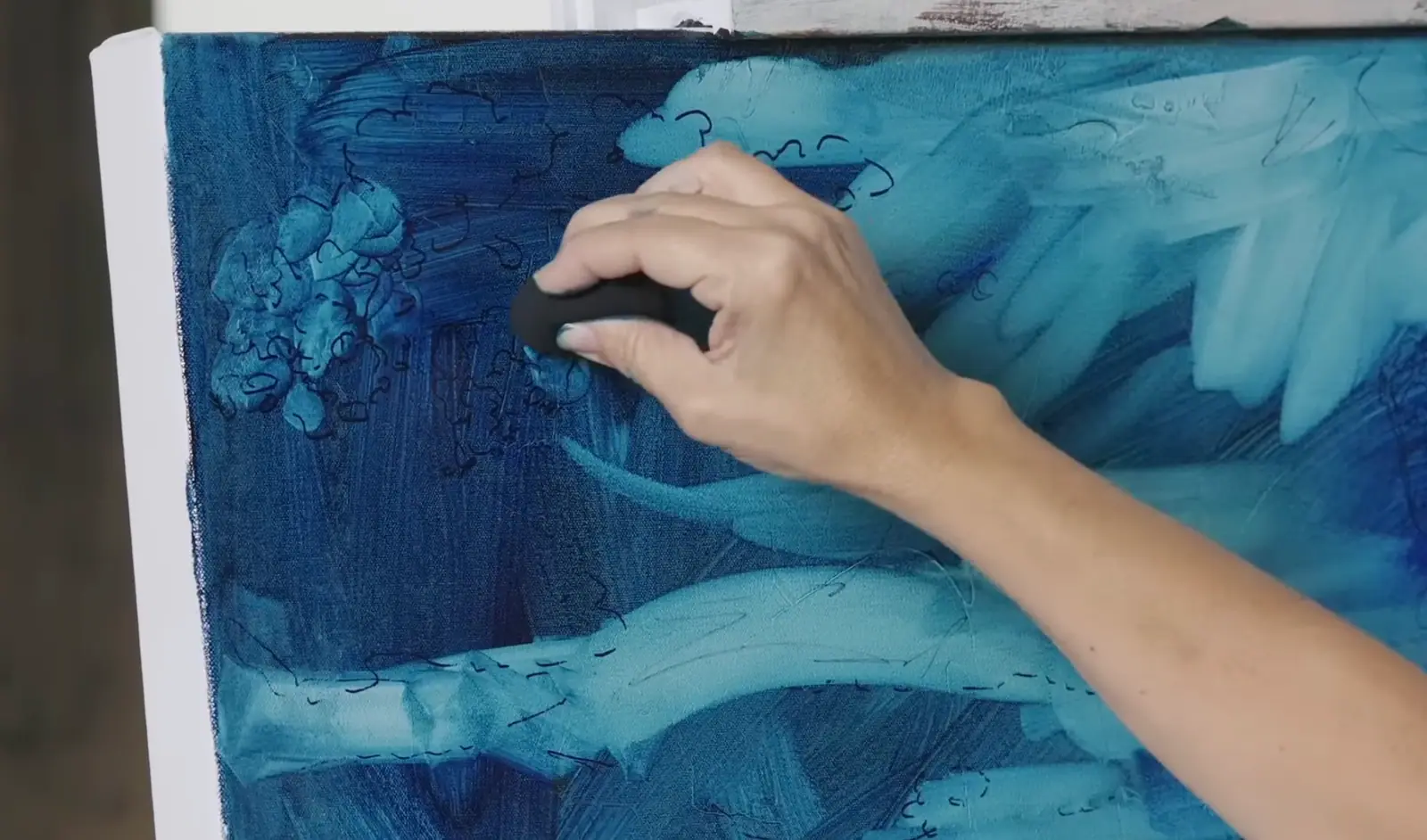
A subtractive underpainting is an oil technique where you lay down a thin, dark layer of paint and then remove pigment to reveal the light, instead of building light up brushstroke by brushstroke. It flips the usual painting process on its head. You start dark, work in a single color, and carve out your highlights and shapes by lifting paint away. The result is a painting built on strong value relationships from the very first layer, which is exactly what makes work look luminous and professional rather than muddy and flat.
Here is the thing most people get wrong: when an oil painting turns muddy or falls flat, they assume the problem is their color. It usually is not. The problem is almost always values, the light and dark relationships underneath the color. The subtractive painting technique fixes that at the root, because it forces you to solve values first, before a single decision about hue. It is time tested, forgiving, and genuinely beginner friendly, which is rare for a technique that produces results this strong. If you are still deciding whether oil is even your medium, acrylic vs oil paint lays out the real differences first.
What is a subtractive underpainting?
A subtractive underpainting is a method where you cover the canvas with a thin dark layer, then lift paint off to expose the lights, rather than painting lights in. That single reversal changes everything about how the painting comes together. Instead of building up color right away and hoping the values land, you commit to value first and let color wait its turn.
The trick that makes it work is keeping the paint open long enough to subtract from. A reliable mix is one part linseed oil to six parts of a non toxic, soy based thin solvent. That ratio keeps the paint fluid and workable far longer, which gives you time to carve out highlights and shapes before anything sets. Because the whole approach focuses on values rather than color, you end up with a balanced, dimensional composition from the start. If you want to keep your studio fume free while you do it, here is the case for non toxic oil paint and thinner.
How do you do a subtractive underpainting step by step?
You do a subtractive underpainting by brushing on a thin dark layer and then lifting paint away from light to dark, working from large shapes down to small ones. The process is short, but the order matters. Follow it and the painting almost builds itself.
- Mix a thin, workable dark layer. Choose one transparent color and thin it with a slow medium so it stays open. The one part linseed oil to six parts soy based solvent ratio is a good starting point. You want a layer that is dark but not opaque, and wet enough to wipe.
- Cover the canvas evenly. Brush the dark layer across the whole surface so you are starting from a unified mid to dark tone. This is your blank slate, except it is dark instead of white, which is the entire point.
- Lift the lightest shapes first. With the layer still wet, remove paint where the brightest lights fall. Pull out the big light masses before you touch any detail. You are sculpting light out of dark.
- Work from large to small. Move from the major light shapes down to the smaller mid tones and finally the fine highlights. Resist the urge to chase tiny details early. Get the big value relationships right and the rest follows.
- Keep your reference in front of you. Stay accurate by looking, not guessing. The more you rely on observation instead of imagined detail, the stronger the painting becomes. Drifting into invented shapes is the fastest way to lose the likeness.
Why start in monochrome and values first?
You start in monochrome because it removes the pressure of mixing color too early and trains your eye to see value. Artists get stuck worrying about color long before the painting can support it. The subtractive method takes that pressure off entirely. Working in a single transparent hue, you focus only on the light, mid, and dark tones that make up the subject.
Once those values are locked in, adding color later becomes intuitive instead of stressful. No more guesswork, no more muddy layers from pushing color around before the foundation exists, just a clear, strong base that makes the final painting shine. This is the same logic behind the 3 oil painting layering methods that make work look professional: get the structure right first, then build on it. Value, not color, is what makes a painting read as three dimensional.
What tools do you need for subtractive painting?
You do not need fancy equipment for subtractive painting, just a few simple tools for lifting paint. The whole technique runs on what you remove, so your toolkit is really a set of erasers for wet oil. Each one gives you a different edge and texture.
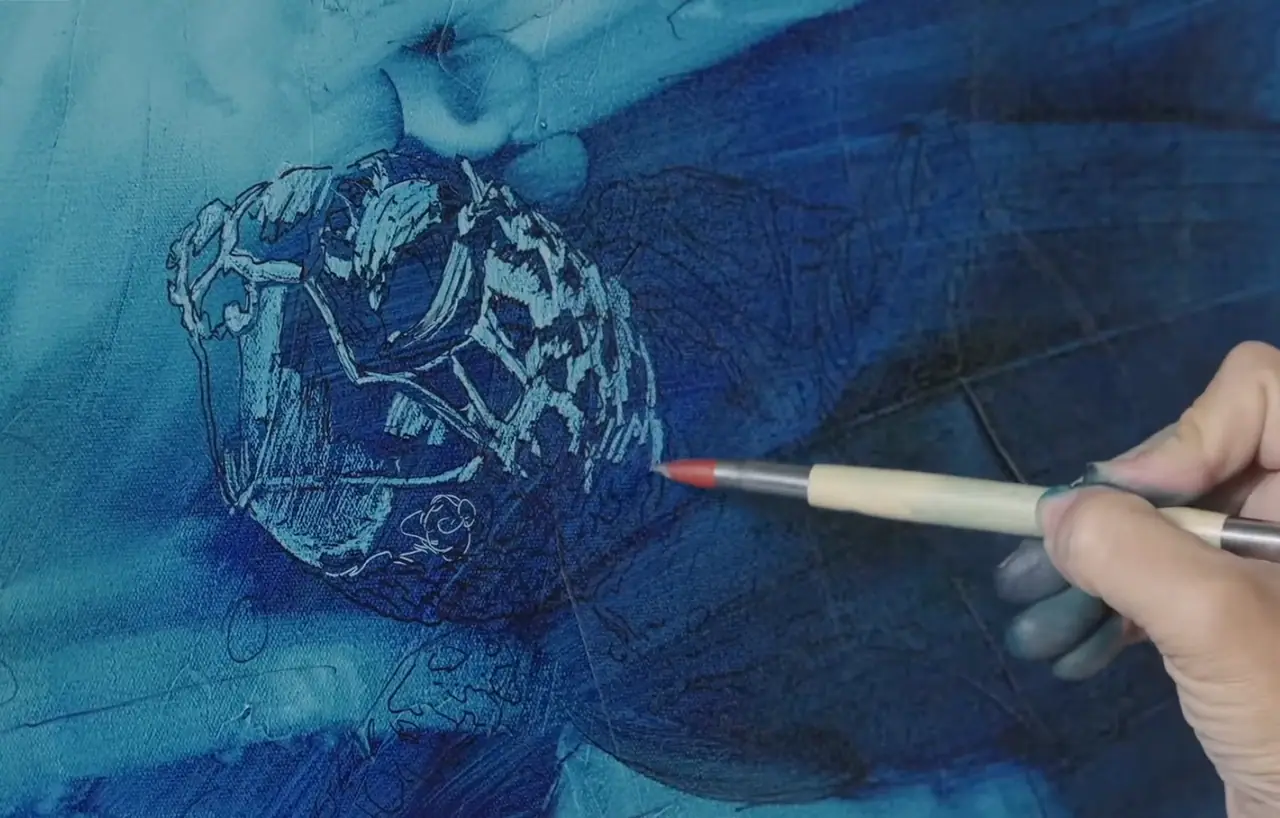
- Q-tips or makeup sponges for lifting soft, controlled highlights without hard edges.
- Rags or paper towels for clearing broader light areas and large masses quickly.
- A subtraction tool or your fingertips for precision, crisp highlights, and texture you cannot get any other way.
Each tool pulls paint differently, so experiment to learn what each one does to your edges. A rag wipes soft and wide, a tool cuts clean and sharp, a fingertip smudges with warmth. Most of these you already own. When you finish a session, clean up matters too, since dried paint ruins good brushes fast, so here is how to clean your brushes so they last.
Why does subtractive painting build confidence?
Subtractive painting builds confidence because it is forgiving, which lets you take risks without fear of ruining the work. Many artists, especially in oil, are terrified of wrecking a painting. This technique quietly removes that fear. Because you are subtracting paint instead of stacking layers, you can adjust freely without losing freshness or clarity. A wrong move is just paint you can wipe and lift again.
That forgiveness changes your whole mindset at the easel. Working subtractively encourages play, flow, and experimentation, which are the real hallmarks of a confident artist. You stop protecting the painting and start working it. And the more you trust that you can recover from any mistake, the looser and braver your hand becomes. Confidence at the easel is not a personality trait. It is a byproduct of a method that lets you fail safely.
Can you use the subtractive method beyond oil paint?
Yes, the subtractive method works beyond oil, as long as your paint stays workable long enough to lift. Oil is where this technique shines, because it stays open for hours, but it is not the only option. You can adapt it to open or slow drying acrylics, or any slow drying medium that buys you time.
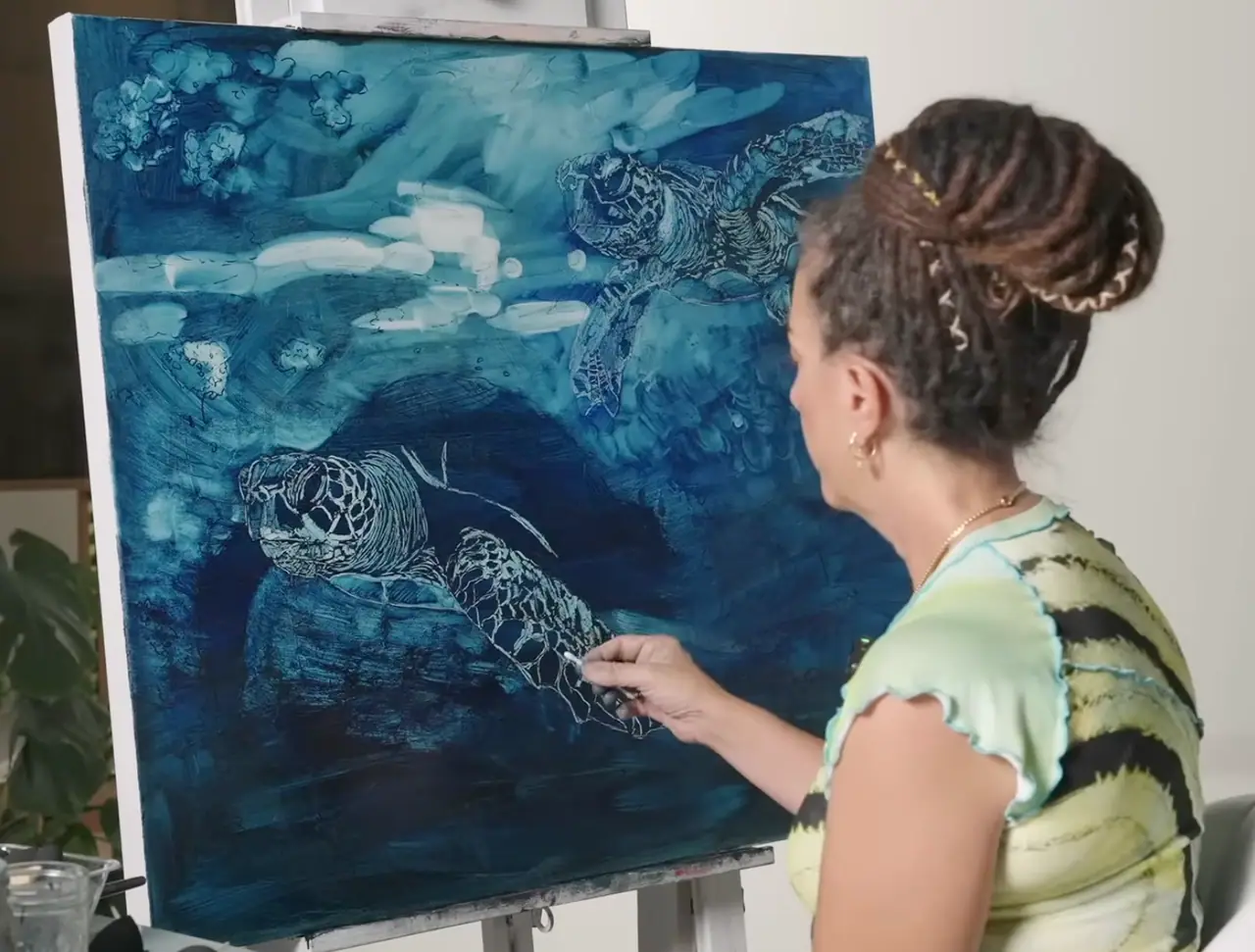
The key is keeping the paint wet long enough to subtract from before it sets, which is exactly why standard fast drying acrylic fights you. Reach for slow drying formulas instead, and experiment with different tools to find the textures and effects that suit your personal style. The technique also pairs naturally with transparent oil paint, since transparent colors stain and lift in the clean, even way this method depends on. Whatever the medium, the rule is the same: stay workable, then carve.
How does this fit your bigger growth as an artist?
The subtractive underpainting technique is not just about making better paintings, it is about changing how you see and think as an artist. By solving values first, staying playful in your process, and trusting a clear workflow, you unlock a level of clarity and confidence that carries into everything else you make. The habit of seeing in value, of building structure before decoration, is one of the most transferable skills in painting.
There is also a quieter benefit. When you build paintings on solid values and composition, any subject, whether it is sea turtles, portraits, or landscapes, can become both meaningful to make and strong enough to sell. Solid technique supports creative freedom rather than limiting it, because the foundation frees you to express your own voice. This is part of a larger toolkit, and the rest of the 7 elements of art sit underneath every technique like this one.
Artistry also grows fastest in community. Sharing work, getting real feedback, and learning alongside other artists is what turns scattered practice into steady improvement. So mix a thin dark layer, cover a small canvas, and lift out your first highlights this week. The fastest way to start with real structure and feedback is our free Two Week Challenge, a guided way to actually make paintings instead of only reading about them. When you want to go deeper, the rest of our oil painting techniques collection is here to take you further.
Frequently asked questions
What is a subtractive underpainting?
A subtractive underpainting is an oil technique where you cover the canvas with a thin, dark, transparent layer of paint, then remove pigment to reveal the lights instead of brushing light in. You work in a single color first, so the painting is built on values rather than hue. Once those values are locked, color goes on top with far less guesswork.
How do you do a subtractive painting technique step by step?
Mix a thin dark layer using a transparent color and a slow medium, then brush it evenly over the canvas. While it is still wet, lift paint with a rag, a Q-tip, a makeup sponge, or a subtraction tool to pull out your mid tones and highlights. Keep a reference image in front of you and work from large light shapes down to small details.
What paints work best for a subtractive underpainting?
Transparent, darker colors work best because they stain evenly and lift cleanly. Prussian blue, raw umber, alizarin crimson, and ivory black are all good choices. You want a single transparent hue thinned with a slow medium so the layer stays workable long enough to subtract from before it sets.
Can you do a subtractive underpainting in acrylic?
Yes, but you need slow drying acrylics. Standard acrylic sets too fast to lift cleanly, so reach for open or slow drying acrylics, or another slow drying medium. The whole technique depends on the paint staying workable long enough to remove it, so anything that buys you open time will work.
Why does subtractive underpainting make paintings look better?
It forces you to solve values before color, and strong values are what make a painting read as luminous and three dimensional. By building light, mid, and dark relationships in monochrome first, you avoid the muddy layers that come from chasing color too early. The color you add later sits on a foundation that already works.
What to practice this week
- Cover a small canvas with a thin transparent dark layer, then lift only the three brightest highlights with a Q-tip before touching anything else.
- Do a full monochrome study of one photo using a single transparent color, building light, mid, and dark shapes entirely by subtracting paint.
- Repeat the same subject twice, once with a rag and once with a subtraction tool, to feel how each tool changes your edges and texture.
Supplies used
About the author
More from Elli