Drawing Fundamentals: What Are the Fundamentals of Drawing for Beginners
Great drawing is not talent. It is a handful of core fundamentals practiced with intention. Here is what they are, why they matter, and how to start training each one today.

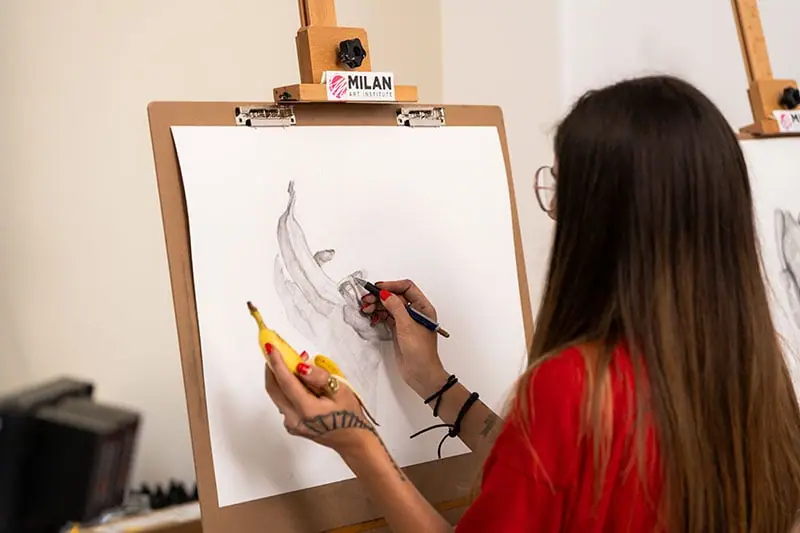
The fundamentals of drawing are the small set of core skills every beginner needs: seeing accurately, controlling line, simplifying subjects into basic shapes, building form, reading light and shadow, and practicing consistently. Great drawing is not about talent. It is about understanding those few fundamentals and practicing them with intention. Anyone can learn to draw with the right guidance, tools, and mindset, because drawing is not just a skill. It is a way of seeing, interpreting, and expressing the world around you.
Whether you are picking up a pencil for the first time or returning after years away, mastering the fundamentals will unlock everything else in your creative journey. The rest of this guide walks through each one, why it matters, and how to start training it today.
What does it mean to see like an artist?
Seeing like an artist means drawing what is actually in front of you instead of what you think it looks like. Drawing begins long before your pencil touches the page. It starts with observation. Most beginners draw their idea of a subject, a generic symbol of an eye or a hand or a cup, and that is exactly why their drawings feel off.
When you slow down and truly observe shapes, angles, proportions, and the relationships between them, your work transforms. You begin to notice that everything can be simplified into basic forms. Circles, squares, triangles, and lines become the building blocks of even the most complex subjects. Learning to see differently is the first breakthrough moment for every artist, and it is the fundamental that makes all the others possible.
What are line, shape, and form in drawing?
Line, shape, and form are the structural fundamentals that turn flat marks into convincing objects. Lines are not just outlines. They carry energy, direction, and emotion. A confident line brings life to your drawing, while hesitant marks make it feel unsure. If you want to go deeper on this one element, here is a full look at line in art and how artists use it.
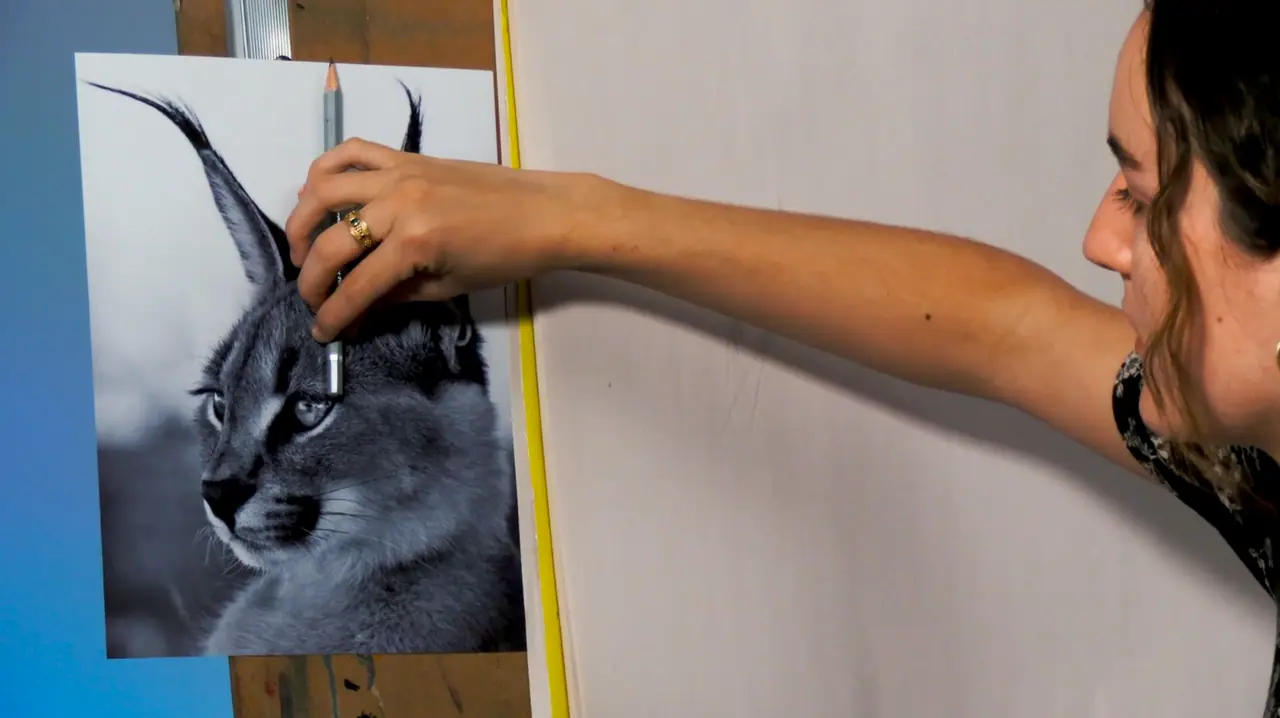
Shapes give structure. When you break objects down into simple shapes, drawing becomes far less overwhelming. From there, form adds dimension. This is where your drawings begin to feel three dimensional instead of flat. Understanding how line, shape, and form work together creates a strong foundation that supports everything from portraits to landscapes. These pieces are part of the broader 7 elements of art, the visual grammar that underpins every drawing and painting you will ever make.
How do light and shadow create depth?
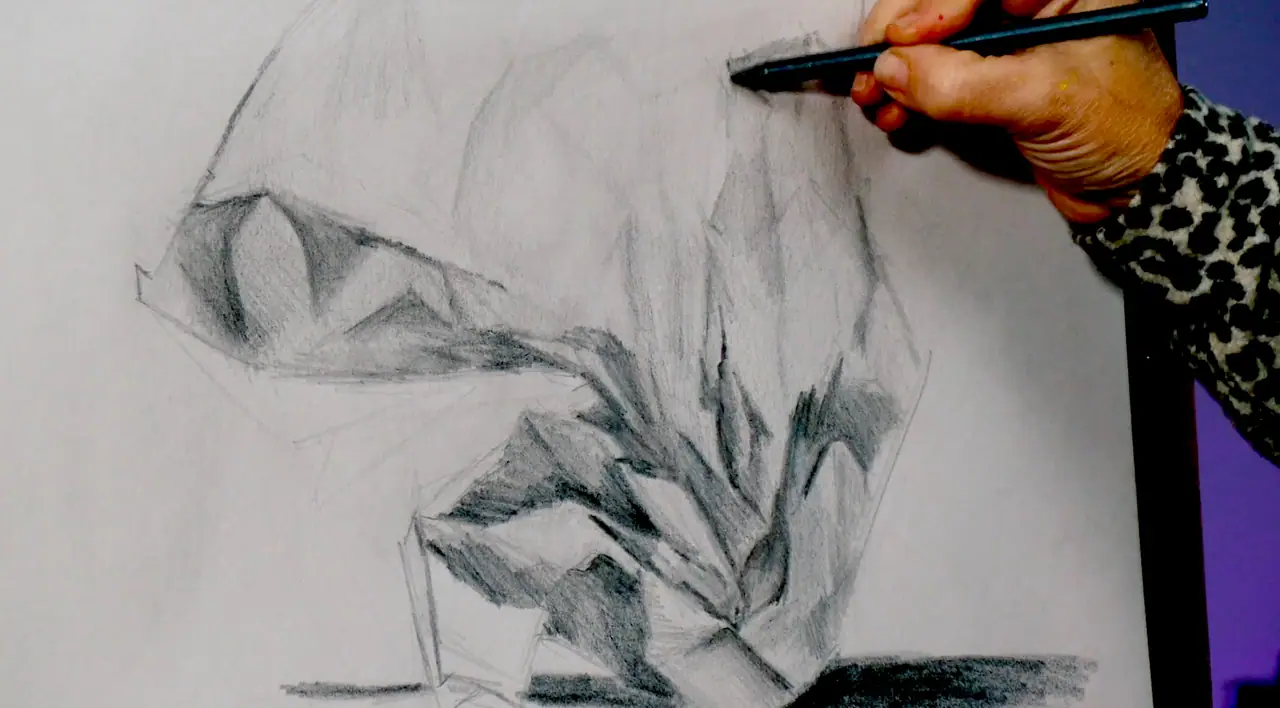
Light and shadow create depth by showing how a surface turns in space, which is what makes a drawing read as solid rather than flat. Light is what makes a drawing come alive. Without it, everything appears two dimensional. When you understand how light interacts with form, you can create depth, realism, and mood.
Shadows are not just dark areas. They define structure, create contrast, and guide the viewer’s eye. Learning to see highlights, midtones, and shadows lets you transform a simple sketch into powerful, dimensional artwork. This is one of the most exciting stages for beginners, because it is where drawings start to feel real. A useful way to practice is the reverse of how most people begin: instead of building light marks up, try subtractive drawing, where you lift highlights out of a toned surface and let the shadows do the structural work.
How do drawing tools help you learn accuracy?
Drawing tools help by giving your eye a reliable reference while your observation skills are still developing. A proportional drawing tool can be a real change for artists who want to improve accuracy and confidence. Instead of guessing proportions or struggling to scale what you see, the tool helps you measure relationships between shapes and translate them onto your paper with precision.
It trains your eye to see correctly while giving you a dependable guide, which is especially helpful on portraits and complex subjects. Over time you will rely on it less as your observational skills strengthen, but in the learning phase it accelerates progress in a powerful way. Here is how a proportional divider works and when it earns its place in your practice. The same logic applies to your grip and your reference setup, so it is worth learning how to hold a pencil for drawing early, because a good grip makes every other fundamental easier to control.
Why does consistency matter more than perfection?
Consistency matters more than perfection because skill in drawing is built through repetition, not won in a single good piece. Many people give up on drawing because they expect perfection too quickly. The truth is that growth comes from practice, not from getting it right.
Every drawing you create builds your skills. Every mistake teaches you something valuable. When you shift your focus from getting it right to simply improving, your confidence grows and your results follow. Emphasize progress over perfection, because that mindset is what leads to lasting artistic growth. A bad drawing is not a verdict on your ability. It is simply one of the reps you need.
What tools and supplies do you need to start drawing?
You need surprisingly little to start: a quality pencil, paper, and an eraser are genuinely enough to begin. While skill matters most, good tools remove frustration and let you focus on learning the fundamentals rather than fighting your materials.
A well chosen drawing kit, with the right pencils, paper, and an eraser, helps you practice techniques correctly and build confidence faster. You do not need everything in the art store. You need a small, reliable set you will actually reach for, and the discipline to use it often. Buying more gear is one of the most common ways people avoid the real work, which is making marks. As your skills grow, you can apply these same fundamentals to a focused subject like learning how to draw a self portrait, where seeing, proportion, and value all come together at once.
How is drawing a creative practice, not just a skill?
Drawing is a creative practice because it connects you to your own intuition and self expression, not only to technique. As you develop your fundamentals, you will notice a shift. You will not just draw what you see. You will start to interpret, stylize, and create with intention.
This is where art becomes deeply personal and meaningful. The fundamentals are not the ceiling of your work. They are the floor that frees you to make choices, to exaggerate, to leave things out, and to put something of yourself on the page. Skill is what gives your voice the means to speak clearly.
Quick answer
The fundamentals of drawing are the core skills every beginner needs: seeing accurately before you render, controlling line, simplifying subjects into basic shapes, building form so things feel solid, reading light and shadow for depth, and practicing consistently. Train these and everything else in drawing gets easier.
Frequently asked questions
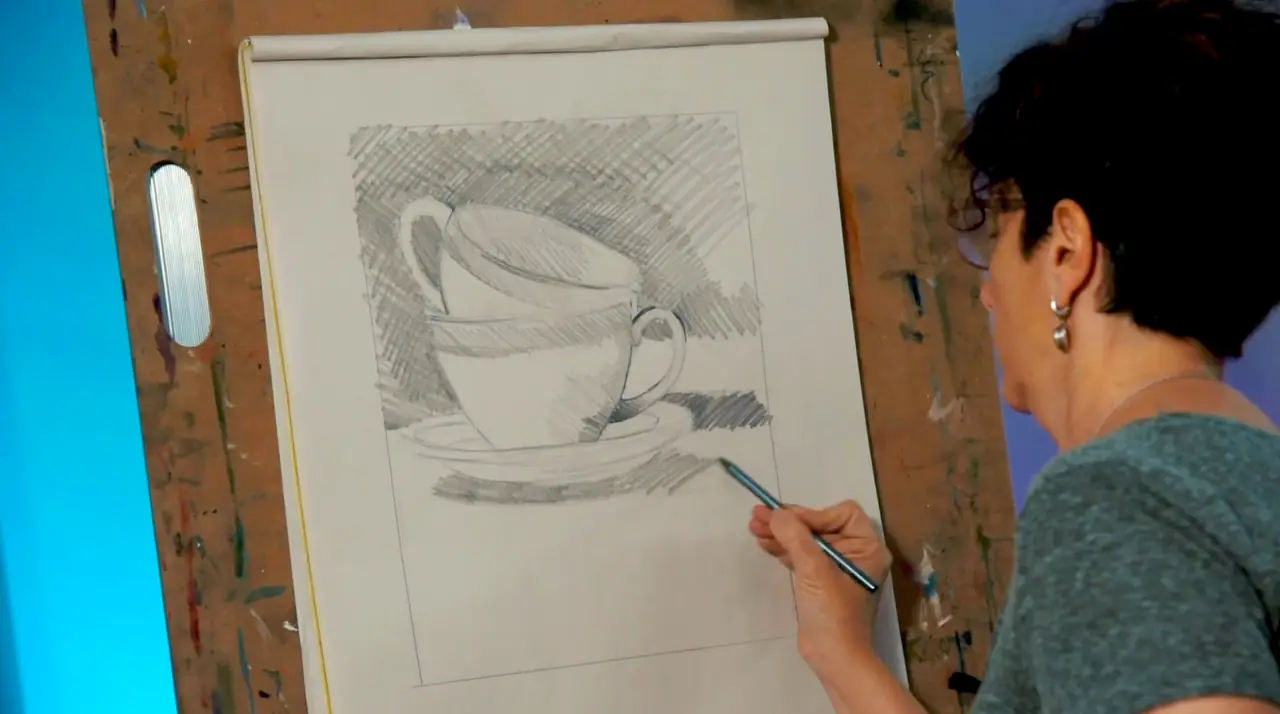
What are the fundamentals of drawing? Seeing accurately, controlling line, simplifying subjects into basic shapes, building form so objects feel solid, reading light and shadow, and practicing consistently. Everything else, from portraits to landscapes, rests on these few core skills.
How long does it take to learn the fundamentals of drawing? It depends on how often you practice, but most beginners see noticeable improvement within a few weeks of consistent effort. Real mastery keeps developing over time, but the early gains come faster than most people expect.
Do you need natural talent to learn drawing? No. Drawing is a learnable skill, not a gift you are born with. What looks like talent is almost always trained observation and accumulated practice, so anyone can improve with clear instruction and consistent work.
What should a beginner practice first? Start with observation, basic shapes, and light and shadow. Learn to draw what is actually in front of you, break subjects into simple forms, and study where the light and dark fall. These three fundamentals support everything else.
Why do my drawings not look realistic? Realism almost always comes down to observation and understanding light and form. As you practice seeing accurately and reading values, your drawings naturally become more accurate and dimensional.
Where to go from here
Learning the fundamentals of drawing is just the beginning. If you want to build real confidence, develop your style, and create artwork you are proud of, the fastest way to start with structure and feedback is our free Two Week Challenge, a guided way to make your first work instead of just reading about it. Pick one fundamental, train it this week, and let the rest follow. When you want to keep going, the full oil painting techniques collection is here to take you further.
Frequently asked questions
What are the fundamentals of drawing?
The fundamentals of drawing are seeing accurately, controlling line, simplifying subjects into basic shapes, building form so objects feel solid, reading light and shadow, and practicing consistently. Everything else in drawing, from portraits to landscapes, rests on these few core skills. Master them and complex subjects stop feeling overwhelming.
How long does it take to learn the fundamentals of drawing?
It depends on how often you practice, but most beginners see noticeable improvement within a few weeks of consistent effort. The fundamentals respond quickly to attention, especially observation. Real mastery keeps developing over months and years, but the early gains come faster than most people expect once they practice with intention.
Do you need natural talent to learn drawing?
No. Drawing is a learnable skill, not a gift you are born with. What looks like talent is almost always trained observation and accumulated practice. With clear instruction and consistent work, anyone can learn to draw well, regardless of age or starting point.
What should a beginner practice first?
Start with observation, basic shapes, and light and shadow. Learn to draw what is actually in front of you rather than what you assume it looks like, break subjects into simple forms, and study where the light and dark fall. These three fundamentals support everything else you will learn.
Why do my drawings not look realistic?
Realism almost always comes down to observation and understanding light and form. Most beginners draw their idea of an object instead of its true shapes, proportions, and values. As you practice seeing accurately and reading light and shadow, your drawings naturally become more dimensional and convincing.
What to practice this week
- Spend one session drawing a single simple object from observation. Draw only the real shapes, angles, and proportions you see, not what you think the object looks like.
- Do a value study: pick one object in strong light and map only the highlights, midtones, and shadows using the side of your pencil, ignoring outlines entirely.
- Break a complex subject into basic shapes first. Block in circles, squares, and triangles to set the structure before you add any detail.
Supplies used

About the author
More from Elli