Acrylic vs Oil Paint: 5 Key Differences (and Which One to Choose)
Drying time decides almost everything else: how you blend, how you layer, and which medium you should learn first.

The biggest difference between acrylic and oil paint is time. Acrylic dries in minutes. Oil stays workable for days, sometimes weeks. Nearly every other difference between the two mediums grows out of that one fact: how the colors behave, how easily you can blend, how much texture you can build, and which one will treat a beginner more kindly.
Both are serious, professional mediums, and neither is the better paint. The right choice depends on how you like to work, and you do not have to pick a side forever. You can even use both in the same painting, as long as you layer them in the right order. Here are the five differences that actually matter for your painting technique practice, plus a guide to combining them.
What is the biggest difference between acrylic and oil paint?
Drying time is the biggest difference between acrylic and oil paint. Acrylic is water-based and dries fast, sometimes within minutes, which makes it ideal if you love quick results and rapid layering. You can lay down a passage, step back for a moment, and paint right over it.
Oil paint is the slow and steady player. Depending on how thickly you apply it, oil can take days or even weeks to fully dry. That long open time is the medium’s quiet superpower. You can blend, soften, and rework areas long after you first put them down, which is why oil remains the classic choice for intricate, detailed work.
Match the drying time to your creative process. If waiting kills your momentum, acrylic keeps you moving. If you like to savor each stroke and nudge a transition until it sings, oil gives you the time to do it.
How do acrylic and oil paints handle color differently?
Acrylic colors shift slightly darker as they dry, while oil colors stay true at first but can yellow over decades. Knowing both quirks saves you real frustration.
Acrylics darken a little as their water content evaporates. The bright, vibrant mix on your palette dries just a touch more muted on the canvas. The shift is small, but it can surprise you if you are not expecting it. Mix your colors slightly lighter than you want them to read, and over time you will develop an instinct for the change. The reward for that small adjustment is long-term stability: acrylics are synthetic, they do not oxidize the way oils do, and they hold their vibrancy for decades. That permanence is a major reason so many contemporary artists working in bold color choose them.
Oil paint shows you the truth while you work. What you see when you apply it is essentially what you get when it dries, which makes oil ideal for precise color control and the subtle hue shifts that realism depends on. The slow drying time also means you can keep mixing and adjusting color directly on the canvas, building gradual temperature shifts that are much harder to pull off in fast-drying acrylic. The catch arrives years later. Oils mixed with linseed oil are prone to slow yellowing as they oxidize, and whites and cool light colors show it first. Walnut oil and poppyseed oil are gentler alternatives if crisp whites matter to your work.
The two mediums even mix color differently in practice. The same recipe can land differently in each, which you can see play out in how purple behaves in acrylics versus oils.
Which blends better, acrylic or oil?
Oil blends more easily because it stays wet long enough to work transitions directly on the canvas. Soft gradients, gentle warm-to-cool shifts, and long tonal passages through shadow are where oil shines. You can blend on the surface, walk away, and come back tomorrow to keep refining.
Acrylic asks you to blend fast or change tactics. Because layers set so quickly, acrylic naturally favors crisp edges and bold contrasts of warm against cool, which can produce a striking graphic effect that suits a lot of contemporary work. When you do want softness in acrylic, a slow-drying medium buys you extra open time, or you can build your gradient through thin layered glazes instead of wet blending.
How do texture options compare between oils and acrylics?
Oil gives you thick, buttery texture straight from the tube, while acrylic builds the same body with gels and pastes. If you love impasto, where paint stands off the canvas in expressive ridges, oil is built for it, and the slow drying time means you can keep shaping that texture for days. A palette knife opens up a whole vocabulary of marks here.
Acrylic can absolutely do texture, but you have to work faster, and this is where acrylic mediums earn their keep. Gels and pastes thicken the paint to an oil-like body, hold peaks and knife marks, and let you build dimensional layers that dry solid in hours instead of weeks. Both mediums can carry you from smooth, blended surfaces to dramatic raised texture. The difference is the clock you work against.
What mediums can you use with acrylic and oil paint?
Oil paint pairs with solvents and drying oils, while acrylic pairs with water and polymer mediums. Each set changes how the paint moves, dries, and finishes.
For oils:
- Turpentine and mineral spirits thin the paint and speed up drying.
- Linseed oil adds fluidity and a glossy finish, though it contributes to yellowing over time.
- Walnut and poppyseed oils keep colors clearer with less yellowing.
If toxicity concerns you, reach for a natural citrus-based solvent and paint in a well-ventilated space.
For acrylics:
- Water thins acrylic easily (here is how to thin acrylic paint without weakening it).
- Slow-drying mediums extend your blending time.
- Gel mediums add thickness for texture work.
- Flow enhancers smooth the paint for even applications without changing drying time much.
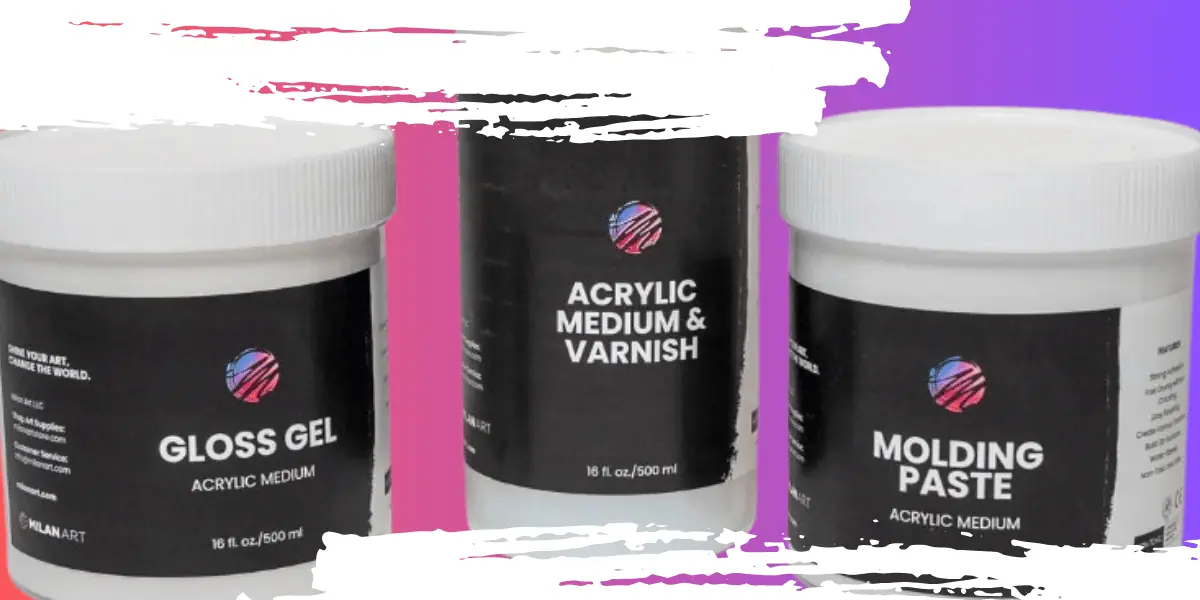
Experimenting with mediums can completely change how you approach either paint, and it is one of the most enjoyable ways to stretch what each medium can do.
Can you use acrylic and oil paint in the same painting?
Yes, as long as you follow one rule: acrylics first, oils last. Acrylic is water-based and dries quickly into a stable, flexible layer that happily supports oil on top. Reverse the order and you are asking for trouble. Acrylic applied over oil can crack as the slower-drying oil underneath continues to dry and shift. Acrylic under, oil over, every time.
Layered in the right order, the combination plays to both mediums’ strengths:
- Acrylic underpainting. Block in your big shapes and tones with fast-drying acrylic and you have a sturdy foundation in an hour instead of days. Your full attention then goes to refinement.
- Acrylic glazes, oil detailing. Lay transparent acrylic washes or bold flat color as your background, then bring in oil for the soft blending, smooth transitions, and fine details on top. This works beautifully for landscapes and portraits that need both atmospheric backgrounds and precise focal points.
- Acrylic texture, oil highlights. Build raised texture with acrylic gels or pastes, then drag oil paint across the peaks to catch the light and add richness.
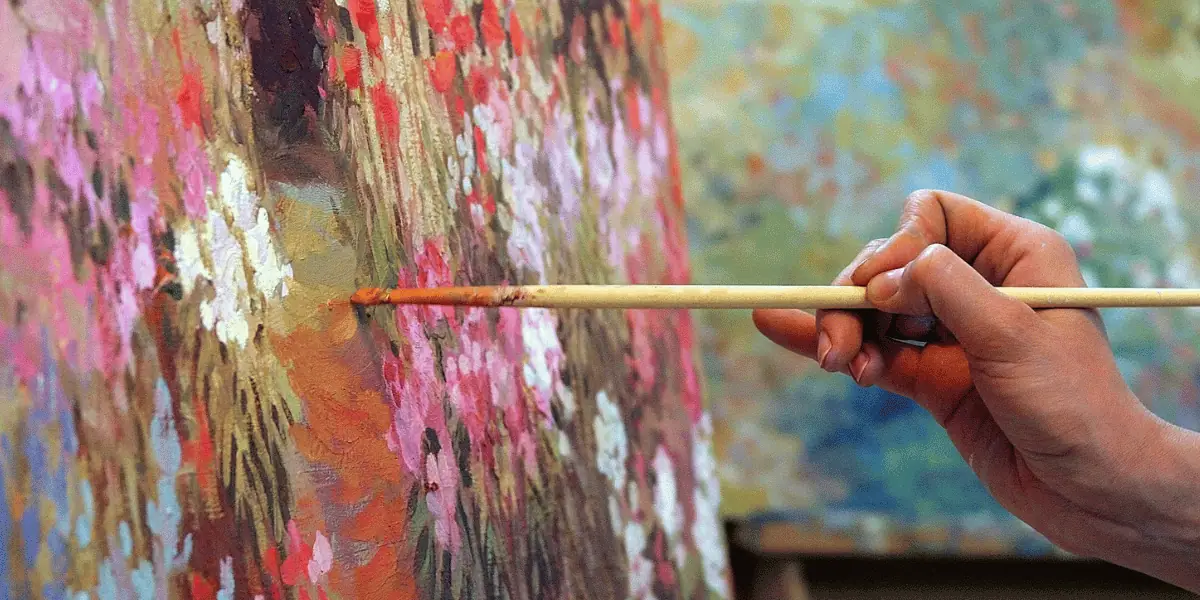
The contrast itself becomes part of the painting: crisp, flat acrylic passages set against thick, luscious oil texture in the focal areas. It is one of the most exciting ways to push past what either medium can do alone.
Which paint do professional artists use?
Professionals use both, and the choice usually follows the kind of work they make. Painters working in realism and portraiture often prefer oil for its blending capability and depth of color, because the slow drying time gives fine control over detail. Many modern and contemporary artists lean toward acrylic for its versatility and speed, especially in large-scale and mixed-media work where waiting days between layers is not practical.
And plenty of professionals combine the two in a single piece, exactly as described above. At the end of the day, the best medium is the one that serves your creative vision.
Which paint is best for beginners?
Acrylic is the best starting point for most beginners. It is affordable, thins and cleans up with water, needs no solvents, and dries fast enough that you can correct a mistake within minutes. You get to learn color mixing, layering, and texture without anything slowing the feedback loop. The right brushes for acrylic painting make that learning curve even gentler.
That said, oil is not off-limits to beginners. The long open time is forgiving in its own way, because you can rework an area all afternoon instead of racing the clock. If slow, blended, detailed work is what draws you to painting in the first place, starting in oil is a legitimate choice.
On canvas, both mediums behave beautifully as long as the surface is primed. A gessoed canvas suits either one. Acrylic is simply more flexible about other surfaces like paper and wood with little preparation, while oil needs a sealed, primed surface so the binder does not sink into the fibers. Whichever you choose, quality paint matters more than quantity: richly pigmented colors blend more easily, cover better, and teach you faster.
So which one should you choose?
Choose the paint that matches how you want your studio hours to feel. If you want speed, bold layers, and easy cleanup, start with acrylic. If you want long, unhurried blending sessions and classical depth, start with oil. And remember that this is not a permanent vow. Many artists end up fluent in both, often inside the same painting.
You will find more on layering, color, and brush handling in our oil painting techniques hub. And if you want a structured place to put either medium through its paces, with real feedback along the way, the 2-Week Challenge is an easy first step.
Frequently asked questions
Can you use acrylic and oil paint on the same canvas?
Yes, as long as the acrylic goes down first and the oil goes on top. Dried acrylic forms a stable, flexible layer that supports oil paint well. Never paint acrylic over oil, because the acrylic can crack and peel as the oil underneath continues to dry and shift.
Does acrylic paint change color when it dries?
Yes, acrylics darken slightly as their water content evaporates, so colors dry a touch more muted than they look on the palette. Mix your colors slightly lighter than you want them to read, and with practice you will anticipate the shift automatically.
Do oil paintings yellow over time?
Oil paints mixed with linseed oil can slowly yellow over years as the oil oxidizes, and whites and cool light colors show it first. Using walnut oil or poppyseed oil as your medium reduces yellowing and keeps colors clearer.
Which is better for beginners, acrylic or oil?
Acrylic is the easier entry point. It is affordable, cleans up with water, needs no solvents, and dries fast enough that you can correct mistakes within minutes. Oil is still a valid first medium if slow, blended, detailed work is what draws you to painting.
What to practice this week
- Paint the same small subject twice this week, once in acrylic and once in oil, and notice how long each one stays blendable.
- Mix one color in acrylic, paint a swatch, and compare it wet against dry to see exactly how much it darkens.
- Make a layered study: block in the big shapes with acrylic, let it dry fully, then add detail over the top in oil.
Supplies used

About the author
More from Elli