10 Palette Knife Painting Techniques for Oils and Acrylics
A knife lays color down in a way no brush can: clean, thick, and full of light.
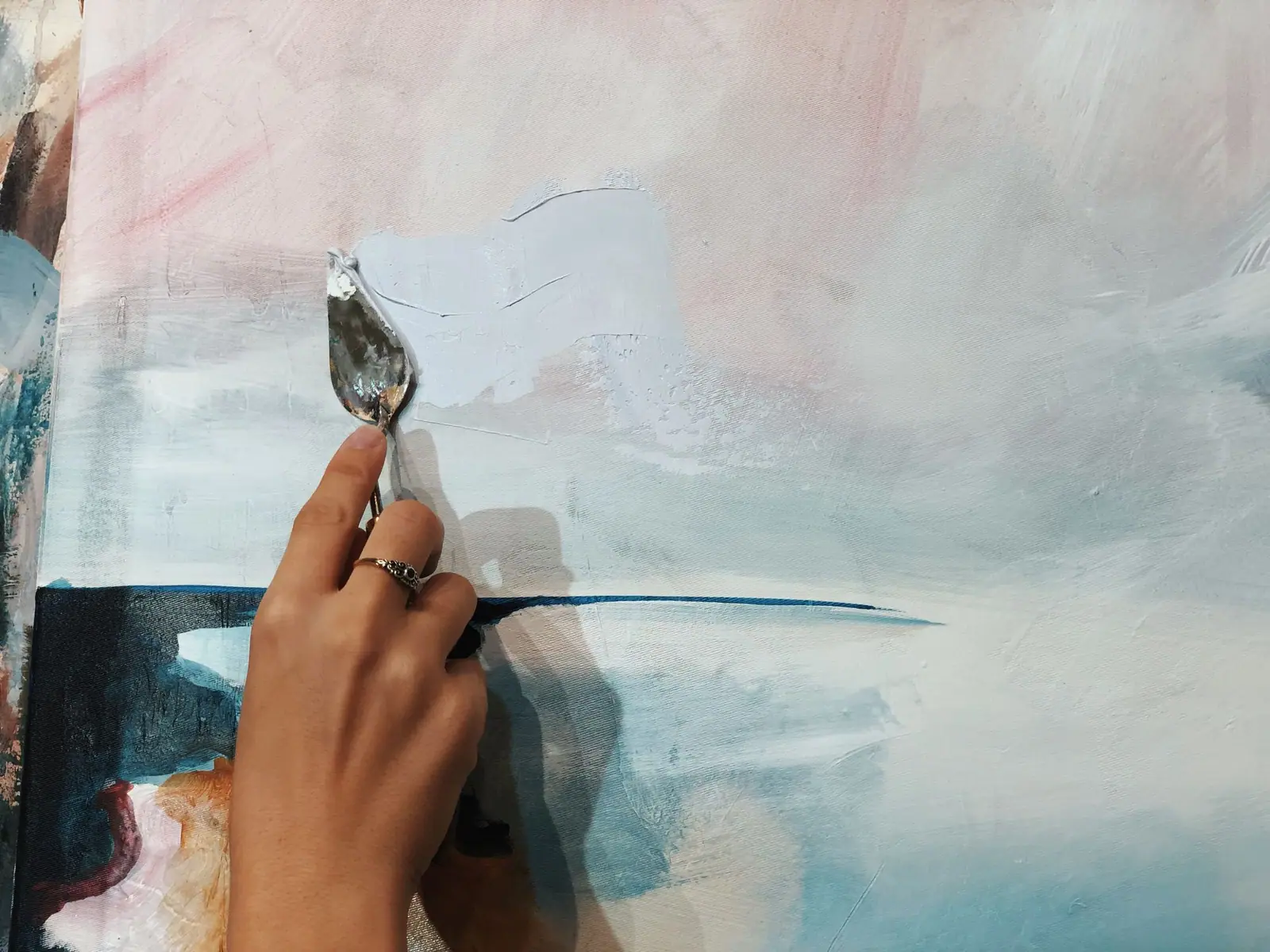
A palette knife gives you marks no brush can make. The blade lays color down without scrubbing it in, so each stroke stays clean, the texture stays raised, and the color keeps a freshness that brushwork tends to blend away. Rembrandt reached for the knife in his late portraits. Van Gogh built entire skies with one. And the tool itself costs less than a good brush, lasts for decades when you care for it, and covers a canvas faster than anything else in your studio.
Here’s the thing: most painters own a palette knife and only ever use it to mix. This guide turns that mixing tool into a painting tool, with ten techniques that work in both oils and acrylics.
What is palette knife painting?
Palette knife painting is the practice of applying, shaping, carving, and scraping paint with a flexible blade instead of a brush. A knife has no bristles, so it cannot overblend. Colors sit beside each other and on top of each other in clean, distinct layers, which is why knife paintings look so alive up close. The knife also moves paint quickly, which makes it ideal for covering large areas, building thick texture, and laying one color over another without disturbing what sits underneath.
If you are still building your foundation, this skill sits naturally alongside our guide to essential painting techniques. Here are the ten knife techniques we will cover:
- Edge loading: load paint on the edge of the blade and pull clean, controlled strokes.
- Frosting strokes: spread buttery paint the way you would ice a cake.
- On-canvas mixing: blend colors directly on the surface for organic transitions.
- Impasto: thick, raised strokes that catch real light.
- Cold wax texture: mix oils with cold wax for a carvable paste that dries faster.
- Molding paste texture: the acrylic route to the same body and bulk.
- Natural textures: fur, bark, water, and snow, each from a different motion.
- Knife highlights: thick accents added in the final stage to bring a painting forward.
- Transparent scumbles: thin, broken veils of color over dry layers.
- Carving and scraping: fine lines drawn into wet paint, and clean removal of mistakes.
Which palette knife should you use?
Start with a small set that gives you a range of shapes: a teardrop or diamond blade for general strokes, a long trowel blade for sweeping coverage, and a small pointed blade for detail. Longer blades flex more and lay paint down with ease. Rounded tips make soft marks, pointed tips make crisp ones, and metal, plastic, and silicone blades each drag paint a little differently.
Two features matter more than beginners expect. The first is the bent handle, which keeps your hand lifted away from the wet surface so you can work clean. The second is variety. Most painters fall in love with one or two shapes, and before long every mark in the painting starts repeating. Rotate your knives. Use the tip for dots and accents, the side for smooth fine lines, and the flat of the blade for broad passages.
How do you apply paint with a palette knife?
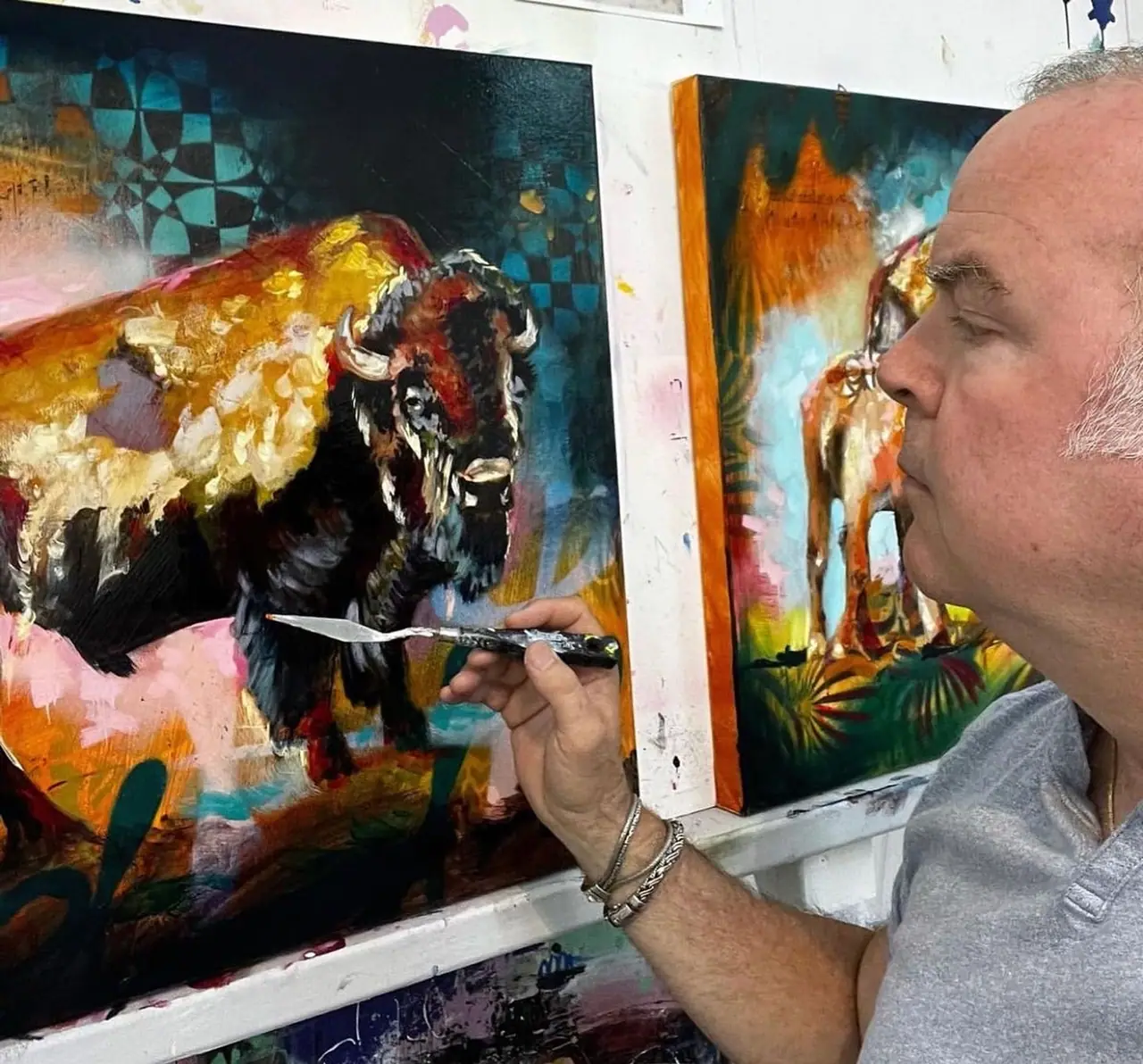
Load paint along one edge of the blade, set that edge against the canvas, and pull in the direction you want the stroke to travel. That single motion is the heart of knife painting. Think of decorating a cake: the paint should feel like frosting, smooth and spreadable, and the knife should glide rather than dig.
A few habits make every other technique on this list work better:
- Use the knife selectively. Cover the whole canvas with it only when you are laying a foundation layer. Otherwise, save knife strokes for the places you want emphasis.
- Keep the blade clean between colors. One wipe with a paper towel preserves the purity of each layer and keeps the surface from going muddy.
- Practice the stroke off the canvas first. Each knife lays paint down differently, and thirty seconds on scrap saves a rescue job later.
- Mix on the canvas when you want life. Blending two colors loosely with the knife, right on the surface, gives transitions a natural, unrepeatable quality.
- Use a drying medium to stack layers fast, and apply lightly in small circles when you want the stroke to pick up the tooth of the canvas.
How do you paint impasto with a palette knife?
Lay the paint on thick enough that the strokes stay raised off the surface and catch actual light: that is impasto. It is the technique most people picture when they hear palette knife painting, and it is the reason Van Gogh’s skies still feel like they are moving. The raised ridges create real shadows and real highlights on the surface of the painting itself, a dimension no flat passage can match.
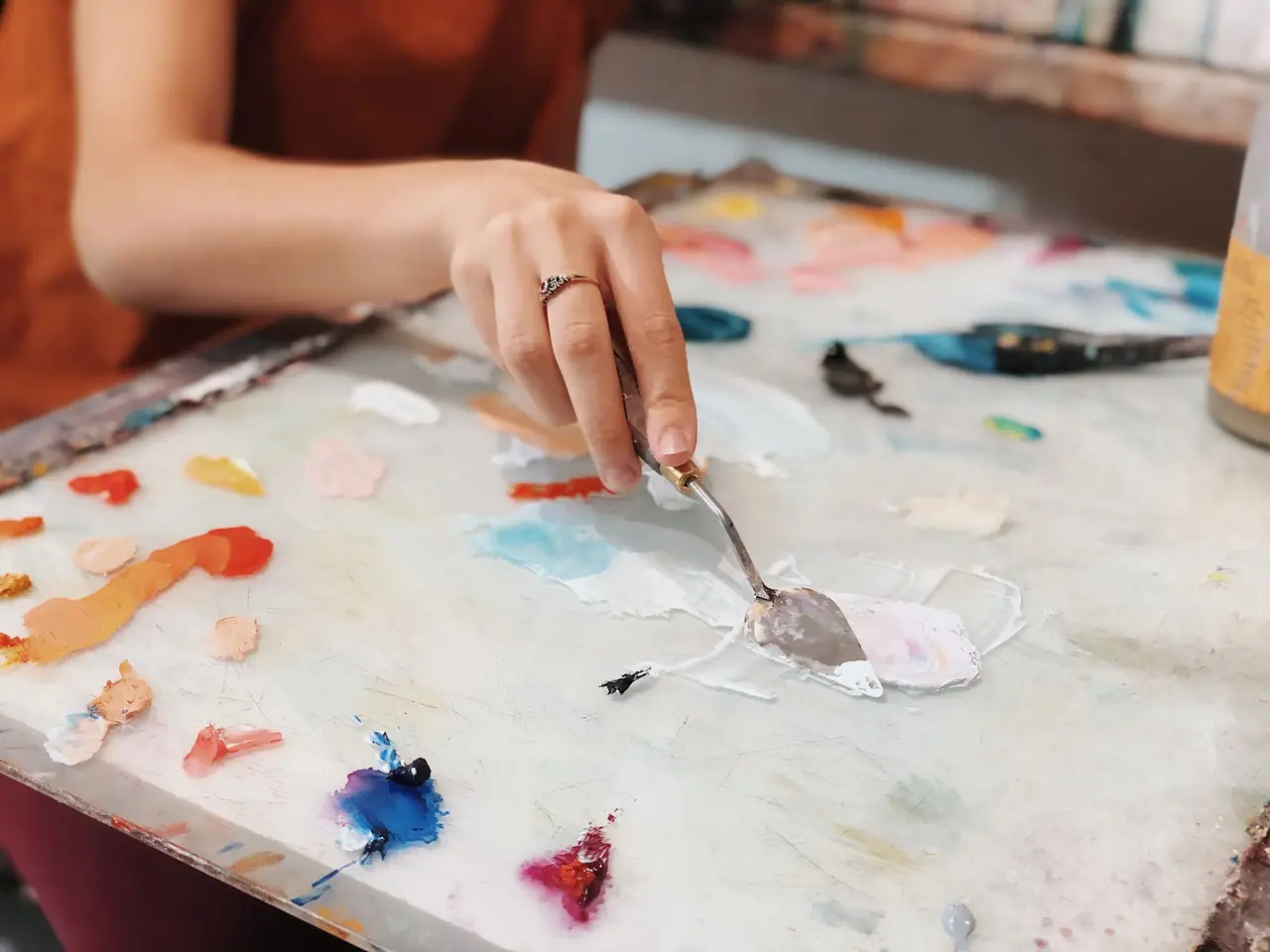
You can push it heavy, with substantial sculptural texture, or keep it light, with just enough relief to catch the eye. Either way, remember that thick paint dries slowly in oils. That is exactly the problem the next technique solves.
How do you use cold wax with oil paint?
Mix your oil color with a cold wax medium, roughly half and half, and you get a thick, carvable paste that holds every mark you make. The process is simple:
- Choose a cold wax medium such as Gamblin or Dorland.
- Mix paint and wax about half and half, adding more wax for a thicker texture.
- Scoop and blend the mixture with a clean knife.
- Apply it to the canvas in thick, impasto passages.
- Carve into it while it is still workable.
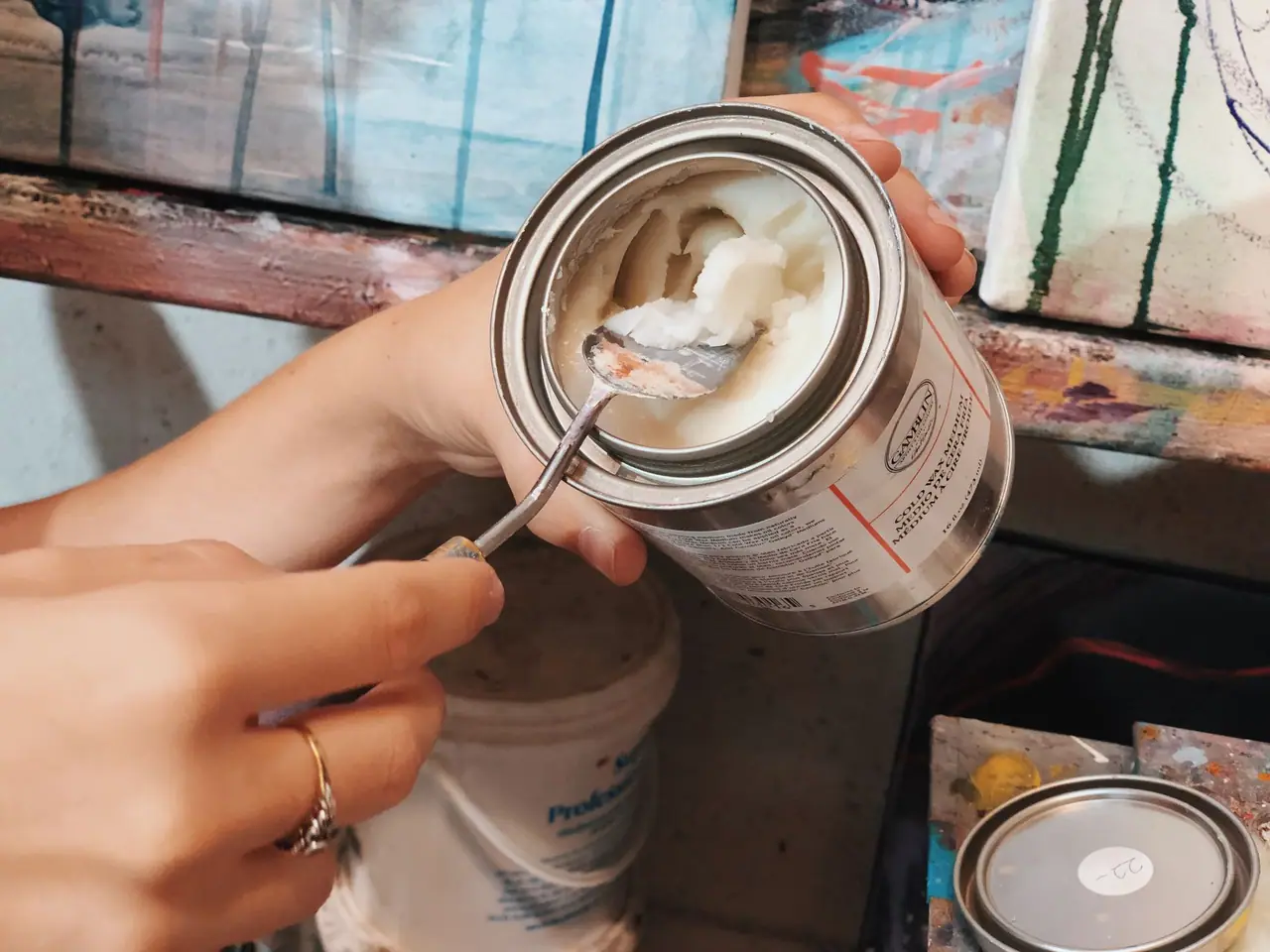
The wax does three jobs at once: it builds dramatic texture, it shortens drying time, and it stretches your paint supply, which matters when you are working this thick.
Can you paint with a palette knife and acrylics?
Yes, acrylics take to the knife beautifully, and they are the easiest place for a beginner to start. Thicken them with molding paste and they hold knife marks the way oils hold cold wax. Their quick drying time becomes an advantage here, because you can stack layer over layer in a single session without waiting days between passes. That same speed means you should mix only what you will use in the next few minutes and clean your blade before the paint sets.
If you are deciding which medium to learn knife work in, the differences run deeper than drying time. Our breakdown of the 5 key differences between acrylics and oil paint will help you choose.
How do you create textures like fur, bark, and water?
Match the motion of the knife to the surface you are describing, and the texture almost paints itself:
- Animal fur: short, quick strokes that follow the direction of growth.
- Tree bark: vertical and slightly diagonal strokes, layered for roughness.
- Rocky surfaces: dab and drag the blade to leave jagged, uneven edges.
- Water: long horizontal strokes for ripples and waves.
- Snow: thick, uneven layers of white, left imperfect on purpose.
Vary the angle of the blade to make edges crisper or rougher, and keep layering until the surface reads true. Texture is one of the seven elements of art for good reason: it is one of the fastest ways to make a viewer want to reach out and touch a painting.
How do you add highlights with a palette knife?
Save your knife highlights for the final stage of a painting, then lay them on thick with titanium white or a bold, warm color. Because impasto texture physically catches light, a knife highlight does double work: the color is bright and the ridge of paint is bright. Place these accents on the areas nearest the viewer, since texture pops forward, and they will pull that part of the scene toward you while deepening the space behind it.
How do you paint fine lines and details with a knife?
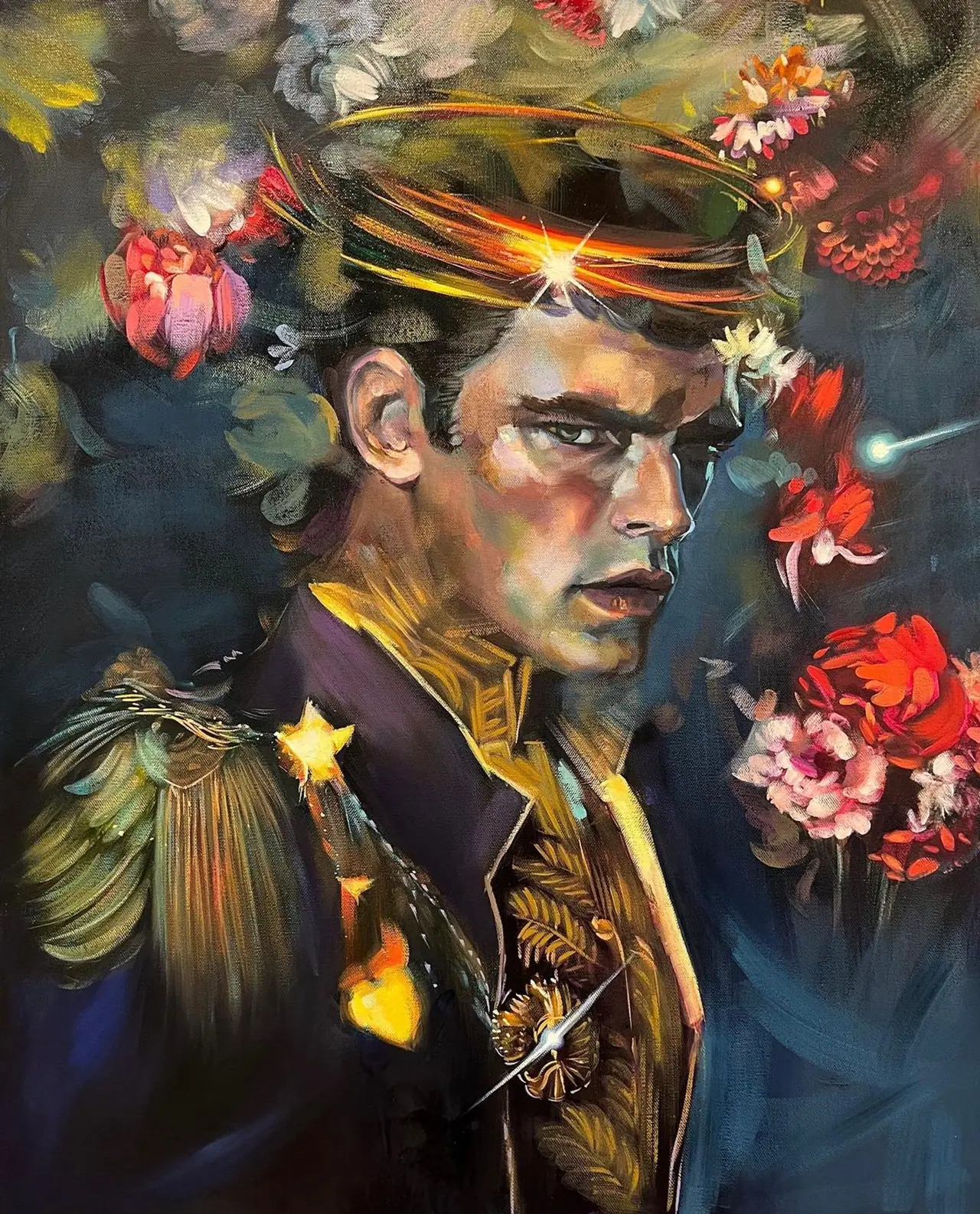
Use the tip and the edge of the knife the way you would use a pen. Press the edge firmly into wet paint and drag for a thick line; lighten your touch for a fine one. Carving through a top layer reveals the colors underneath, which adds a depth you cannot get by adding more paint. The tip places precise dots and accents, the long edge draws clean, straight lines, and a steady hand can write hair, grass, and branches into a surface a brush would only muddy.
The knife also erases. When a passage goes wrong, scrape it cleanly off and begin that area again. That one move has rescued more paintings than any other tool in the studio, and it pairs well with the habits in how to stop ruining your paintings.
How does transparent paint work with a knife?
Drag a transparent color across a dry layer at a low angle and it breaks into a thin, glowing veil that lets the painting underneath show through. Painters call this scumbling, and the knife does it with a crispness a brush cannot match. Light pressure leaves more transparency; firmer pressure lays down more paint. Build the effect in several thin passes rather than one thick one, let each layer dry before the next, and add medium if you want the color even more sheer.
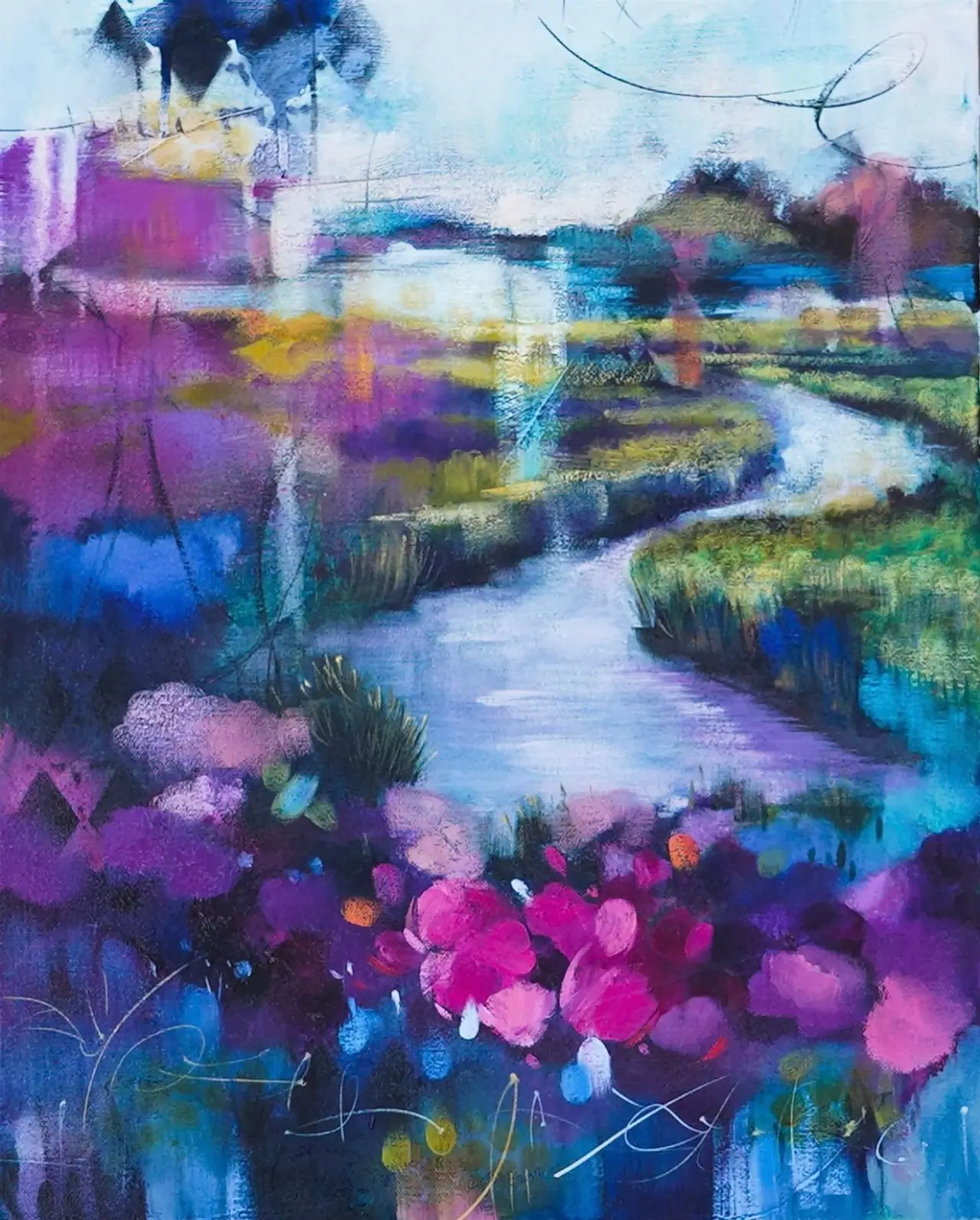
This broken, layered surface is a staple of contemporary abstract painting techniques, and it is one of the most forgiving ways to add complexity to a piece that feels flat.
How do you clean and care for palette knives?
Wipe the blade clean the moment you stop painting: water for acrylics, turpentine or another suitable solvent for oils, then a pass with a paper towel. Paper towels beat rags here because they leave no fibers behind. Scrub the handles periodically to remove dried paint and dry them fully so wooden handles do not swell or warp. When paint hardens on the metal edge anyway, take it off with a paint scraper, and store your knives in a roll or a holder that protects the blades.
A knife cared for this way will outlast hundreds of brushes. It may be the best money you ever spend on a tool.
Frequently asked, answered fast
Pick up a knife this week and let it surprise you. Load the edge, pull one clean stroke, and leave it alone. Then pull another. Texture has a way of waking a painting up, and once you feel it, you will reach for the blade again and again. When you want guided practice with real feedback, the 2-Week Challenge is a good first step, and the rest of our oil painting techniques are waiting whenever you are.
Frequently asked questions
Can you use a palette knife with acrylic paint?
Yes. Acrylics work well with a knife, especially when thickened with molding paste so the strokes hold their shape. Work quickly because acrylics dry fast, mix only what you will use, and clean the blade with water before the paint sets.
What is the impasto technique?
Impasto is the practice of applying paint so thickly that the strokes stay raised off the canvas. The ridges catch real light, which adds depth and dimension. Van Gogh's textured skies are the most famous example.
What can I use to thicken paint for palette knife painting?
For oils, mix in a cold wax medium such as Gamblin or Dorland, about half paint and half wax. For acrylics, use molding paste. Both add body, and the wax also shortens drying time and stretches your paint supply.
How do you clean palette knives?
Wipe the blade with a paper towel right after use: water for acrylic, turpentine or another solvent for oil. Paper towels leave no fibers behind. Remove hardened paint with a paint scraper, and dry wooden handles fully so they do not swell or warp.
What to practice this week
- Spend ten minutes on scrap canvas loading paint on the edge of your knife and pulling strokes, one direction per stroke, before you touch a real painting.
- Paint one small study using only a palette knife, no brushes, and let every stroke sit unblended.
- Take a finished painting that feels flat and add three thick knife highlights to the area nearest the viewer, then step back and watch that area come forward.
Supplies used

About the author
More from Elli