10 Abstract Painting Techniques for Beginners (and How to Try Each One)
Abstract painting looks spontaneous, but strong abstract work is built from learnable techniques. Here are the ten to learn first.
You do not need drawing skills, a studio, or years of training to start abstract painting. You need a few reliable techniques and permission to experiment. Abstract painting sets aside the pressure of realistic representation and lets you work directly with color, shape, line, and texture, which makes it one of the most welcoming places for a new painter to begin.
This guide walks through the ten techniques we recommend to beginning abstract painters at Milan Art Institute, plus five extra methods for building texture and a simple sequence for putting it all together on your first canvas.
What is abstract painting, and why is it good for beginners?
Abstract painting is art that communicates through color, shape, line, and texture instead of through recognizable subjects. It grew out of the long pull away from strict realism that began with the Impressionists, and it asks a different question of the artist: you stop asking whether the painting looks right and start asking whether it feels true.
That shift is exactly what makes it generous to beginners. Every technique in this list produces something real on the canvas, because there is no likeness to fail at. What carries an abstract painting is your handling of the elements of art: the colors you choose, the marks you make, the textures you build, and the way they balance one another. Those are skills you grow by doing, and abstract work gives you the most direct practice in all of them.
What are the best abstract painting techniques for beginners?
The ten techniques we recommend first are acrylic washes, oil glazing, mark-making, fake writing, patterns, drip painting, spray and splash paint, palette knife work, gesture marks, and collage. Each one gives you a different way to put color, texture, and energy on the canvas, and they layer together beautifully in a single painting.
1. Acrylic wash and ink
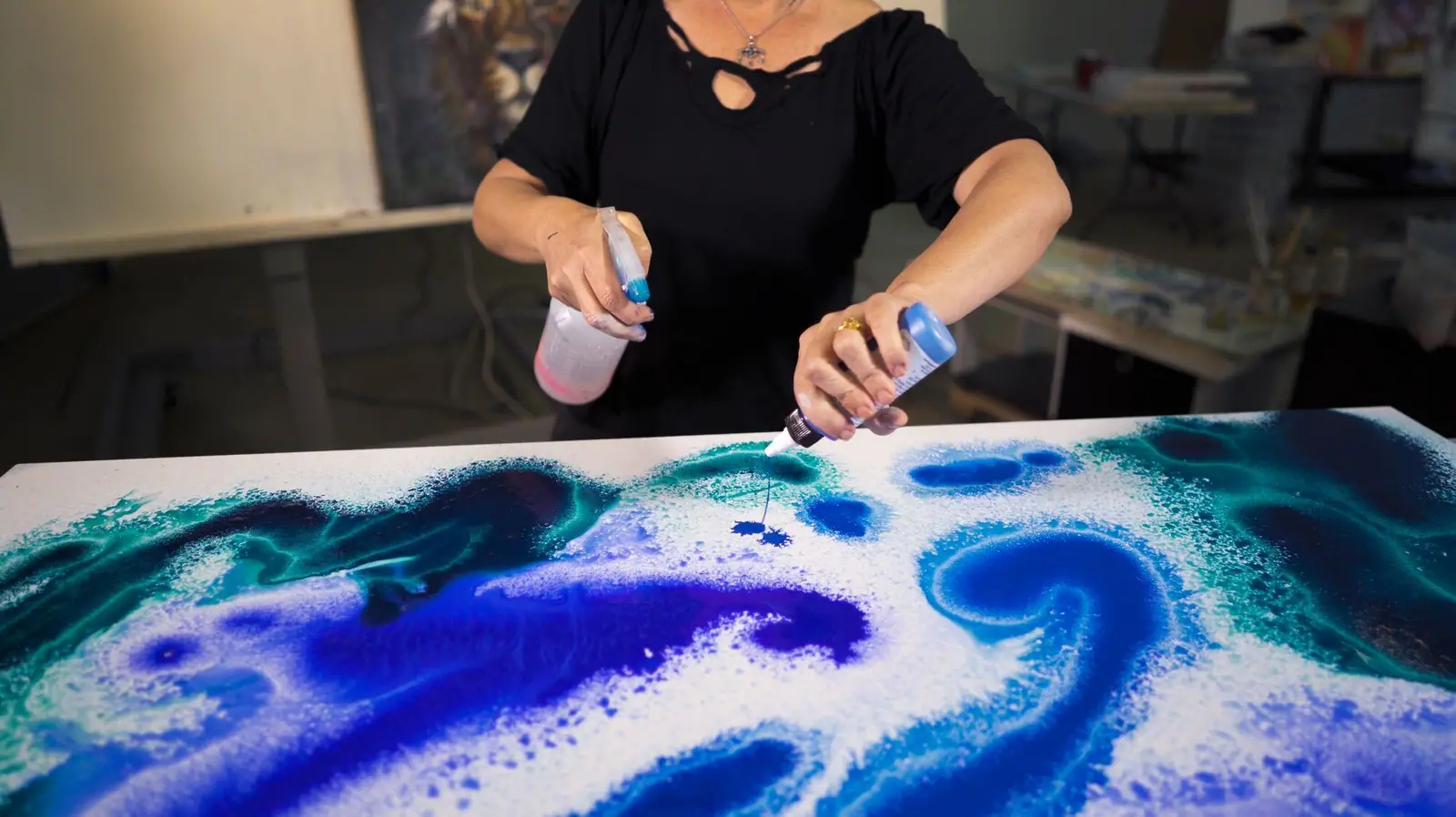
Dilute acrylic paint with water until it flows like watercolor, or use high flow acrylics straight from the bottle, then sweep the color across the canvas with a large brush. For acrylic ink, load a dropper and release the ink exactly where you want it. Because the paint is transparent, every layer stays visible beneath the next, so the surface builds depth and a sense of fluid movement on its own. Spray the wet wash with water to push, bloom, and blend the color. If you are unsure how far you can dilute before the paint breaks down, read our guide on how to thin acrylic paint.
2. Oil glazing
Brush thin, transparent layers of oil paint over a completely dry layer to deepen the color and give the surface a luminous glow. Mix the paint with a glazing medium (Galkyd is a common choice) so it spreads thin and dries reliably. Light passes through each glaze and reflects back out, which is what gives glazed passages their inner light. Use cool colors in areas you want to recede and warm colors where you want the painting to come forward. Glazing rewards patience more than any other method here, and it belongs in the same family as the foundational oil painting techniques every painter eventually learns.
3. Mark-making
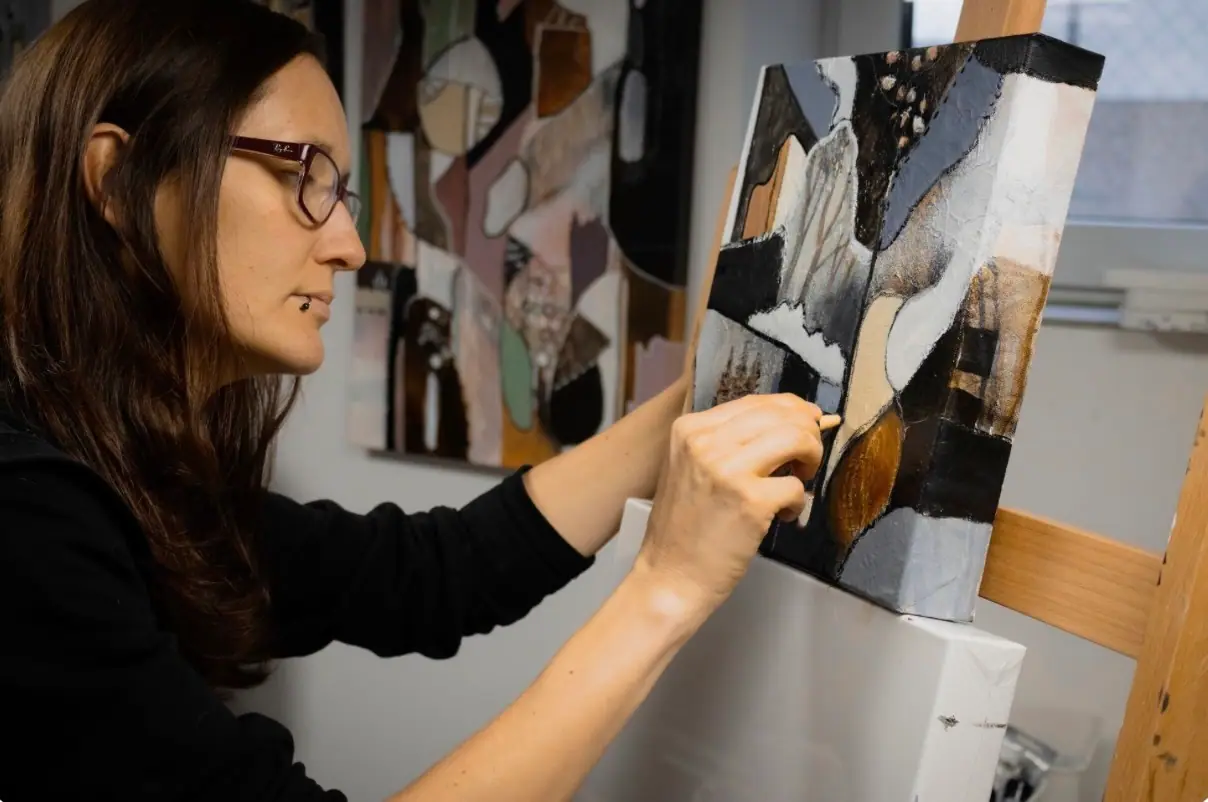
Marks are the handwriting of an abstract painting. Vary them deliberately: thick and thin, heavy and light, straight and squiggly, fast and slow. Each kind of line carries a different emotion and rhythm, and a composition built from varied marks feels alive in a way uniform brushwork never does. Caran d’Ache crayons and oil sticks are wonderful tools here because they drag and skip across the texture of the canvas.
4. Fake writing
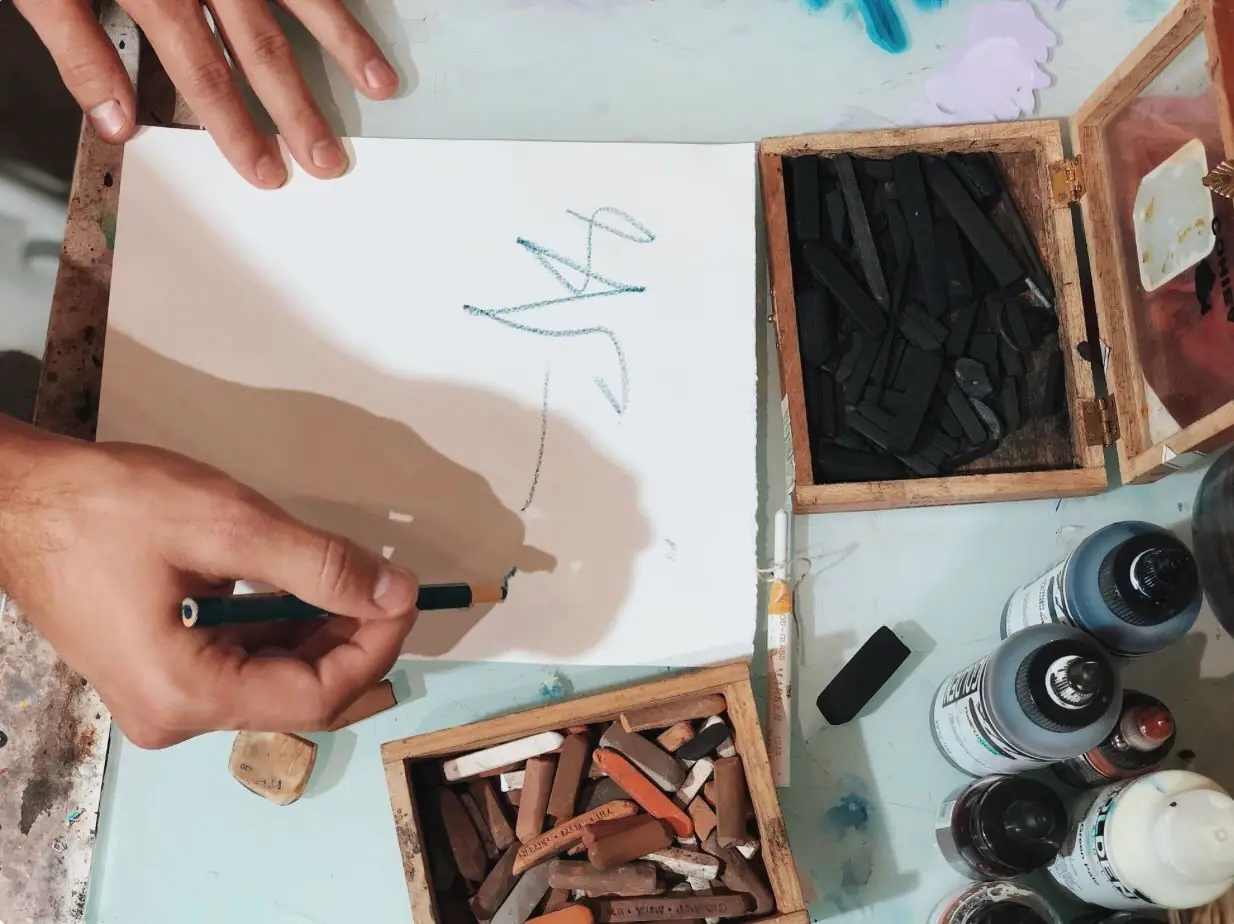
Fake writing is text that looks like language without forming actual words. It borrows the visual rhythm of handwriting, calligraphy, or graffiti and adds a layer of mystery, because the eye keeps trying to read it. Layer the pseudo text over washes or patterns to build depth. Water-soluble graphite works beautifully for this: write your lines, soften them with a wet brush, and seal the layer before painting over it.
5. Patterns
Repeated shapes, lines, or colors give an abstract painting structure. A pattern is a promise of order inside an otherwise free composition, and that contrast creates balance and guides the viewer’s eye through the piece. Patterns can be geometric, organic, or a blend of both. For crisp, uniform repetition, lay a stencil on the canvas and layer two or three colors of indoor spray paint over it.
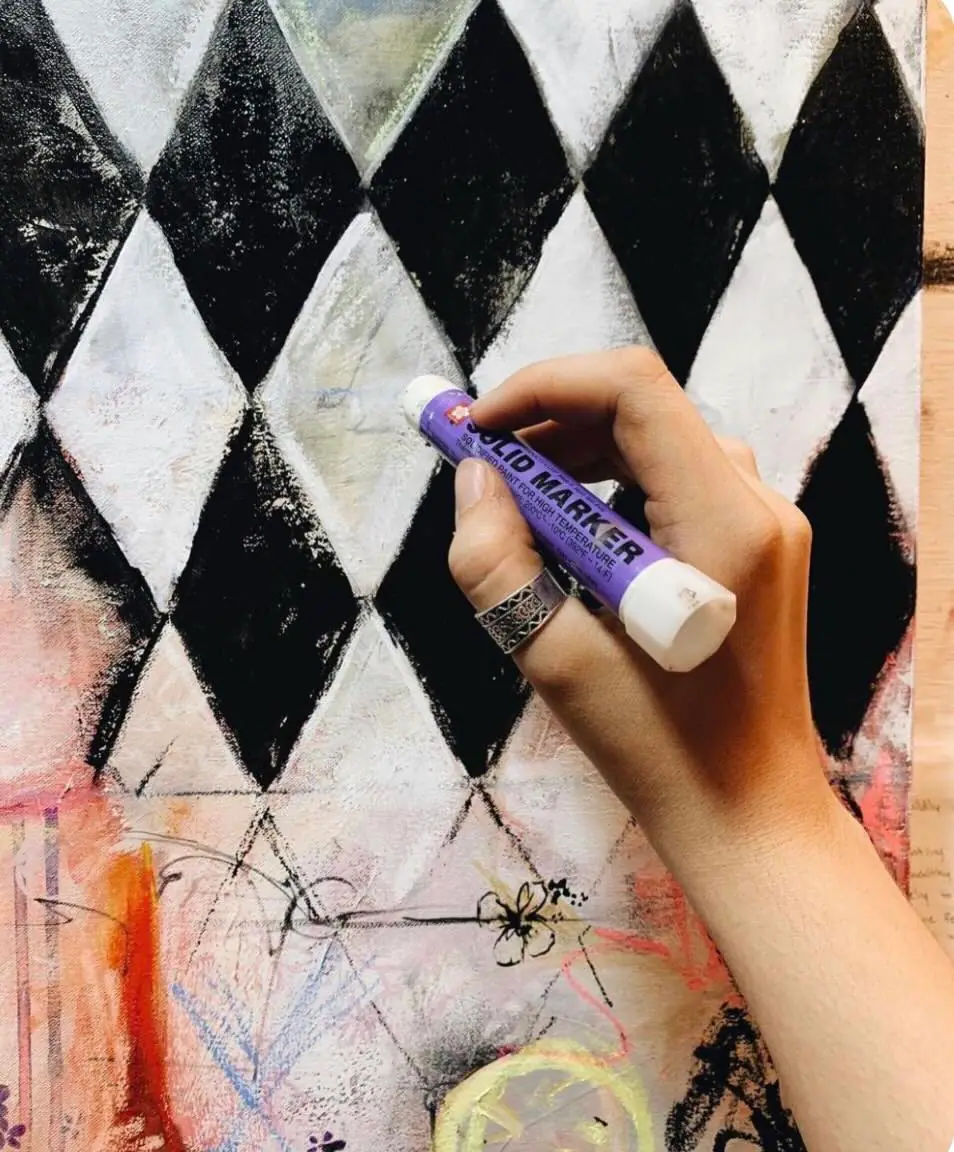
6. Drip painting
Let the paint fall. Dripping and pouring, the approach most associated with Jackson Pollock, hands part of the outcome to gravity and chance, and the result is texture and movement you could never plan. Brush water onto the canvas before or after the paint to change how the drips travel, then use a spray bottle to splash, bend, or dissipate the color.
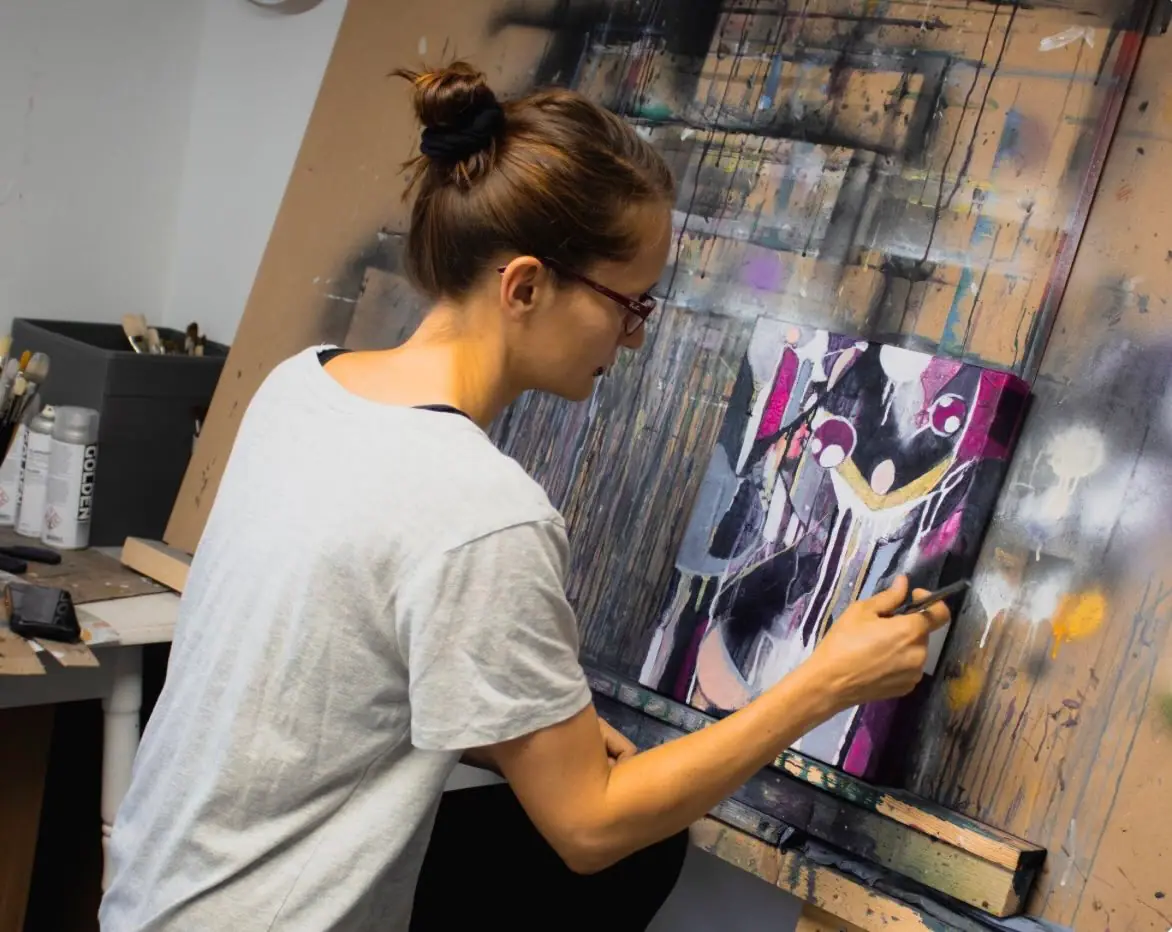
7. Spray paint and splash paint
Spray paint gives you fine, misty fields of color, and splashed acrylic gives you bold, energetic marks. Both introduce an element of chance, and chance is where many of the best abstract passages come from. Work with indoor spray cans in a ventilated space, or load a brush with fluid acrylic and flick it at the canvas. These techniques are fast, so they pair well with slower, more deliberate layers like glazing and pattern work.
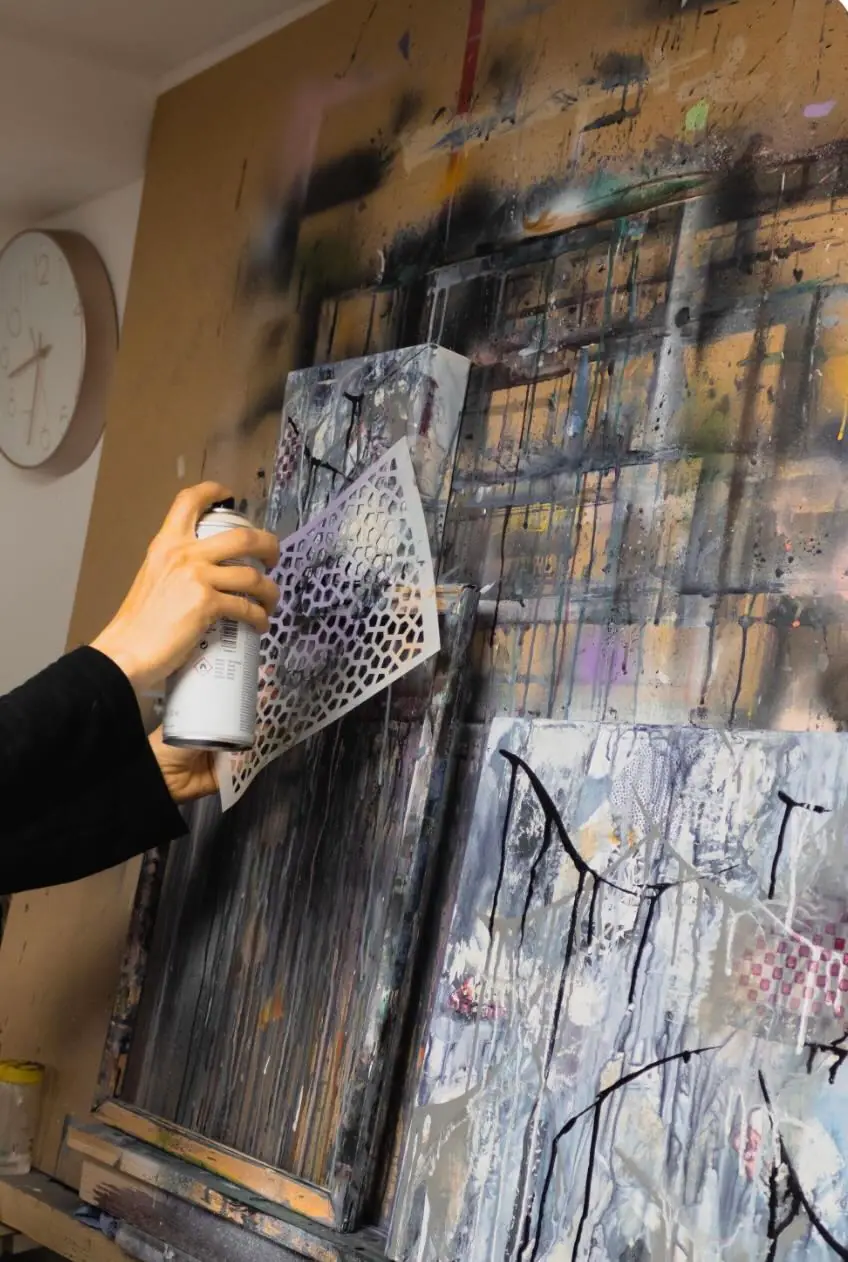
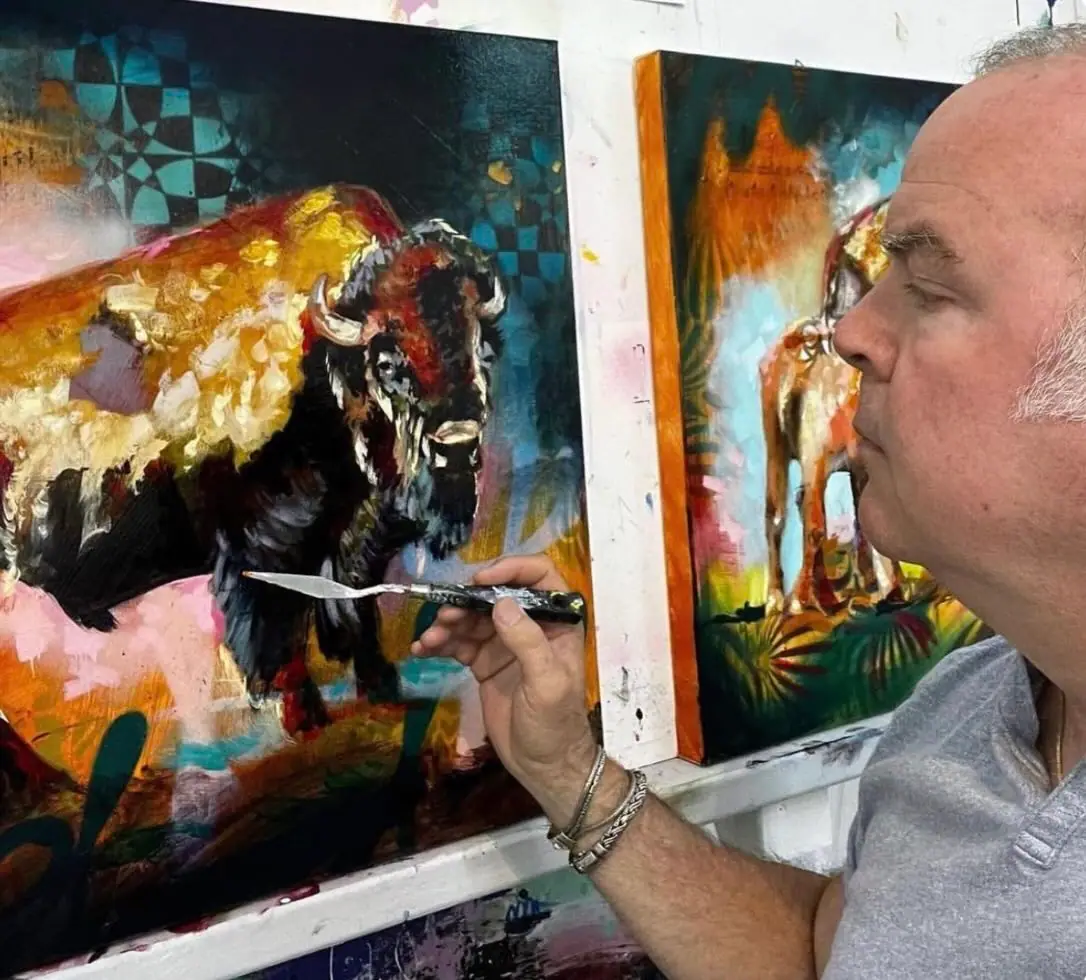
8. Palette knife work
A palette knife lays paint down thickly, leaving ridges, grooves, and sharp-edged shapes a brush cannot make. The result is physical: the surface catches real light and shadow, and viewers instinctively lean in to study it. Load the knife generously and commit to each stroke. If this technique clicks for you, our full guide to palette knife painting techniques goes much deeper.
9. Gesture marks
Gesture marks are quick, spontaneous strokes made with your whole arm. They record your physical movement and emotional state in the moment, which gives the painting an immediacy no careful stroke can fake. Vary their size, shape, and direction, and try them with every material on your table: brushes, crayons, ink, even rags.
10. Collage
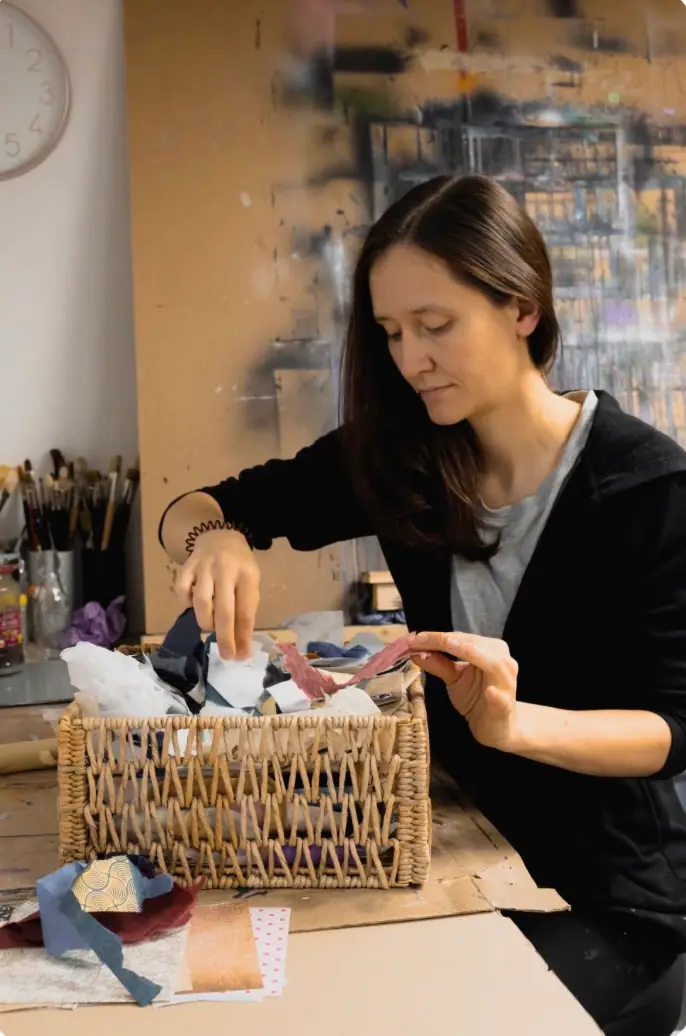
Collage brings the outside world into your painting. Fabric, printed poems, sheet music, torn magazine pages, and other meaningful scraps add instant texture and personal history to the surface. Vary the edges (torn, cut straight, or shaped) to create contrast, and adhere and seal everything with molding paste or acrylic medium. Collage sits at the heart of mixed-media art, and it is often the doorway abstract painters walk through on the way to a style of their own.
How do you add texture to an abstract painting?
You add texture by layering, scraping, impasto, stenciling and masking, and sgraffito. These five methods stack on top of the ten techniques above and turn a flat painting into a surface worth touching:
- Layering: build up multiple layers of paint and materials so the surface carries complexity and depth.
- Scraping: drag a tool through wet paint to remove layers and reveal the colors underneath.
- Impasto: apply paint thickly enough to stand off the surface and cast its own shadow.
- Stencil and masking: use stencils or masking tape to hold crisp shapes and patterns inside loose layers.
- Sgraffito: scratch fine lines through a top layer to expose the color beneath it.
How do you paint an abstract painting step by step?
Work from thin and transparent toward thick and opaque, and let each layer respond to the one before it. Here is a simple sequence for a first abstract painting:
- Choose a starting point. Pick an emotion, a memory, or a concept you want the painting to hold, then choose a small palette of colors that feels like it.
- Tone the canvas with washes. Cover the white surface with diluted acrylic or high flow color, spray it with water, and let the layers run into each other.
- Add structure. Once the wash is dry, bring in marks, patterns, or fake writing to give the eye something to follow.
- Build texture. Use the palette knife, drips, splashes, or collage to give the surface weight and physical depth.
- Step back and finish. Look at the whole painting from across the room. Warm or brighten the areas that should come forward, cool or soften the ones that should recede, and finish with glazes if you are working in oil.
You will not follow this sequence forever. It exists to get the first canvas moving, and the moment a layer suggests a better idea, follow the painting instead of the plan.
Where do abstract painting ideas come from?
Ideas come from feeding your eyes and your soul until what you absorbed overflows onto the canvas. Get outside your routine. Visit galleries, museums, and creative spaces. Walk in nature and photograph the things that give you a sense of awe. Try painting outdoors, a practice called plein air painting, and let weather and light push the work somewhere a studio never would.
Many abstract painters work to music and paint what it evokes. Others return to a happy place they hold in memory and envision it before material ever touches canvas. Your starting point does not need to be profound. It needs to be honest. An emotion, a song, a torn piece of sheet music: any of them is enough to begin.
Pick one technique from this list and give it a whole canvas this week. Then add a second on top and watch the two start a conversation. That conversation is abstract painting, and it gets richer with every layer you learn. When you are ready for more, explore the rest of our mixed-media guides, and if you want guided practice with real feedback, the 2-Week Challenge is a friendly place to begin.
Frequently asked questions
What is the easiest abstract painting technique for beginners?
Acrylic washes are the most forgiving place to start. Dilute acrylic paint with water, brush it across the canvas in transparent layers, and spray it with water to move the color. Every layer stays visible, so the painting builds depth on its own while you learn.
How do you add texture to an abstract painting?
Build texture by layering paint and materials, scraping back through wet layers, applying thick impasto strokes, working over stencils or masking tape, and scratching sgraffito lines through a top layer to reveal the colors underneath.
Do you need drawing skills to paint abstract art?
No. Abstract painting communicates through color, shape, line, and texture rather than accurate representation. Strong abstract work still rests on composition and the elements of art, but you can begin experimenting with these techniques today without any drawing background.
What to practice this week
- Tone one canvas with two or three colors of diluted acrylic wash, then spray it with water and tilt the canvas to watch the layers move.
- Fill a page with nothing but marks: thick, thin, heavy, light, straight, and squiggly lines made with a crayon, an oil stick, or the back of a brush.
- Tear paper scraps (sheet music, old letters, magazine pages) and collage three of them into a wash background with acrylic medium.
Supplies used
About the author
More from Dimitra