Mixed Media Art Ideas: Simple Pairings to Try This Week
The best mixed media ideas are not complicated. They pair two simple materials and give you a small, low-pressure prompt to combine them. Here is a list to start with this week.
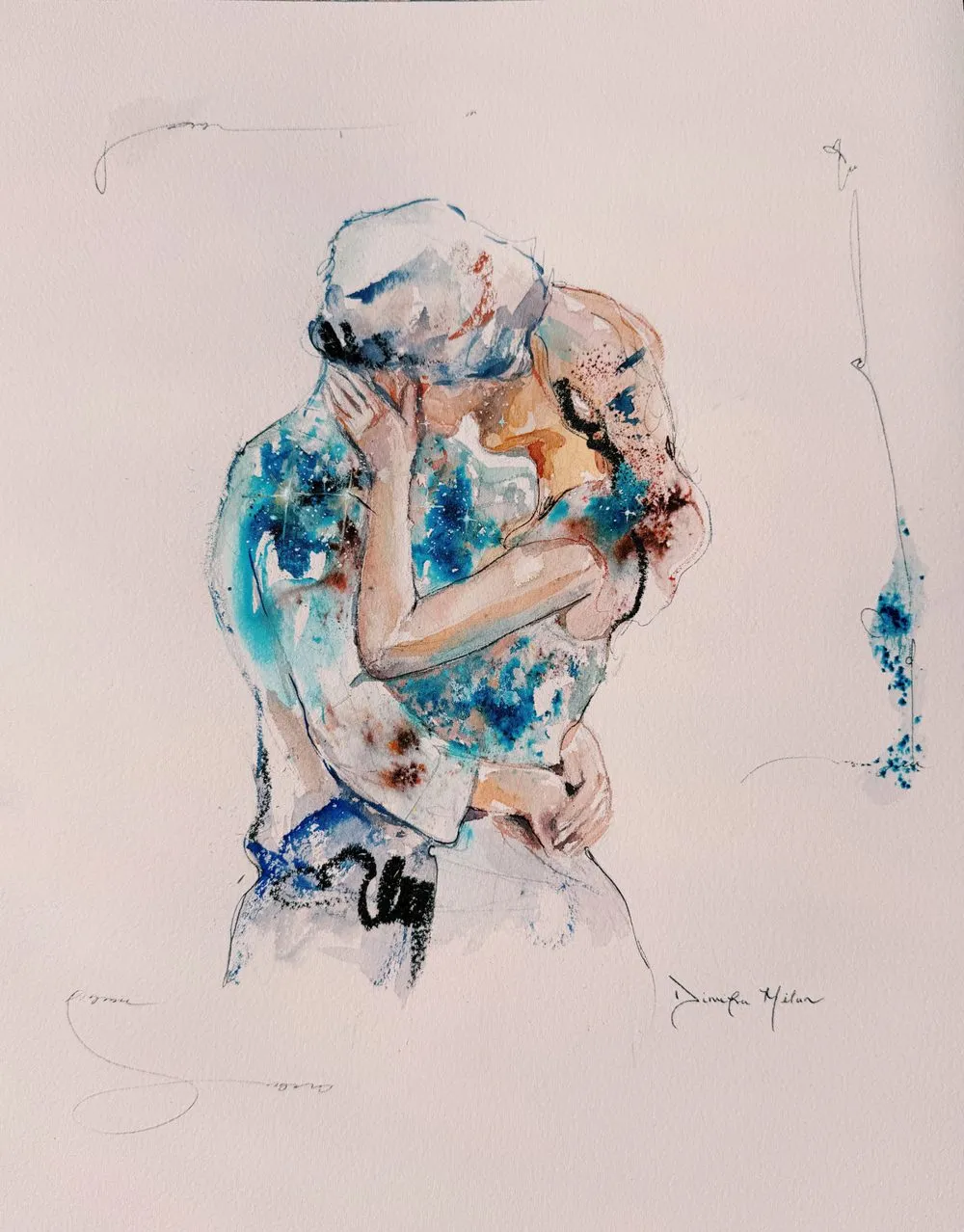
The best mixed media art ideas pair two simple materials and give you a small, low-pressure prompt to combine them. You do not need a long supply list or a clever concept to start. You need one ground, two materials, and one tiny experiment. This post is a list of those experiments, organized so you can pick one and start painting this week.
Here is the thing most people get wrong about mixed media: they think it has to be a big, layered, gallery-ready piece. It does not. Mixed media just means combining two or more materials in one work, and the fastest way to learn it is to keep each idea small and finishable. If you want the bigger overview first, the mixed media art techniques guide is the pillar that ties all of this together, and what is mixed media art and how do you use it covers the basics. For now, let us get your hands moving.
Beginner mixed media ideas to try first
Start with one pairing, not a pile of materials. Each idea below combines exactly two things, so you can learn how those surfaces behave together without getting overwhelmed. Pick the one that sounds fun and make it small.
- Collage plus paint. Glue down a few torn paper shapes, let them dry, then paint over and around them with acrylic. This is the most forgiving entry point because the paper hands you instant texture and composition, and the paint pulls it all together. Acrylic dries fast and covers well, so a wrong move is rarely permanent.
- Ink over a textured ground. Spread a thin layer of gesso or modeling paste on your surface and drag a brush, fork, or palette knife through it. Once it dries, brush or pour ink across the top. The ink sinks into the grooves and skips over the raised parts, giving you depth from a single, simple gesture.
- Magazine transfer plus drawing. Press a magazine image face down into wet gel medium, let it dry, then gently rub the paper away to leave the ink behind. Draw into or over the ghostly transfer with pencil, pen, or marker. The contrast between the found image and your own line work is where mixed media gets interesting.
- Fabric or paper scraps under acrylic. Lay down scraps of fabric, tissue, or thin paper into a coat of wet gel medium so they wrinkle and grip the surface. When it dries, paint over the whole thing. The texture pushes through the paint and makes even a simple color field feel alive.
Idea prompts by material you already have
You almost certainly own enough to start right now. Mixed media rewards the things most people throw away, so before you buy anything, raid the recycling bin and the junk drawer. Here are quick combinations built around materials you likely already have.
- Newspaper plus acrylic. Glue down a layer of newspaper as your base, then paint over it, leaving a few words or columns peeking through. The printed text reads as texture and quietly adds meaning underneath your color.
- Old book pages plus ink. Tear pages from a damaged book, collage them across your surface, and let ink bleed over the type. The old paper and the flowing ink make a warm, vintage ground in minutes.
- Washi or masking tape plus paint. Lay strips of tape down to block out clean shapes and lines, paint over everything, then peel the tape away to reveal crisp edges. It is the easiest way to get sharp geometry without a steady hand.
- Gesso plus watercolor. Brush gesso onto paper in loose strokes and let some areas stay bare. Watercolor behaves differently on each: it beads and lifts on the gesso, and soaks in on the open paper. One material changes how the other moves.
- Ink plus watercolor. Drop watercolor onto wet paper for soft blooms, let it dry, then add sharp ink lines on top. The soft-versus-crisp contrast is a classic combination that always reads well.
How to turn an idea into a finished piece
A prompt becomes a real piece when you make a few simple decisions and stop second-guessing them. The goal is not to use everything. It is to combine a little, with intention, and bring it to a finish. Follow these four steps and almost any idea above will resolve into something you are glad you made.
- Pick one ground. Choose a single surface and commit, whether that is a canvas board, a sheet of heavy paper, or a wood panel. A sturdy ground holds glue and water without buckling, and deciding upfront keeps you from stalling.
- Limit your materials. Hold yourself to two or three materials per piece. Limits force creativity and keep the work from turning to mud. You can always make a second piece with a different pairing.
- Layer light to dark. Build your lighter tones and collage first, then add darker colors and accents on top, because dark over light reads cleanly while light over dark muddies fast. Step back often to judge the whole surface instead of fussing over one corner.
- Seal it. When the layers feel resolved, protect them. A coat of varnish or a spray fixative locks down loose paper edges and keeps your color from smudging, so the piece survives handling.
How to make the ideas your own
The same prompt can produce a hundred different pieces, and the way you make it yours is by changing one variable at a time. Once a combination feels comfortable, do not abandon it. Push on it. Here is how to take any idea above and turn it into something that looks like you.
- Vary the subject. Run the same technique on a landscape, then a portrait, then pure abstraction. The materials stay the same, but the subject reshapes the whole feel of the work.
- Vary the palette. Repeat a piece you liked using a completely different set of colors, a warm version and a cool version, for example. Color alone can make one idea feel like ten.
- Vary the scale. Make a tiny version, then a large one. Working big changes how you move and what your materials can do, and it often surprises you in the best way.
Changing one thing at a time also teaches you which choices actually matter, which is exactly how a personal style is built.
Your next step
Pick one idea from the top of this list and make it small today, before you talk yourself out of it. A single collage-plus-paint study on a scrap of board will teach you more than an hour of reading. The fastest way to start mixed media with real structure and feedback is our free Two Week Challenge, a guided way to actually make your first pieces instead of just planning them. When you want more techniques and prompts, the mixed media art techniques pillar goes deeper, and the rest of the mixed media collection is here whenever you want to keep going.
Frequently asked questions
What are some easy mixed media art ideas for beginners?
Start by pairing just two materials. Glue down torn paper or magazine pieces and paint over them with acrylic, brush ink across a textured ground, or press paper and fabric scraps into wet gel medium before you add color. Each of these is a single, small prompt that teaches you how two surfaces behave together without overwhelming you. Keep the first ones tiny so you can finish them.
What materials do I need to start mixed media art?
You need less than you think. A sturdy ground (a canvas board, heavy paper, or a wood panel), one tube or pot of acrylic, a glue or gel medium, and one or two found materials like newspaper, old book pages, or tape. Many people start mixed media using only things already in the house, then add ink, gesso, or watercolor once they know what they reach for.
What is the easiest mixed media combination to try first?
Collage plus paint is the easiest and most forgiving place to start. Glue down a few torn paper shapes, let them dry, then paint over and around them with acrylic. The paper gives you instant texture and composition, and the paint ties everything together. Because acrylic dries fast and covers well, almost any mistake can be painted over once the layer is dry.
How do I turn a mixed media idea into a finished piece?
Pick one ground and commit to it, limit yourself to two or three materials, and build your layers from light to dark so darker tones sit on top where they read best. Step back often to check the whole piece instead of fussing over one corner. When the layers feel resolved, seal the surface with a varnish or fixative so the collage and color are protected.
Can I make mixed media art with things I already have at home?
Yes, and it is one of the best ways to start. Newspaper, old book pages, washi or masking tape, packaging, thread, and dried tea bags all work as collage and texture material. Combine any of them with a little acrylic, ink, or watercolor and you have a mixed media piece. Using what is on hand removes the pressure to buy a kit before you begin.
What to practice this week
- Make one tiny collage-plus-paint study: tear three paper shapes, glue them to a small board, let it dry, then paint over and around them with one or two acrylic colors.
- Try the same idea with a different ground or palette: repeat your favorite combination on heavy paper instead of canvas, or swap your colors, and notice how the result changes.
- Build one piece all the way to finished: limit yourself to three materials, layer light to dark, then seal it with a varnish or fixative so it is protected.
Supplies used
About the author
More from ElliKeep learning