Mixed Media Art Techniques: A Complete Beginner's Guide to Layering, Collage, and Transfers
Mixed media is just combining materials with intention. Master a handful of core moves: layering, collage, transfers, and mixing wet with dry, and you can build rich, durable work from your very first piece.

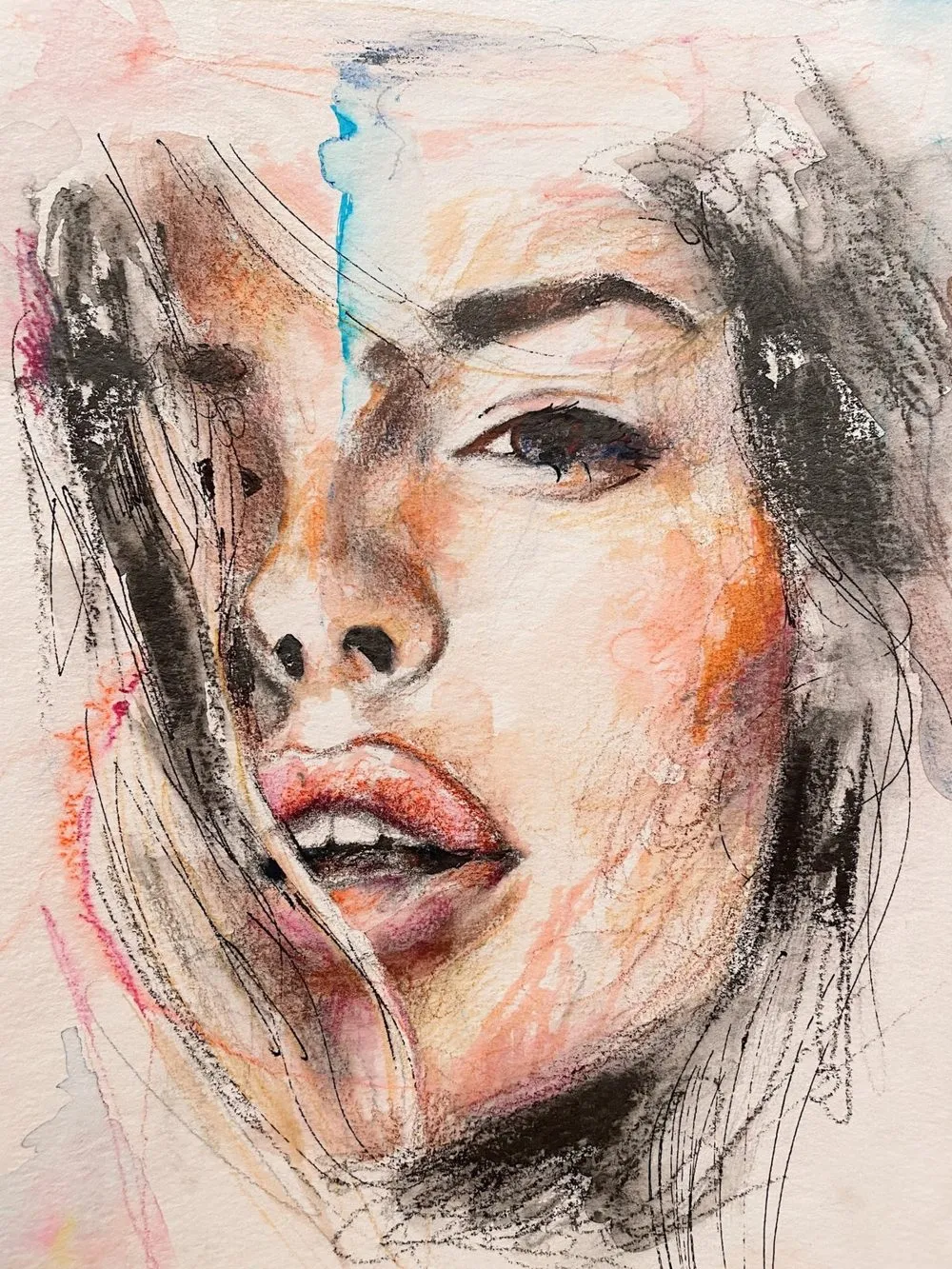
Mixed media art means combining two or more materials in a single piece. The core techniques are layering, collage, image transfers, and combining wet and dry media on a sturdy ground. That is the whole foundation. Everything else is variation. Once you understand those four moves and the two habits that hold them together, building texture early and sealing between layers, you can make rich, durable work from your very first attempt. You do not need a trained hand or a full studio. You need a rigid surface, a few materials, and the willingness to build in stages instead of all at once.
This guide walks through each technique, the supplies that actually matter, and the most common ways a mixed media piece goes wrong, so you can avoid them before they happen. If you are brand new to the whole idea and want the foundations explained slowly, start with what is mixed media art and how do you use it. Otherwise, keep reading, because the techniques themselves are simpler than they look.
What is mixed media art, briefly?
Mixed media art is any single piece that combines two or more different materials or techniques. A drawing with collaged paper worked into it is mixed media. Acrylic paint over a photo transfer is mixed media. Ink, pastel, and gesso layered on one panel is mixed media. The defining idea is intentional combination: you are choosing materials that do something together they could not do alone, and you are stacking them in a deliberate order. It is one of the most forgiving ways to make art, because each new layer can cover or transform what came before. For the fuller explanation, with examples and history, read what is mixed media art and how do you use it.
What are the core mixed media techniques?
The core techniques are a small set, and you will use most of them in almost every piece. Learn these six and you have the vocabulary for nearly anything you want to make.
Layering. This is the heart of mixed media. You build a piece in stages, one material on top of another, letting each layer influence the next. A wash of color, then a drawn line, then a torn paper shape, then more paint that ties it together. Layering is what gives mixed media its depth, and it only works when you let go of finishing in a single pass.
Collage. Gluing down paper, fabric, photographs, book pages, or printed images is the most recognizable mixed media move. Collage adds instant texture, pattern, and content. You can build an entire piece from collage alone, or use one collaged element as an anchor and paint around it.
Image transfers. A transfer lifts a printed image off its paper and onto your surface, leaving just the ink in a soft, slightly distressed form. The common method uses gel medium: you coat the print, press it face down onto your surface, let it dry, then rub away the paper backing with a damp finger. Transfers give you photographic detail without the weight of glued-down paper.
Combining wet and dry media. Mixed media really opens up when you stop separating your materials by category. Draw with charcoal, then paint over it. Lay down acrylic, then work back into it with pastel or colored pencil once it dries. The interplay between wet and dry is where a lot of the surprise and richness lives, as long as you respect the order, which the next section covers.
Texture and grounds. Before you add color, you can build a surface that has tooth and dimension. Gesso, modeling paste, and gel mediums create a ground that grabs everything you put on top and adds physical texture you can feel. Many strong mixed media pieces are built on a textured ground laid down in the very first stage.
Sealing between layers. This is less a technique than a habit, but it is the one that separates work that lasts from work that smears. A thin coat of gel medium or matte medium between stages locks each layer so the next one has a stable surface to grab. Seal after a transfer, seal before adding a vulnerable dry material on top of wet color, and seal at the end to protect the whole piece.
What materials and surfaces do you need to start?
You need less than you think. The instinct to buy a little of everything is the fastest way to stall before you begin, so keep your first kit honest and small.
Start with a rigid or primed surface. This matters more than any other single choice. A wood panel, a sheet of heavy mixed media paper, or a primed canvas board can take weight and moisture without warping. The reason thin paper fails is simple: when you add wet media or glue, the fibers swell unevenly and the sheet buckles into ripples that never fully flatten. Either choose a heavier paper rated for mixed media, or mount your paper to a board before you start so it cannot move.
Next, gather a few wet and dry media. You do not need a complete set of anything. A small range of acrylic colors, a couple of brushes, a stick of charcoal or a few colored pencils, and maybe a pad of pastels is plenty to learn the interplay. The point is to own at least one wet material and one dry material so you can practice combining them.
Then get an adhesive and medium, and in mixed media these are often the same jar. Gel medium glues down collage, carries image transfers, builds texture, and seals between layers, all from one container. A bottle of archival PVA glue or matte medium covers anything gel medium does not. Choose acid-free, archival products where you can, because cheap glue yellows and lets layers separate over time. If you want concrete projects to point this kit at once you have it, browse mixed media art ideas for starting points.
How do you keep a mixed media piece from turning muddy or falling apart?
Two problems sink most early mixed media work: the color goes muddy, and the layers do not hold. Both are fixable with a few simple habits.
Muddiness is almost always too many colors mixing where they should not. Limit your palette to a few colors that already work together and resist adding more. When colors blend wet into wet across a whole surface, they gray each other out into a brown sludge. Keeping your palette tight means even your accidents stay harmonious.
Let each layer dry fully before adding the next. This is the single most common mistake, and the most boring to fix, because the answer is patience. Working into a layer that is still wet drags up the color underneath and smears your edges. Give acrylic and medium real time to set, and your layers stay distinct instead of bleeding together.
Seal between layers so the next material has something stable to grab. A thin coat of gel or matte medium over a finished stage means the wet media you add next cannot lift or move the work beneath it. This is especially important after an image transfer and before adding any delicate dry material on top of paint.
Work light to dark, or build in deliberate stages. Muddiness is usually darkness that arrived by accident. When you keep your early layers lighter and add your darks intentionally and late, you stay in control of the whole value range instead of fighting your way back out of the mud. If you are drawn to looser, non-representational layering, the same logic carries straight into abstract painting techniques.
Use archival glue and seal the finished piece. A piece falls apart when cheap adhesive fails or when an unprotected surface gets handled and scuffed. Glue your collage down fully, with no lifting corners, and finish with a protective coat of medium or varnish so the whole thing holds together for years.
How do you start your first mixed media piece?
Keep your first piece small and treat it as an experiment, not a masterpiece. Here is a simple sequence that puts every core technique into practice in one sitting.
-
Prepare a rigid surface. Take a wood panel or a piece of heavy mixed media paper mounted to board. If you want texture, spread a thin layer of gesso or modeling paste and let it dry.
-
Lay down a base layer. Brush a loose wash of one or two acrylic colors across the whole surface. Do not aim for anything precise. You just want to kill the white and give yourself a ground to build on.
-
Add a collage element. Tear or cut one piece of paper, a book page, a photo, a scrap of pattern, and glue it down with gel medium, smoothing out the air bubbles. Let it dry.
-
Seal, then add a dry material. Brush a thin coat of gel medium over everything and let it set. Then work back in with charcoal, pencil, or pastel, drawing lines or marks that respond to what is already there.
-
Tie it together and seal it. Add a final pass of paint to connect your elements, keeping your palette tight so nothing turns muddy. When you are happy, let it dry fully and finish with a protective coat of medium.
That sequence alone teaches you layering, collage, combining wet and dry, texture, and sealing, every core technique in one small piece. Repeat it a few times with different materials and you will start to feel which combinations excite you.
The encouraging truth about mixed media is that it rewards experimentation more than perfection. Because every layer can cover the last, there is no single mistake that ruins a piece, which makes it one of the most freeing places for a beginner to start. Your job in the early going is not to make something frameable. It is to learn how these materials behave together, one panel at a time. As you build that fluency, your own combinations will start to feel like a voice, and you can read more on how to find your art style as it emerges. If you want a structured, supported way to begin, our free Two Week Challenge is built for exactly the beginner you are right now, and the rest of our mixed media collection is here whenever you want to keep going. Pick a surface, gather a few materials, and build your first layer today.
Frequently asked questions
What is mixed media art?
Mixed media art is any single piece that combines two or more different materials or techniques, such as acrylic paint with collaged paper, ink over a photo transfer, or pastel worked into a textured ground. The defining idea is intentional combination: you are choosing materials that do something together they could not do alone.
What are the most common mixed media techniques?
The most common techniques are layering, collage, image transfers, and combining wet and dry media on a sturdy surface. Beneath those sit two habits that hold a piece together: building texture and grounds early, and sealing between layers so each new material has a stable surface to grab and nothing lifts or smears later.
What surface should you use for mixed media?
Use a rigid or primed surface that can take weight and moisture without warping. Wood panels, heavy mixed media paper, and primed canvas board all work. Thin paper buckles the moment you add wet media or glue, so either choose a heavier weight or mount your paper to a board before you begin.
How do you keep mixed media from looking muddy?
Limit your palette to a few colors, let each layer dry fully before adding the next, and seal between layers so wet media cannot drag up the color underneath. Working from light to dark, or building in deliberate stages, keeps your darks intentional instead of accidental, which is what muddiness usually is.
Can a beginner start with mixed media?
Yes. Mixed media is forgiving because layers cover earlier mistakes, and you do not need expensive supplies to begin. Start with one rigid surface, a couple of wet and dry materials, and a jar of gel medium, then build a few layers and seal as you go. Your first piece is for learning how the materials behave.
What to practice this week
- Build a simple three-layer panel: a textured ground, one collaged element, and a layer of paint worked over both, sealing with gel medium between each stage.
- Take one drawing you have already made and add a single new material on top, ink, pastel, or a torn paper shape, just to feel how two media interact.
- Make a small test board where you deliberately combine wet over dry and dry over wet, so you learn which order smears and which order holds.
Supplies used
About the author
More from Elli