Oil Pastels vs Chalk Pastels: The Real Differences and How to Choose
They look like cousins in the art store bin, but they behave like opposites in your hand. Here is how oil pastels and soft chalk pastels actually differ, and which one fits the way you want to work.

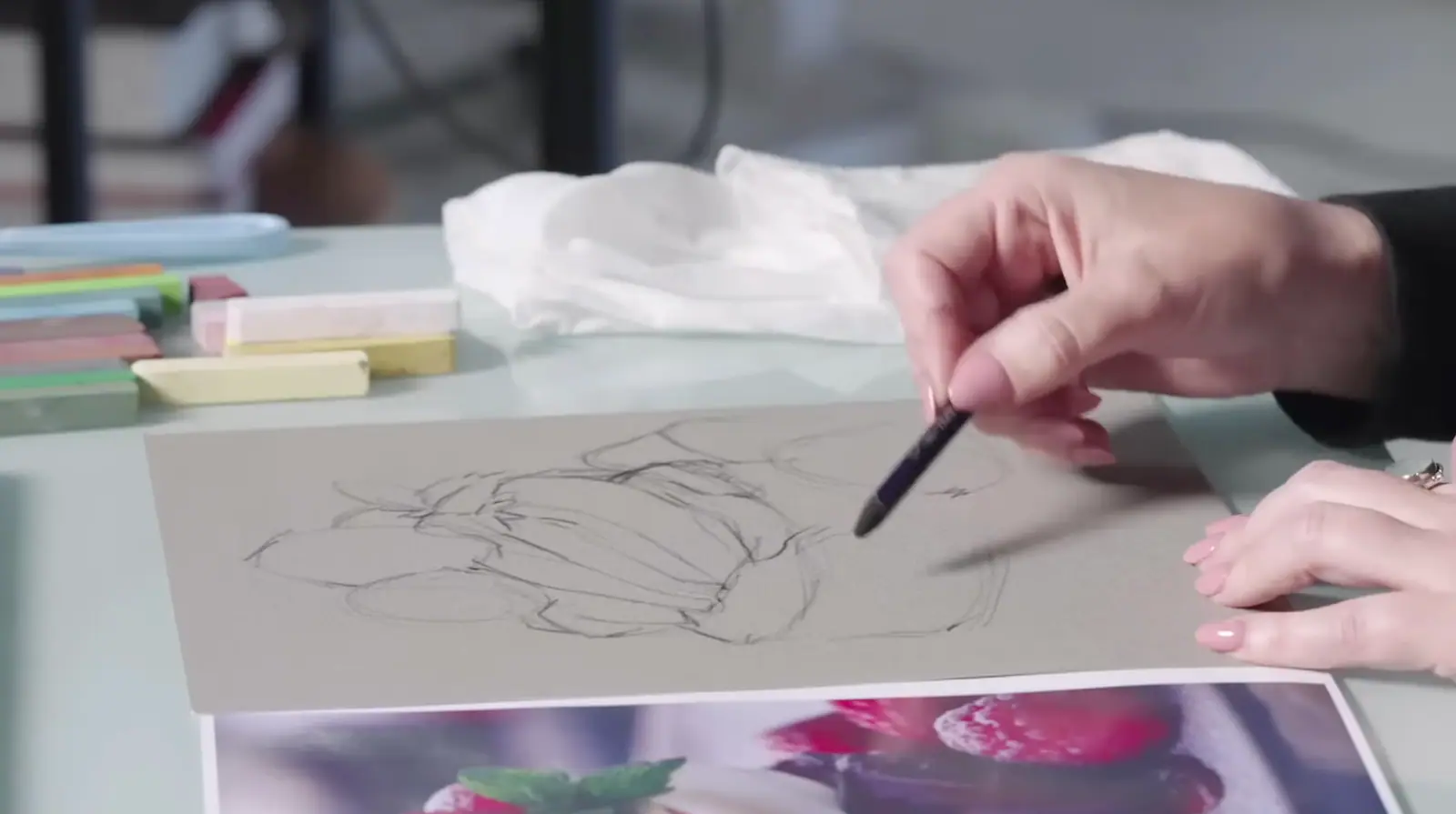

Oil pastels and soft chalk pastels look like cousins in the bin, but in your hand they behave like opposites. Oil pastels are creamy, dense, and opaque, so they sit on the surface like thick paint and reward bold, confident marks. Soft chalk pastels are powdery and light, so they blend, smudge, and layer into soft transitions and glowing color. Neither one is better than the other. The right choice is the one that fits the work you actually want to make, and once you understand how each behaves, that choice gets easy.
Here is the thing most people miss when they stand in the art aisle: the difference is not really about color, it is about binder. Oil pastels are held together with oil and wax. Soft chalk pastels are held together with a light gum and are almost pure pigment. That single fact decides how each one feels, blends, layers, and saturates. Get the binder, and you get the medium.
What is the difference between chalk pastels and oil pastels?
The core difference between chalk pastels and oil pastels is texture, and texture comes straight from the binder. Oil pastels feel rich and substantial. Chalk pastels feel soft and weightless. Everything else, the way they blend, the way they layer, the way the color reads, flows out of that one contrast.
Oil pastels are rich, creamy, and dense. When you draw with them you feel resistance and glide at the same time. The experience is bold and painterly, a lot like pushing thick paint directly onto a surface. Many artists love the physicality of oil pastels because the marks feel deliberate and substantial, almost sculptural.
Soft chalk pastels have a powdery, velvety texture. They deposit pigment lightly and quickly, and they respond the instant you change pressure. The experience is softer and more sensitive, which lets you work intuitively and make fast adjustments as you chase form and color across the page.
How does mark making differ between oil and chalk pastels?
Oil pastels make confident, opaque marks while chalk pastels make subtle, blendable ones. If you want a stroke that lands strongly and stays put, reach for oil pastels. If you want a stroke you can soften, smudge, and dissolve into its neighbors, reach for chalk pastels.
Oil pastels encourage expressive, decisive mark making. Their opacity lets a mark sit strongly on the surface even when it crosses an existing layer. That makes them ideal for artists who love visible strokes, bold shapes, and a sense of immediacy, the kind of work where you can read every gesture.
Soft chalk pastels excel at subtlety. They are made for gradual transitions, atmospheric effects, and nuanced edges. Because the pigment smudges, layers, and softens so easily, artists reach for chalk to explore light, value, and delicate color shifts, the quiet passages where one tone melts into the next.
Which pastel blends and layers more easily?
Soft chalk pastels blend and layer with almost no effort, while oil pastels blend deliberately and with your hands. Both can build depth, but the process feels completely different, and that difference often decides which medium suits you.
Blending with oil pastels is direct and hands on. You merge colors with a finger, a blending tool, or another layer of pastel pushed firmly on top. The process is tactile and intentional, and it pays you back with rich mixtures and strong color relationships. You are working the surface, not coaxing it.
Soft chalk pastels blend effortlessly. You can layer colors lightly to build depth or pass a finger over them for a smooth transition. On textured paper, the layers catch the tooth of the surface and create luminous, glowing effects that feel alive and spontaneous. This is exactly the quality that drew historical masters to the medium. Degas, for one, built his shimmering dancers and bathers entirely in soft chalk pastel, layering pass over pass to get that lit-from-within glow. If that atmospheric, light-filled look appeals to you, you will see its lineage in how to paint like an Impressionist.
Which pastel has stronger color and visual impact?
Oil pastels deliver the most intense, saturated color out of the stick, while chalk pastels build their richness through optical mixing. Both can be vivid, but they get there by opposite routes.
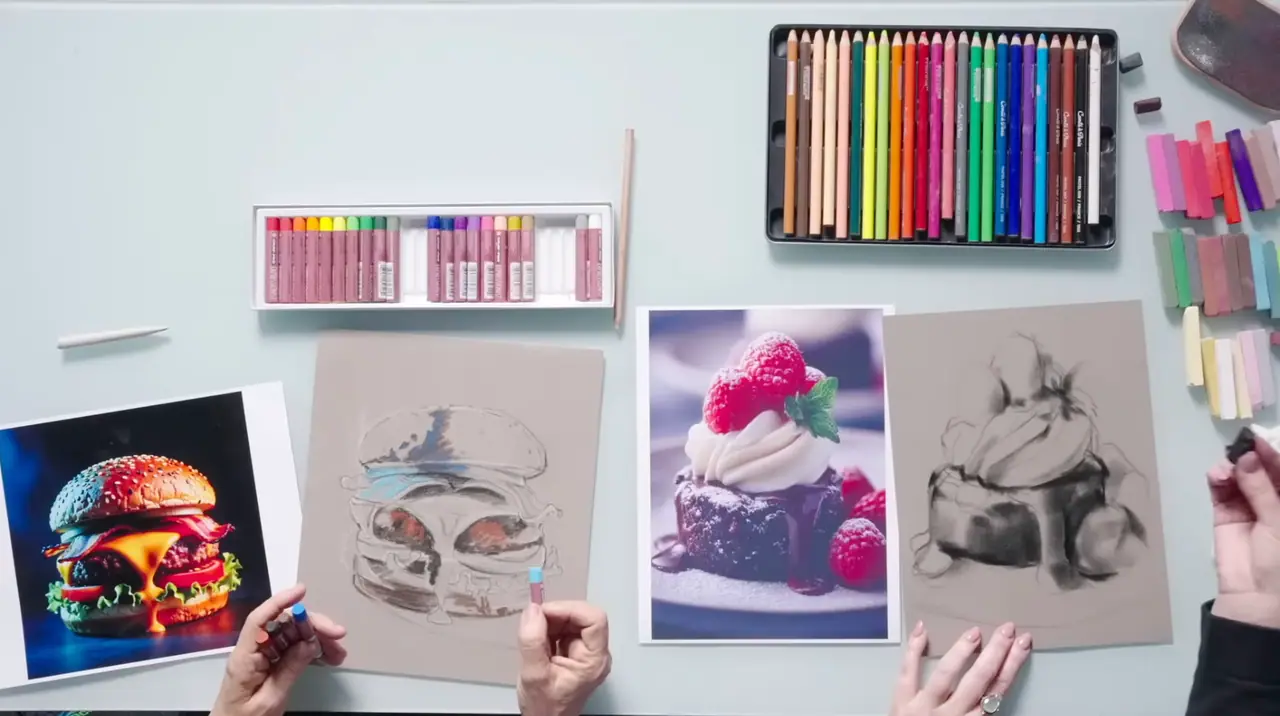
Oil pastels are known for intense color saturation. The pigment stays vivid and bold, which makes them especially appealing for artists drawn to strong color statements and graphic compositions. What you lay down is close to what you see.
Soft chalk pastels can be just as vibrant, but their real strength is optical mixing. By layering colors and letting them interact visually on textured paper, you create complex, glowing relationships that feel light-filled and atmospheric. The eye does some of the mixing for you, and the result reads as luminous rather than flat.
How do oil and chalk pastels differ in speed and workflow?
Oil pastels slow you down in a productive way, while soft chalk pastels are built for speed and exploration. The pace each one sets is a real, practical difference, not a minor one, and it shapes the kind of work you make.
Oil pastels encourage thoughtful placement and intentional layering because of their thickness. That deliberate pace helps artists who want to focus on structure, composition, and strong design choices. You commit to a mark, so you tend to think before you make it.
Soft chalk pastels are excellent for speed and exploration. You can block in large areas of color fast, test ideas, and adjust a composition with ease. That makes them ideal for studies, concept work, and expressive experimentation, the sketchbook end of the process where you are thinking on the page.
How do you choose the right pastel for you?
Choose by the work you want to make, not by which medium is objectively better, because neither one is. Each pastel supports a different creative mindset, and the honest answer is that the best one is the one that pulls you back to the table.
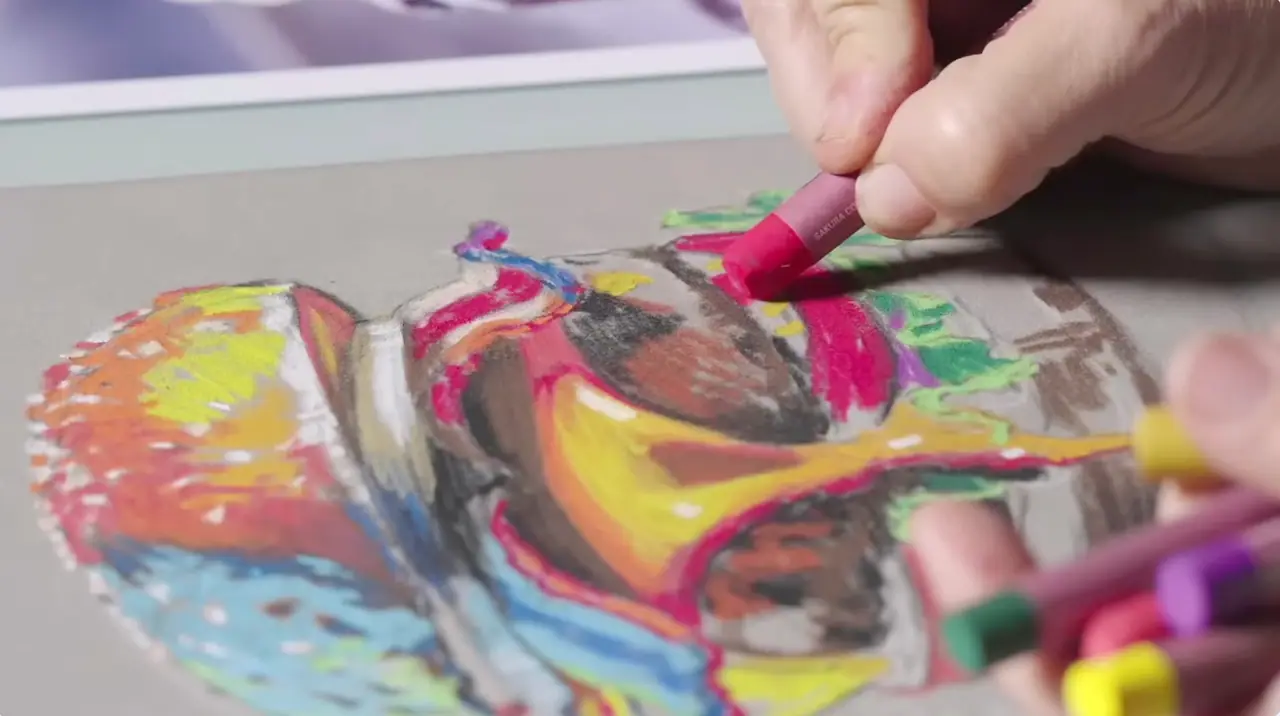
Oil pastels reward boldness, physical engagement, and painterly confidence. Reach for them when you want substantial marks, strong color statements, and a process that feels like painting with a stick. Soft chalk pastels invite sensitivity, layering, and a heightened awareness of light and color. Reach for them when you want soft edges, atmospheric blends, and quick, exploratory studies.
Here is the part worth remembering. The right choice is the one that excites you and keeps you curious. When a material makes you want to keep working, experimenting, and asking questions, it stops being a tool and becomes a teacher. You do not have to pick only one, either. Many artists keep both on the table and even bring them into mixed media work, which is its own rich path worth exploring in what mixed media art is and how to use it and the layering ideas in mixed media art techniques.
If you are just getting comfortable with pastels, do not overthink your setup. A single oil pastel and a single chalk pastel, on a sheet of textured paper, will teach you more in twenty minutes than any chart can. When you are ready to think about surfaces in earnest, how to choose a canvas covers what tooth and ground do for pastel and paint alike. And if you want a guided, structured way to actually build skill instead of just reading about it, the free Two Week Challenge walks you through making real work with expert feedback.
Whichever way you go, exploration is where the learning starts. Pick up a stick, make a bold mark and a soft one, and let the material show you which direction you want to head. The rest of the mixed media collection is here when you want to keep going.
Frequently asked questions
What is the difference between oil pastels and chalk pastels?
Oil pastels are bound with oil and wax, which makes them creamy, dense, and opaque, so they sit on the surface like thick paint and resist easy blending. Soft chalk pastels are bound with a light gum, so they are powdery and velvety, deposit pigment quickly, and blend, smudge, and layer with almost no effort. The binder is the whole story: oil pastels are about boldness and body, chalk pastels are about softness and light.
Which is better for beginners, oil pastels or chalk pastels?
Both are beginner friendly, but they teach different things. Oil pastels are forgiving in the sense that the marks stay where you put them, which helps you commit to confident shapes and bold color. Soft chalk pastels reward a lighter touch and quick adjustment, which trains your eye for value and soft transitions. Start with whichever excites you more, since the one you enjoy is the one you will actually practice.
Can you blend oil pastels like chalk pastels?
You can blend oil pastels, but it feels different. Because they are creamy and dense, you blend them directly with a finger, a tool, or another layer of pastel pushed on top, and the process is tactile and intentional. Soft chalk pastels blend almost on their own: a light pass of a finger or a soft brush melts colors into smooth gradients. Chalk pastels blend effortlessly, oil pastels blend on purpose.
Did Degas use oil pastels or chalk pastels?
Degas worked extensively in soft chalk pastels, not oil pastels. He layered and fixed chalk pastel in repeated passes to build the glowing, atmospheric color and soft edges his dancers and bathers are known for. Oil pastels as we know them were not widely available in his era, so the luminous pastel surfaces in his work come from soft chalk pastel technique.
Are oil pastels and chalk pastels the same as crayons?
No. A crayon is mostly wax with a small amount of pigment, so it lays down waxy, low-saturation color. Oil pastels carry far more pigment in an oil and wax binder, so they are richer, softer, and far more painterly. Soft chalk pastels are nearly pure pigment held together with a little binder, so they are the most intensely colored of the three and behave nothing like a crayon.
What to practice this week
- Draw the same simple shape twice, once in oil pastel and once in chalk pastel, then compare how each one feels under your hand and how the mark sits on the paper.
- Take one soft chalk pastel color and build a smooth value scale from light to dark by layering and blending, to feel how easily it transitions.
- With oil pastels, layer one bold color directly over another without blending, so you can see how opaquely the top mark covers the layer beneath.
Supplies used
About the author
More from Elli