What Is Mixed Media Art? Materials, Layering, and How to Start
Mixed media simply means more than one material in a single artwork, and learning to layer those materials correctly opens more creative doors than any one medium can.
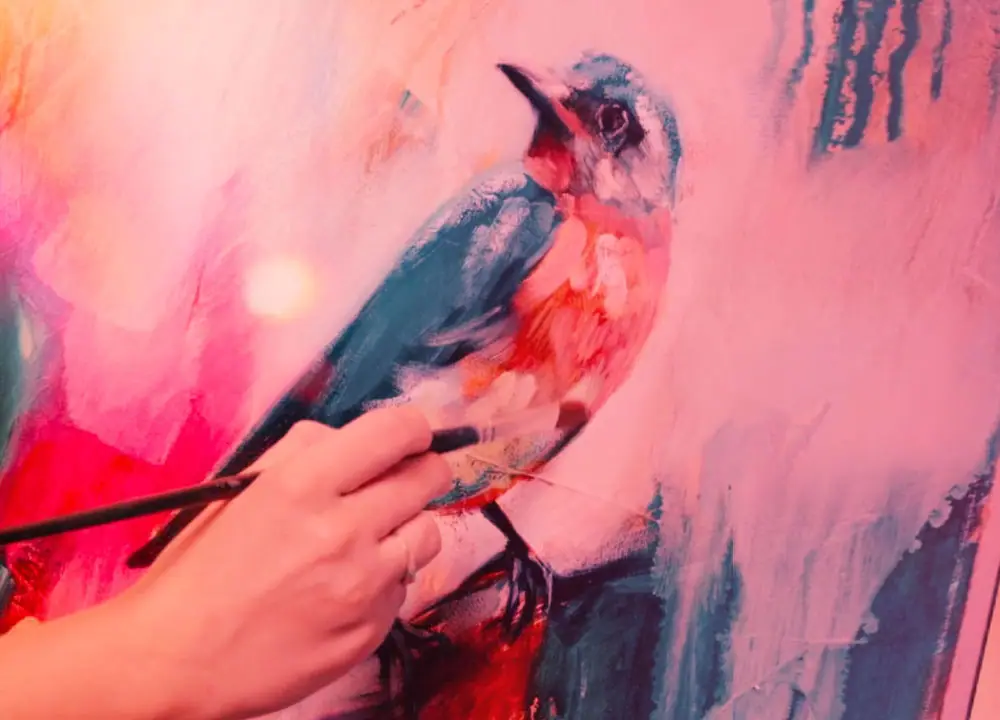
Mixed media art is any artwork that combines more than one medium or material in a single piece. Draw a bird in charcoal, paint over it in acrylic, press a strip of old sheet music into the wet paint, and you have made mixed media. The term covers everything from layered paintings and art journals to assemblages built around found objects.
That breadth is the whole appeal. Working in more than one medium shakes up your habits, pulls you past the edge of your comfort zone, and sharpens your artistic voice in a way that staying inside one material rarely does. This guide covers what mixed media means, the materials you can use, the one rule that governs layering them, and why this way of working is worth your time.
What does mixed media mean in art?
Mixed media means an artwork was made with two or more distinct materials instead of one. To unpack that, start with the word medium: a medium is simply the material an artwork is made from, such as oil paint, watercolor, charcoal, ink, or clay. Most traditional paintings stay inside a single medium. The moment a second one joins in, the work becomes mixed media.
So when a gallery label reads mixed media on canvas, it means the artist built the piece on a canvas support using several materials, often paint combined with drawing media, collage papers, or texture pastes. The label does not tell you which materials, only that there was more than one.
You will meet the term across many forms. There are flat, two-dimensional mixed media paintings and illustrations that pair ink with paint or pastel, and there are dimensional pieces that rise off the surface with fabric, paper, and found objects. One useful distinction: mixed media is not the same as multimedia. Multimedia usually describes work that includes time-based elements like video or sound, while mixed media stays in the world of physical materials you can touch.
What materials do you use for mixed media art?
Mixed media materials generally fall into three categories: dry unstable materials, stable materials that lock in place once dry, and applied textures and mediums. Knowing which category a material belongs to tells you when it can enter a piece and what it needs from you.
- Dry, loose, and unstable materials: charcoal, graphite, powdered pigments, pastels, and most drawing materials. These have a dry, powdery consistency, and they smudge, smear, or drip the moment water or another wet material touches them. That is why they are called unstable, and why they need sealing before anything wet goes over them.
- Stable materials: inks, wax crayons, China markers, paint markers, acrylic paint, oil paint, spray paint, and resin. Once these dry or cure, they stay intact when other materials are layered on top.
- Applied textures and mediums: fabric, papers, found objects, gloss gels, modeling paste, and crackle paste. This is the category collage lives in, and it is where mixed media gets physical. Texture is one of the seven elements of art, and no approach puts it within reach faster.
There is one more way to sort your materials, and it matters at cleanup time: by base. Acrylics and other water-based materials clean up with water. Oil paints clean up with solvent. Lacquer-based materials clean up with acetone. Knowing which family a material belongs to tells you what to layer it with and how to wash your brushes when the session ends.
How is mixed media different from collage?
Collage is one technique inside mixed media, not another name for it. A collage combines flat items such as paper, fabric, and photographs into a two-dimensional piece. Mixed media is the wider category: any artwork built from multiple visual materials, whether it stays flat or grows into three dimensions. Every collage that mixes materials counts as mixed media, but plenty of mixed media art involves no collage at all.
The two get confused because they overlap so often. A painting with collage papers buried under glazes of acrylic is both at once. If you remember that collage describes a technique and mixed media describes the whole work, the labels sort themselves out.
How do you layer mixed media art?
One rule governs the entire process: water-based materials go down first, and oil-based materials go on last. Water-based material will not stick to oil, so the order only works in one direction. Hold onto that rule and everything else is detail.
Here is the working order in practice:
- Start with your mark-making layer. Charcoal, graphite, ink, pastel, markers. This is where the loose, energetic drawing happens, while the surface can still take anything.
- Seal anything unstable. A workable spray fixative or a thin layer of clear gel locks dry media in place so the next layer does not smear your drawing into mud.
- Build your water-based layers. Acrylic paint, collage papers adhered with gel, modeling paste, crackle paste. Add as many of these layers as the piece asks for.
- Finish with oil. Oil paint and other oil-based materials always come last, sitting on top of everything water-based beneath them.
One special note if you work on paper: seal it before any oil paint touches it. Two coats of gesso, a layer of gloss gel, or modeling paste will do the job. Skip this step and the oil will slowly break down the fibers, and your paper will eventually rot.
If the behavior of the two big paint families still feels fuzzy, the five key differences between acrylics and oil paint is a good companion read before your first layered piece.
What are the benefits of creating mixed media art?
The first benefit is creative freedom. Keep water-based first and oil-based last in mind, and you can follow a piece wherever it wants to go, no full plan required. Each layer suggests the next one. You respond instead of executing, and the finished work carries that spontaneity in it.
With that freedom comes a flood of new ideas. If you feel bored or blocked, an afternoon of mixed media is one of the most reliable ways back into the work, because a new material asks new questions of you. This is also why mixed media pairs so naturally with abstract painting techniques, where layering and texture carry as much meaning as imagery.
Mixed media also trains you to see materials everywhere. You start saving concert ticket stubs, old letters, scraps of lace, pages from water-damaged books. And there is real delight on the other side of that habit: a viewer leans in close, then exclaims that those are actual ticket stubs in the painting. The materials carry stories your brush alone cannot tell, and that specificity helps your work stand apart from the noise.
And one more benefit, the honest one: it is fun. Few things in the studio feel as playful as pressing paper into wet paint to see what happens.
Frequently asked, answered fast
If you have been circling the same medium for years, take this as your invitation. Pull out the charcoal, the acrylics, and that drawer of saved papers, and let one layer lead to the next. There is more to explore in our mixed media hub, and if you want guided practice with feedback from working artists, the 2-Week Challenge is a friendly place to begin.
Frequently asked questions
What does mixed media on canvas mean?
It means the artwork was made on a canvas support using more than one material. A typical example is a canvas that combines acrylic paint with charcoal drawing, collage papers, or texture paste, sometimes finished with oil paint on top.
What is the difference between mixed media and collage?
Collage is one technique within mixed media. A collage combines flat items like paper and fabric into a two-dimensional piece, while mixed media covers any artwork that combines multiple materials, flat or dimensional, with or without collage.
Can you use oil paint over acrylic in mixed media?
Yes, and that is the correct order. Acrylic and other water-based materials go down first, and oil-based materials go on last, because water-based layers will not stick on top of oil.
Do you need special supplies to start mixed media art?
No. Two materials you already own are enough to begin, like charcoal and acrylic paint. A workable spray fixative or clear gel for sealing dry media is the only extra worth adding early.
What to practice this week
- Make a test sheet: lay down marks in charcoal, graphite, pastel, and ink, then brush clean water across them to learn firsthand which materials stay stable and which ones move.
- Build one small layered study on canvas or sealed paper: dry media first, a coat of fixative or clear gel, then acrylic on top.
- Start a found materials box. Collect ten flat treasures this week (tickets, sheet music, fabric scraps, handwritten notes) that you could press into a future piece.
Supplies used
About the author
More from Dimitra