25 Acrylic Painting Tips to Improve Your Skills (From Working Artists)
Acrylics forgive almost every mistake. These 25 tips cover the supplies, techniques, and habits that turn fast-drying paint into your advantage.

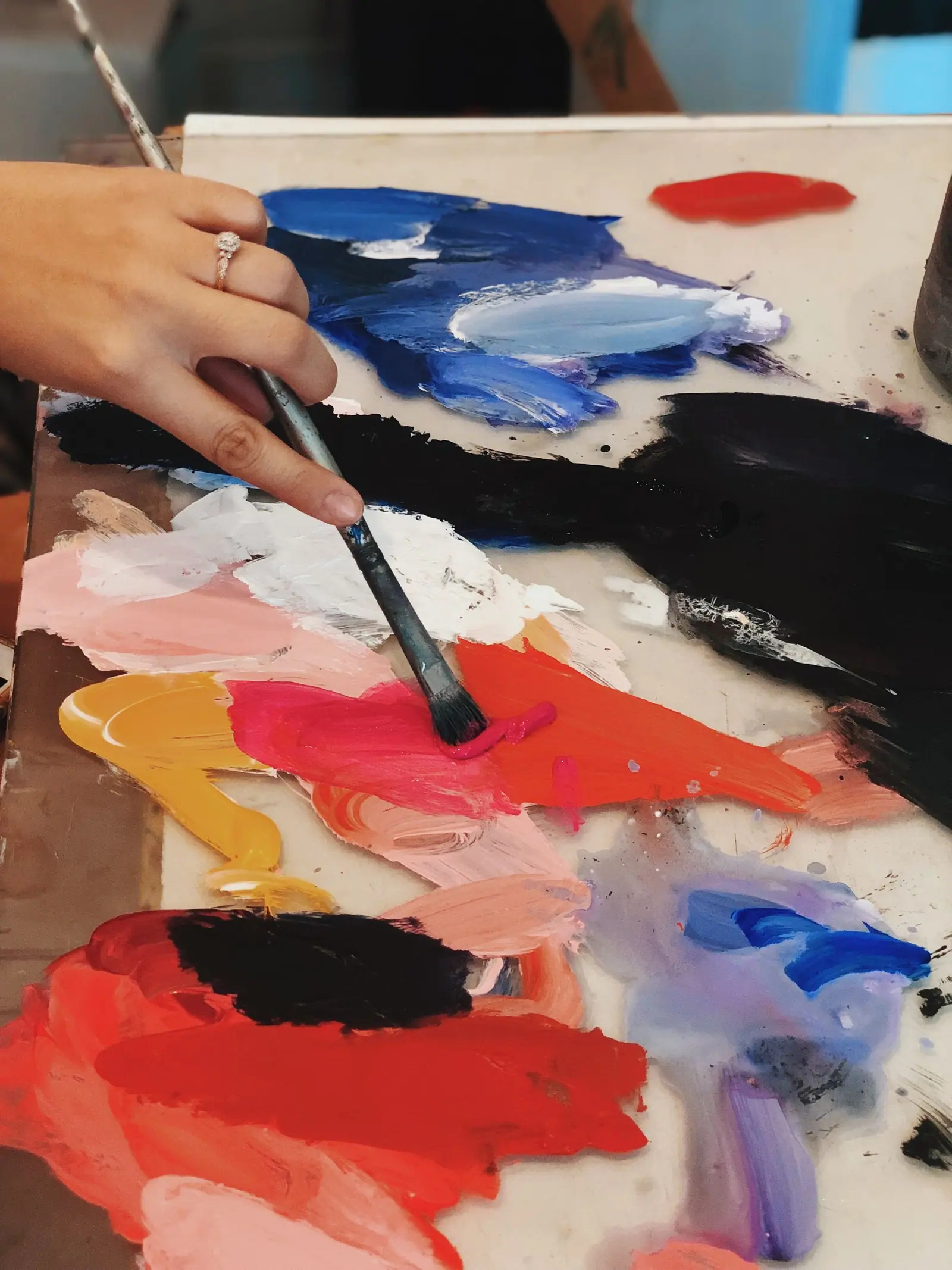
Most acrylic paintings are not ruined by a lack of talent. They are ruined by avoidable habits: chalky student-grade paint, brushes stiff with yesterday’s color, mud mixed on a crowded palette, and passages that dried before they could blend. Every one of those problems has a fix you can learn.
Acrylics are the most forgiving medium you can pick up. They dry quickly, layer endlessly, and adhere to almost any surface. They are water-soluble while wet and water-resistant once dry, which makes them ideal for experimenting without the long waits that come with oil paint. The 25 tips below cover supplies, drying time, core techniques, and the practice habits that separate artists who improve from artists who plateau.
What supplies do you need to paint well with acrylics?
You need artist-grade paint, a few well-kept brushes, a primed surface, and a clean palette. Quality matters more than quantity, and how you care for your tools matters as much as what you buy.
- Start with quality supplies. Cheap materials limit a painting before the first stroke. Student-grade paint carries less pigment, thin canvases warp, and worn brushes fight you on every pass. Quality artwork is archival, built to the standards museums and serious collectors expect, so invest in the best materials you can afford.
- Experiment with surfaces. Canvas and canvas board are the standards, but acrylics also adhere well to wood, paper, and even glass. Whatever you choose, prime it with gesso or modeling paste first. A primed surface is not thirsty, so it takes less paint to cover and lets your brush glide instead of drag.
- Take care of your brushes. Acrylics dry fast enough to ruin a brush in one neglected session. Rinse thoroughly in water while you work, wash with gentle soap afterward, and store brushes with the bristles facing up so they hold their shape. The right brush matters too, and our guide to the best brushes for acrylic painting will help you choose.
- Keep your palette clean. A cluttered palette breeds muddy color. Wipe it down regularly during a session, and consider a glass or disposable palette for fast cleanup. A wet palette keeps your mixes moist longer and wastes less paint.
- Organize your workspace. A studio that supports you makes every session more productive. Put tools where your hands expect them, and treat the space as a sanctuary built for creating.
Your art is more than a creative work. It is a legacy.
How do you keep acrylic paint from drying too fast?
Mist your palette with water, mix in a slow-drying medium, or work on a wet palette. Fast drying is acrylic’s greatest strength for layering and its biggest frustration for blending, especially in dry climates, so build a few habits that extend your working time.
- Keep the paint moist. Keep a spray bottle within reach and lightly mist your palette and canvas as you work. A slow-drying medium mixed into the paint buys you even more blending time.
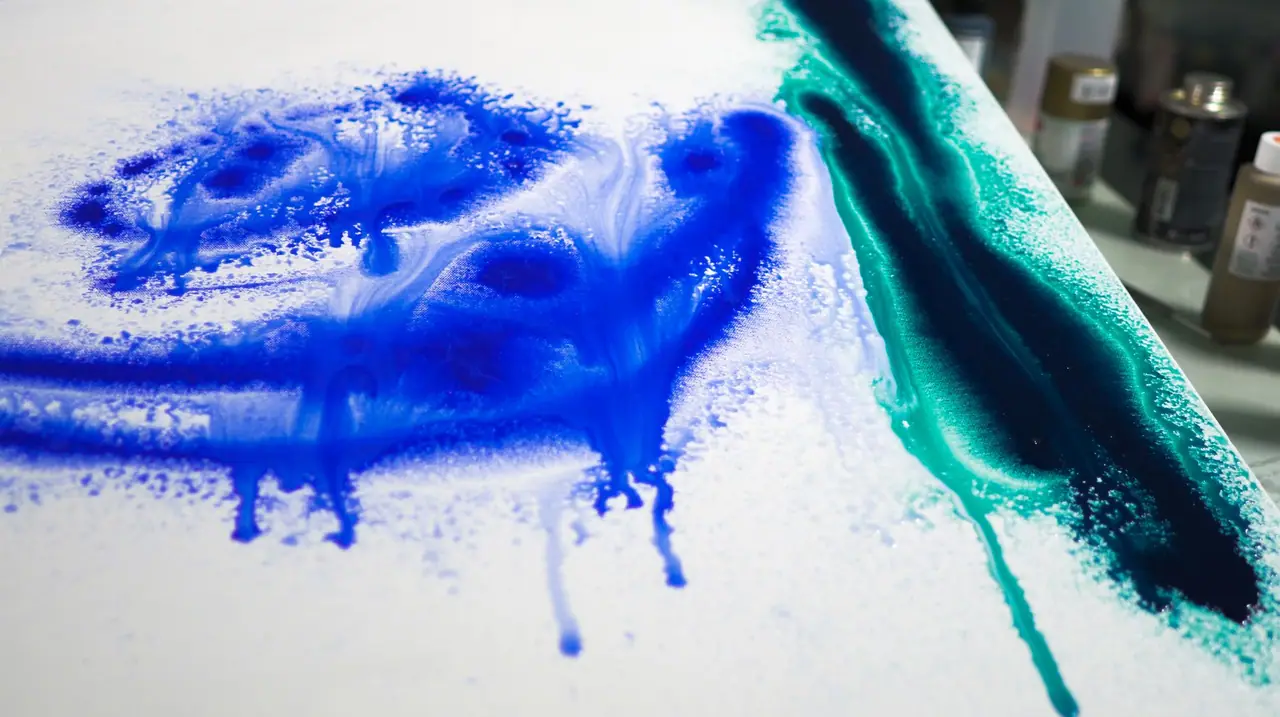
- Learn what mediums can do. Mediums change the texture, finish, and drying time of acrylic paint. Gloss medium adds shine and transparency, matte medium flattens the finish, modeling paste gives the paint body for impasto, and retarder slows drying so blending stays easy.
Which acrylic painting techniques should you learn first?
Start with a light sketch, a limited palette, and layers built from thin to thick. Those fundamentals carry more paintings than any special effect ever will.
- Sketch first. A light pencil or chalk sketch maps your composition and guides the first layers of paint. Treat it as a blueprint rather than a constraint, and never worry about painting over it.
- Master color theory. Learn to mix your own colors from three to five tubes. Create shades with complementary colors, and adjust value with white or with black rather than reaching for both at once. Owning your mixes gives you complete control of your palette.
- Use a limited palette. A small set of colors pushes you deeper into mixing and gives the finished painting natural harmony. The constraint frees you: it teaches simplicity and the impact of well-chosen color.
- Work in layers. Begin with thin washes to place the composition, then build up thicker paint for texture, depth, and detail. Acrylic’s fast drying makes layering nearly effortless, from transparent glazes to heavy impasto.
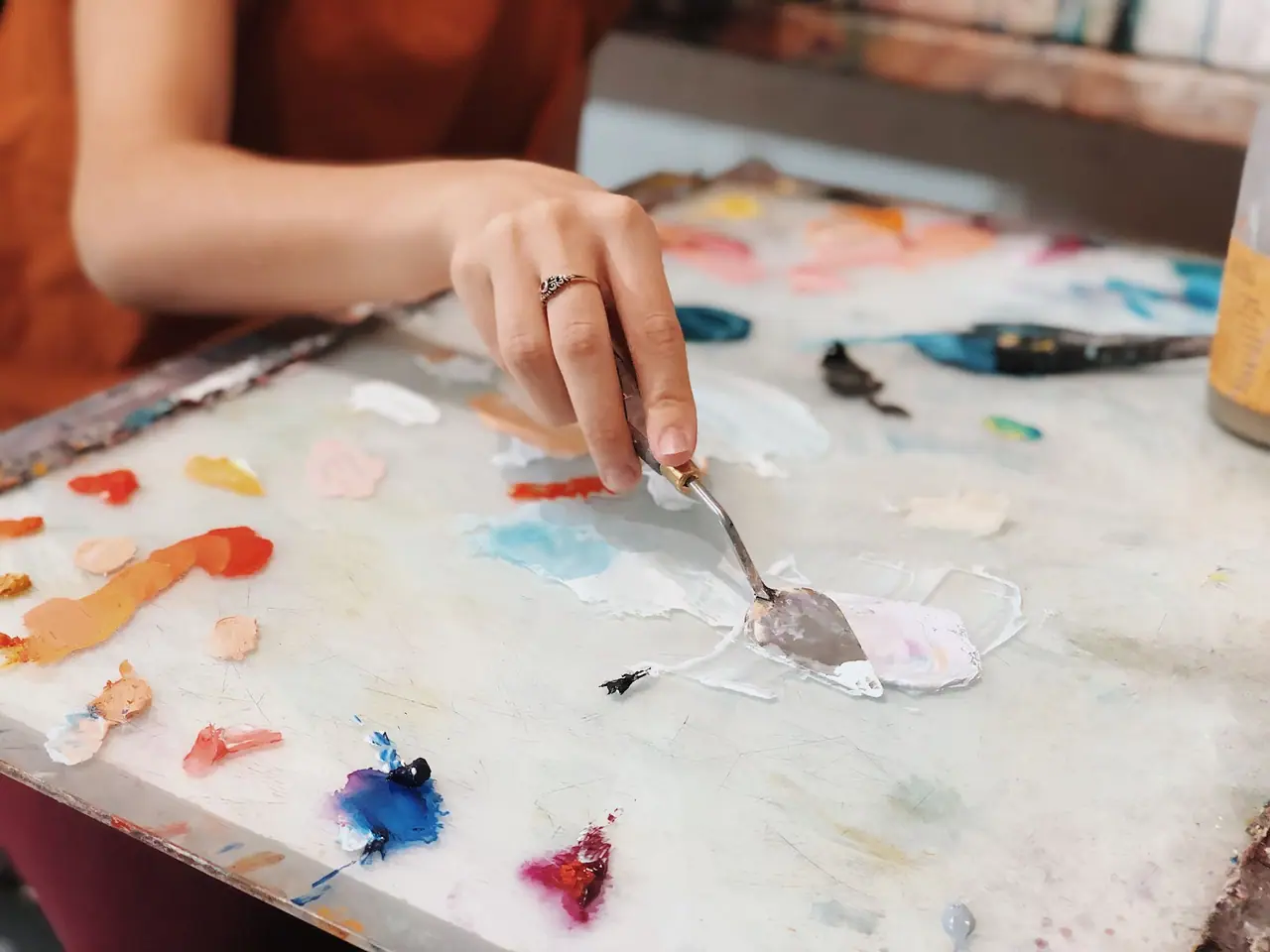
- Explore acrylic-specific techniques. Washing applies a thin, watered-down layer for a translucent effect (learn how to thin acrylic paint properly first). Glazing lays transparent color over a dry layer to shift its tone. Dry brushing drags a nearly dry brush across the surface for broken texture. Palette knife painting builds bold strokes and ridges. Then go beyond tradition: mix sand into the paint for texture, drag an old card or comb through wet color, or apply paint with sponges and your fingers.
- Build the fundamentals. Basic shapes, forms, and brushstrokes are the building blocks of every ambitious painting. Spend time learning how acrylics behave on your surface, and ground yourself in composition, value, and light before chasing complexity.
How do you improve your acrylic painting skills?
Consistent, deliberate practice improves your skills faster than anything else. Regular brush time pointed at a specific weakness beats an occasional marathon session every time.
- Practice on a schedule. Even a few minutes a day compounds into real skill. Professional artists treat painting like full-time work, and prolific production is how both ability and style develop.
- Paint from life. Still life setups, landscapes, and portraits sharpen your observation of light, form, and color in ways photographs cannot. Painting outdoors adds spontaneity and teaches you how natural light actually behaves.
- Study the masters. Analyze the techniques, color choices, and compositional strategies of accomplished artists. Their finished paintings are free lessons hiding in plain sight.
- Learn from working artists. Tutorials, art books, and classes can save you years of trial and error. Watching a professional make decisions in real time teaches you things a finished painting never will.
- Record your process. Film a session or a time lapse, then watch it back with honest eyes. Do you hesitate before planting a brushstroke? Do you blendy-blendy-smoothy-smooth the life out of passages that were better left alone? The camera shows you what the easel hides.
- Set goals you can reach. Small, specific goals give your practice direction: complete a painting that uses glazing and dry brushing this month, or finish ten paintings in the next ninety days. Celebrate each one you hit, because acknowledged progress builds confidence.
How do you finish and protect an acrylic painting?
Seal a finished acrylic painting with a professional-grade varnish once it is fully dry.
- Varnish your finished work. Varnish shields the surface from dust, UV damage, and fading so the painting stays vibrant for decades. Most artists prefer a gloss finish on acrylics, though matte works if it suits the piece, and always choose an artist’s varnish rather than something from the hardware store. One practical note: photograph your art before varnishing, since a gloss surface adds glare under lights.
What habits keep you growing as an artist?
Treat mistakes as information, guard your creative energy, and stay connected to other artists. Skill grows fastest in an artist whose life supports the work.
- Embrace the learning curve. Every painting is practice and every mistake is information. Acrylics let you paint over almost anything, so take risks freely. The next layer forgives the last one.
- Balance critique with confidence. Stay open to constructive feedback, but trust your instincts and your vision. Growth asks for both humility and self-trust.
- Join an artist community. Other artists provide support, honest feedback, and the simple relief of being around people who understand the work. Online or in person, community keeps you painting through the discouraging stretches.
- Clear the clutter. Clutter is more than the pile on the desk. Mental clutter like fear and self-doubt, time clutter like obligations you never wanted, and relationships that drain you all block creative energy. Name what holds you back, then release it.
- Stay inspired by staying at work. Keep a sketchbook for spontaneous ideas, seek out new experiences, and remember that inspiration finds you working. A prolific artist is rarely an uninspired one.
Frequently asked, answered fast
Acrylics will forgive almost anything you do to them, which makes them the perfect medium for building these habits. Pick three tips and put them to work this week. When you want to go deeper, our painting techniques library covers every skill on this list, and the 2-Week Challenge will walk you through your first finished paintings with guidance from working artists.
Frequently asked questions
How do I keep acrylic paint from drying too fast?
Mist your palette and canvas lightly with a spray bottle, mix a slow-drying medium or retarder into your paint, and consider a wet palette. All three extend your working time so you can blend before the paint sets.
Do I need expensive paint to make good acrylic paintings?
You need artist-grade paint, which costs more than student-grade but carries far more pigment and meets archival standards. Cheap paint, warped canvases, and worn brushes limit a painting before the first stroke, so buy the best materials you can afford.
Should I varnish an acrylic painting?
Yes. A professional-grade acrylic varnish protects the finished surface from dust, UV damage, and fading. Most artists choose a gloss finish, though matte is available if it suits the work. Skip hardware store varnish entirely.
What is the fastest way to get better at acrylic painting?
Consistent practice beats occasional marathons. Paint regularly, even a few minutes a day, work from life, study artists you admire, and record your sessions so you can spot habits like hesitation and overblending.
What to practice this week
- Set up a limited palette of three to five colors plus white and complete one small study without adding any others.
- Record one painting session on your phone, then watch it back and note every place you hesitated or blended a stroke past the point of life.
- Pick one technique you have never tried (glazing, dry brushing, or palette knife) and test it on a cheap primed surface before using it in a finished painting.
Supplies used

About the author
More from Elli