Best Brushes for Acrylic Painting: Shapes, Bristles, and What Professionals Use
The brush in your hand shapes every mark you make. Choosing well comes down to a handful of decisions any artist can learn.

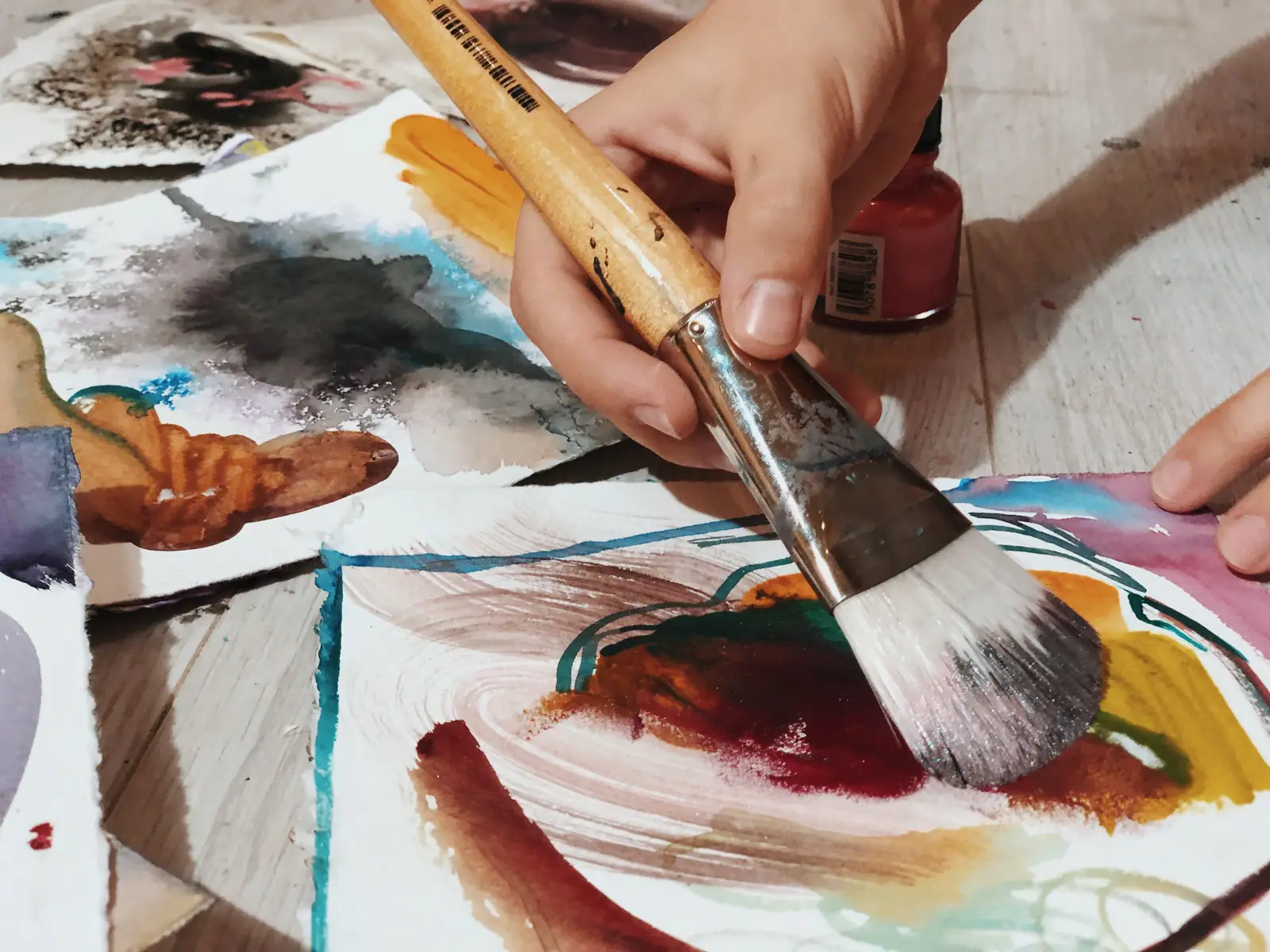
The best brushes for acrylic painting are quality synthetic brushes in a range of shapes and sizes, built to survive what acrylic demands: fast drying paint, constant rinsing, and bold handling. One favorite brush will never be enough. A small, deliberate kit of shapes and sizes changes what your hand can do more than almost any other purchase in your studio.
Each brush serves a unique purpose, and understanding those purposes turns the overwhelming wall at the art store into a short list. Seven things actually matter: bristle type, shape, size, quality, handle length, price, and the techniques you plan to use. Let’s walk through each one.
Should you choose synthetic or natural bristles for acrylics?
Synthetic bristles are the better choice for most acrylic painters. Made from nylon or polyester, they are resilient, hold their shape through session after session, and clean up easily. They give smooth, even strokes, which makes them ideal for detailed work, and they serve beginners and experienced artists equally well.
Natural bristles, sourced from animal hair such as hog, sable, or squirrel, hold more paint and create richer textures. They have a distinct feel on the canvas, and seasoned artists who want a high paint load and nuanced texture often prefer them. They also ask for gentler care, especially in a medium as hard on bristles as acrylic. If you work in both media, it helps to know how differently they treat a brush: the five key differences between acrylics and oil paint are worth understanding before you buy one set for everything.
Which brush shapes do you actually need?
Six shapes cover nearly everything acrylic painting will ask of you: round, flat, bright, filbert, angle, and fan.
- Round: the pointed tip gives you fine lines, precise detailing, outlining, and smooth washes. A true ally for sketching with paint.
- Flat: a square end with long bristles for bold strokes, filling large areas, and cutting crisp edges. Control and coverage in equal measure.
- Bright: like a flat but with shorter bristles, giving you extra control for short, deliberate strokes and tight spaces.
- Filbert: the rounded edge merges the best of flat and round. Essential for blending, soft edges, and varied strokes.
- Angle: slanted bristles for painting curves, angled shapes, and dynamic lines with precision and flexibility.
- Fan: spread bristles made for blending backgrounds, building texture, and painting elements like foliage and clouds.
Most artists are tempted to reach for the same favorite brush every time. Resist that pull. Working across a variety of shapes and sizes creates more dynamic and interesting paintings, because each shape makes marks no other shape can. And when no bristle gives you the texture you are after, put the brush down entirely: palette knife painting techniques open a whole different vocabulary of marks.
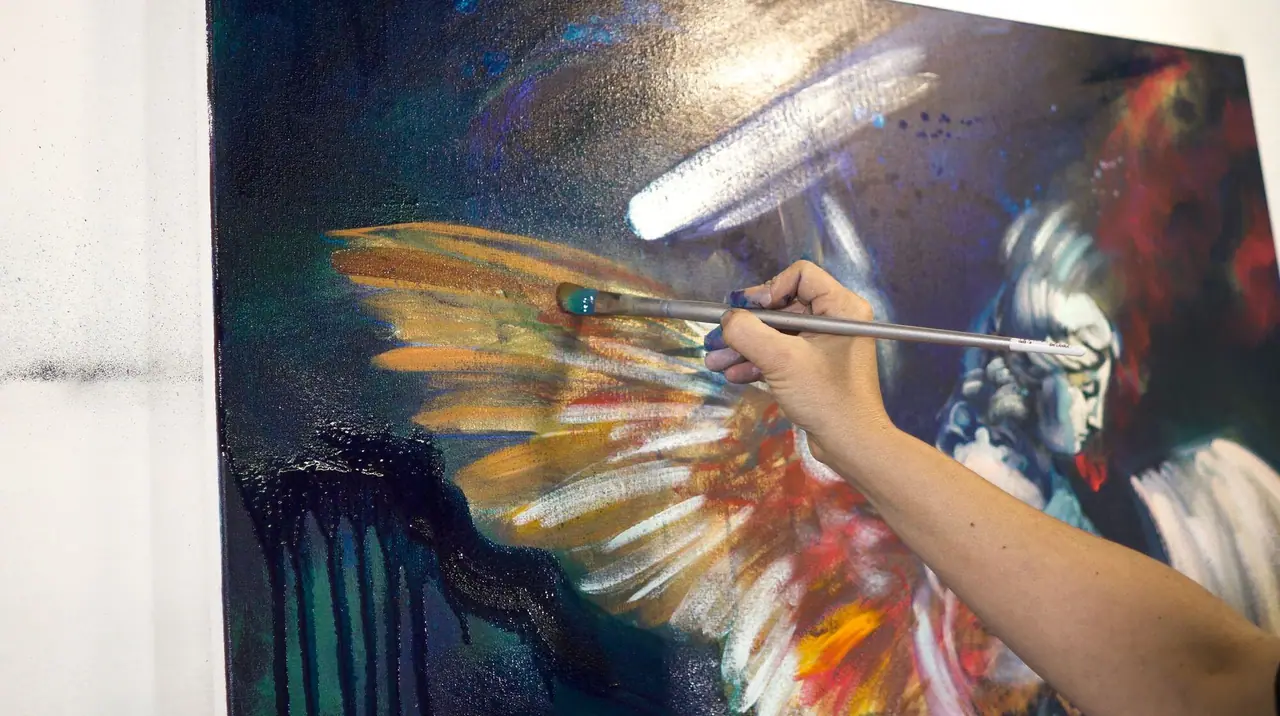
What is the best blending brush for acrylic painting?
A filbert is the best all-purpose blending brush for acrylics, and a fan brush is the best choice for blending backgrounds. The filbert’s rounded edge lets you marry two areas of color without leaving a hard line, which is why it earns a permanent spot in most kits. The fan’s spread bristles feather color softly, which suits skies, atmosphere, and foliage.
Acrylic dries fast, so blending rewards you for working while the paint is still wet and for keeping your color at a workable consistency. If your paint drags or leaves harsh streaks, learning how to thin acrylic paint will do as much for your blending as any brush.
What brush sizes and handle lengths should you buy?
Build your kit across three size ranges. Small brushes (sizes 0 to 2) are tailored for fine details and intricate work, bringing your most delicate ideas to life. Medium brushes (sizes 4 to 8) are the workhorses of your collection, versatile enough for most of what a painting needs. Large brushes (size 10 and above) cover big areas and make bold, expressive strokes.
Handle length matters more than most beginners expect. Short handles suit fine detail and close work, offering superior control and precision. Long handles suit easel painting and broad strokes, giving you a greater range of motion and enough distance from the canvas to see the whole painting while you work.
Let your techniques guide the rest. If you glaze, dry brush, or build impasto passages, choose brushes designed for those methods, and match your brushes to the nature of your projects, whether detailed illustration or large expressive canvases.
Which acrylic paint brushes do professionals use?
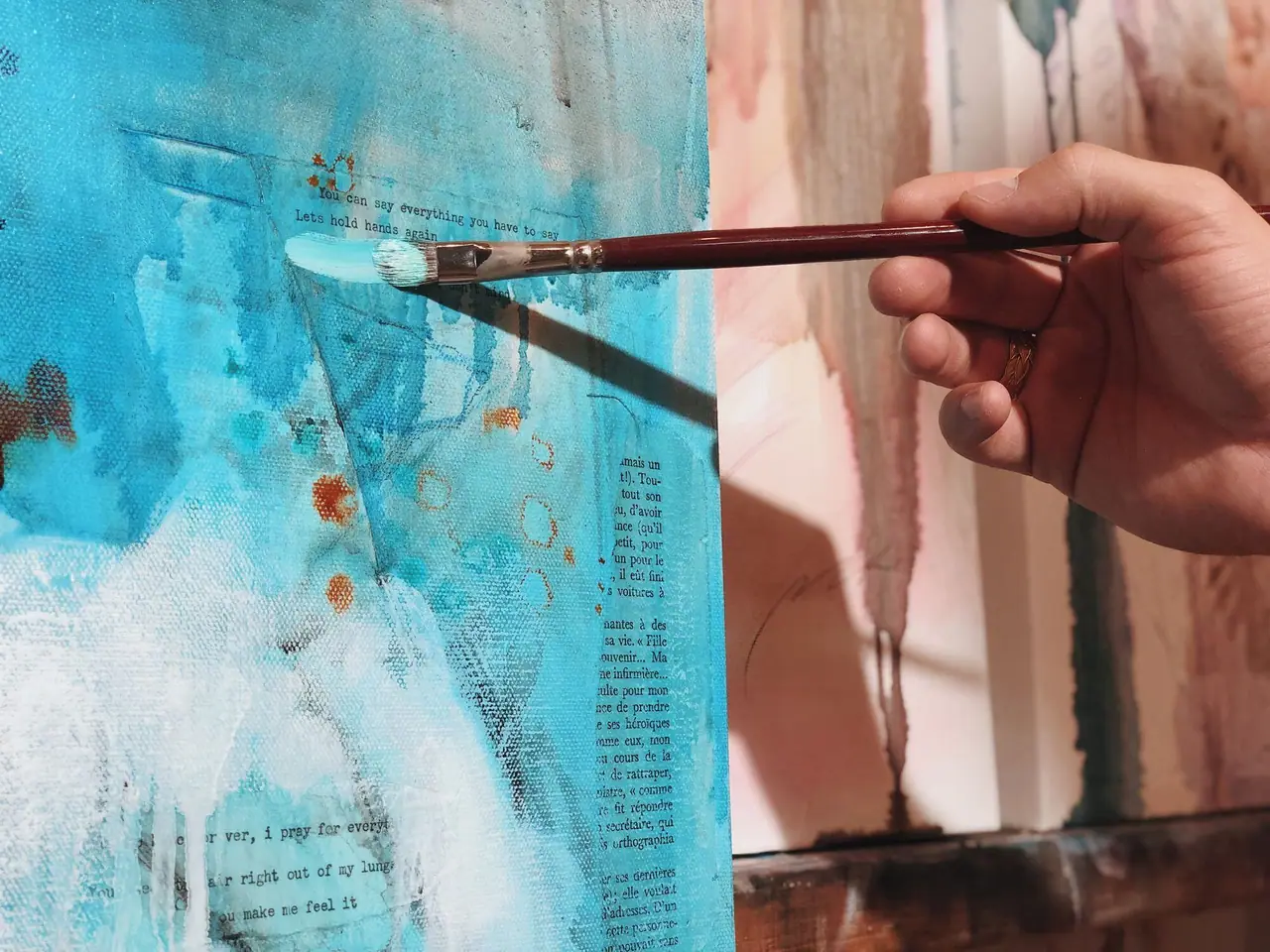
Professional artists choose brushes that keep their shape: interlocked bristles, securely attached ferrules, and a comfortable grip. Interlocking matters more than any single feature. Interlocked bristles are formed into their shape at the ferrule, so the brush returns to a clean edge or point instead of splaying out the way cheaper brushes do.
Several brands have earned their reputations. Winsor & Newton offers high quality brushes in a wide variety of shapes and sizes. Princeton makes durable, affordable brushes that suit artists at any stage. Royal & Langnickel is known for versatile, long lasting brushes, and Da Vinci stands for fine craftsmanship and premium materials at the professional end.
At Milan Art, after years of frustration over the lack of affordable quality brushes, we designed our own. Our FEARLESS Mixed Media Brush Set pairs soft and firm artist brushes that handle everything from acrylic and watercolor to inks and the thickest oils, with colored handle tips so you can assign each brush a job and stay in your right brain while you paint. The set includes the Interlock Bronze B-6, Interlock Bronze B-12, Med. Floater, Eye of the Tiger 640 Oval, Eye of the Tiger 620 Oval 8, Faux Sable 172 Round 8, Faux Sable 172 Jumbo 16, and 1422 Bristle/Ox 2″. You can buy the brushes as a set, individually, or in our acrylic painting kits.
On price, start with a basic set that covers a variety of shapes and sizes, then invest in higher quality brushes as your skills and artistic vision grow. Many cheap brushes wear out quickly, and their combined cost often equals one quality brush that would have lasted for years.
How do you clean and care for acrylic brushes?
Clean your brushes before you walk away for the night, and never leave them soaking in a jar. Soaking bends bristles out of shape and ruins more brushes than painting ever will. The routine is short:
- Clean the paint off your brush by wiping the excess onto a clean paper towel.
- Rinse with water, adding a light detergent when necessary.
- Reshape the bristles with your fingers.
- Dry and store brushes upright with the bristles up, or lying flat.
Save thorough soap cleanings for when you will be away from painting for a week or more. If you paint regularly, an occasional deep clean is all your brushes need.
Brushes can also be rescued. If dried paint has crusted a brush, rubbing alcohol will break it up. If a brush seems beyond saving, soak it overnight in Murphy’s Oil Soap before you throw it away; it often comes back. Natural bristle brushes benefit from regular conditioning with a brush cleaner or mild conditioner to stay soft and pliable. A splayed, crusty brush makes mud and ragged edges, and tired tools are one of the quiet ways artists end up ruining paintings that started well.
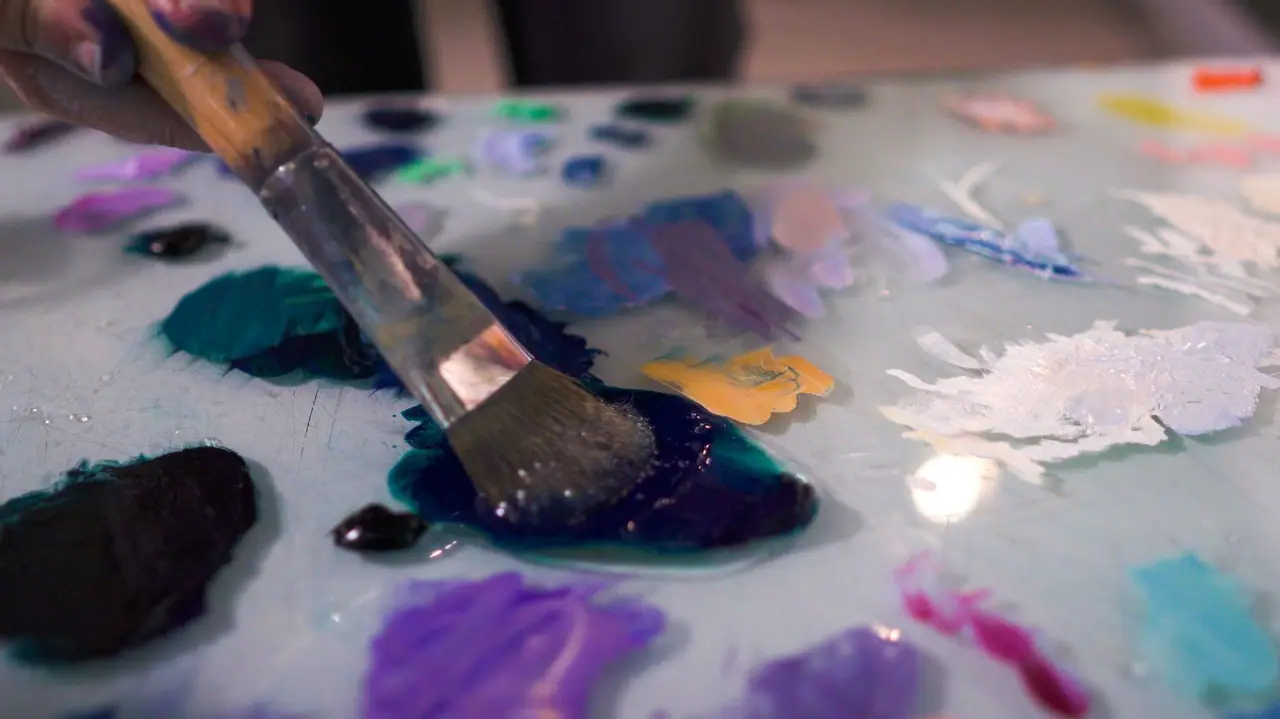
How do you build a brush kit that grows with you?
The brushes you choose have a significant impact on the paintings you are able to create. They can mean the difference between an okay painting and a potential masterwork. Choose synthetic bristles to start, cover the six shapes in a few sizes, buy the best quality you can afford, and treat your brushes like the instruments they are.
Then go use them. Load a filbert, make a stroke you have never made before, and see where it leads. When you are ready to go deeper into what those brushes can do, our painting techniques hub is full of next steps.
Frequently asked questions
Are synthetic brushes good for acrylic paint?
Yes. Synthetic bristles made from nylon or polyester are resilient, hold their shape, and clean up easily, which suits the fast drying and constant rinsing acrylics demand. They give smooth, even strokes and serve beginners and professionals equally well.
Can you use the same brushes for acrylics and oils?
Quality mixed media brushes can handle both. Clean them thoroughly between media, because dried acrylic is hard to remove and oil residue resists water. A well made set that mixes soft and firm bristles can cover everything from inks and watercolor to thick oils.
How often should you clean acrylic paint brushes?
Every session. Wipe off the excess paint, rinse with water, reshape the bristles, and dry them upright or flat before you leave the studio. Save thorough soap cleanings for when you will not paint for a week or more; regular painters only need an occasional deep clean.
Should beginners buy expensive brushes?
Start with a basic set that covers a variety of shapes and sizes, then invest in higher quality brushes as your skills grow. Many cheap brushes wear out quickly, and their combined cost often equals one quality brush that would have lasted for years.
What to practice this week
- Paint one small study that uses every brush shape you own at least once, and note which marks only one shape could make.
- End your next three sessions with the full cleaning routine: wipe, rinse, reshape, and dry upright. Notice how your brushes behave by the fourth day.
- Rescue your most worn brush with rubbing alcohol, or an overnight soak in Murphy's Oil Soap, before you replace it.
Supplies used
About the author
More from Elli