Oil Painting Techniques: The 3 Layering Methods That Make Paintings Look Professional
Master three layering methods, underpainting, thin to thick, and dark to light, and your oil paintings stop looking amateur and start looking deep.
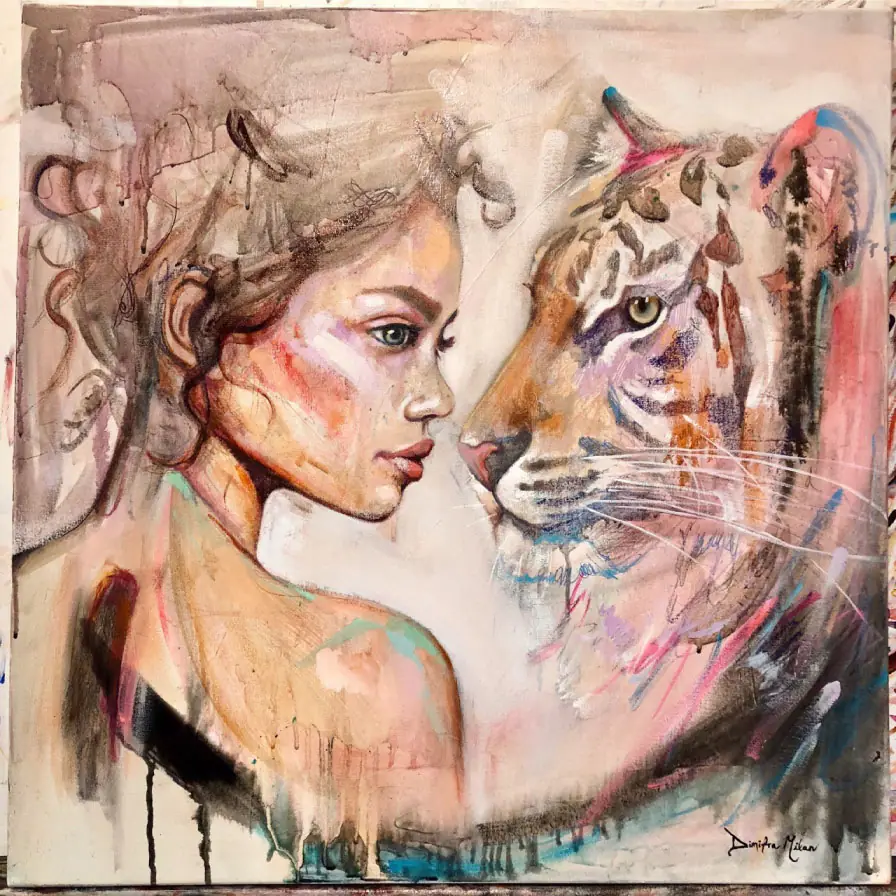
The three oil painting techniques that make the biggest difference are underpainting, working thin to thick, and painting dark to light. They are all variations on one idea: oil paintings get their depth from layers, not from a single perfect pass. Tone the canvas first, build from thin transparent washes up to thick opaque paint, and add your brightest highlights last. Do that and your work stops looking amateur and starts looking like something people will ask how you made.
Before any of it, you need the right materials. None of these techniques work well if you skip the basics.
What materials do you need for these oil painting techniques?
You need a few soft oil painting brushes, a solvent to clean them, a painting medium, a cotton rag, and good quality oil paints. For the solvent, odorless mineral spirits work well and keep the fumes down. For the medium, linseed oil is the classic choice, though there are faster options covered below. The cotton rag is for wiping brushes and lifting paint, and the paints themselves are worth buying at the best quality you can manage, because cheap oils fight you the whole way.
If you are still gathering supplies, two small choices matter more than people expect. The right brush changes how paint lands, so it helps to know how to choose a paintbrush before you buy a random handful. And because oil behaves differently depending on what it sits on, it is worth learning how to choose a canvas and priming it with gesso first. With those in place, you are ready to layer.
How do you start an oil painting with an underpainting?
You start by toning the entire canvas with a thin transparent layer before you add any real color. This is the underpainting, and it is the single most important habit on this list. You never want to place straight oil paint over a white canvas. Raw white not only looks amateur, it also makes it harder to add layers and build the depth you are after.
To mix an underpainting, take any transparent oil paint such as burnt sienna, raw umber, or alizarin, and combine it with a slightly larger amount of your solvent. Then add a little bit of linseed oil or another medium to the mixture.
- Pick a transparent paint. Burnt sienna, raw umber, and alizarin all work because light passes through them, which is exactly what you want underneath later layers.
- Thin it with solvent. Use a slightly larger amount of solvent than paint. You want it flowing, not gummy.
- Add a touch of medium. A little linseed oil keeps the layer from going chalky as the solvent flashes off.
- Check the consistency. It should not be too watery, but it should still carry enough color that it does not look washed out.
- Coat the whole canvas. With a larger brush, cover the entire surface evenly. It does not have to be perfect. Have fun with it.
Once the white is gone, every color you add afterward has something to sit against, and the painting reads as deeper from the very first stroke.
How do you build oil paint layers from thin to thick?
You build layers by starting with thin transparent washes and gradually increasing the thickness of your paint as you go. This thin to thick method is where a lot of the depth in oil painting comes from, and it leans toward a looser, more abstract way of working. Transparent paints are your friends here. They look darker while still in the tube, but when you mix them with a medium they become much lighter and more translucent, which is perfect for those first delicate layers.
There are many oil painting mediums out there, and a particularly good one for this is Galkyd by Gamblin. The reason the medium matters so much is drying time. Before you move on to the next layer, the previous one needs to dry, otherwise your paint gets very muddy very quickly.
This is the part beginners underestimate. Without any medium at all, an oil layer can take days, even weeks, to dry. Mixing in a fast-drying medium can speed that up to as little as twelve hours, which means you can keep building the next day instead of waiting out the week. Working thin to thick only pays off if you respect the drying time between each pass.
If a layer does go muddy on you, that is not the end of the painting. There are clean ways to recover, and our guide on how to start over on an oil painting walks through them. The same thin to thick logic powers a lot of abstract painting techniques too, where the early translucent layers stay visible in the finished piece.
How do you paint from dark to light in oil?
You paint from dark to light by adding your opaque colors after your transparent layers, building form from the shadows up toward the highlights. Once those early transparent passes are dry, you switch to opaque paints. Opaque colors are usually lighter, creamier, and heavier than transparents, and the important thing about them is that they cover whatever sits underneath.
Every color family has both transparent and opaque versions. To create form and depth, work from dark to light using your opaque paints. You can mix transparents and opaques together, but the moment you do, the blend becomes opaque, so think of that as a one-way door.
Save your highlights and your pure white for the very last step. Adding the lightest opaque touches at the end is what makes a painting come alive, because those final lights only read as bright when everything around them was built up first. Paint the white in too early and you lose it under later layers. Paint it in last and it sits on top, exactly where the eye wants to land.
Are these basic or advanced oil painting techniques?
They look advanced and they are actually basic, which is the best news on this page. People often assume that toning a canvas and layering thin to thick are advanced oil painting methods reserved for masters. They are not. They are foundational habits that anyone can learn in their first few paintings, and yet they are exactly what gives work that polished, professional depth.
That is the quiet secret behind a lot of contemporary oil painting. The techniques are simple. The results look complex. When someone sees a painting built this way, they wonder how you did it, and the honest answer is that you toned the canvas, you worked thin to thick, and you saved the lights for last.
If you want to see how the old masters used these same layering ideas, our walk through famous historical oil paintings shows glazing, depth, and dark to light at work across five centuries. And if you are drawn to looser, more atmospheric color, these four tips for painting like an Impressionist build naturally on the thin to thick approach.
Why are people afraid to try oil painting?
Most people who admire art love the look of oil paintings but are afraid to try oils themselves. The fear usually comes from a sense that oil is fussy, slow, or expensive, and that one wrong move ruins everything. None of that holds up once you start layering on purpose. The Milan Art Institute team even put together a short demo on exactly this point, titled Why Oil Painting Is Easier and Cheaper Than You Think, and it shows the three techniques in real time.
The truth is that oil rewards the willingness to make a few muddy messes early on. You learn the most by making mistakes, and the more you work with oils, the more fluent you become at mixing and layering them. Start with the underpainting. Add a transparent layer or two. Then build toward your lights. The depth follows.
If you want a guided first step with feedback from working artists, the 2-Week Challenge was built for exactly that beginning. Pick up the brush, tone your canvas, and let the layers do the work.
Frequently asked questions
What are the three basic oil painting techniques?
Underpainting, working thin to thick, and painting dark to light. You tone the canvas first, build from thin transparent washes up to thick opaque paint, and save your highlights for last. These three layering methods create the depth that makes oil paintings look finished rather than flat.
What materials do you need to oil paint?
A few soft oil painting brushes, a solvent to clean them such as odorless mineral spirits, linseed oil or another painting medium, a cotton rag, and good quality oil paints. That short list is enough to practice all three techniques in this guide.
How long does oil paint take to dry?
Without a medium, an oil layer can take days or even weeks to dry. Mixing in a fast-drying medium such as Galkyd can bring that down to as little as twelve hours, which lets you add the next layer the following day instead of the following week.
Can you mix transparent and opaque oil paints?
Yes, but the mixture becomes opaque. Transparent colors let light pass through and read darker in the tube, while opaque colors cover whatever is beneath them. The moment you add an opaque to a transparent, the blend behaves as opaque, so save pure transparents for your early glazing layers.
What to practice this week
- Tone a small canvas with a single transparent underpainting, let it dry, and notice how much easier the next layer sits on a colored ground than on raw white.
- Paint the same simple subject twice, once building thin to thick and once piling on thick paint from the start, then compare how clean the layered version stays.
- Take one finished study and add only the final highlights and pure white last, watching how the lightest opaque touches make the whole painting come forward.
Supplies used
About the author
More from Elli