20 Famous Paintings That Shaped Art History (and the Painters Behind Them)
From van Eyck's glazes to Picasso's grief, these are the twenty works and turning points that every painter still studies.


The most famous paintings in history earned their fame the same way: each one solved a problem no painter had solved before. Van Eyck showed the world what oil glazes could do. Caravaggio turned light into theater. Van Gogh proved a night sky could carry a human heart. This guide walks through twenty of the most influential paintings ever made, in the order they were painted, with the style, technique, and lasting lesson behind each one.
Nearly all of them are oil paintings, because for five centuries oil was the medium where painting’s biggest breakthroughs happened. The two exceptions (a tempera and a fresco) earned their places by shaping every oil painter who came after them.
What makes a painting famous?
A painting becomes famous when it changes how every artist after it sees. Fame in art is rarely about beauty alone. The works on this list survived because each carried a new idea: a new way to use light, a new honesty about its subject, or a new permission for what paint could say. That is why painters still study them, and why this list doubles as a short history of Western art.
Which Renaissance painters made the first famous oil paintings?
The Renaissance painters of the 1400s and 1500s built the foundation every later movement stands on, and perfecting oil paint was among their greatest contributions. Oil dried slowly, layered beautifully, and held light inside its glazes in a way tempera never could.
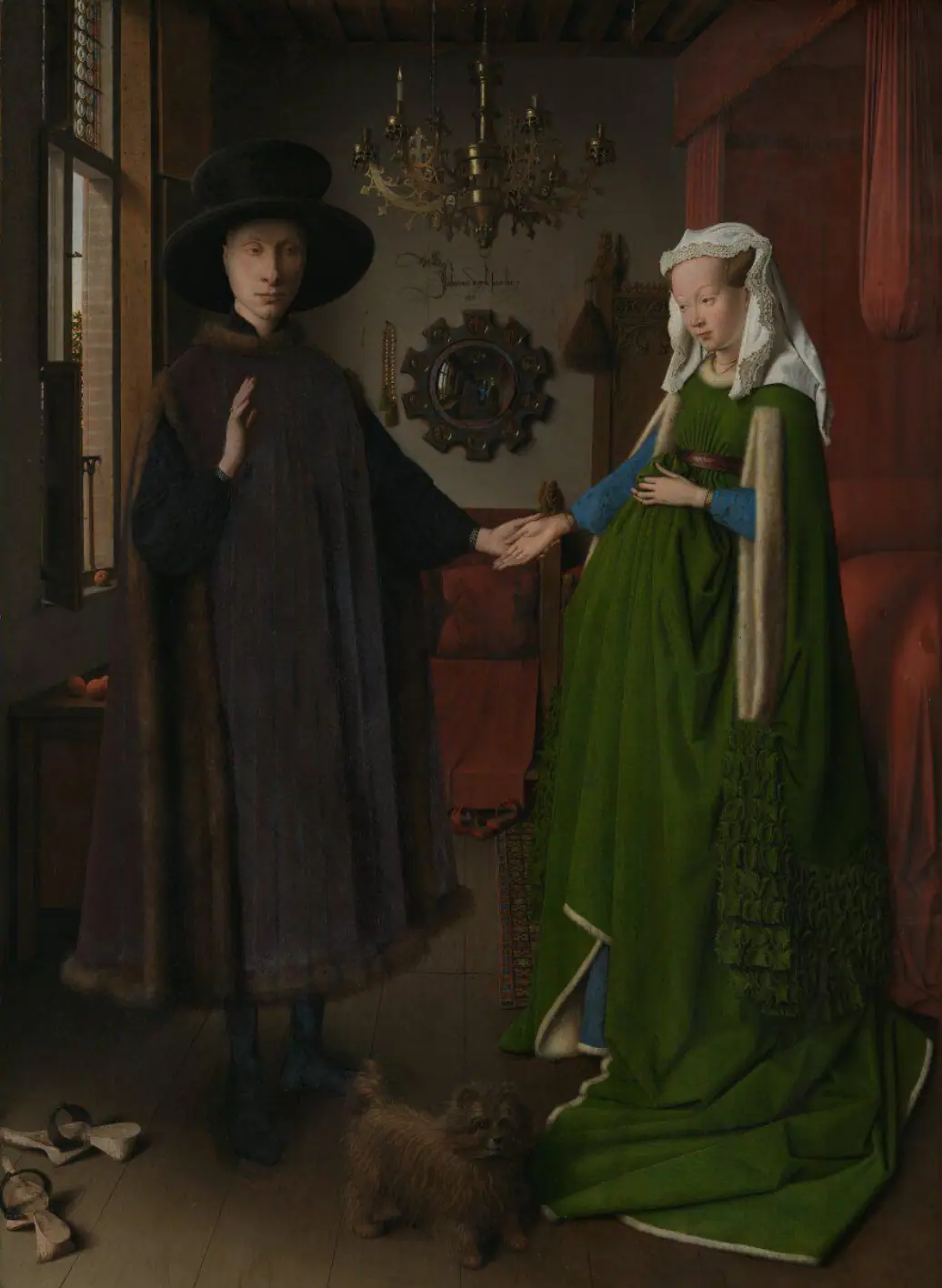
1. Jan van Eyck, The Arnolfini Portrait (1434)
This double portrait stunned fifteenth century Europe with a realism nobody had achieved before. Van Eyck built the image in meticulous thin layers of oil, capturing the convex mirror on the back wall, the little dog, even the stitching on the garments. The painting is also a puzzle of symbols, a vivid snapshot of the life and beliefs of its time.
Style: Northern Renaissance
Technique: Oil glazing, minute detail
Why it matters: Revolutionized portraiture and proved what oil glazing could do
2. Sandro Botticelli, The Birth of Venus (c. 1484 to 1486)
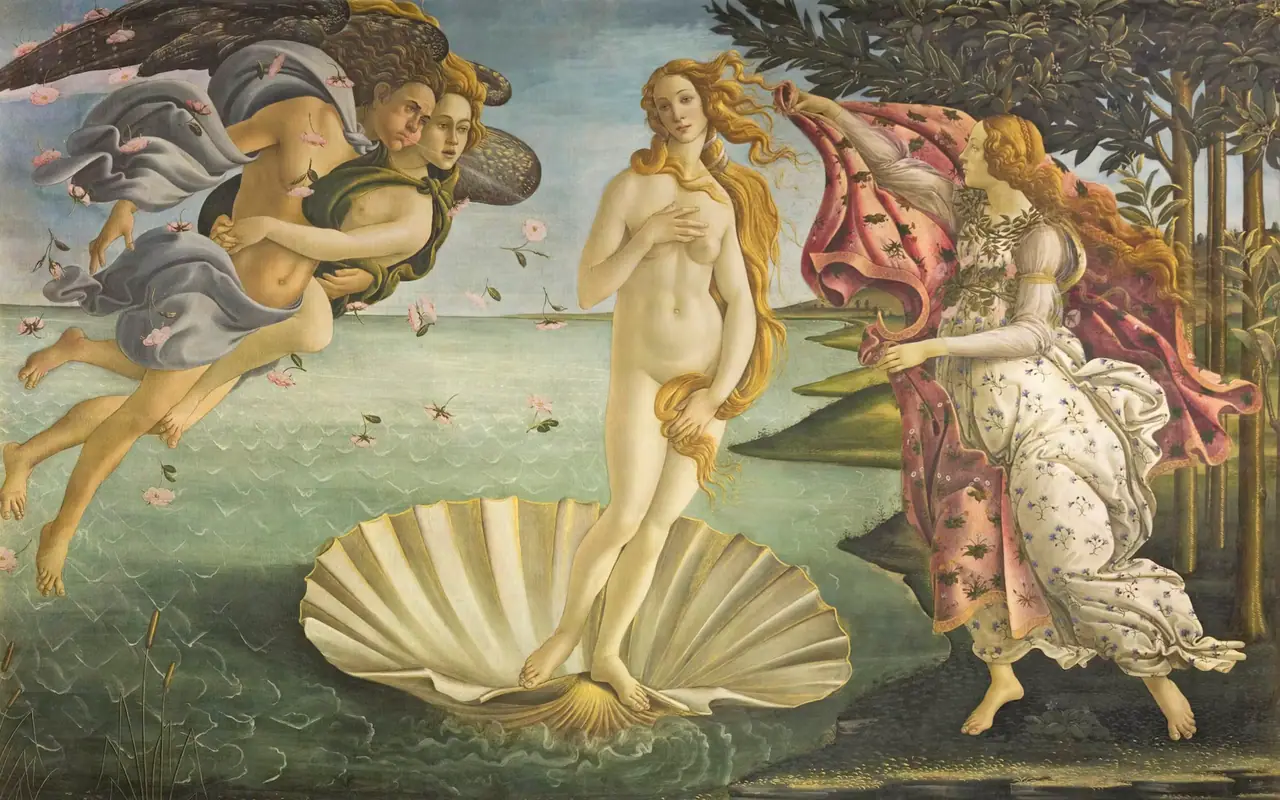
Here is the first honest exception on the list: Botticelli painted this in tempera, just before oil took over Italian art. It belongs here because its elegance taught the oil painters who followed what large-scale poetry could look like. Venus’s flowing hair, the floral breeze, and the shell beneath her feet radiate an otherworldly beauty that painters have chased ever since.
Style: Early Renaissance
Technique: Linear grace, mythological storytelling
Why it matters: Helped revive classical themes and aesthetics
3. Hieronymus Bosch, The Garden of Earthly Delights (c. 1490 to 1510)
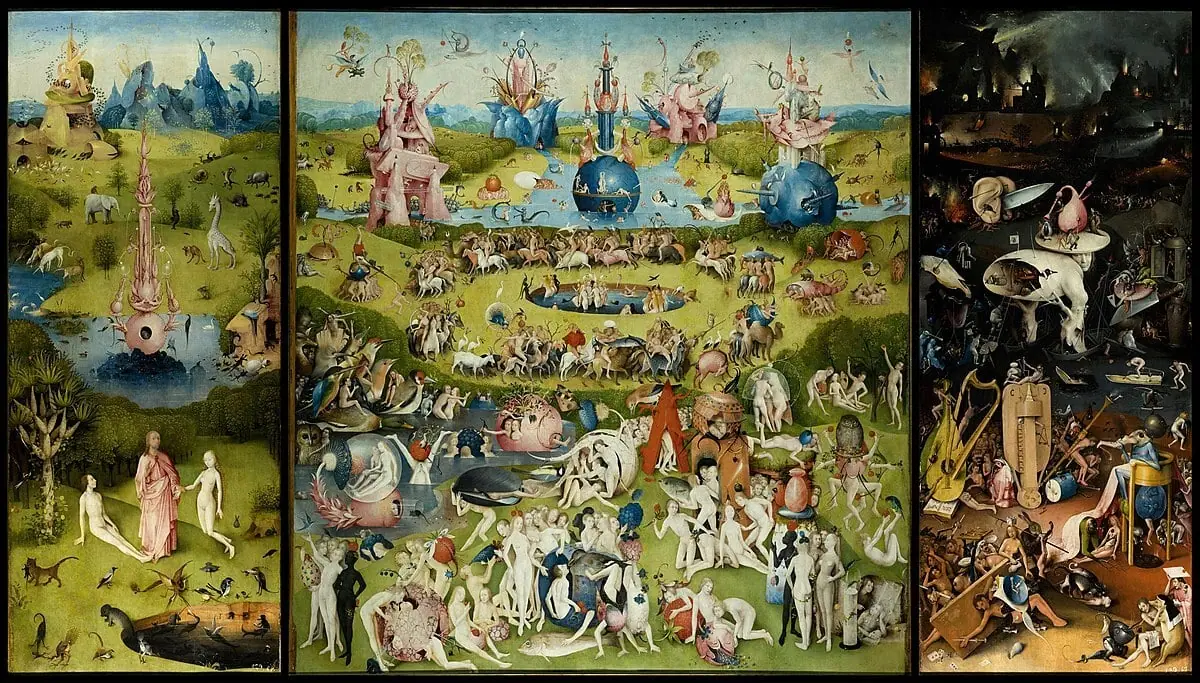
A triptych like no other, this fantastical vision of paradise, temptation, and damnation defies easy interpretation. Bosch painted it in detailed thin oils on oak panels, and every inch teems with symbolic creatures and surreal landscapes. Five centuries later, artists are still mining his imagination.
Style: Northern Renaissance
Technique: Precision with thin oil layers
Why it matters: One of the earliest and strangest allegorical masterpieces
4. Leonardo da Vinci, Mona Lisa (c. 1503 to 1506)
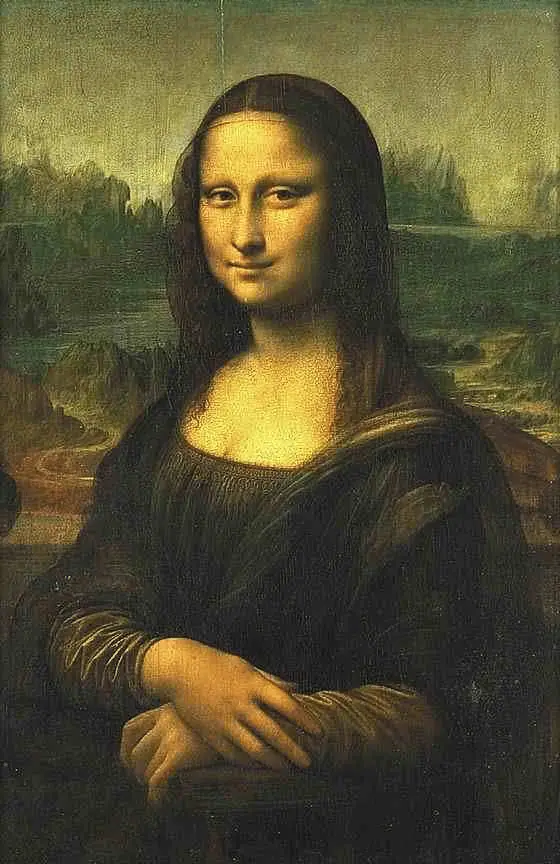
Few paintings in history come close to the fame of the Mona Lisa. Leonardo painted her on poplar wood with painstakingly thin glazes of oil, capturing an uncanny psychological presence along with a likeness. The soft sfumato transitions, the subtle smile, and that steady gaze have held viewers for five hundred years.
Style: High Renaissance
Technique: Sfumato, delicate oil glazing
Why it matters: Set a new standard for portraiture and realism
5. Raphael, The School of Athens (1509 to 1511)
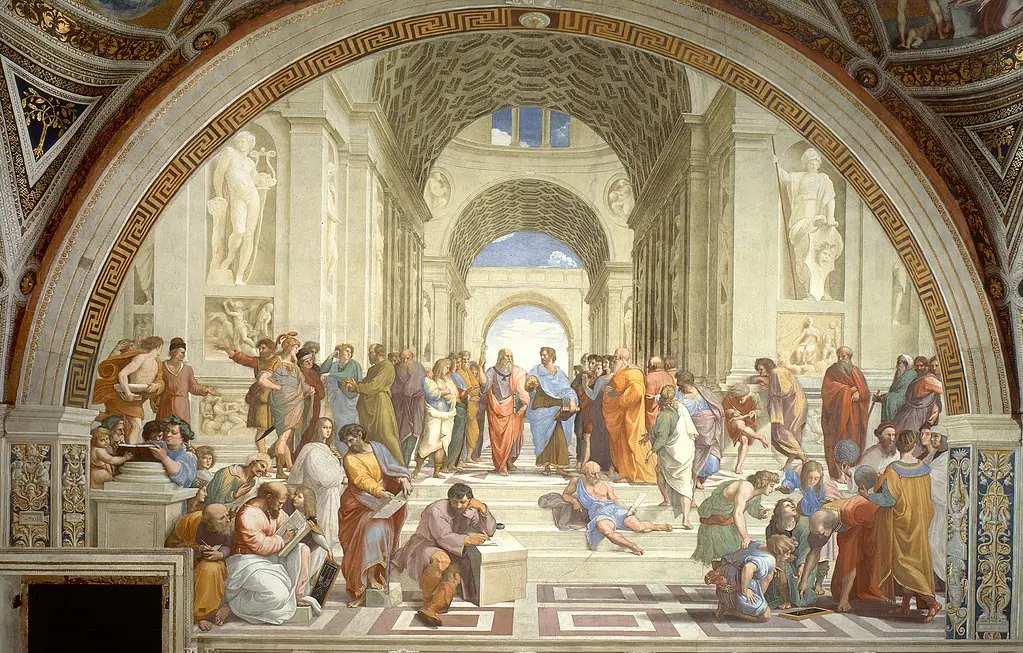
The second exception: this is a fresco, painted directly into wet plaster in the Vatican. It earns its place because no image better captures the High Renaissance ideals of symmetry, balance, and intellectual grandeur, with Plato and Aristotle striding through a grand classical hall. Raphael’s surviving oil portraits carry the same grace and quiet power.
Style: High Renaissance
Technique: Precise draftsmanship, idealized figures
Why it matters: Embodied the intellectual and aesthetic heights of the era
6. Titian, Assumption of the Virgin (1516 to 1518)
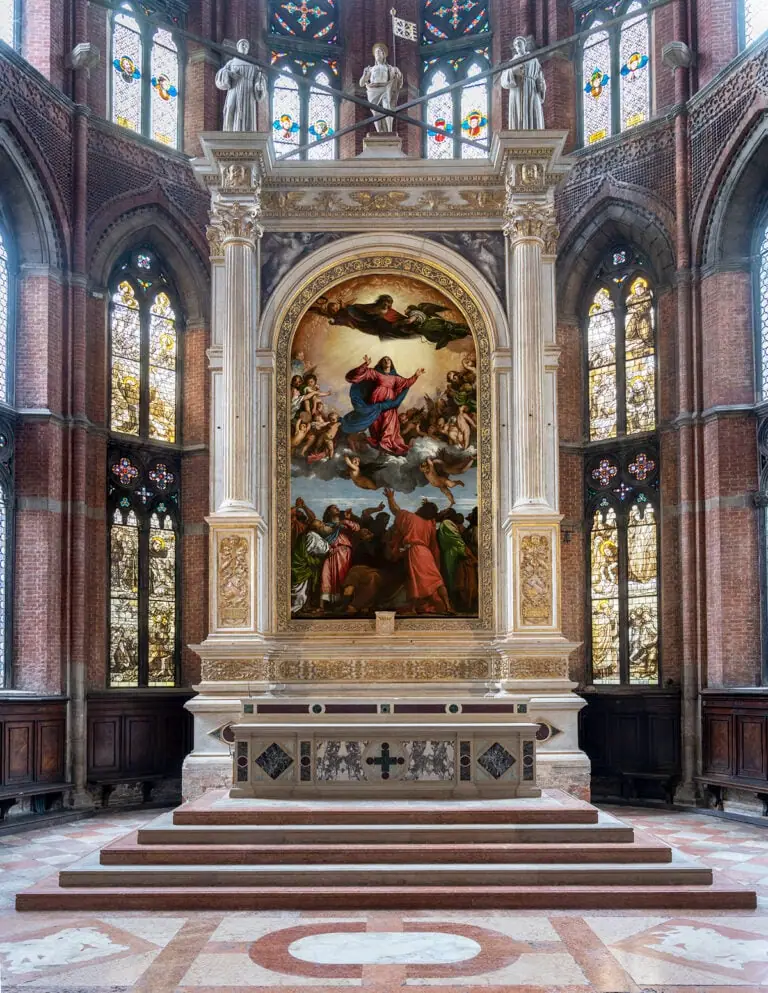
Towering above worshippers in Venice’s Basilica di Santa Maria Gloriosa dei Frari, this altarpiece reads in three vibrant levels: the apostles below, the ascending Virgin, and the radiance above. Titian layered luminous reds and shimmering blues until the scene seemed to glow from within. His handling of oil changed Venetian painting for good.
Style: Venetian Renaissance
Technique: Vibrant color layering, atmospheric depth
Why it matters: Elevated religious painting into theatrical spectacle
7. El Greco, The Burial of the Count of Orgaz (1586)
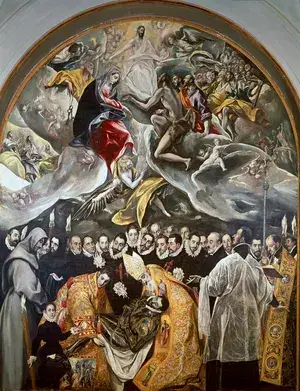
Commissioned for a church in Toledo, this massive canvas blends heavenly transcendence with earthly ceremony. El Greco’s elongated figures, glowing whites, and cloud-swirled celestial realm hover above the solemn funeral below. Oil gave him the fluidity to push light and texture toward pure expression.
Style: Spanish Mannerism
Technique: Elongation, dynamic layering
Why it matters: Bridged Byzantine tradition and European modernity
How did the Baroque masters turn light into drama?
Baroque painters discovered that where you place the light decides what the viewer feels. Between 1600 and 1670, the five masters below used oil’s depth and richness to turn sacred stories and royal portraits into living drama.
8. Caravaggio, The Calling of Saint Matthew (1599 to 1600)
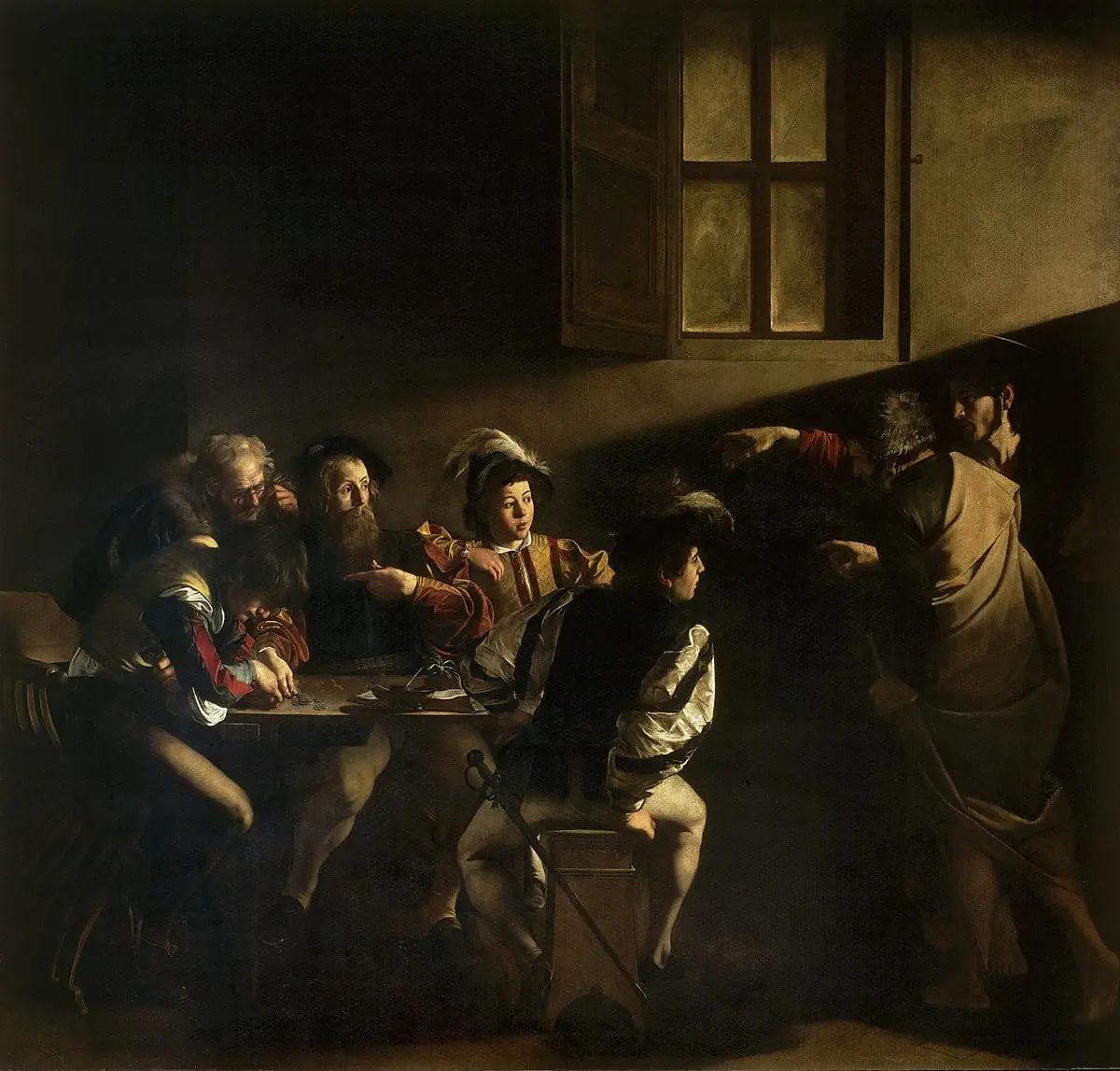
A moment of divine interruption, set in a common tavern, changed the course of religious painting. Caravaggio’s stark light slices through darkness, isolating the figures and giving weight to Christ’s barely raised hand. He used oil with a raw immediacy that made biblical stories feel gritty and human. For a closer study of his method, read about how Caravaggio lit a dark world.
Style: Baroque
Technique: Tenebrism (extreme chiaroscuro)
Why it matters: Made sacred scenes shockingly lifelike
9. Peter Paul Rubens, The Descent from the Cross (1612 to 1614)
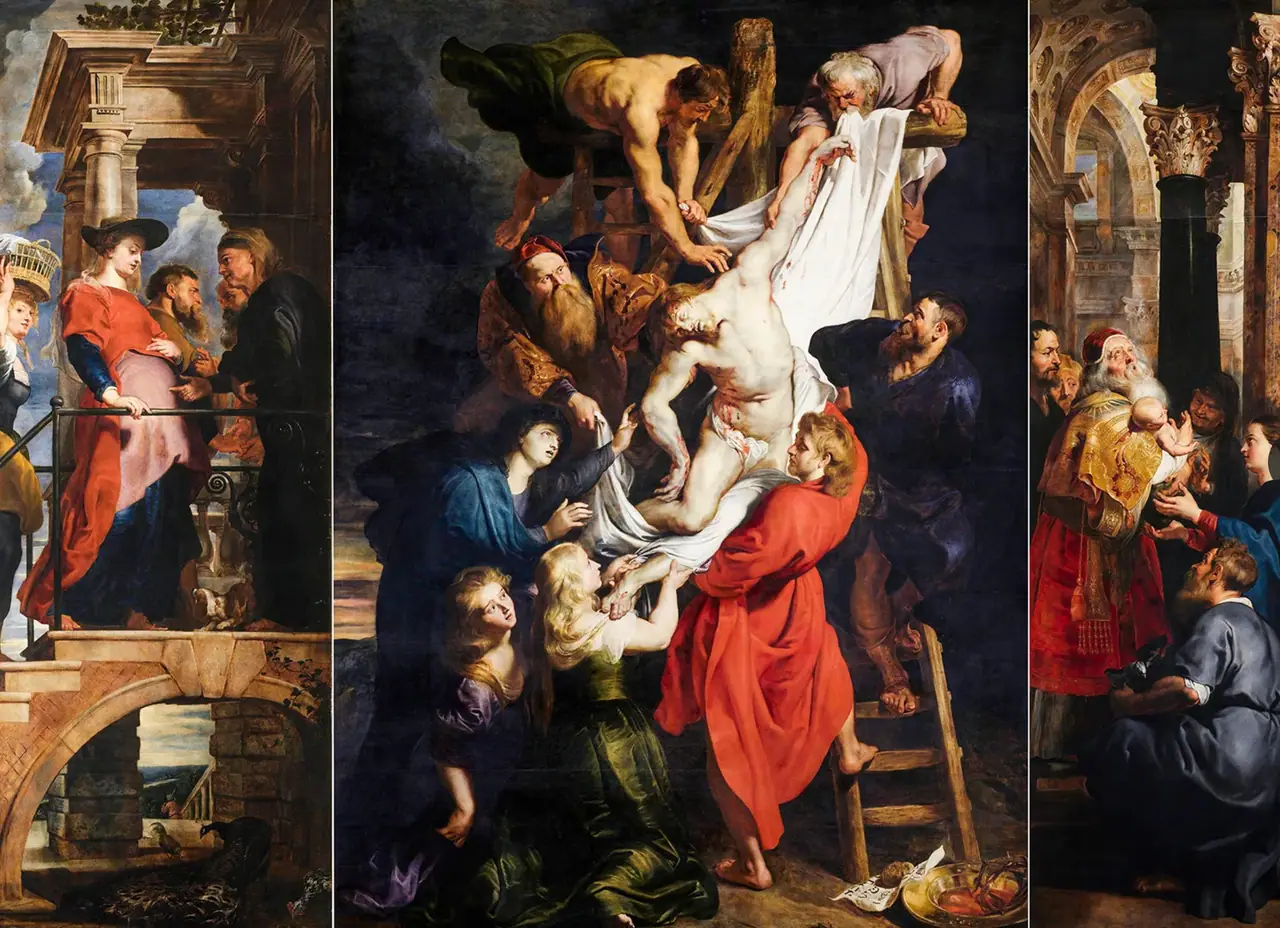
Rubens combined drama and devotion in this Antwerp altarpiece. Every figure is dynamic, every fold of cloth alive with movement, and the whole composition sweeps along one great diagonal of light. The oil glows with color and texture, carrying action and tenderness in a single scene.
Style: Flemish Baroque
Technique: Lush brushwork, dramatic composition
Why it matters: Embodies the grandeur and emotion of Baroque art
10. Rembrandt van Rijn, The Supper at Emmaus (1648)
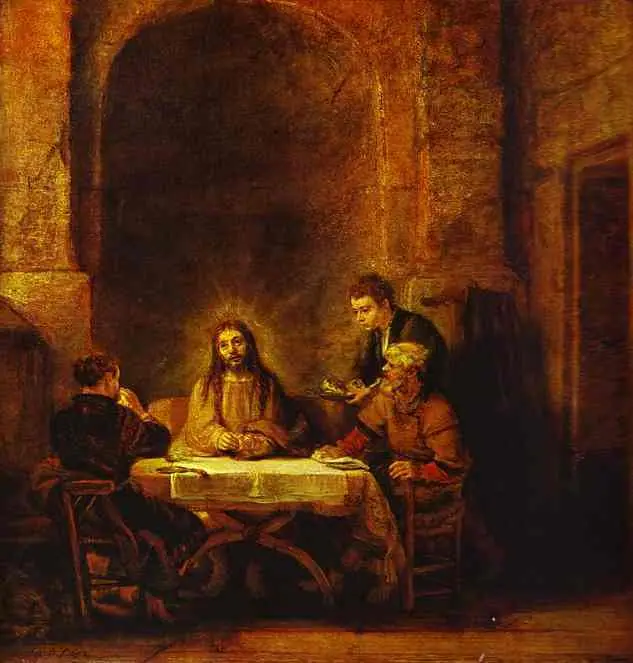
Rembrandt’s command of light and shadow reaches spiritual heights here. The biblical scene glows from within, divine light softly revealing Christ to his companions at the table. Rich, earthy oils give the figures volume and presence, and the quiet reverence is the point.
Style: Dutch Golden Age Baroque
Technique: Chiaroscuro and impasto
Why it matters: Elevated spiritual storytelling through lighting
11. Diego Velázquez, Las Meninas (1656)
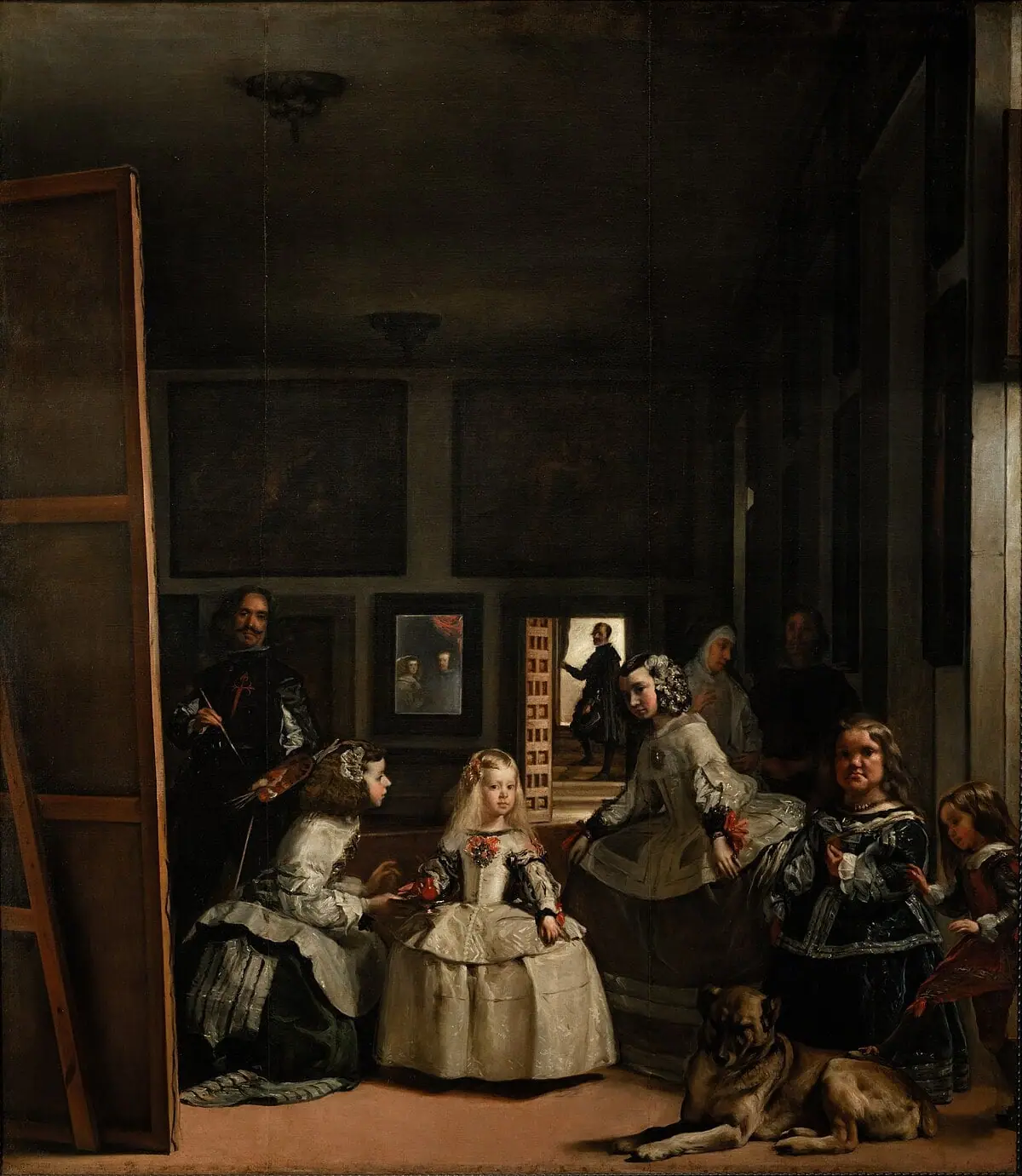
This large court painting is more than a portrait. It is a visual riddle. Velázquez painted himself into the scene, standing at a vast canvas, while the young princess, her attendants, and a mirrored reflection of the king and queen surround him. With deft oil handling, he plays with perspective, realism, and the viewer’s own position.
Style: Spanish Baroque
Technique: Realism, complex perspective
Why it matters: Challenged the roles of artist and observer
12. Johannes Vermeer, Girl with a Pearl Earring (c. 1665)
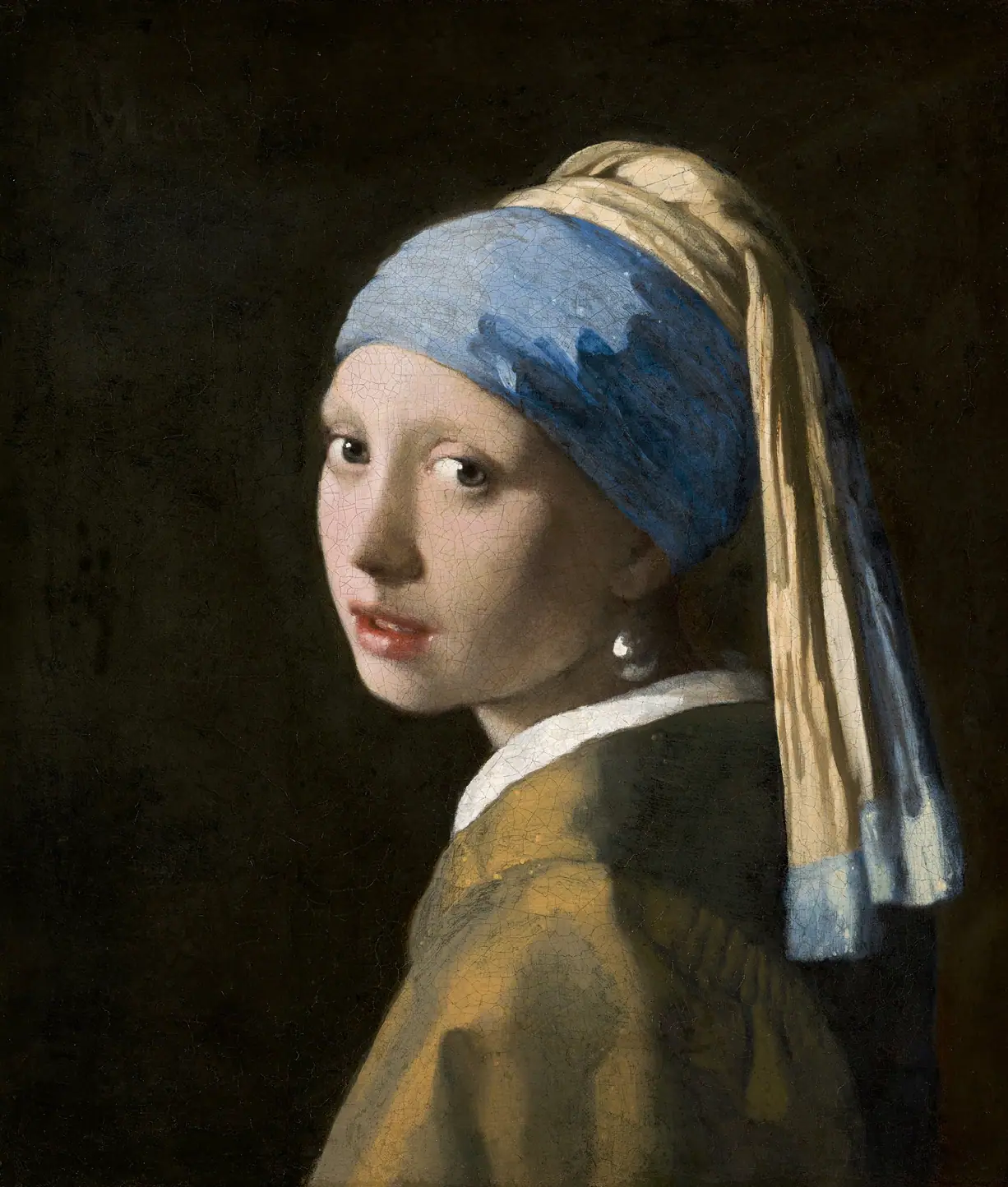
Often called the Mona Lisa of the North, this quiet portrait is a study in intimacy. The translucence of her skin, the glimmer of the pearl, and the velvety dark background all come from masterful oil layering. Simple at first glance, it keeps pulling you back.
Style: Dutch Baroque
Technique: Delicate glazing, minimal background
Why it matters: Redefined portraiture with emotional depth
Which famous paintings turned art toward real life and revolution?
In the 1800s, painters turned from idealized history toward the truth of their own moment, and several of the most famous paintings ever made came out of that turn. Oil became their medium for urgency, protest, and unvarnished reality.
13. Francisco Goya, The Third of May 1808 (1814)
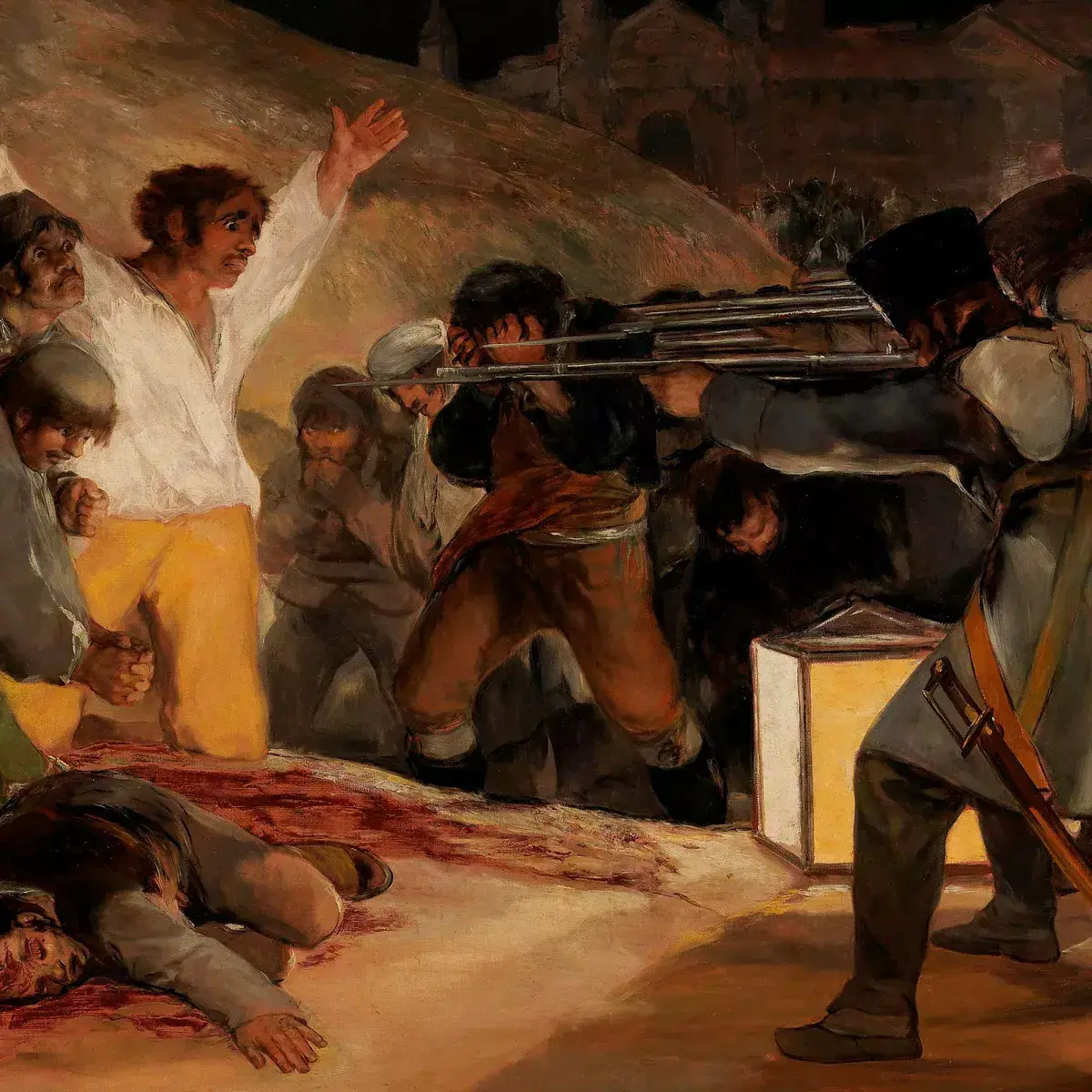
This haunting depiction of an execution is both brutal and deeply human. Goya throws dramatic light onto the man in the white shirt, arms spread wide before the firing squad, while the soldiers remain a faceless machine. The loose, immediate brushwork gives the painting an urgency that paved the way for modern expressive painting.
Style: Romanticism
Technique: Stark contrast, loose brushwork
Why it matters: One of the first overtly political modern paintings
14. Jean-Auguste-Dominique Ingres, La Grande Odalisque (1814)
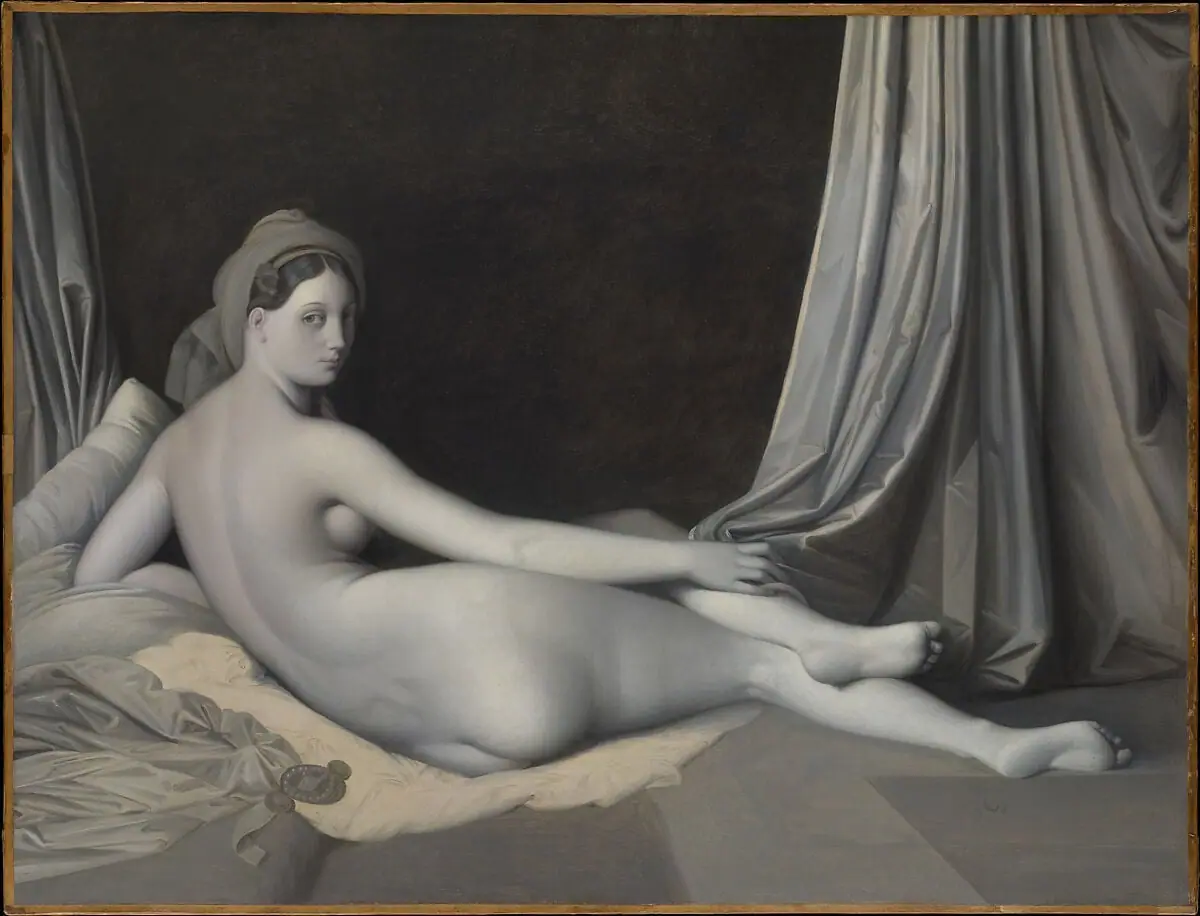
With impossibly elongated proportions and opulent detail, this painting merges neoclassical clarity with imaginative allure. Ingres worked layer upon layer of thin oil to reach that creamy, porcelain skin. The result is both sensual and strange, classical form bent toward elegance.
Style: Neoclassicism
Technique: Smooth, refined brushwork
Why it matters: Carried classical form into imaginative elegance
15. Eugène Delacroix, Liberty Leading the People (1830)
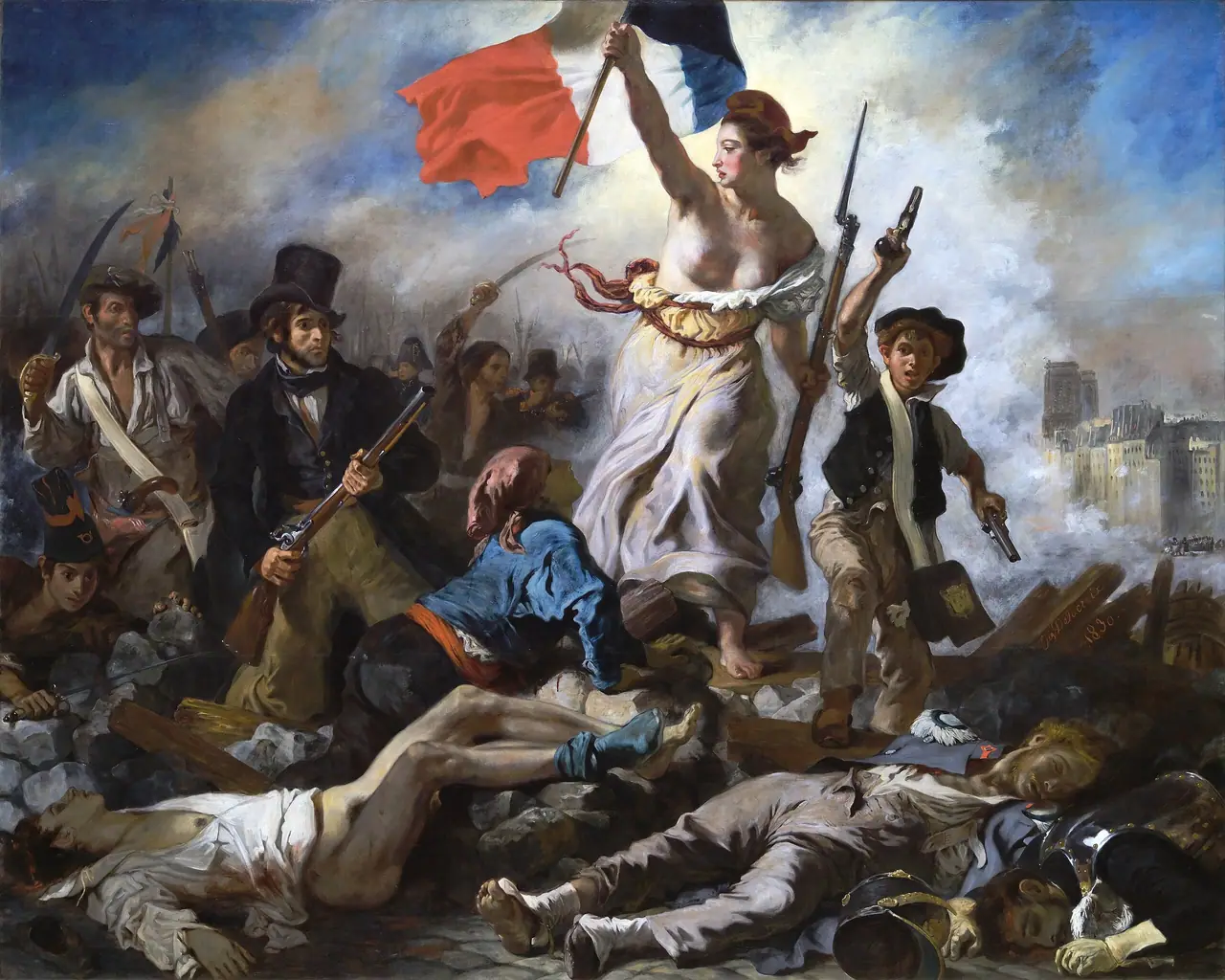
A woman strides over the barricade, flag in hand, leading the people forward. This is revolution embodied. Delacroix’s energetic brushwork layers movement, texture, and conviction into one unforgettable image that still appears wherever people talk about freedom.
Style: Romanticism
Technique: Energetic, expressive application
Why it matters: Defined revolutionary spirit in oil on canvas
16. Gustave Courbet, The Stone Breakers (1849)
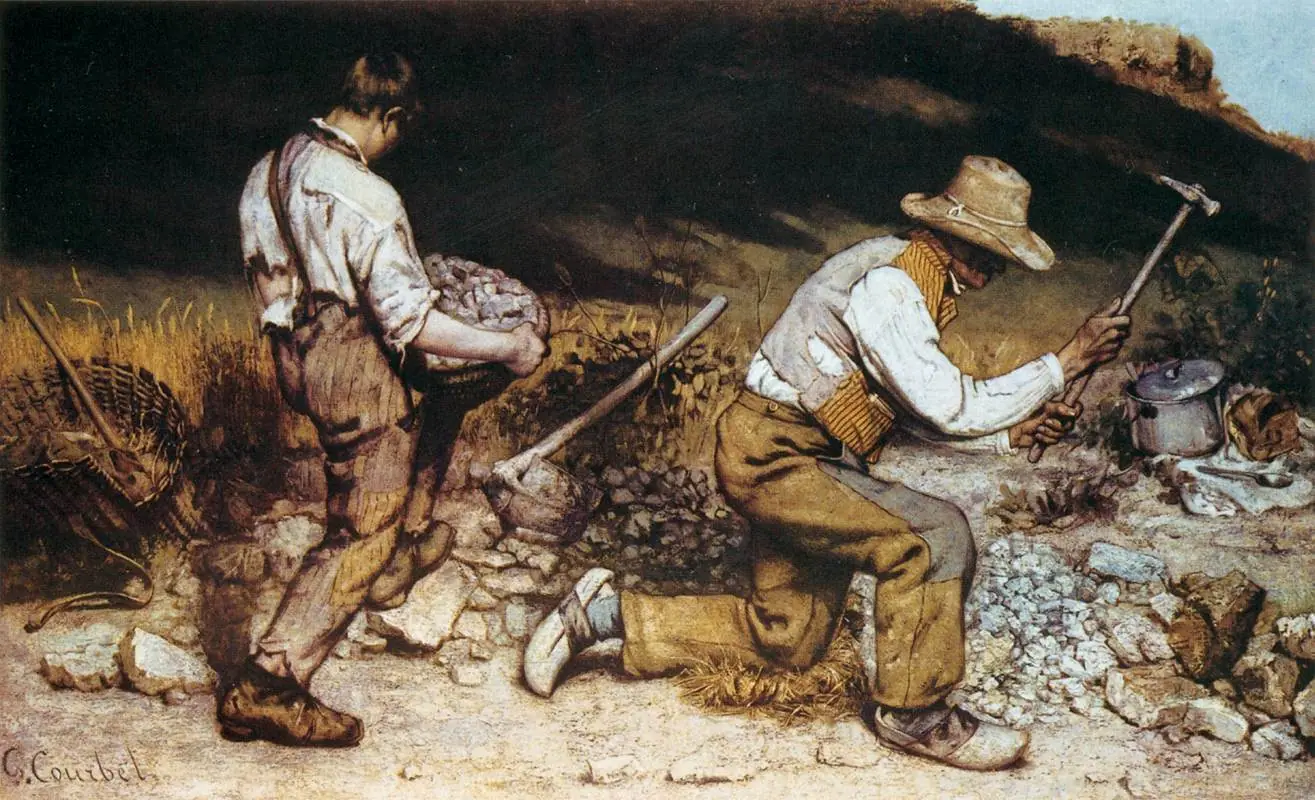
Courbet turned his brush toward the working class, painting two men breaking rock with unflinching honesty. There is no heroic glow and no romantic backdrop, just labor rendered in earthy oil tones. The painting was destroyed in the Second World War, yet it remains a keystone of the movement traced in our guide to Realism in art history.
Style: Realism
Technique: Earth-toned palette, thick texture
Why it matters: Made ordinary life worthy of fine art
17. Édouard Manet, Olympia (1863)
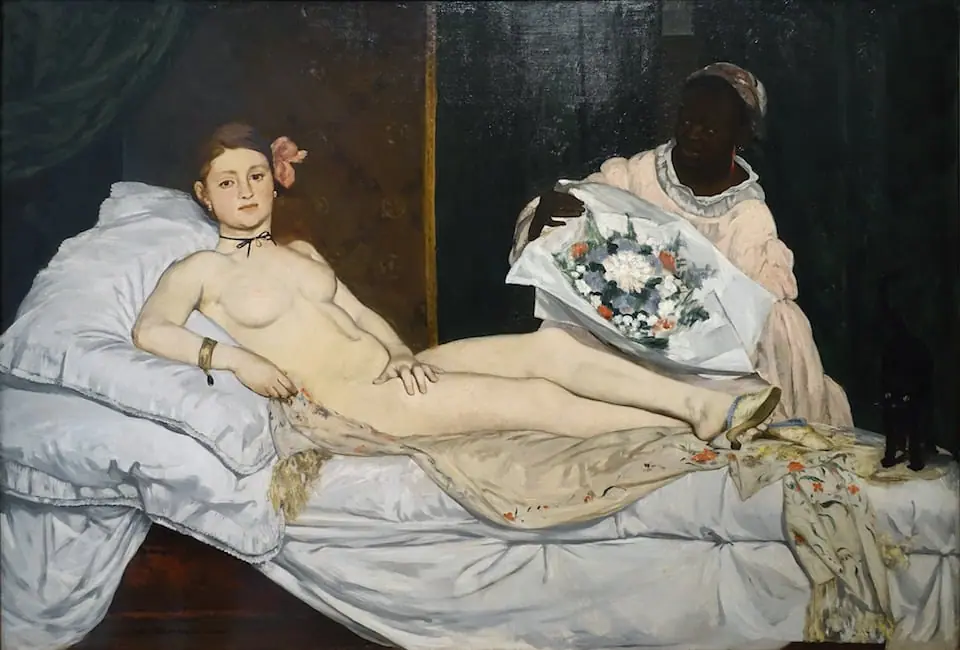
When Olympia went on view at the Paris Salon, the public was scandalized, and the nudity was only part of it. The flatness, the brushwork, and the model’s level gaze defied every academic ideal. Manet used oil paint like a blade, cutting through tradition, and the painting is now seen as a foundation of modern art.
Style: Realism, early Modernism
Technique: Flat planes, strong contour
Why it matters: Challenged artistic and cultural norms
How did Impressionism and modern art change painting forever?
Once the camera could record appearances, painters were free to paint perception and feeling instead. The three works below pushed oil paint from describing the world to expressing it.
18. Vincent van Gogh, The Starry Night (1889)
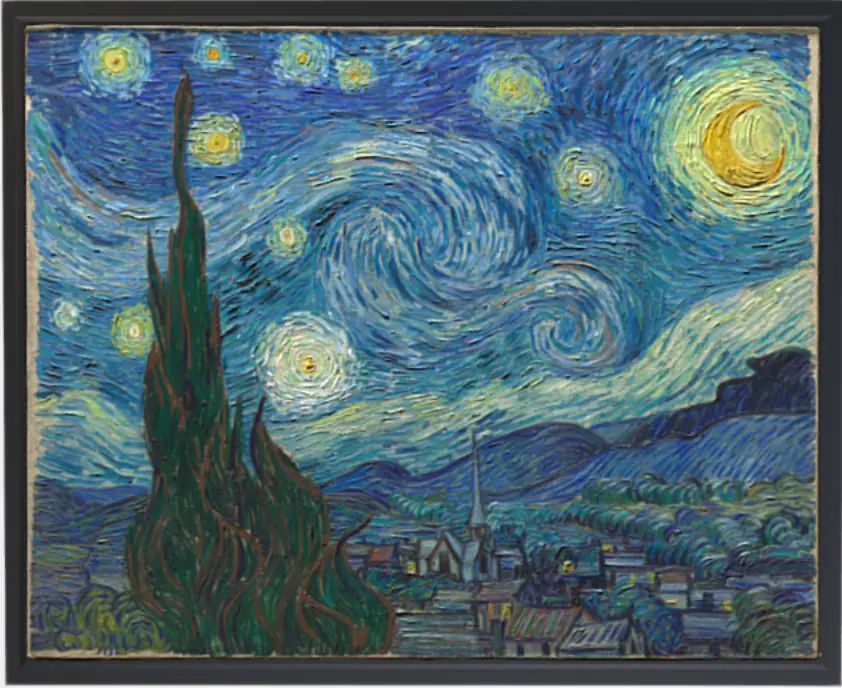
Swirling sky, blazing stars, a sleeping village below: The Starry Night is a vivid map of Van Gogh’s inner world. He painted it from the asylum at Saint-Rémy, building the sky in thick, expressive strokes of impasto. That break from realism made it a cornerstone of Post-Impressionism.
Style: Post-Impressionism
Technique: Expressive, thick impasto
Why it matters: Translated emotion through an abstracted landscape
19. Claude Monet, Water Lilies (1906)
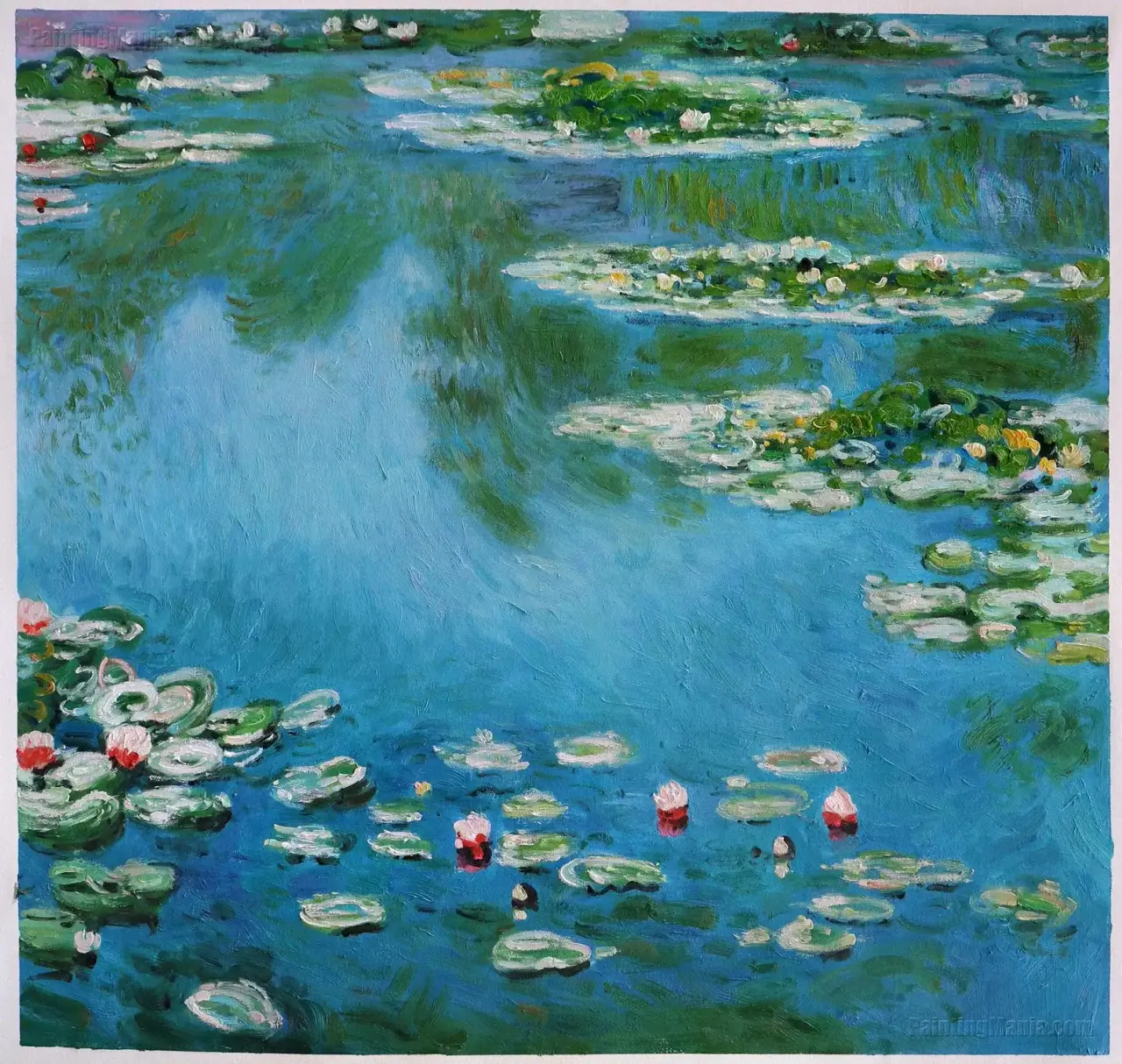
Monet’s Water Lilies series is a long study in atmosphere and light, and this 1906 canvas shows a pond gently holding the reflection of the sky. The looseness borders on abstraction. His plein air method and broken brushwork reshaped how oil could describe nature; if that approach pulls at you, start with these four tips for painting like an Impressionist.
Style: Impressionism
Technique: Broken color, atmospheric blending
Why it matters: Shifted painting from form to the perception of light
20. Pablo Picasso, The Weeping Woman (1937)
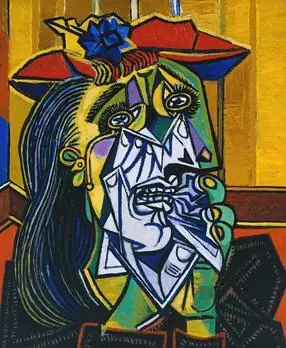
Painted during the Spanish Civil War, The Weeping Woman distorts grief into jagged planes and clashing color. Picasso used oil for impact rather than subtlety, letting shapes collide the way the era itself was colliding. It stands as his cry against the suffering of war.
Style: Cubism
Technique: Sharp, broken forms; bold, flat color
Why it matters: Turned emotional suffering into visual structure
What can you learn from the most famous painters in history?
You can learn the exact skills that made these paintings famous, because every technique on this list is still taught and practiced today. Glazing, sfumato, chiaroscuro, impasto, broken color: these are not mysteries. They are skills, and skills respond to practice.
Start by looking closely. Most of these works hang in museums you can study through virtual museum tours, so you can examine the brushwork without a plane ticket. Then pick one painter whose problem feels like your problem and copy a small passage of their work, slowly, to feel their decisions in your own hand.
These twenty painters laid the foundation for nearly every movement that followed. Their work shows what happens when emotion, technique, and storytelling meet on a single surface. Art is more than beauty. It is truth, vision, and voice. If this walk through art history lit something in you, keep going with the rest of our art history and famous paintings collection, and when you are ready to pick up a brush yourself, the 2-Week Challenge is a gentle place to begin.
Frequently asked questions
What is the most famous painting in the world?
The Mona Lisa by Leonardo da Vinci is widely considered the most famous painting in the world. Its sfumato technique, its uncanny psychological presence, and five centuries of fame at the Louvre keep it at the top of nearly every list.
Who were the first famous oil painters?
Northern Renaissance masters such as Jan van Eyck were among the first to push oil paint to its full potential in the early 1400s. His Arnolfini Portrait of 1434 showed a level of detail and realism that helped spread oil painting across Europe.
Are all twenty of these famous paintings oils?
Eighteen of the twenty are oil paintings. Botticelli's Birth of Venus is tempera and Raphael's School of Athens is a fresco. Both are included because they shaped the painters who made oil the dominant medium for the next four centuries.
Where can you see these famous paintings in person?
Most hang in major museums: the Louvre in Paris, the Prado in Madrid, the National Gallery in London, MoMA in New York, and the Mauritshuis in The Hague. Many of these museums also offer free virtual tours online.
What to practice this week
- Pick one painting from this list and make a small grayscale study of its value structure, paying attention to where the artist placed the brightest light.
- Copy a small passage from two opposite techniques, such as Vermeer's thin glazes and Van Gogh's thick impasto, and notice how differently the paint behaves.
- Take a virtual tour of the Louvre or the Prado and write three sentences about one decision a painter on this list made that you want to try.
Supplies used

About the author
More from Elli