What Is Oil Paint? Composition, Characteristics, and Why It Matters
Oil paint is pigment suspended in oil, but the ratio, the grade, and the temperature of each color decide what your painting can do. Here is what is in the tube and why it matters.

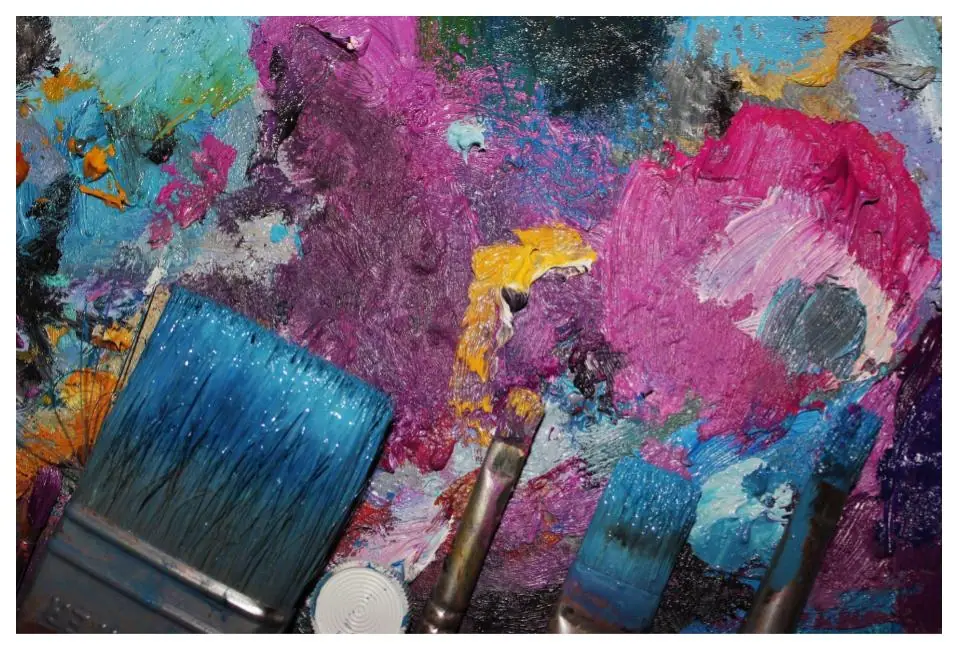
Oil paint is colored pigment suspended in a drying oil, most commonly cold-pressed linseed oil. The oil acts as the binder: it holds the pigment together, lets the paint glide off your brush, and slowly hardens as it absorbs oxygen from the air. That is the whole recipe at its simplest. What makes oil paint endlessly interesting is everything packed into those two ingredients, because the kind of pigment, the kind of oil, and the proportion between them decide how rich your color is, how long it stays workable, and whether your painting still glows a hundred years from now.
Here is the thing most painters never learn: few of us really know what goes into our oil paint. We pick a tube by the color on the label and never ask what is behind it. But knowing what is in the tube is what lets you pull off effects that look impossible, choose the right paint for the right job, and make work that lasts. This guide walks through what oil paint is made of, how the grades differ, the characteristics that separate good paint from cheap paint, and the temperature and transparency categories that change what a finished painting does.
What is oil paint made of?
Oil paint is made of pigment plus a drying oil, but the ingredients vary widely depending on which pigments and oils a maker chooses. That variation is the reason two tubes labeled the same color can behave completely differently. To understand your paint, you need to understand both halves of the recipe: the oil that binds it and the pigment that colors it.
The oils
The oil is the binder that carries the color pigments. Cold-pressed linseed oil is the most common choice. It is pressed from flaxseed and used widely as a preservative. Linseed oil yellows slightly more than other oils over time, but it has one decisive advantage: it is the most resistant to cracking as a painting ages, which is why it has stayed the standard for centuries.
Other oils show up too, most often poppy seed oil, safflower oil, and walnut oil. These yellow less than linseed over time, which sounds like an upgrade, but they are thinner and more prone to cracking as the paint film ages. Each oil is a trade-off rather than a clear winner.
Painters have long used this on purpose. In Raphael’s The Mond Crucifixion, a yellowing oil was used for the figures and the ground, while clearer oils were used for the bright blue sky so that area would not yellow over time. That is a small detail with a big lesson: the oil in your paint is not a neutral carrier. It is a choice that shapes how the work reads decades later.
The pigments
Pigments are what give oil paint its color, and they fall into two pairs of categories: synthetic or natural, and organic or inorganic. Historically, pigments came from natural sources, both organic and inorganic, such as plants, charred animal bones, rocks, and minerals. These were the pigments the Old Masters worked with.
Synthetic pigments are developed chemically from petroleum substances, acids, and other compounds. Some common ones include quinacridone, phthalocyanine, and dioxazine, though manufacturers often keep the historical names the colors were always known by. The pigment is where most of a paint’s quality lives, which leads straight into the question of grades.
What is the difference between artist grade and student grade oil paint?
The difference is pigment. Not all oil paint is equal, and the two main classifications, artist (or professional) grade and student grade, are separated mostly by how much real pigment is in the tube. You may also find variations between those two depending on how a paint is made, but pigment load is the line that matters most.
Artist grade oil paint
Artist grade oil paint, sometimes called professional grade, contains a very high pigment content. The color of the best professional oils is rich and pure, and the viscosity is thick and creamy. It can feel a little stiffer as you lay it on the canvas, but it covers well, and because there are no fillers, your painting reads bolder and more vibrant. That high pigment load is also what makes the symbolism of your color come through clearly to the viewer.
Artist grade paint is lightfast and ages well, holding its vibrancy and true color. It also mixes well, staying true even after you blend it. The sticker price is usually higher, but in the long run it tends to be more economical, because the intensity and quality mean you use less paint to get the result you want.
Student grade oil paint
Student grade paint has a low percentage of pigment. To make up for that, manufacturers add more oil and fillers such as chalk. Those fillers lower the cost, so you spend less at the register, but the characteristics suffer for it. You often have to use more paint to get rich, vibrant tones, and when you mix student grade colors they tend to turn muddy and lose their true brilliance. They are also frequently not lightfast, so they fade over time, which can make them the less economical choice in the end.
The honest move is to match the grade to the job. If you are doing a higher-priced commission, you want a higher standard, so reach for artist grade. There are other times when you do not need thick, rich paint built to last, and the more economical student grade is the right call. Decide what the painting needs before you start.
What characteristics make a quality oil paint?
A quality oil paint comes down to five characteristics: high pigment load, good consistency, clean mixability, a known drying rate, and lightfastness. These are the traits to look for in any paint that goes into a serious oil painting kit, and several of them are exactly what separate artist grade from student grade.
- High-quality, well-proportioned ingredients. Look for a high pigment load. That is what gives your paintings rich, vibrant color rather than thin, washed-out tones.
- Texture and consistency. Good paint is thick, creamy, and well mixed. The oil should not separate from the pigment, and you should not see lumps or a gritty texture. Whether you work with a brush or a palette knife, quality paint glides across the canvas and covers it smoothly.
- Mixability. Good paint mixes without turning muddy. When you blend two quality colors, the result should still hold high chroma instead of dulling into gray.
- Drying rate. Know how long your paint takes to dry, because painting in layers depends on it. Oil paint dries by absorbing oxygen and hardening, and the ingredients determine how long that takes. If you add a new layer before the one beneath it has fully dried, the surface can crack.
- Lightfast and permanent. Quality paint keeps its original color after exposure to light. Even when you tint a color lighter, it should stay vivid and brilliant rather than fading or shifting.
Understanding these characteristics is what determines the quality of painting you can make. It also connects to how light behaves on your surface. When light bounces off thin underlayer glazes, you get a glow. When it hits thick, opaque layers, you get a matte finish. Knowing your paint is the first step toward controlling that, and the next step is learning the layering techniques that make oil paintings look professional.
What are the warm, cool, transparent, and opaque categories?
Beyond grade, oil paints sort into four more categories that change how a finished painting reads: warm, cool, transparent, and opaque. These matter because they let you control depth and light. Knowing how to use your paints by temperature and thickness is how you achieve the effects you are after.
- Warm. Warm-temperature colors appear to come closer to the viewer. We usually picture warm colors as the reds and oranges of fire and sunsets, but here the point is how the color fools the eye, pulling something forward. As you paint, use warm colors on the elements you want to feel nearest the viewer.
- Cool. Cool-temperature colors appear to recede. We tend to think of cool colors as the blues and greens of water and dense forests, and in a painting they push the background back while warm colors hold the foreground forward. It helps to know there is such a thing as a cool red and a warm blue, which is how this works inside a single hue.
- Transparent. Transparent paint lets light pass through to the layer beneath it. You can build up layers of transparent color to reach the effect you want, and the rule of thumb is to start with light colors and work toward darks.
- Opaque. Opaque paint is thick and lets no light through. It creates a more matte or chalky layer, and it works best painted from darks toward lights, the reverse of transparents.
Why do artists use oil paint?
Artists use oil paint because it offers a range few other mediums can match: it stays workable for hours, its color is deep and durable, and it can hold both the thinnest glowing glaze and the thickest sculptural mark. That long working time lets you blend softly and rework an area instead of racing a fast-drying surface. The richness comes from that high pigment load, and the durability comes from a sound oil binder that hardens into a stable film.
That range is also what makes oil such a forgiving teacher. You can work in the layered methods of the Old Masters or in looser, more contemporary mixed-media approaches that simply finish in oil. The slow dry that frustrates some beginners is the same quality that lets you push paint around until it is right. If you are weighing oil against a faster medium, it is worth reading the key differences between acrylics and oil paint before you commit, because the choice shapes how you will work.
How do you take care of oil paint and the tools you use it with?
Caring for oil paint mostly means protecting the paint film as it dries and protecting your brushes from the oil and solvents that ruin them. Because oil paint hardens slowly by absorbing oxygen, you have to respect drying time between layers or risk cracking, and you have to keep your work free of dust while that long dry happens. The paint itself is durable once cured, but the curing is where most damage starts.
Your brushes need even more attention, because dried oil paint is brutal on bristles. Clean them properly every session so the paint never sets into the heel of the brush, and the right brush will last for years. Our guide on how to clean your brushes walks through the routine, and if you are still building your kit, how to choose a paintbrush covers the shapes and bristle types that suit oil.
A final word on what is in the tube
And you thought it was just paint. Oil is pigment and oil, yes, but inside that simple recipe sits every decision that makes a painting rich or thin, bold or muddy, lasting or fading. The pigment load decides your color. The oil decides how your work ages. The grade decides what the painting can hold, and the temperature and transparency of each color decide how light moves across the finished surface.
So before your next painting, think it through. Artist grade or student grade. Where you want warm, and where you want cool. Whether you will glaze in transparents for a glow or build in opaques for a matte finish. The more you understand what is in the tube, the more the paint does exactly what you ask of it.
If you want to put this into practice with real structure and feedback instead of just reading about it, our free Two Week Challenge is a guided way to make your first paintings. And when you are ready to go deeper into the craft, the rest of the oil painting techniques collection is here whenever you want to keep going.
Frequently asked questions
What is oil paint made of?
Oil paint is made of two core ingredients: colored pigment and a drying oil that binds it, most commonly cold-pressed linseed oil. Some paints use poppy seed, safflower, or walnut oil instead. Pigments can be natural or synthetic and organic or inorganic, and the ratio of pigment to oil largely determines the paint's quality.
What are the main characteristics of oil paint?
Oil paint is prized for rich, dense color, a thick and creamy consistency, slow drying that lets you blend and rework for hours, and excellent durability when good materials are used. Quality oil paint is also lightfast, meaning it holds its color over time, and it mixes cleanly without turning muddy.
What is the difference between artist grade and student grade oil paint?
Artist grade oil paint has a high pigment load, so its color is rich, pure, and lightfast, and it ages well. Student grade paint has less pigment and more oil and filler such as chalk, which lowers the cost but produces weaker color that can turn muddy when mixed and fade over time. Artist grade often costs more upfront but uses less per painting.
Why do artists use oil paint?
Artists use oil paint because it stays workable for hours, letting you blend softly and build luminous glazes, and because its color is deep and durable. Oil paint can hold both the thinnest glowing glaze and a thick, sculptural mark, which gives it a range few other mediums match. With sound materials, an oil painting can last for generations.
What does lightfast mean for oil paint?
Lightfast means a paint keeps its original color after long exposure to light instead of fading. Artist grade oils are formulated to be lightfast and permanent, so a finished painting holds its true color for decades. Cheaper paints are often not lightfast, which is one reason student grade colors can dull or shift as a piece ages.
What to practice this week
- Compare an artist grade and a student grade tube of the same color side by side: paint a swatch of each, let both dry, and notice the difference in richness and coverage.
- Make a temperature chart: lay out your colors and sort each one as warm or cool, then mix a warm version and a cool version of a single hue to see how temperature changes it.
- Test transparency: paint a thin layer of a transparent color over a dry light underlayer and a thin layer of an opaque color beside it, and watch how light passes through one and stops at the other.
Supplies used

About the author
More from Elli