How to Work Quickly Without Losing Quality in Your Paintings
Speed does not mean rushing. It means simplifying your process so every minute serves the painting. Here are eight practical ways to work fast and still finish strong.
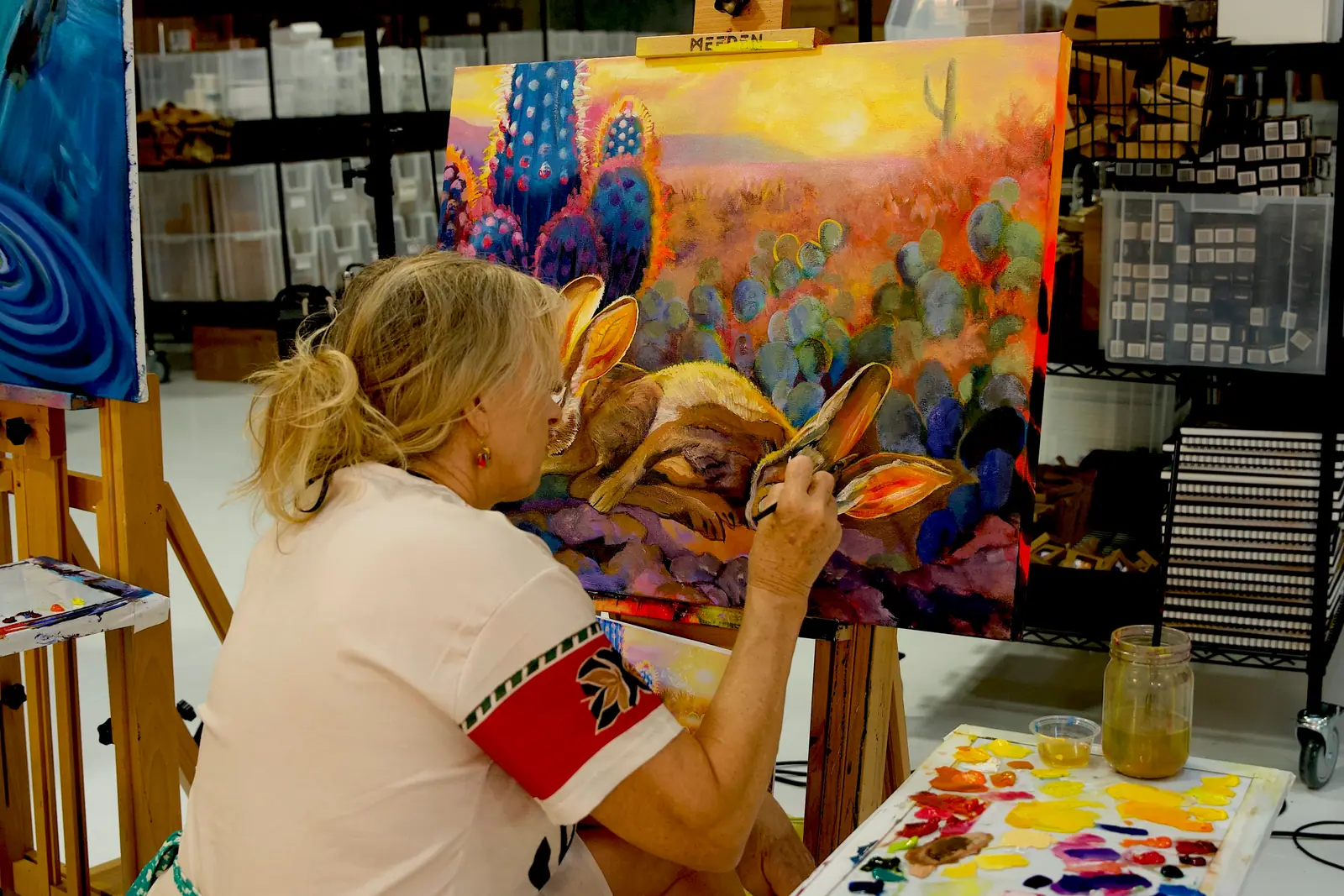
To work quickly without losing quality, simplify your process instead of rushing. Speed in painting does not have to mean sacrificing anything. In fact, many professional artists find that working faster improves clarity, confidence, and expression. The key is not to hurry. The key is to remove the guessing, the second-guessing, and the overworking so that every minute you spend actually serves the painting.
Here is the honest truth underneath all of it: speed comes from understanding fundamentals. When composition, values, edges, and color harmony become second nature, your decisions happen quickly and naturally, and painting starts to feel fluid instead of frustrating. The eight habits below are how you get there in practice.
How do you start a painting so it goes faster?
Start with a clear idea, because speed begins before the brush ever touches the canvas. If you start painting without a plan, you will spend far more time correcting mistakes later than you ever saved by jumping in.
Ask yourself a few simple questions before you begin:
- What is the focal point? Decide where the eye should land first, and let everything else support it.
- Where is the main light source? One clear light direction makes your value decisions obvious instead of guessed.
- What is the mood of the piece? Knowing the feeling you are after keeps your color and edge choices consistent.
A clear vision reduces hesitation and keeps every decision focused. If you want to plan that focal point with intention, our guide to composition in art walks through how to lead the eye on purpose.
Why does a strong reference make you faster?
A strong reference removes guessing, and guessing is what slows everyone down. When the lighting, the values, or the composition are unclear in your reference, you have to invent the missing information on the fly, and that is where time disappears.
Choose references that give you:
- Clear light and shadow, so you can read the values at a glance.
- A strong focal point, so the composition is already doing some of the work.
- A simple value structure, so the big shapes are easy to find.
When the information is clear, your decisions become faster and more confident. If you need good source material, here is where to find free reference photos to paint from legally.
Should you simplify the shapes first?
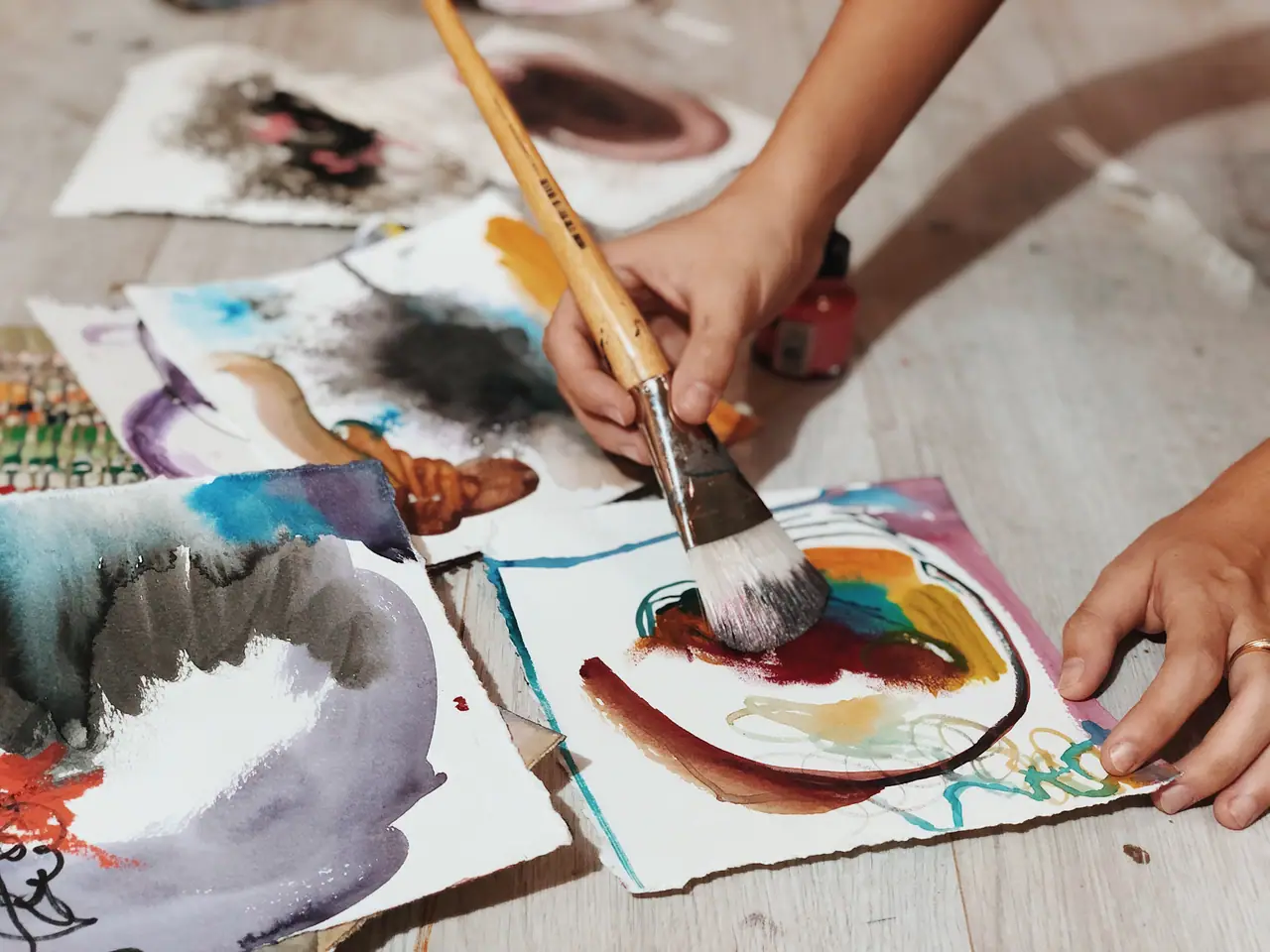
Yes, always block in the big shapes before any detail. Many artists lose time by trying to paint details too early, fussing over an eyelash while the whole face is still the wrong shape.
Instead, begin with large shapes and simple value blocks. Focus on the big relationships first: light against dark, warm against cool, this mass against that one. If the big shapes are right, the details fall into place naturally later. Think of it like building a house. You frame the structure before you hang a single picture. Working from dark to light is one reliable way to lay those masses down in order.
How does time-boxing make you paint faster?
Giving yourself a time limit dramatically improves efficiency, because a limit forces you to prioritize what actually matters in the painting. Open-ended time invites fussing. A clock invites decisions.
Try breaking a painting session into stages:
- Twenty minutes for drawing and composition.
- Forty minutes for the block-in.
- Forty minutes for refinement.
- Twenty minutes for final accents.
Set a timer for each stage and respect it. The point is not to race; it is to stop yourself from polishing one corner while the rest of the painting waits. When a stage ends, you move on, and the whole piece moves forward together.
Why should you limit your palette?
A limited palette speeds you up because too many color choices slow you down. Every extra tube is another decision and another chance to second-guess a mix, and mixing and re-mixing eats up valuable time.
Working from a few colors helps you:
- Mix faster, because you have fewer combinations to weigh.
- Maintain color harmony, because related colors already share a family.
- Focus on value relationships, which do more work than hue in making a painting read.
Many master painters created powerful work with only a handful of colors. If you want your mixing surface to keep up with you, a clean glass palette you make yourself holds your colors true and wipes clean between sessions.
Where should the detail go?
Save detail for the end, and only in the focal area. Details are powerful precisely because they are rare. If everything in a painting is detailed, nothing stands out, and the eye has nowhere to rest.
Work quickly by leaving most of the painting simplified and reserving your sharpest detail for the focal point. This saves time and strengthens the composition at the same time, because contrast between busy and quiet areas is what pulls the eye where you want it. Less detail in the right places creates more impact, not less.
How do confident brushstrokes save time?
Confident strokes save time because overworking is one of the biggest enemies of both speed and quality. When you constantly correct and re-correct a mark, you spend twice the effort and lose the freshness you started with.
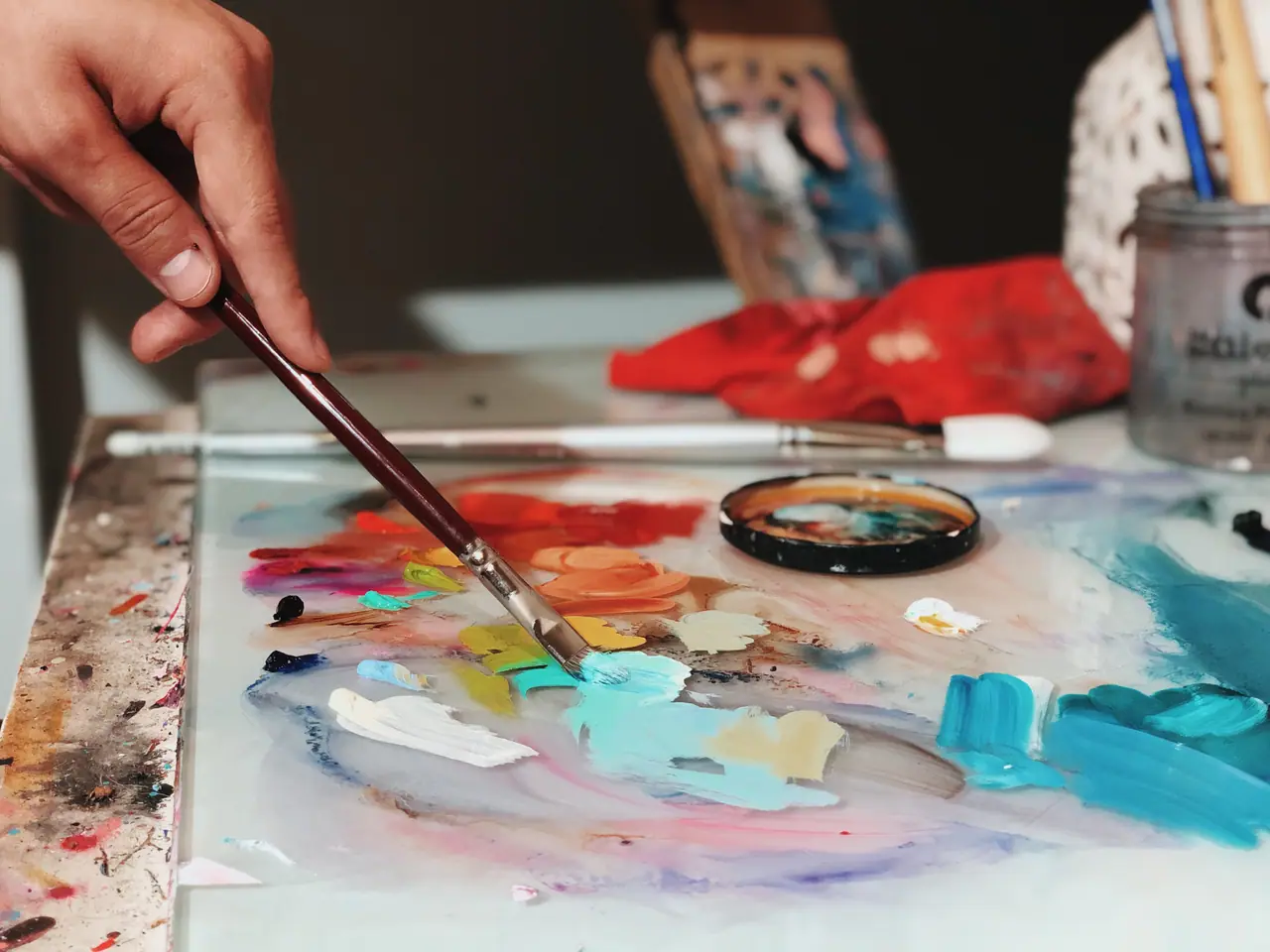
Instead of correcting endlessly, place fewer, more intentional strokes. A confident brushstroke carries energy and clarity that a dozen hesitant ones never will. Trust your training, commit to the mark, and let it stand. For more habits that keep your work loose and alive, our painting tips for artists collection is full of them.
How do you know when to stop?
You know it is finished when the focal point is clear, the values are strong, and the painting communicates the idea you set out to make. Recognizing that moment is one of the greatest skills an artist develops, and it is also one of the easiest ways to protect quality.
Many paintings lose their freshness because the artist keeps adjusting things that were already working. Sometimes the fastest way to improve a painting is simply to stop at the right moment. If you tend to push past that point and muddy your work, the ugly stage of painting explains how to tell a real problem from the normal middle of a piece.
Quick reference: eight ways to paint faster
- Start with a clear idea before you touch the canvas.
- Choose a strong reference so you stop guessing.
- Block in the big shapes and values before any detail.
- Time-box each stage of the session.
- Limit your palette to a few colors plus white.
- Save detail for the focal point only.
- Place confident strokes instead of correcting endlessly.
- Stop the moment the painting reads clearly.
Great art is not about rushing. It is about clarity, and clarity is a skill you can build. The fastest way to develop it with real structure and feedback is our free Two Week Challenge, where you make actual paintings instead of just reading about them. And if you want the dedicated walkthrough of this exact process, how to paint faster breaks it into a simple three-phase method. For more on the craft itself, the rest of the oil painting techniques collection is here whenever you want to keep going.
Frequently asked questions
How can I paint faster without losing quality?
Simplify your process instead of rushing. Start with a clear idea and a strong reference so you stop guessing. Block in the big shapes and value masses before any detail, time-box each stage, and work from a limited palette. Save detail for the focal point only, place confident strokes, and stop the moment the painting reads clearly.
Does painting faster mean lower quality?
No. Working faster often improves clarity, confidence, and expression. The loss of quality comes from rushing and overworking, not from speed itself. When you simplify your process and make decisions early, fewer, more intentional marks carry more energy than dozens of hesitant ones, so the work usually looks stronger, not weaker.
How do I stop overworking my paintings?
Decide in advance where the detail belongs, then leave the rest of the painting simplified. Detail reads as detail only because it is rare, so reserve it for the focal area. Place fewer, committed strokes instead of correcting marks endlessly, and learn to recognize the finish line: when the focal point is clear and the values are strong, it may already be done.
Should I use a time limit when I paint?
Time limits help most artists work more efficiently because they force you to prioritize what actually matters. Try breaking a session into stages, for example twenty minutes for drawing and composition, forty for the block-in, forty for refinement, and twenty for final accents. A simple timer keeps you honest and stops you from fussing over one area.
Why does a limited palette help me paint faster?
Too many color choices slow you down because every tube is another decision and another chance to second-guess a mix. A limited palette lets you mix faster, holds your color harmony together, and keeps your focus on value relationships instead of chasing the exact hue. Many master painters made powerful work with only a few colors.
What to practice this week
- Before you touch the canvas, write down three answers: where the focal point is, where the main light comes from, and the mood of the piece.
- Time-box one painting into four stages (drawing, block-in, refinement, accents) and set a timer for each so you cannot fuss over a single area.
- Paint one study using only four or five colors plus white, and notice how much faster you mix when the choices are limited.
Supplies used
About the author
More from Elli