The Ugly Stage of Painting: How to Fix a Painting That Looks Like a Disaster
Almost every strong painting passes through a stage where it looks terrible. That is not failure, it is the messy middle. Here is how to read it and bring the painting back.

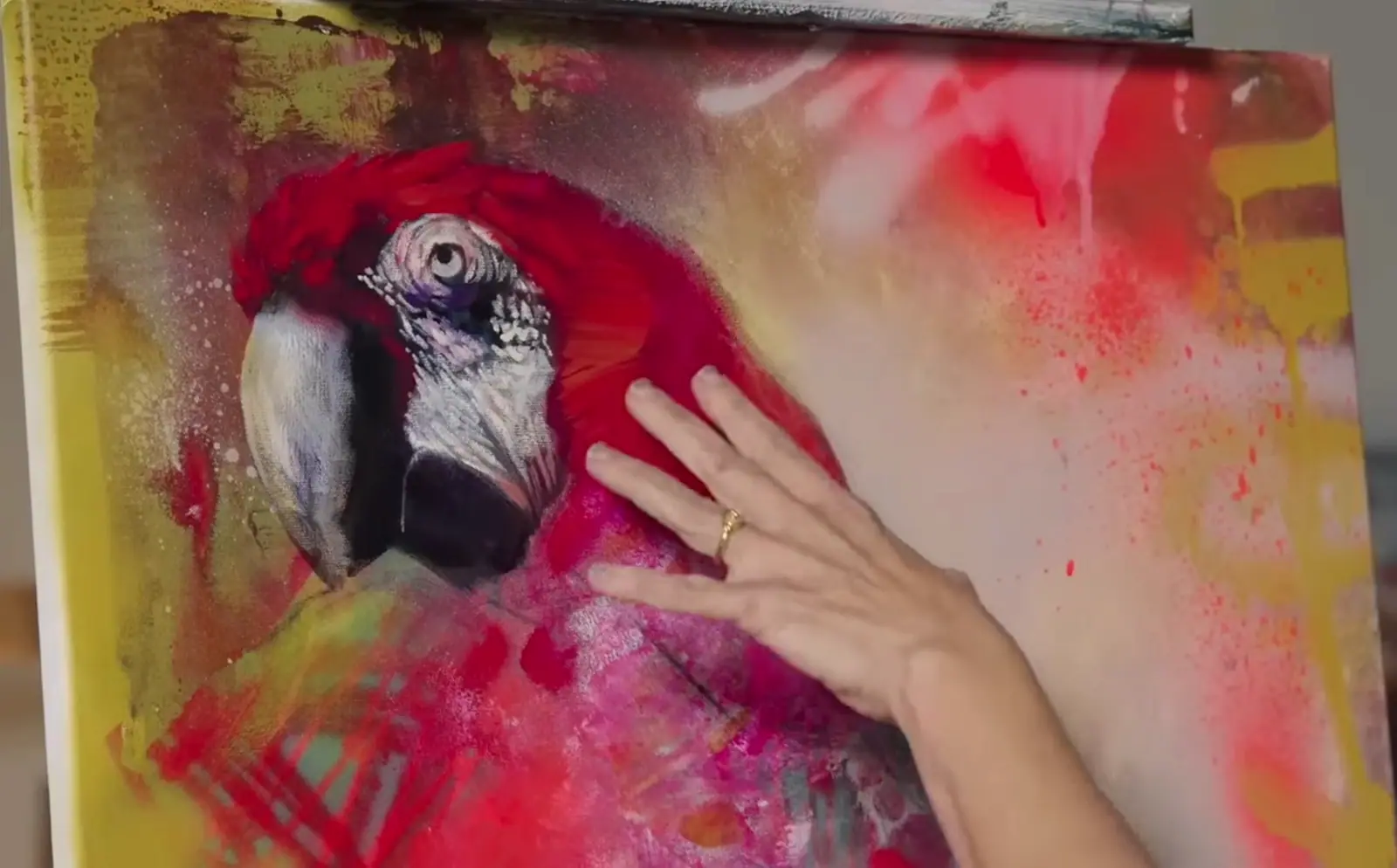
The ugly stage of painting is the messy middle where the structure of the painting is still being worked out, and almost every strong painting passes through it. If you have stepped back and your work suddenly looks muddy, stiff, or just wrong, you are not failing. You are in the exact phase that separates artists who grow from artists who quit. To bring the painting back, you work through it in order: reset your eyes, return to your reference, rebuild your values, simplify your shapes, adjust your edges, and restore color harmony. That is the whole repair, and none of it requires scrapping the canvas.
Every artist knows this moment. You step back from your painting and suddenly it looks terrible. The colors feel off. The drawing feels awkward. The whole painting looks muddy, stiff, or unfinished. This moment has a name, the ugly stage, and here is the important thing to remember: it is not a verdict on your ability. It is a normal, predictable point in the process. The artists who improve the most are simply the ones who learn how to move through this stage instead of abandoning the painting.
What is the ugly stage of painting?
The ugly stage is the point where a painting suddenly looks worse than it did an hour ago, even though you have not done anything obviously wrong. The colors stop cooperating, the forms feel clumsy, and the whole surface looks unresolved. It usually shows up in the middle of a piece, after the first confident blocking-in but before the structure is fully locked down. This is the stretch where most paintings are decided, because it is the moment beginners are most tempted to give up.
It helps to name it for what it really is. The ugly stage is not a sign that you lack talent or that the painting is ruined. It is the structural middle of the work, the place where values, shapes, and color are still finding their final relationships. Strong paintings are not the ones that skipped this phase. They are the ones whose makers knew how to read it and respond. If diagnosing your own work is hard, our guide on how to critique art gives you a repeatable way to see what is actually wrong instead of just feeling that something is.
How do you reset your eyes before fixing anything?
Before you change a single brushstroke, step back and reset your eyes, because most fixes go wrong when you are still buried in the details. Look at the painting from across the room. Squint at it. Take a photo on your phone and look at that instead. Each of these tricks forces you to see the painting as a whole rather than as the one stubborn area you have been staring at for the last hour.
Once you have distance, ask three simple questions:
- Does the value structure still make sense?
- Is the focal point clear?
- Does the lighting feel consistent?
Often the painting only feels ugly because you have been looking too closely for too long. Distance alone can reveal that the bones are fine and only one or two things actually need attention.
Why should you go back to your source?
Returning to your reference is one of the most powerful moves during the ugly stage, because paintings usually fall apart when they drift too far from the original visual information. Look again at your reference image, still life, or subject, and compare it honestly to what you have painted. The gap between the two is almost always where the trouble started.
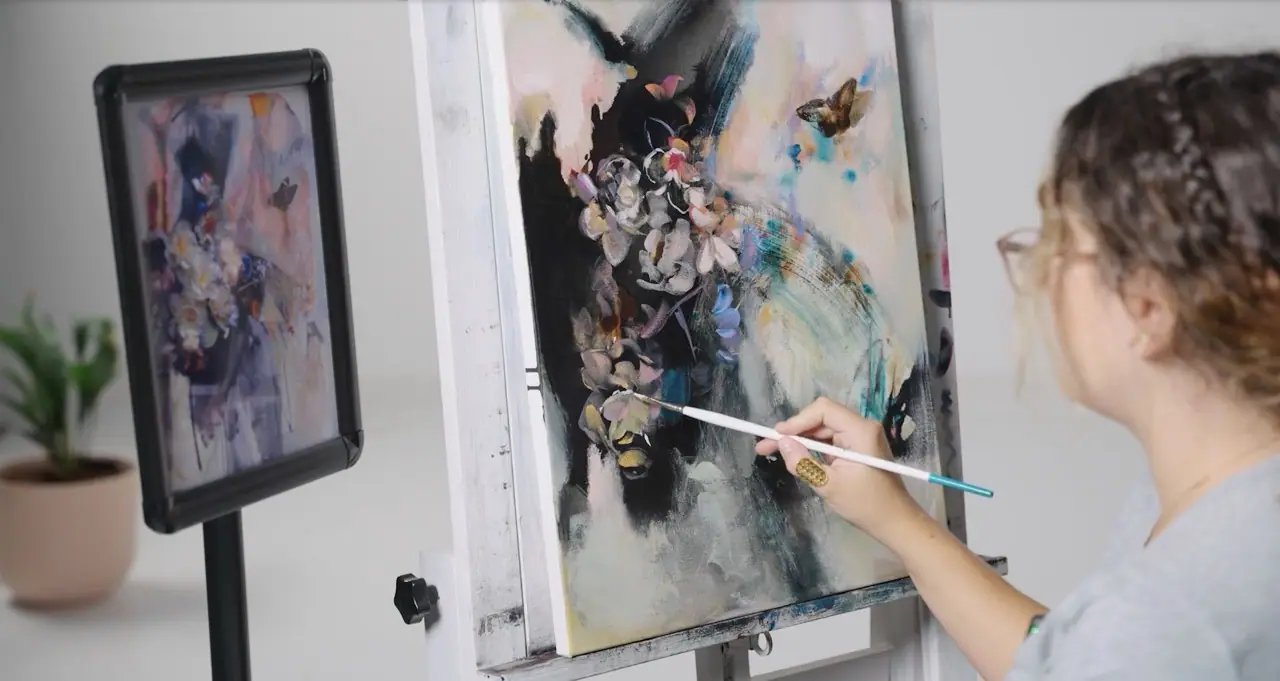
As you compare, ask yourself:
- What are the biggest shapes in the reference?
- Where are the darkest darks and the lightest lights?
- What is the clearest edge or focal area?
Going back to your source reconnects you with the truth of the subject and grounds the painting again. It is easy, deep in a piece, to start painting your assumptions instead of what is actually in front of you. The reference pulls you back to reality.
How do you rebuild the value structure?
Values are the backbone of your painting, so when things feel messy, simplify your values before you touch anything else. Squint at the canvas until you only see two main groups: the lights and the darks. Then strengthen those relationships. Clarify the separation between the light family and the shadow family so the two read as distinct groups rather than a muddle of mid-tones.
The reason this works is that a viewer reads value before they read color. Once the value structure is clear, the painting immediately becomes more legible, even before you fix the color. Strong paintings are built on strong value structure, full stop. If you want to go deeper on how value and the other fundamentals fit together, composition in art shows how these pieces work as a system.
How do you simplify the shapes?
Another common cause of the ugly stage is adding small details too early, which buries the painting’s design under clutter. When too many little shapes appear, the composition loses its clarity and the eye has nowhere to rest. The fix is to return to the large shapes and masses that carry the design.
Soften the areas that have become overly busy. Reinforce the main silhouette of your subject and make sure the whole composition still reads from across the room. Detail is the last thing you add, not the first, and only on top of shapes that are already correct. Great paintings are built on clear, confident shapes, and almost every muddy passage is really just too many competing small ones.
How do you adjust your edges?
Edges can make a painting feel chaotic when everything is equally sharp, so look for places where edges can soften and merge. Hard edges everywhere flatten the image and exhaust the viewer’s eye. By choosing where to soften, you guide attention and create a sense of depth.
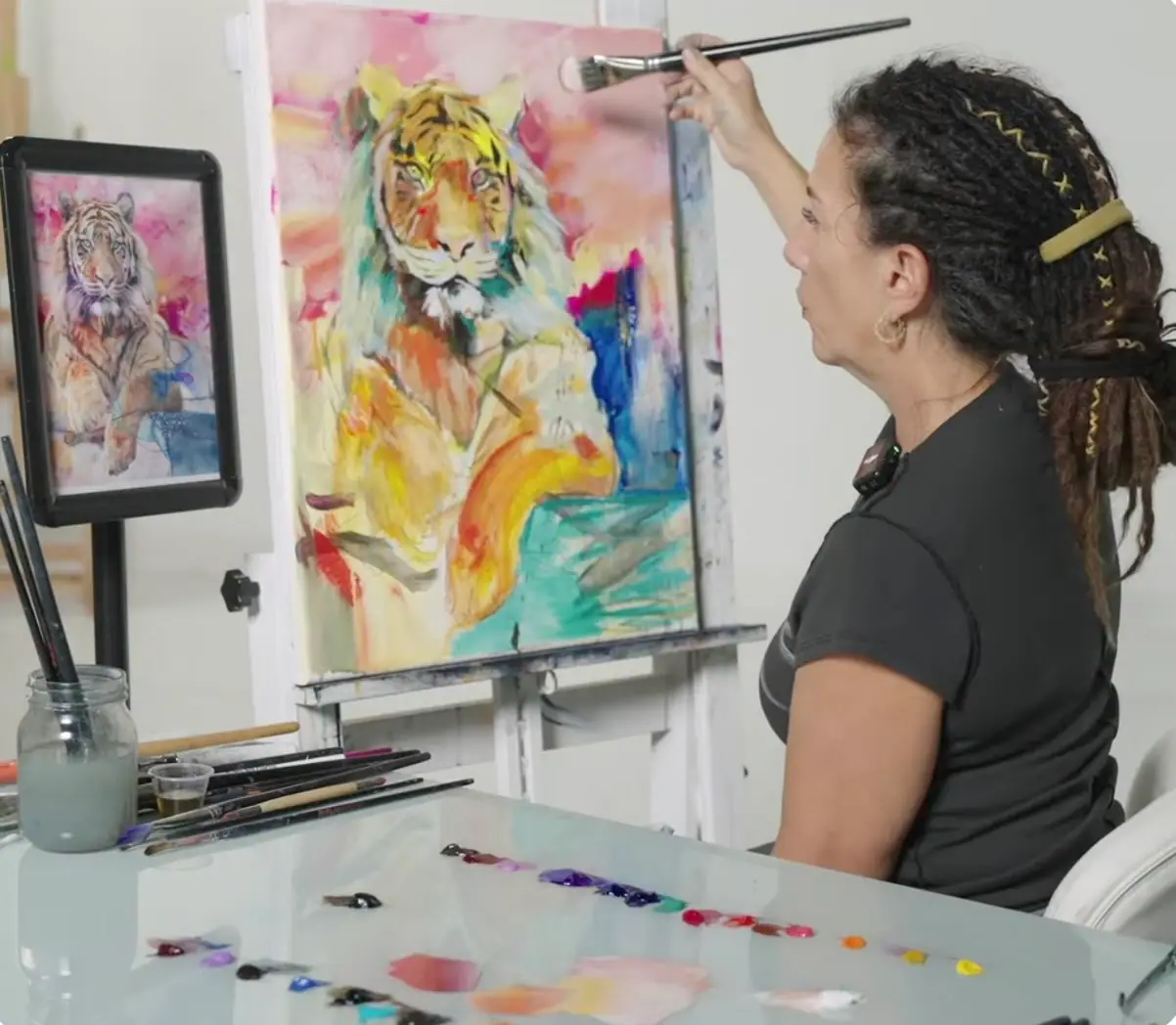
A reliable guideline is:
- Keep sharper edges near the focal point.
- Let edges soften as forms move away from it.
This one adjustment can bring a surprising amount of calm and structure back to a painting that felt frantic. Edges are quiet, but they do an enormous amount of the work in directing the eye. This is true across mediums, and it is one of the recurring lessons in our broader painting techniques guide.
How do you bring back color harmony?
Sometimes the ugly stage appears because the colors have started competing with each other instead of belonging to the same painting. You can restore harmony by gently adjusting the color relationships, toning down an area that has become too bright, or glazing a unifying color across a section so the whole passage feels related.
Think of the painting like an orchestra. Every color should feel like it belongs to the same piece of music rather than playing its own tune. A painting that looks “off” is often perfectly drawn and well-valued, it just has one or two colors shouting over the rest. This is a frequent culprit when work goes flat or garish, and the same logic is at the heart of why an acrylic painting looks flat and how to lift it.
Why should you trust the process?
You should trust the process because the ugly stage is not a beginner’s problem, it is a universal one. Professional artists hit it constantly. The only real difference is that experienced painters recognize it quickly and know how to respond instead of panicking. They step back. They return to the source. They simplify values and shapes. They adjust edges and color harmony. And gradually, the painting begins to resolve.
What feels like a disaster today may simply be the middle step toward something beautiful. Learning to diagnose and repair a struggling painting is one of the most valuable skills you can build, because it is the difference between finishing work you are proud of and quitting on canvases that were closer than they looked. If a painting truly is beyond rescue, knowing how to start over on an oil painting without losing what you learned is its own useful skill, but try the steps above first.
Your next breakthrough painting might already be sitting on your easel, needing only a few thoughtful adjustments. If you want a clear, guided way to practice these fundamentals from start to finish, our free Two Week Challenge walks you through making real paintings, not just reading about them. And when you want to go deeper on the techniques behind every fix in this post, the rest of the oil painting techniques collection is here for you.
Frequently asked questions
What is the ugly stage of painting?
The ugly stage is the point in a painting where it suddenly looks terrible: the colors feel off, the drawing feels awkward, and the whole thing reads muddy, stiff, or unfinished. It is not a sign of failure. It is the messy middle where the structure of the painting is still being worked out, and almost every strong painting passes through it before it resolves.
Why does my painting look muddy or worse than when I started?
A painting usually looks worse partway through because the values, shapes, or colors have drifted out of order, not because you lack skill. Muddiness often comes from colors competing with each other or from adding small details before the big structure is solid. Step back, simplify your values into two main groups, and the painting will read more clearly almost immediately.
How do I fix a painting that looks like a disaster?
Work in order rather than reacting to everything at once. Step back and reset your eyes, return to your reference, rebuild the value structure, simplify the shapes, adjust your edges, and restore color harmony. Each step addresses one cause of the ugly stage, so fixing them one at a time keeps you from making the painting busier while trying to save it.
Is the ugly stage normal even for professional artists?
Yes. The ugly stage is not something only beginners experience. Professional artists run into it constantly. The difference is that experienced painters recognize it quickly and know how to work through it, so they step back, return to the source, simplify values and shapes, and adjust edges and color rather than panicking or abandoning the canvas.
Should I scrape off a painting or keep going through the ugly stage?
In most cases, keep going. What feels like a disaster is usually the middle step toward something resolved, and abandoning the canvas robs you of the lesson in fixing it. Work through the steps first. If the underlying structure is truly unrecoverable, starting a fresh layer or canvas is a valid choice, but try diagnosing and repairing before you give up.
What to practice this week
- Photograph your struggling painting on your phone and look at it in grayscale, this instantly shows you whether the value structure is holding up.
- Squint at the painting until you see only two groups, lights and darks, then strengthen the separation between those two families before touching anything else.
- Pick the single busiest area of the painting and soften or simplify it, reducing small competing shapes back into one larger mass.
Supplies used
About the author
More from Elli