How to Create a Good Composition in Art: A Complete Guide to Composition
Composition is where you place your subjects so a painting holds the eye and moves people. Here is how strong composition actually works, from canvas size to the rule of thirds to the golden rectangle.
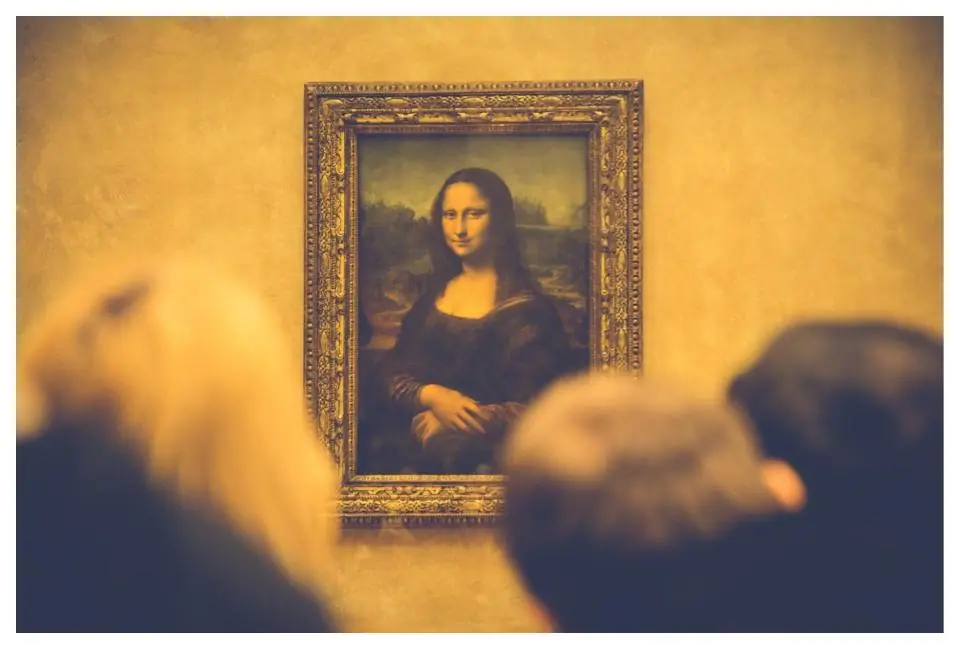
Good composition in art is the deliberate placement of your subjects so a painting feels balanced and pulls the viewer’s eye through it. It seems simple enough: make something with compelling imagery and the rest is cake. But where you place your subjects, how they sit against the space around them, and where the eye lands first are the real choices that decide whether a piece holds someone or loses them. Study almost any famous acrylic painting and you will notice strong composition sitting quietly at the heart of its impact. This guide walks through the choices that build it, from canvas size to sources to the rule of thirds and the golden rectangle.
There are several elements to consider when you make art: line, color, scale, subject matter. Composition is the one that ties them together. Many steps go into getting it right, including scale, imagery, cropping, the rule of thirds, the golden ratio, and even what is going on inside you as the artist. Let’s take them one at a time.
What is composition in art?
Composition in art is where you place your subjects within a piece, and how those placements work together to feel balanced and intentional. It is not just keeping a subject inside the lines. It covers the size and shape of your surface, the way positive space plays against negative space, where your focal point sits, and how a viewer’s eye moves through the whole arrangement. Excellent composition sets the stage for the story you tell with your paintbrush, which is why it carries so much of a painting’s visual impact before anyone consciously notices it.
How do you choose the right canvas size for a composition?
Choose a canvas size and ratio that fits the idea you already have in mind, because the dimensions you pick shape everything that follows. Different sizes really do change how a composition reads. If you are working on a tall, skinny canvas with a 1:3 or similar ratio, you need imagery that suits that shape, or some of your design elements will look wonky in the finished piece.
Picture a blue whale swimming forward or a woman lying down horizontally. Neither of those may sit comfortably on a narrow vertical canvas. The imagery you choose should fit inside the perimeter of the surface and make sense for the idea you are chasing. Plot it out first. (For a deeper look at how surface and shape affect your work, here is how to choose a canvas that fits your idea.)
How do you choose good sources for your art compositions?
Choose sources where everything feels comfortable, with one clear focal point and no images crowding the edges. Positive space needs to be balanced by negative space, and a single focal point should rise above all the others. Avoid tangent edges, build in a bit of overlap, and steer clear of any arrangement that leaves the viewer feeling trapped, stuck, or like the subject is falling.
A simple example: if you have a figure running to the right, leave room in front of them to run. Place a subject in motion facing the edge of the canvas with nowhere to move and the viewer feels boxed in. When you gather or build your imagery, plot it onto the correct canvas ratio to save time, and make sure nothing is awkwardly chopped or sitting in a strange position.
With animals, avoid exaggerated or skewed perspectives and heavy foreshortening. Look for references where all the legs and limbs show, with as much detail as possible. That is a rule of source making in general. And do not get seduced by beautiful photography, though you can absolutely learn a lot about composition by studying a good photograph.
How do you take your own source photos for a painting?
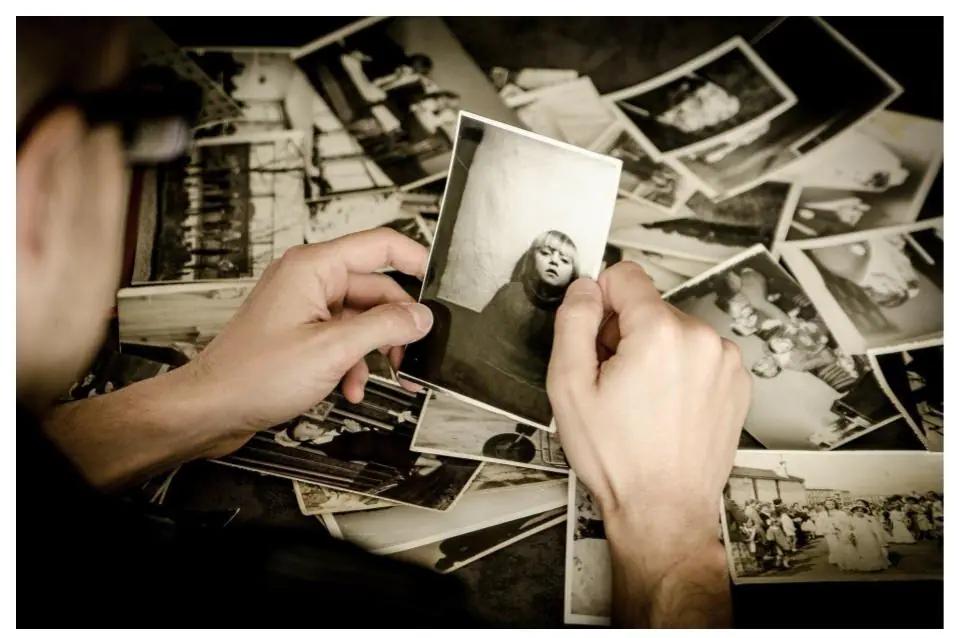
Take your own source photos when you cannot find the right reference, and treat it as a different job than shooting a beautiful, dramatic photo. Finding the perfect image for a specific painting idea can be a long, frustrating task, which is exactly why so many artists shoot their own. Think about the story the photo creates and how it will translate into a painted piece.
Consider your own style as you shoot. If you paint hyper-realism, you want every element of your source to be exactly what you want in the painting, or at least to be aware of it. If you are a more expressive artist, the background details may matter less, but you still need your subject lit with the right contrast and held in focus.
Lighting is the key. Illuminate your subjects so they have core and cast shadows, which create drama and dimension. A washed-out subject leaves you with almost no information to paint from, and that breeds frustration. Set your light on the left or right side so the subject picks up varied cores and cast shadows, and keep your main imagery in perfect focus. There is nothing worse than painting from a blurry, unclear source.
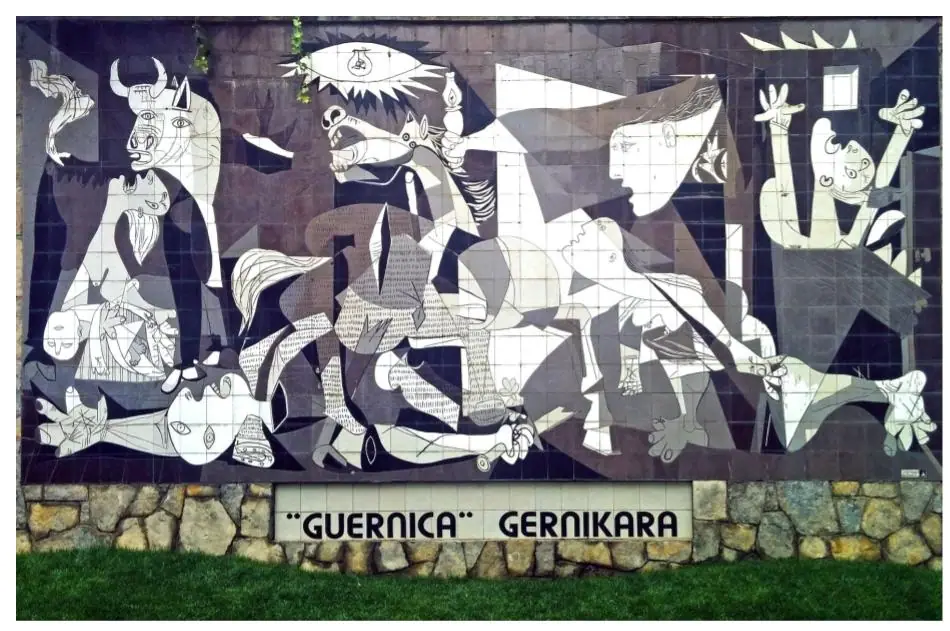
Take a lot of photos. Many will be unusable, but the perfect source is in there somewhere. If you shoot outside, watch where shadows fall so unwanted ones do not block detail or carve strange, unflattering shapes onto your subject. Stay aware of the horizon line and the implied lines created by the elements in your reference, too. Some brilliant compositions come from playing with these features, but you have to use design elements like implied lines intentionally. Picasso’s Guernica is a masterclass in using actual and implied lines to move the eye around a painting. You always have artistic license to paint out what you do not want, but starting from a solid source makes the whole job easier.
How do you crop and combine photos for a stronger composition?
Crop and combine your photos to rescue good imagery that does not work straight out of the camera. You will always end up with unusable frames from a photoshoot, but plenty of them work fine with the right crop. Cropping to follow the rule of thirds can turn a marginal photo into a great source candidate.
When you crop, watch that you are not cutting things awkwardly: a woman’s arm sliced at the elbow, the top of a head clipped off. Look for generous overlap in the piece and avoid those uncomfortable cuts. Combining photos is another strong move when you want to merge ideas from multiple shoots. Planning your composition this way is easy. You can do it on your phone or laptop in an editing app, or simply sketch it out on a piece of paper before you commit anything to canvas.
What is the rule of thirds in art?
The rule of thirds divides your canvas into three equal sections horizontally and vertically, and you place your focal point where those lines intersect. Imagine the grid laid over your surface. The four intersection points are the ideal spots for a focal point.
The worst place you can put your focal point is dead center, which many artists do without realizing it. It feels logical, since you want the viewer to look there and the middle seems obvious. But great composition lets the viewer’s eye travel around the piece and then return to where it started. With a centered focal point, the eye tends to get stuck and the viewer moves on quickly. An off-center focal point keeps them looking.
What is the golden rectangle in composition?
The golden rectangle uses the proportions of the Fibonacci sequence to create natural symmetry and balance in a composition. The most beautiful flower bulb, the most intricate snail shell, and the most breathtaking work of art all carry this same compositional structure. The closer your work gets to recreating it, the more naturally beautiful the result feels.
Drawing from life is how you internalize it. When you observe the proportions of bodies, plants, and everything around you, you start to absorb how the ratio appears in nature. Draw and paint from life enough and you develop an internal sense of it, and you begin folding it into your work without measuring. We are simply drawn to imagery that sits inside this divine rectangle, because it satisfies a primal pull toward beauty and balance.
How does your inner self show up in your composition?
Your composition is often a quiet record of what is going on inside you. The art you make tends to reveal your inner state, and composition is one of the clearest places it surfaces. Artists who lived through a chaotic childhood often gravitate toward structured, linear compositions, while those raised under strict, reformed conditions tend to crave chaos and freedom in how they arrange a piece.
It is a fascinating dynamic. Look at any of your favorite artists. Is their composition full of organic shapes, lots of small overlapping objects, straight lines and precision, or a little of everything? The next time you admire a work, sit with its composition for a moment. What you are drawn to tends to say as much about you as it does about the artist. If this pulls you toward understanding your own visual instincts, how to find your art style is a good next step.
A quick checklist for stronger composition
There is far more to composition than keeping a subject inside the lines, so here is the short version to keep nearby as you plan a piece:
- Pick your canvas size and ratio first, before you choose imagery.
- Find compelling imagery with a single clear focal point.
- Build in overlap, avoid tangent edges, and crop with intention.
- Place your focal point on a rule of thirds intersection, not the center.
- Trust the golden ratio, the divine proportion that lives in all of us.
Composition is one of the 7 elements of art that separate a flat piece from one that holds people, and it rewards study more than almost any other. If you are unsure about a new composition, phone a friend. Ask someone with fresh eyes and no attachment to the idea whether anything feels uncomfortable, listen to what they notice, and adjust. Once it feels right, take it to the canvas.
If you want a structured, supported way to build these skills from the ground up, our free Two Week Challenge walks you through real painting from day one, and the rest of our oil painting techniques collection is here when you want to keep going. Great composition is a learnable skill, and every piece you plan with intention makes the next one stronger.
Frequently asked questions
What is composition in art?
Composition is where and how you place your subjects within a piece so the whole thing feels balanced and intentional. It covers scale, the size and shape of your surface, how positive space sits against negative space, where your focal point lands, and how the eye travels through the work. Strong composition is what gives a painting its visual impact before a viewer ever notices why.
How do you create a good composition in art?
Start by choosing a canvas size and ratio that fits the idea you have in mind. Build or gather reference sources with one clear focal point, generous overlap, and no awkward tangent edges. Place that focal point on a rule of thirds intersection instead of dead center, leave room for any subject in motion to move into, and let the golden rectangle guide your proportions toward something that feels naturally balanced.
What is the rule of thirds in art?
The rule of thirds divides your canvas into three equal parts horizontally and vertically, creating a grid with four intersection points. Placing your focal point on one of those intersections, rather than in the dead center, lets the viewer's eye travel around the piece and return, which keeps them looking longer. A centered focal point tends to trap the eye and make people move on quickly.
What is the golden rectangle in composition?
The golden rectangle uses the proportions of the Fibonacci sequence to create natural balance in a composition. The same ratio shows up in flower bulbs, snail shells, and the human body, which is why work built on it feels pleasing to us. The more you draw and paint from life, the more this proportion becomes instinctive, because you absorb it by observing how it appears everywhere in nature.
Why does composition matter so much in a painting?
Composition is what moves people before they understand why. A piece with compelling imagery but weak composition feels flat or uncomfortable, while strong composition sets the stage for the story you are telling with paint. It guides the viewer's eye, holds their attention, and creates balance, which is why great composition sits at the heart of nearly every painting that has lasted.
What to practice this week
- Plot your idea onto the correct canvas ratio before you commit to a surface, so your imagery sits comfortably inside the perimeter instead of fighting the dimensions.
- Take your own reference photos with strong side lighting and sharp focus, shooting far more frames than you need so the right source is in there somewhere.
- Sketch your composition on paper or a phone editing app, placing your focal point on a rule of thirds intersection and checking for tangent edges before you ever touch the canvas.
Supplies used
About the author
More from Elli