Art Critique: How to Critique Art Using the Elements of Art (12 Ways)
Self-critique is the habit that grows you fastest. Here are 12 questions, built on the elements of art, that show you exactly what is working in a piece and what to fix next.

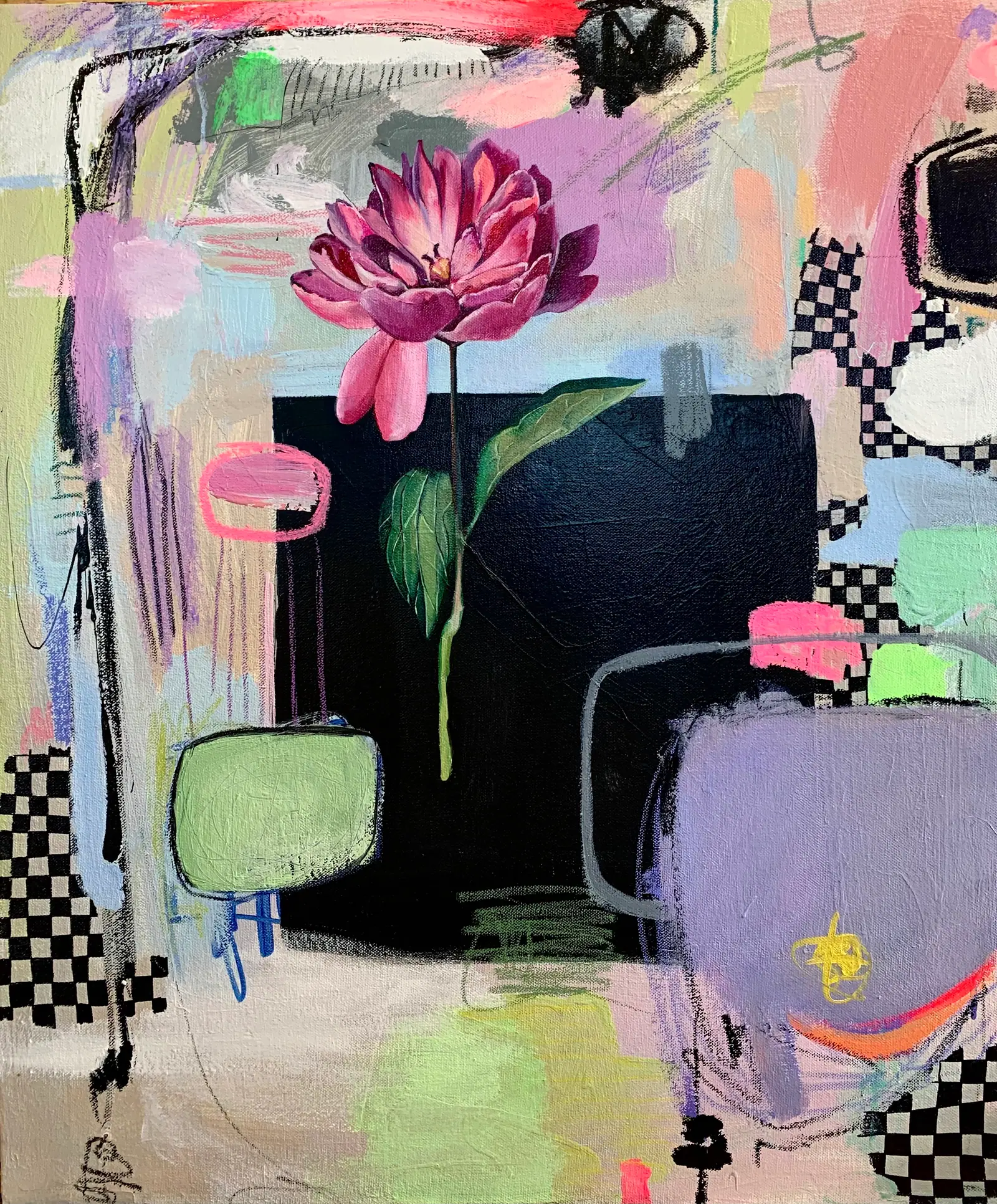

To critique art, work through the elements of art one at a time and ask what each one is doing. Check line, shape and form, space, texture, value, and color, then step back and judge composition, theme, and emotional impact. For every element, name what is working before you name what is not. Then find the single weakest element and fix that first, instead of trying to repair everything at once. This is the same structure a juror or a teacher uses, and you can run it on your own work in about ten minutes.
Self-critique is one of the most transformative habits an artist can build. It grows you with clarity, strengthens your artistic voice, and lifts every piece you make. The trick is to make it structured rather than emotional. A vague feeling that something is off rarely tells you what to change. The elements of art give you a checklist, so your eye stops reacting and starts diagnosing. Below are twelve questions, organized by element, that turn that fuzzy feeling into a clear next step.
How do you critique art using the elements of art?
Critique art by examining each element of art on its own, then judging how they work together. The elements are line, shape, form, space, texture, value, and color, and most working artists add layers, composition, theme, and presentation to that list. Looking at one element at a time keeps you from being overwhelmed by the whole image, which is where most self-critique stalls. If you want the foundation first, our guide to the 7 elements of art explains what each one is and how painters use it. The twelve questions that follow walk you through a full critique from voice to market readiness.
1. Does the piece reflect your authentic voice?
Before you analyze a single technique, ask whether the work feels like you. Your voice is the anchor, and the elements only help you express it more clearly. Ask yourself:
- What emotion or truth did I want this piece to express?
- Did I stay connected to that intention as I worked?
- Does this feel like a natural extension of my voice, or like an imitation of someone else’s?
If the answer to that last question is shaky, no amount of polished technique will save the piece. Start here, because everything below is in service of the thing you are actually trying to say.
2. How do you evaluate the use of line?
Line directs movement and energy through a composition, and it is one of the easiest elements to overlook and one of the quickest to strengthen. Ask:
- Do my lines create flow, rhythm, or motion?
- Did I use a variety of lines to keep the piece visually interesting?
- Did I build that variety with different brush shapes, like flats, filberts, rounds, and liners?
- Are there any unintentional lines pulling the viewer away from the focal point?
- Do my lines support the emotion or energy I intended?
Variety in line adds life and guides the viewer through your composition. If line is the element you most want to sharpen, how to use line in art goes deeper into movement and emotion.
3. Are your shapes and forms intentional?
Shape and form give your artwork structure, so they should feel intentional and harmonious rather than accidental. Reflect on:
- Are my shapes balanced and visually appealing?
- Do my forms feel dimensional and convincing?
- Are any forms competing for attention without a purpose?
Shapes and forms should work together to support your main idea, not fight each other for the spotlight.
4. Does your use of space create depth?
Space controls depth, movement, and the viewer’s experience inside the artwork, which is where foreground, middle ground, and background become essential. Ask:
- Is there a clear, intentional foreground that draws the viewer in?
- Does the middle ground support the main story or subject?
- Does the background create depth without overpowering the focal point?
- Are any areas unintentionally crowded or empty?
A strong sense of space lets the viewer travel through the composition and experience the painting as a complete environment.
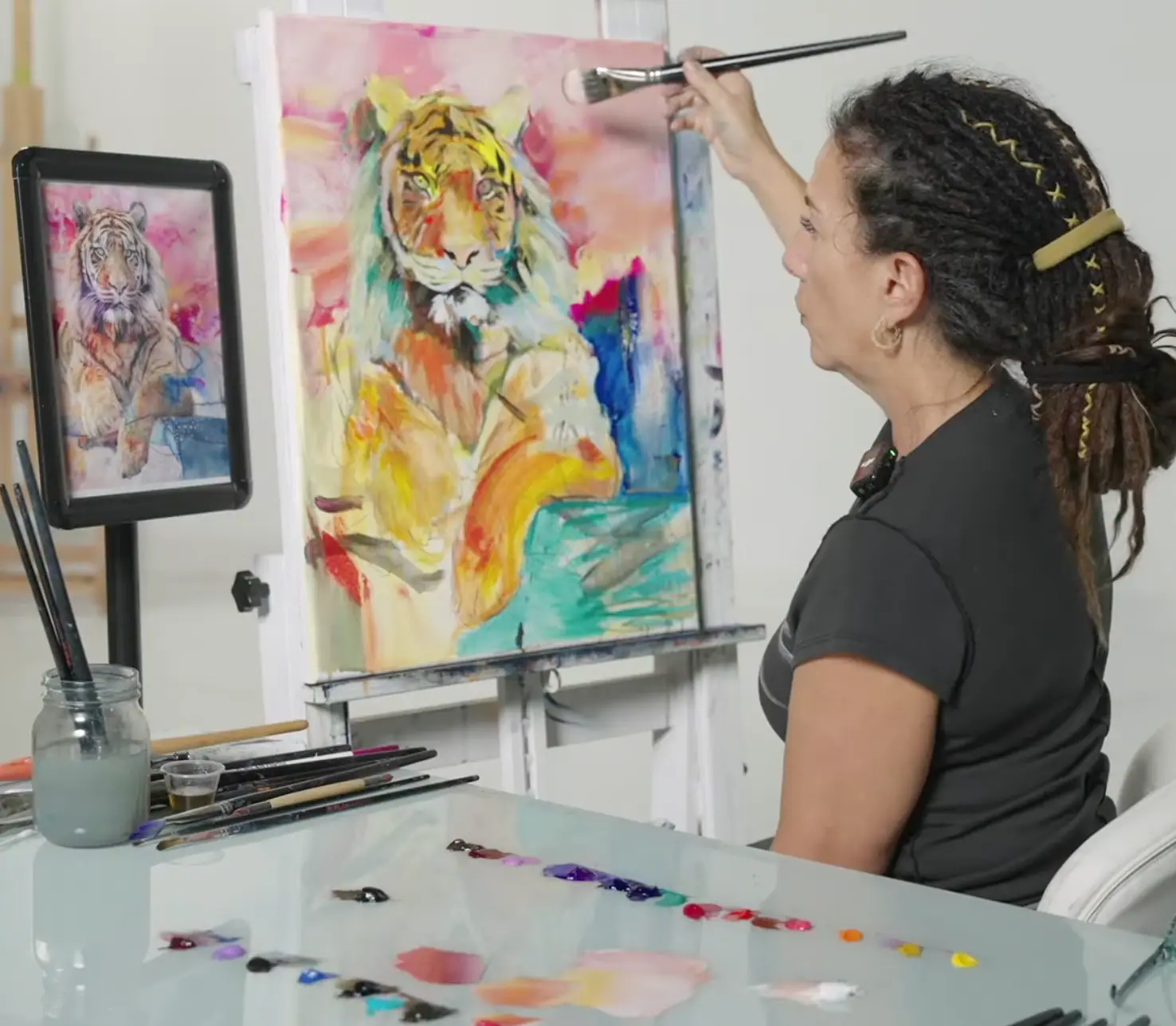
5. Is your texture intentional?
Texture adds richness and sensory interest, and it can make a piece feel alive. The key word is intentional. Ask yourself:
- Is my texture deliberate, not accidental?
- Does the surface quality support the theme or mood?
- Are there any unwanted bumps, clumps, stray hairs, or rough spots?
Clean craftsmanship communicates professionalism. Texture should read as a choice, not a mistake you left behind.
6. Do your layers build depth and history?
Layers are the backbone of depth, complexity, and interest, and a well-layered painting reveals a rich history beneath the final strokes. Consider:
- Do my layers build up gradually and intentionally?
- Does each layer add meaning, texture, contrast, or atmosphere?
- Are there areas that feel too flat because they lack layering?
- Am I letting the underpainting, transparencies, and glazes contribute to the final story?
Balanced layering gives a painting vibrancy and visual history, the kind of depth collectors love to explore.
7. Is your value structure strong?
Value creates contrast, depth, and focal points, which makes it one of the most important elements to critique. Check for:
- A clear value structure that runs from your darkest darks to your lightest lights.
- Strong contrast around the focal point.
- Gradations that feel smooth and intentional.
If the values are weak, the entire piece can feel flat or confusing, no matter how good the color is. A fast way to test this is to view the work in black and white on your phone and see whether the focal point still reads.
8. Is your color story clear?
Color shapes emotion and unifies your work, so it needs a clear, recognizable story rather than a scattering of unrelated hues. Reflect on:
- Do I have rich, intentional color?
- Did I include transitional tones that connect the palette?
- Am I using a clear and recognizable color story?
- Are there any distracting or unnecessary colors?
When the color story is clear, the artwork becomes more expressive and more collectable. If you want to tighten how you mix and relate colors, the color wheel for painting is the tool to reach for, and color symbolism in art helps you choose hues that carry the meaning you intend.

9. Does the composition work as a whole?
Step back and view the work from a distance, then judge the overall structure as a single image. Ask:
- Does the eye flow through the piece naturally?
- Is there life, movement, or energy?
- Are the groupings intentional, in twos, threes, or fives?
If you have two main subjects, check for harmony rather than conflict. Composition sets the stage for everything else, so a piece with clean elements but a broken composition will still feel wrong.
10. Are there psychological triggers working against you?
Some visual choices quietly create discomfort and push the viewer away without anyone knowing why. Look for:
- Paths that lead nowhere.
- Empty chairs or tables that feel abandoned.
- Figures or scenes that feel isolated or stagnant.
Your artwork should invite viewers in and make them feel connected to the story, not subtly uneasy. This is a clarity in art issue: when something feels off but you cannot name it, a hidden trigger is often the cause.
11. Does the theme carry real emotional impact?
Viewers and collectors connect most deeply with themes that are inspiring, beautiful, or open to interpretation. Consider:
- Is my theme too literal, or does it leave room for the viewer’s imagination?
- Does the mood align with my intention?
- Is the piece unique, not derivative?
Great art lets the viewer help complete the story. A theme that explains everything leaves nothing for them to feel.
12. Is the piece presentation and market ready?
Presentation communicates confidence and care, and it is the step most artists rush. Before a piece leaves the studio, make sure it is:
- Signed.
- Varnished.
- Clean on the edges.
- Fitted with a wire hanger.
- Free of cracks, rips, dents, or unwanted texture.
Then ask the harder questions about where this work is headed:
- Would this artwork look strong in a modern living room, bedroom, or lobby?
- Is the size appropriate for its intended space?
- Does the price reflect my skill level and past sales?
- Do I know who my ideal buyer is?
If you are unsure about the last two, how to price your paintings walks through a clear formula, and how to display artwork in a gallery shows what gallery-ready really looks like. You can also mock the piece into a room photo to test scale and fit before you ever frame it.
How do you turn a critique into one improvement?
Pick the single change that would lift the piece the most, and make only that. Self-critique should empower you, not bury you. Once you have worked through all twelve questions, you will usually have a list of things you could change, and trying to fix all of them at once is how good paintings get muddy. Instead, ask one question: what is the one small improvement that would elevate this piece the most? Make that change, then run the critique again and see if it held.
That is the whole discipline. The elements of art give you the structure, the questions give you the focus, and the one-improvement rule keeps you from spiraling into harshness. When you critique with clarity, kindness, and curiosity, your growth becomes more joyful and far more intentional. If you want a structured place to practice this with feedback from working artists, our free Two Week Challenge is built for exactly that, and the rest of our oil painting techniques collection is here when you want to keep building your eye.
Frequently asked questions
How do you critique art?
Critique art by working through the elements of art one at a time instead of reacting to the whole image at once. Look at line, shape and form, space, texture, value, and color, then step back and judge composition, theme, and emotional impact. For each element, name what is working and what is not, and stay specific. A good critique describes before it judges, so you end with clear, fixable observations rather than a vague feeling that something is off.
What are the elements of art used in a critique?
A critique built on the elements of art looks at line, shape, form, space, texture, value, and color, and many artists add layers, composition, and presentation. These give you a checklist so nothing important gets skipped. The principles of art, like balance, contrast, movement, and unity, then describe how those elements work together across the whole piece. Together the elements and principles turn a gut reaction into a structured, repeatable way to read any artwork.
How do you critique your own painting without being too hard on yourself?
Start by naming what is working before you hunt for problems, because self criticism in art tips into harshness fast. Then look for the single weakest element rather than trying to fix everything at once. Frame each note as a next step, not a verdict on your talent. The goal of self reflection in art is clearer growth, so ask one question: what one change would lift this piece the most?
What is an example of an art critique?
An art critique example might read like this: the warm focal point reads clearly because of strong value contrast, the line work creates good flow toward the figure, but the background competes for attention and the color story drifts in the lower left. The fix is to gray down the background and tie the lower corner to the main palette. Notice it describes specific elements, points to evidence in the work, and ends with one clear improvement.
What is the difference between the elements and principles of art?
The elements of art are the building blocks you put on the surface: line, shape, form, space, texture, value, and color. The principles of art are how you arrange those blocks: balance, contrast, emphasis, movement, rhythm, pattern, and unity. In a critique you check the elements to see what is present, then check the principles to see whether those parts work together. Strong work usually has both clean elements and intentional principles.
What to practice this week
- Pick a finished piece and write one honest sentence for each element of art: line, shape, space, texture, value, and color. Note what works before what does not.
- Step back six feet from the work, or view it as a phone photo, and judge the composition and value structure alone, ignoring detail.
- Choose the single weakest element from your notes and make one focused fix, then critique it again to see if the change held.
Supplies used
About the author
More from Elli