Painting Tips for Artists: 50 Tips to Improve Your Work Faster
Some lessons take years to learn the hard way. These 50 painting tips compress them into one list: materials, foundation, color, technique, and the detailing habits that make work read.
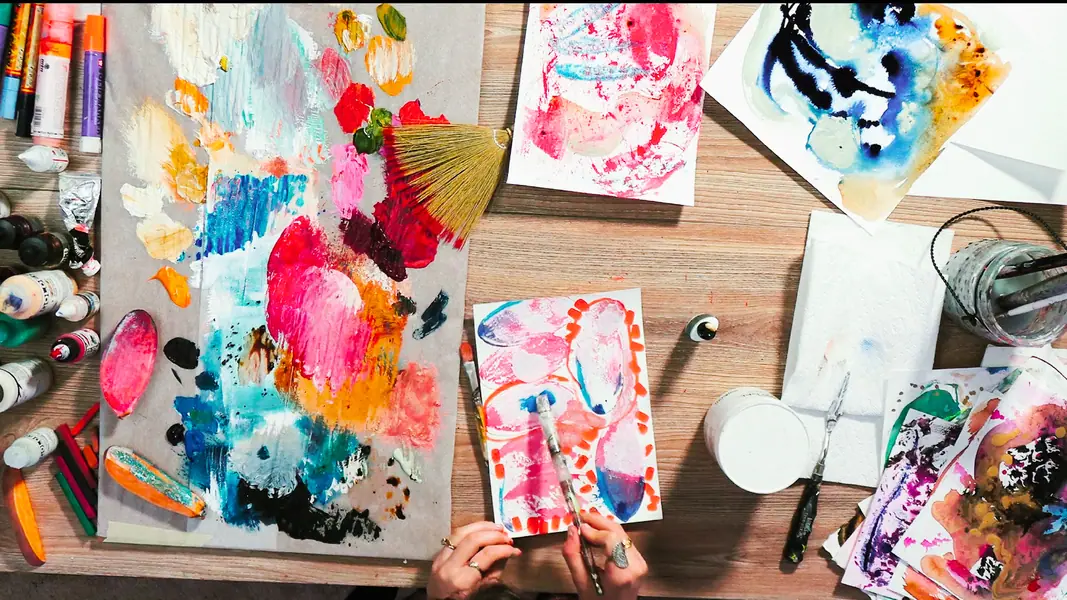
Here are 50 painting tips for artists, grouped so you can fix the right thing at the right time: materials, foundation, color, technique and detailing, and mindset. The fastest way to improve is not to chase realism harder. It is to get the fundamentals right in order. Use materials you trust, establish value before color, work from loose shapes to tight detail, and save your detailing for the very end, only where you want the eye to land. Then paint consistently, because reps beat talent every time.
Here is the thing: most of these tips look obvious written down. The trouble is that nobody does them in the right order. They reach for detail before the big shapes work, or pile on color before the values read, then wonder why the painting feels off. So read this as a sequence, not a grab bag. Whether you are a complete beginner working through oil painting 101 or an experienced painter sharpening your detailing, these are the lessons most artists wish they had learned sooner.
How do you set up your materials to paint better?
Use the best materials you can afford, then organize them so the work is easy to start. Good tools will not make you a better painter on their own, but bad ones quietly cost you time and patience. Here are the first ten tips, all about your materials and setup.
- Use the best materials you can afford. Better paint, brushes, and surfaces save you time and frustration. Cheap paint with weak pigment fights you on every mix.
- Prep your canvas well. A smooth or textured ground sets the stage for everything that follows.
- Learn how your mediums behave. Acrylics, oils, watercolor, inks, and mixed media all bring unique advantages. Get to know one before you judge it.
- Do not skip gesso. It improves adhesion and protects your surface, so your paint sits and lasts the way it should.
- Choose brushes with intention. Flats for bold marks, rounds for detail, filberts for blending. Our guide on how to choose a paintbrush breaks down the shapes.
- Swap out muddy water often. Clean tools equal clean color. Dirty water greys down every mix without you noticing.
- Use a stay-wet palette for acrylics. It keeps your mixes workable longer, which matters because acrylics dry fast.
- Try unconventional tools. Palette knives, credit cards, rags, and brayers create marks a brush never will.
- Test new surfaces. Wood panels, canvas pads, and watercolor paper each change how the paint moves and how you approach it.
- Organize your studio. When materials are easy to find, creativity flows and you actually start.
How do you build a strong foundation in a painting?
Start with value and big shapes, not color and detail. The foundation of every painting that reads well is correct value structure and a strong composition underneath. Get this layer right and everything you add on top has somewhere to land. These ten tips are the underdrawing of your skill.
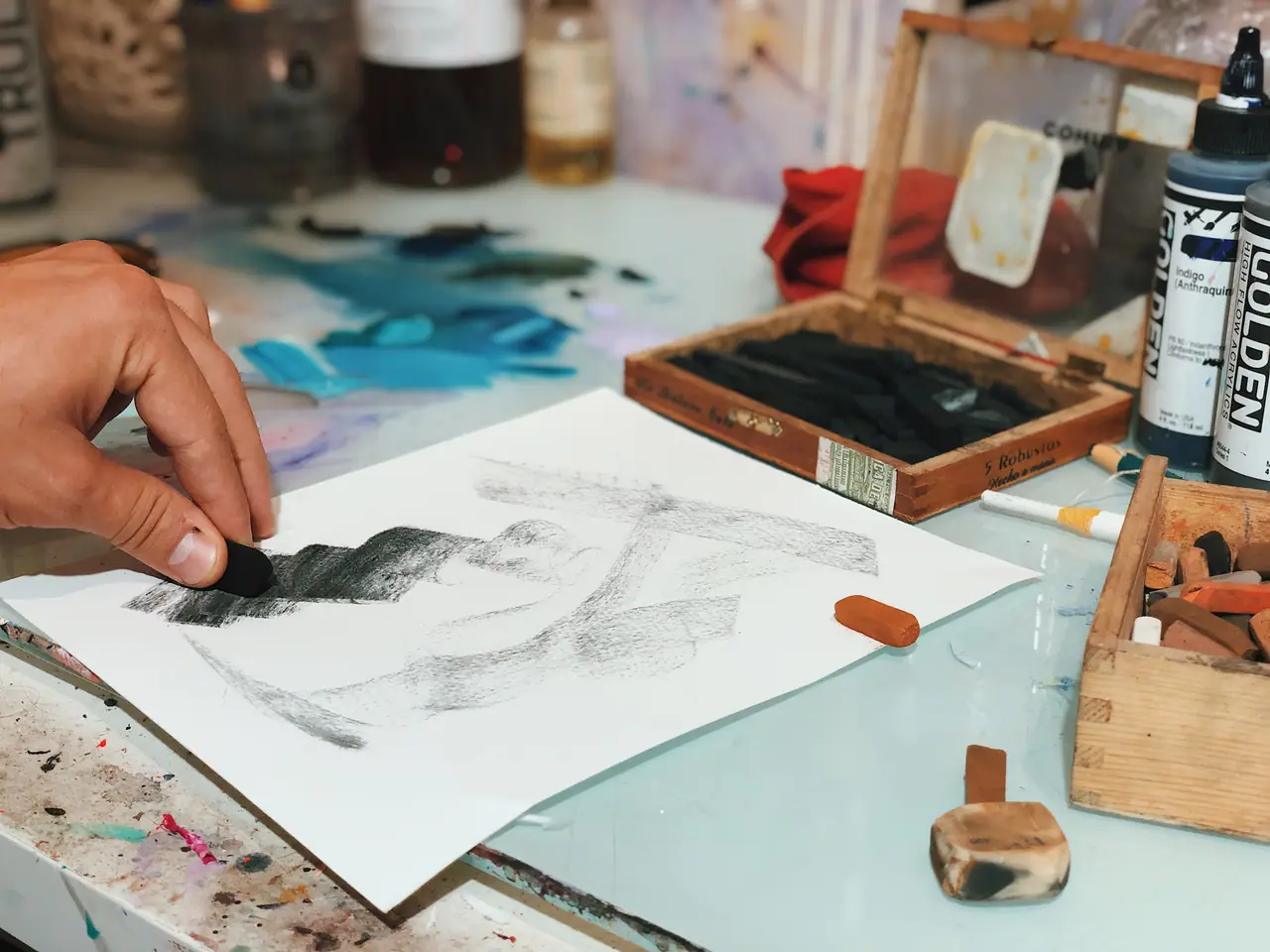
- Start with value before color. If the values work, the painting works. Value does more to make an image read than color ever does.
- Squint often. Squinting blurs the detail and reveals the big shapes and important value shifts hiding underneath.
- Limit your palette at first. A few colors teach clarity faster than a dozen. Constraint is a teacher.
- Use big brushes early on. Big brushes prevent you from getting lost in detail too soon, which is the most common beginner trap.
- Block in your composition quickly. Capture the energy while it is fresh, before second-guessing creeps in.
- Pay attention to edges. Soft, hard, broken, or lost edges create mood and depth. Edges are an underused tool.
- Think in shapes, not lines. Strong shapes create strong paintings. The world is masses of value, not outlines.
- Balance warms and cools. Temperature harmony makes your work feel unified rather than random.
- Use negative space intentionally. Background and foreground have to work together, not compete.
- Simplify where necessary. Remove anything that distracts from your message. What you leave out matters as much as what you keep.
What color tips change everything?
Mix your darks, lean on complementary pairs, and test every mixture before it touches the canvas. Color is where most paintings either come alive or turn muddy, and the difference is usually a handful of habits. These ten tips will sharpen your color faster than buying more tubes.
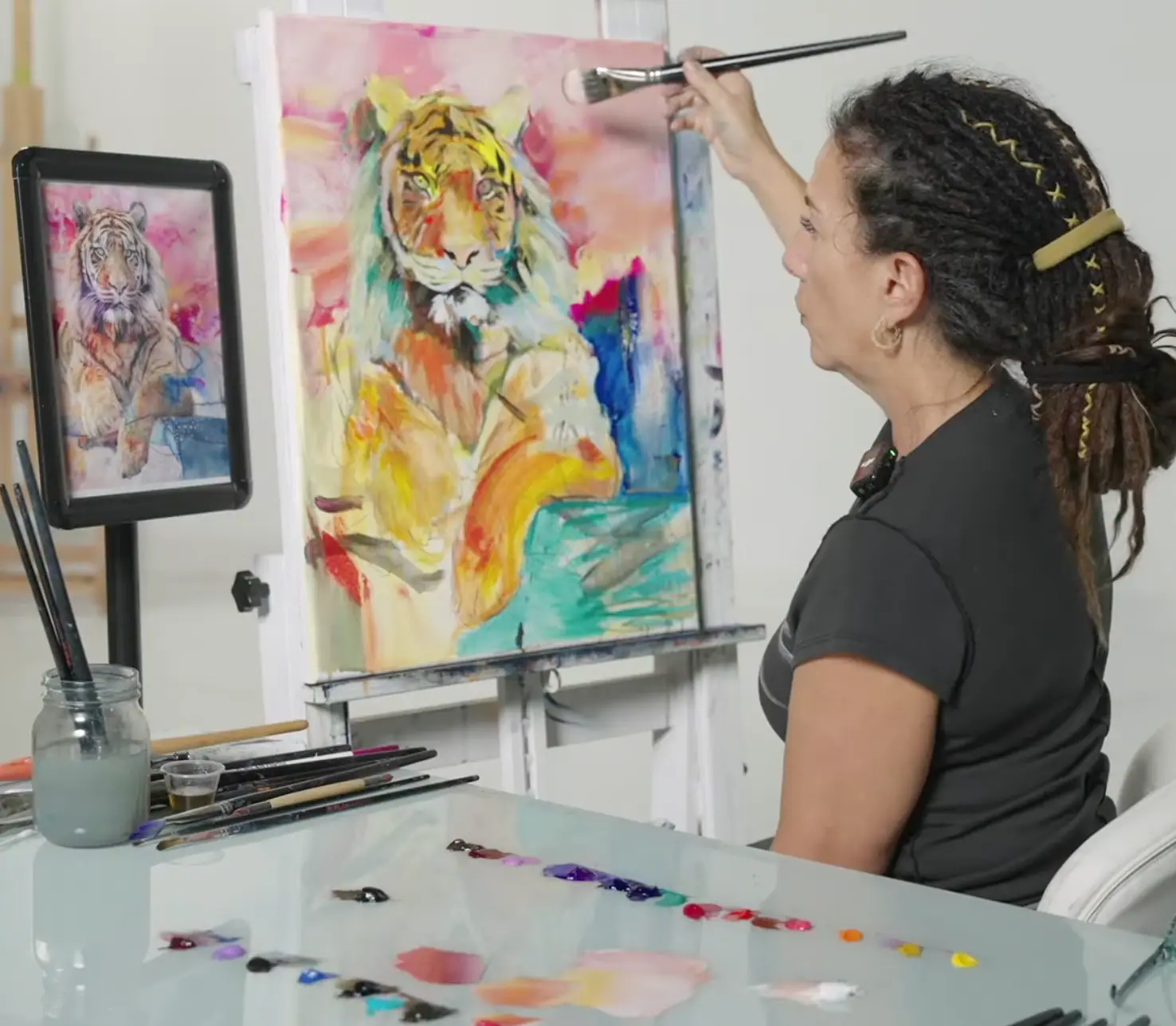
- Mix your darks instead of using straight black. Mixed darks give you richer, more expressive shadows. Tube black tends to deaden a painting.
- Use complementary colors for vibrancy. Blue with orange, red with green, yellow with purple. Opposites make each other sing.
- Gray down your colors for balance. Neutrals help bold hues shine. A painting that is loud everywhere is loud nowhere.
- Glaze for luminous depth. Thin transparent layers bring paintings to life and create a glow you cannot mix directly.
- Use temperature shifts deliberately. Warm light often means cool shadows, and vice versa. This single idea adds realism instantly.
- Notice reflected color. Surrounding hues bounce into your subject, so a white cup near a red cloth is not purely white.
- Practice mixing skin tones. They are full of subtle shifts, never just one flat color. Our how to mix skin tones guide walks through the warm and cool moves.
- Choose a limited palette for cohesiveness. A limited palette instantly unifies a painting because every color shares a common root.
- Match your palette to your subject. Landscapes, portraits, and abstracts have different needs. If you want a system for choosing, see color wheel painting.
- Always test your mixes. A small test swatch can save major revisions later. Mix on the palette, check it, then commit.
What technique and detailing tips do artists wish they knew sooner?
Work from loose to tight, and save your detailing for last, only where you want the eye to land. The biggest detailing mistake is sharpening everything, which leaves the viewer nowhere to look. Control your process and your detail, and your paintings start to feel intentional. These ten tips cover technique, process, and the detailing habits that separate a finished painting from an overworked one.
- Work from loose to tight. Early marks should stay expressive; details come later. This order keeps the whole painting unified.
- Layer with intention. Each layer should add depth, energy, or clarity. If a layer does not earn its place, skip it.
- Embrace mixed media. Pastels, charcoal, collage, and ink can create powerful effects a single medium cannot.
- Follow happy accidents. Unexpected marks often spark breakthroughs. Do not rush to fix everything you did not plan.
- Use contrast to guide the eye. Light and dark, smooth and textured, big and small. Contrast is how you point at your focal area.
- Think about the viewer. Plan how their eye will travel through your piece and take them on a journey, rather than dumping detail everywhere.
- Take breaks. Fresh eyes catch problems fast. Stepping away is part of the work, not a break from it.
- Flip your painting upside down. Turning it over reveals composition and value issues your brain had learned to ignore.
- Respect drying time. Especially in oils, patience improves the final result, or use a drying medium to speed things along.
- Know when to stop. Overworking dulls a painting’s energy. Detailing is the last 10 percent, not the whole job, so place it where it counts and leave the rest alone.
How do mindset and habits make you a better artist?
Paint consistently and trust your own path, because steady practice beats talent and comparison every time. The technical tips only compound if you keep going, and the artists who improve fastest are usually the ones who protect the habit and their nerve. These final ten tips are about staying in the game long enough to get good.
- Paint consistently. Even small daily practice builds massive momentum. Reps are how skill accumulates.
- Trust your intuition. Your instincts are wiser than your inner critic. Learn to tell the two voices apart.
- Take bold risks. Your next breakthrough is usually on the other side of discomfort, not inside your comfort zone.
- Study artists you admire. Learn the techniques behind their magic. A few famous acrylic paintings repay close study.
- Work in series. Working in series deepens your artistic voice and strengthens your portfolio.
- Keep a sketchbook. A sketchbook is a safe place to explore ideas without pressure or stakes.
- Avoid comparison. Your artistic path is uniquely yours, and comparison only steals the energy you need to paint.
- Document your progress. Photos show how far you have come and give you something to share as you grow.
- Share your work. Community and feedback accelerate growth more than painting alone ever will.
- Remember your why. Art is about joy, expression, and discovery. Stay connected to your purpose and the work stays alive.
A quick word on detailing, the tip artists ask about most
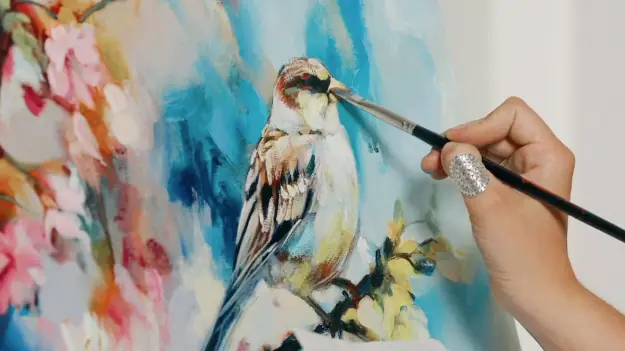
Detailing is the most misunderstood of all these tips, so it is worth its own minute. Detail is not the goal of a painting; it is a tool for directing attention. When you sharpen one area and leave the rest softer, the eye goes straight to the sharp part. When you sharpen everything, the eye has nowhere to rest and the painting reads flat, no matter how many hours you spent. So treat detailing as the final move, layered on top of correct shapes and values, concentrated in your focal area. The painting of the bird above is a good example: crisp where it counts, soft everywhere else.
Growing as an artist is a long, rewarding adventure. Let these 50 tips guide you toward stronger technique, cleaner color, and a more honest voice, and remember that you do not have to apply all of them at once. Pick three from the list, work them into your next painting, and add more as they become second nature.
If you want structure and real feedback instead of practicing alone, the free Two Week Challenge is a guided way to put these tips into actual paintings. To keep going, the color wheel painting guide deepens your color, how to mix skin tones tackles the hardest mixes, and the rest of the oil painting techniques collection is here whenever you want to learn more.
Frequently asked questions
What is the single most important painting tip for artists?
Establish value before color. Value is how light or dark something is, and it does most of the work in making a painting read. If you nail the light and dark shapes first, the painting holds together even before color goes down. Beginners who rush to color before the values are right end up with paintings that look flat no matter how nice the hues are.
What are good detailing tips for artists?
Add detail last, and only where you want the viewer's eye to land. Work from loose shapes to tight detail so the whole painting stays unified, then sharpen edges and add small marks in your focal area. Leave the rest softer. Detail everywhere flattens a painting, because nothing competes for attention when everything is equally sharp.
How do I start oil painting as a beginner?
Start with a small set of oils, a few brushes, and a primed surface, then learn how the medium behaves before chasing realism. Oils stay wet for hours, so you can blend and rework slowly. Block in big value shapes first, work loose to tight, and respect drying time between layers. Patience is most of oil painting 101.
How do you paint a portrait with acrylics as a beginner?
Block in the big value shapes of the face first, then refine. Practice mixing skin tones, which are full of subtle warm and cool shifts and never one flat color. Use a stay-wet palette so your acrylic mixes stay workable, work from loose shapes to tight detail, and save the sharpest edges and highlights for last. Start simple and build up.
What can I paint when I do not know where to start?
Paint one simple subject and repeat it, rather than chasing a new ambitious idea each time. A single apple, mug, or flower painted several times teaches you more than ten different subjects attempted once. For ideas, try a limited-palette abstract, a value study from a photo you love, or a small still life. Finishing small studies builds real momentum.
What to practice this week
- Do a value study: pick one photo and, using only black, white, and gray, paint just the light and dark shapes before any color goes down.
- Paint the same simple subject three times in a row to build familiarity, instead of starting a new idea each session.
- Take one finished study, flip it upside down, and squint at it to catch composition and value problems you stopped seeing.
Supplies used

About the author
More from Elli