How to Paint Faster: A Three-Phase Method to Paint Quickly Without Losing Quality
Speed is a skill, not a sacrifice. Block in big, develop the structure, then render only what matters. Here is the three-phase method that lets you paint quickly and still make work worth keeping.
To paint faster without losing quality, stop finishing one corner at a time and work the whole canvas in three phases. Block in big loose shapes first, develop the general structure without chasing detail, then render only one or two focal areas fully and let the rest stay loose. Use large brushes, keep your brushstrokes visible, and start with a forgiving medium like acrylic. Speed is a skill you build through repetition, not a quality you sacrifice.
Here is the thing most people get backward: they assume slow equals good and fast equals careless. In painting, the opposite is usually true. Overworked, blended-to-death surfaces tend to look worse than fresh, decisive brushwork, and the painter who finishes more work improves faster simply through reps. Painting quickly is not about rushing. It is about not laboring. Below is the method, the speed tips, and the mindset shift that gets you there.
Why does painting faster actually make you better?
Painting faster makes you better because volume builds skill, and skill is mostly accumulated practice. When you are not stuck laboring over a single piece for months, three things happen: you generate more ideas, you develop stronger skills through repetition and flow, and you build a real body of work instead of one precious, unfinished canvas. Every painting you finish teaches you something the next one starts from.
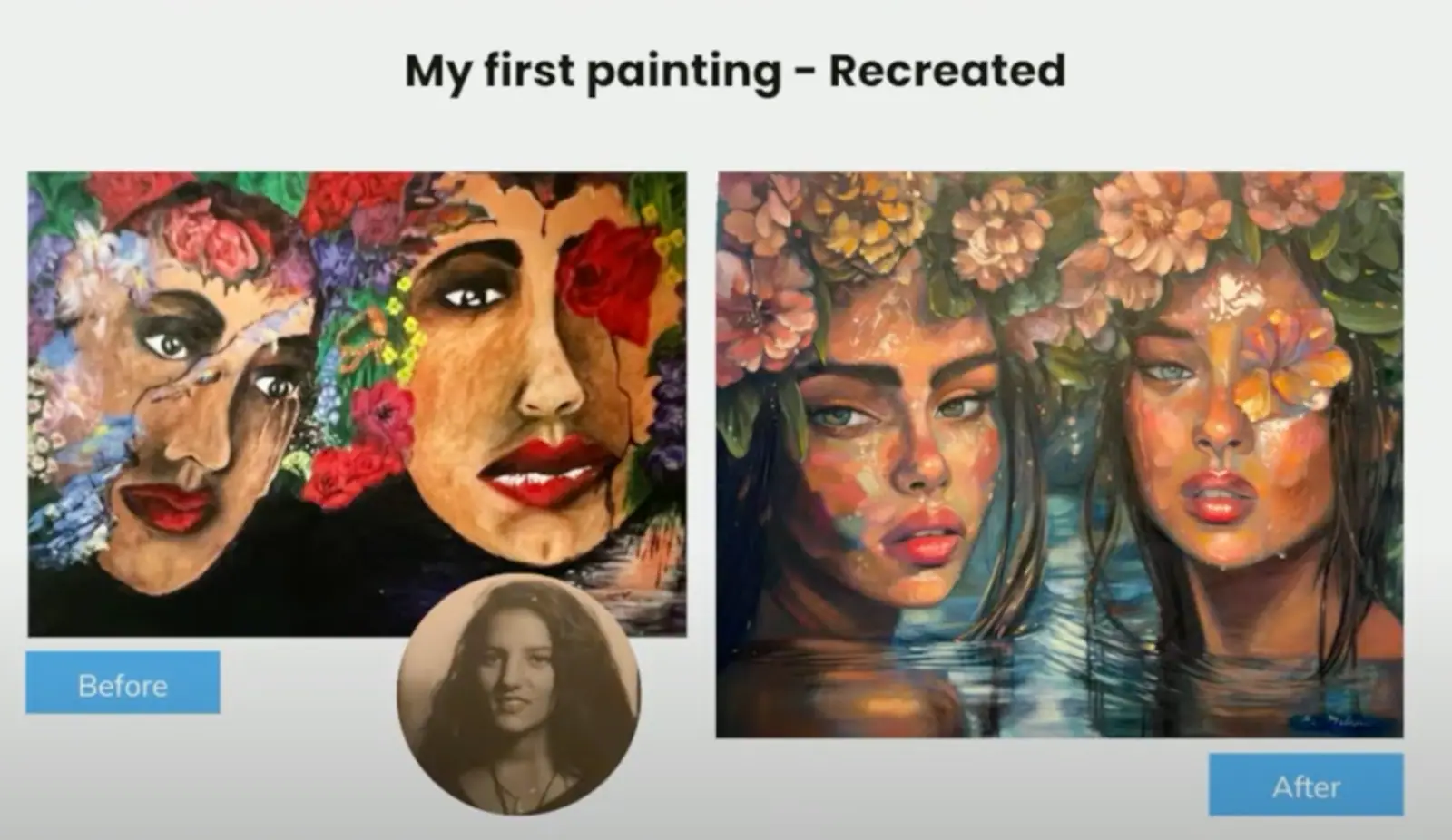
I learned this the slow way. My first painting took four months, and it was not exactly a masterpiece. Think floating eggheads. I labored over it, terrified of ruining it, and the fear made everything worse. What finally freed me was learning to loosen up, trust the process, and let go of perfectionism. Once I stopped treating every painting as a monument and started treating it as practice, I grew quickly and, more importantly, joyfully. Speed was not the enemy of quality. Perfectionism was.
Why do you paint so slowly?
Most slow painting comes from working too tight, too soon. You reach for a small brush, start in one corner, and try to perfect that inch before the rest of the painting even exists. The problem is that you end up rendering fine details on top of shapes that are not correct yet, so you redo them, and the hours pile up. Slowness is rarely about care. It is about sequence.
The fix is to reverse your order of operations. Instead of finishing corner by corner, you build the entire painting at once, from big to small, rough to refined. That is exactly what the three-phase method does.
What are the three phases that let you paint faster?
The three phases are blocking in, developing, and rendering, worked in that order across the whole canvas. This whole-to-part sequence is the core of painting quickly, because you are always improving the entire picture at the same time instead of polishing isolated pieces. Here is each phase.
- Block in. Cover the canvas with big, loose shapes. Use large brushes, watered-down acrylics, even spray paint. Think messy abstract with purpose. Your only goal here is to get rid of the white canvas and map out the composition. Nothing is precious yet, so there is nothing to be afraid of.
- Develop. Now refine the subject. Start adding form and depth without getting tight, working in general shapes rather than details. You are building structure, not perfection. If you can still see your big shapes guiding everything, you are doing this right.
- Render. This is where you slow down, just a bit. Choose one or two areas to develop fully with more accuracy and detail, and let the rest of the painting stay expressive and loose. That balance between a sharp focal point and a loose surrounding is what makes art feel alive, and it is also what makes it sell.
The mistake beginners make is rendering everywhere. A painting that is equally detailed in every square inch is exhausting to look at and takes forever to make. Pick your focal point, render it, and have the discipline to leave the rest alone.
What are the best tips to paint faster with impact?
A handful of small habits speed you up dramatically while keeping the work strong. None of them are about rushing. They are about removing the friction and fear that slow most painters down.
- Ditch tiny brushes. Big brushes save time and keep your strokes fresh. The bigger the brush you can get away with, the faster and looser you stay. Reach for a small brush only at the very end, only for your focal detail. If you want help picking sizes and shapes, see how to choose a paintbrush and the best brushes for acrylic painting.
- Stop overblending. Resist the urge to smooth everything into a soft gradient. Leave your brushstrokes visible. They are emotional fingerprints, they carry energy, and collectors respond to them. Blending every edge away is slow and it usually kills the life in a piece.
- Use forgiving mediums. Start with acrylics or charcoal, then move to oils once you are confident. Forgiving mediums let you paint right over a mistake, which removes the fear that makes you hesitate, and hesitation is what eats your time. If you are weighing materials, here are the key differences between acrylics and oil paint.
- Embrace mistakes. The more you paint, the better you get, full stop. Perfection is not the goal, progress is. Every wild, messy, imperfect painting is teaching your hand and your eye something the careful ones never will.
Will being prolific make your art lose value?
No. The fear that creating a lot of work cheapens it is one of the most damaging myths in art, and it keeps talented people painting almost nothing. The reality is the opposite: prolific artists tend to be the most successful ones, because volume is how skill compounds and how a body of work gets built. A small, hoarded output does not protect your value. It just slows your growth.
Think about how any skill develops. You do not get better at it by doing it rarely and carefully. You get better by doing it often, learning from each attempt, and carrying that lesson into the next one. Painting is no different. Time behind the brush is the whole game. The artists who flood their own world with work are the ones whose hands eventually catch up to their vision, and that only happens through reps.
So if a voice tells you to slow down and protect your art by making less of it, recognize that voice for what it is. It is fear wearing the costume of wisdom. Make more. Finish more. Let yourself be prolific, and your skill, and your style, will follow.
How do you keep speed from turning into sloppiness?
You keep speed honest by being deliberate about where you spend your detail, not by slowing the whole painting down. Fast does not mean careless. It means you make decisions quickly and commit to them, then concentrate your patience on the one or two passages that carry the painting. Everything else is allowed to stay loose on purpose.
This is the discipline most rushed work is missing. A sloppy painting is not loose everywhere, it is undecided everywhere: muddy color, no clear focal point, no contrast between resolved and suggested. A fast, strong painting reads instantly because the artist chose what mattered and let the rest support it. If you find your work feels muddy or overworked, the fix is rarely to slow down. It is to commit harder and edit more, the same way you would when you are finding your own art style. For more on the rookie habits that quietly wreck paintings, the common painting mistakes to avoid guide is worth a read.
The mindset that makes you paint faster
You do not need to be born with natural talent. You need time behind the brush, and you need to push yourself out of your comfort zone often enough that loosening up becomes normal. Try new techniques. Make some messy, wild, beautiful mistakes. Paint faster not so you can be careless, but so you can make more of the work that teaches you and the work that is genuinely yours.
The fastest way to build this habit with real structure and feedback is our free Two Week Challenge, a guided way to actually paint instead of just reading about painting. And when you want to keep going, the rest of the oil painting techniques collection is here to take you deeper.
Frequently asked questions
How can I paint faster without losing quality?
Work in three phases instead of finishing one corner at a time. Block in the whole canvas with big loose shapes, develop the general structure without chasing detail, then fully render only one or two focal areas and let the rest stay loose. Using large brushes and forgiving mediums like acrylic keeps you moving while the visible brushwork is what makes the painting feel alive.
Why do I paint so slowly?
Most slow painting comes from working too tight too soon: tiny brushes, overblending, and trying to perfect every inch before the whole picture exists. You end up rendering details on top of shapes that are not even correct yet. Block in the entire canvas first, keep your brushes large for as long as possible, and save detail for the very end on only a couple of areas.
What is the fastest way to paint a picture?
Cover the whole canvas fast with large brushes and loose shapes so there is no white left to intimidate you, then refine the big structure, and only at the end slow down to render one or two focal points. Working whole-to-part instead of corner-to-corner is the single biggest speed gain, because you are always improving the entire painting at once.
Does painting faster make my art worse?
No. Speed and quality are not opposites. Fresh, decisive brushwork usually reads better than overworked, blended-to-death surfaces, and painting more often builds skill faster through repetition. The goal is not to rush, it is to stop laboring. A confident loose passage beats a fussed-over one almost every time.
What supplies help you paint faster?
Large brushes, a forgiving medium, and a limited setup. Big brushes force you to commit to shapes instead of fiddling with detail. Acrylic and charcoal forgive mistakes because you can paint or wipe right over them, which removes the fear that slows you down. A simple, well-chosen kit means less deciding and more painting.
What to practice this week
- Paint a small study in three timed phases: ten minutes to block in the whole canvas, ten to develop the structure, ten to render only one focal area. Stop when the timer stops.
- Do one painting using only your three largest brushes, no small detail brushes allowed, so you are forced to commit to shapes instead of fussing.
- Repaint the same simple subject five times in a row. Watch how much faster and looser the fifth one comes than the first.
Supplies used
About the author
More from Elli