The Painting Finish Line: Highlights, Edges, and When to Stop
Finishing is not about doing everything. It is about knowing what matters at the end: where the brightest light goes, which edges to sharpen, and when to put the brush down.

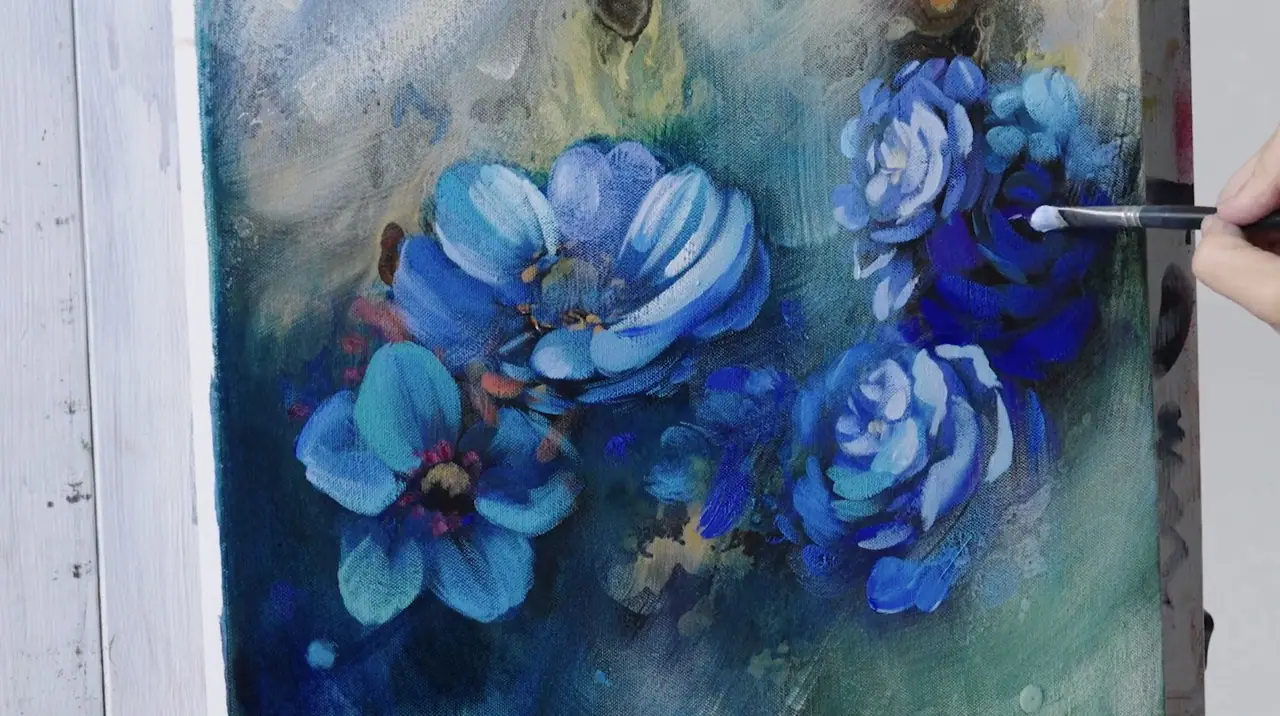
Finishing a painting well comes down to three decisions, not endless refinement. Reserve your brightest highlights for the focal point so the light reads as intentional. Organize your edges, keeping them crisp at the center of interest and softer as you move away. Then stop when the value structure is clear, the focal point is obvious, and the painting communicates what you set out to say. Doing everything is not the goal. Knowing what matters at the end is.
Every artist knows the feeling. You are deep in a painting. The forms are there, the colors are working, the composition feels strong, and yet you keep going. A little more blending. A few more details. One more highlight. One more adjustment. Somewhere between refinement and overworking, the magic can quietly disappear. The three keys below, highlights, edges, and knowing when to stop, are what separate a strong finish from a tired one.
Where should highlights go in a painting?
Reserve your brightest highlights for the most important area, because highlights placed intentionally direct the viewer’s eye and create hierarchy. They tell us where the light is strongest and what deserves attention. The mistake many artists make is adding highlights everywhere, and the rule worth memorizing is simple: if everything shines, nothing shines.
Before you add another bright note, ask yourself three questions. Where is the dominant light source? What is the focal point? Where do I want the viewer to look first? Reserve your strongest lights for the most important area and let the rest stay quieter. When highlights support your value structure instead of competing with it, the painting feels intentional and powerful. A single well-placed highlight can bring a painting to life. Ten random ones can flatten it. If you want to push this further into a true sense of glow, the guide on where to place glowing light and highlights goes deeper, and it helps to understand the broader logic of painting dark to light so your brightest notes have somewhere to sit.
How do edges create focus in a painting?
Edges create focus by controlling how much attention each part of the painting demands. Hard edges demand attention, soft edges create atmosphere, and lost edges create mystery. When a painting feels unfinished, it is often not because it lacks detail. It is because the edges are not organized.
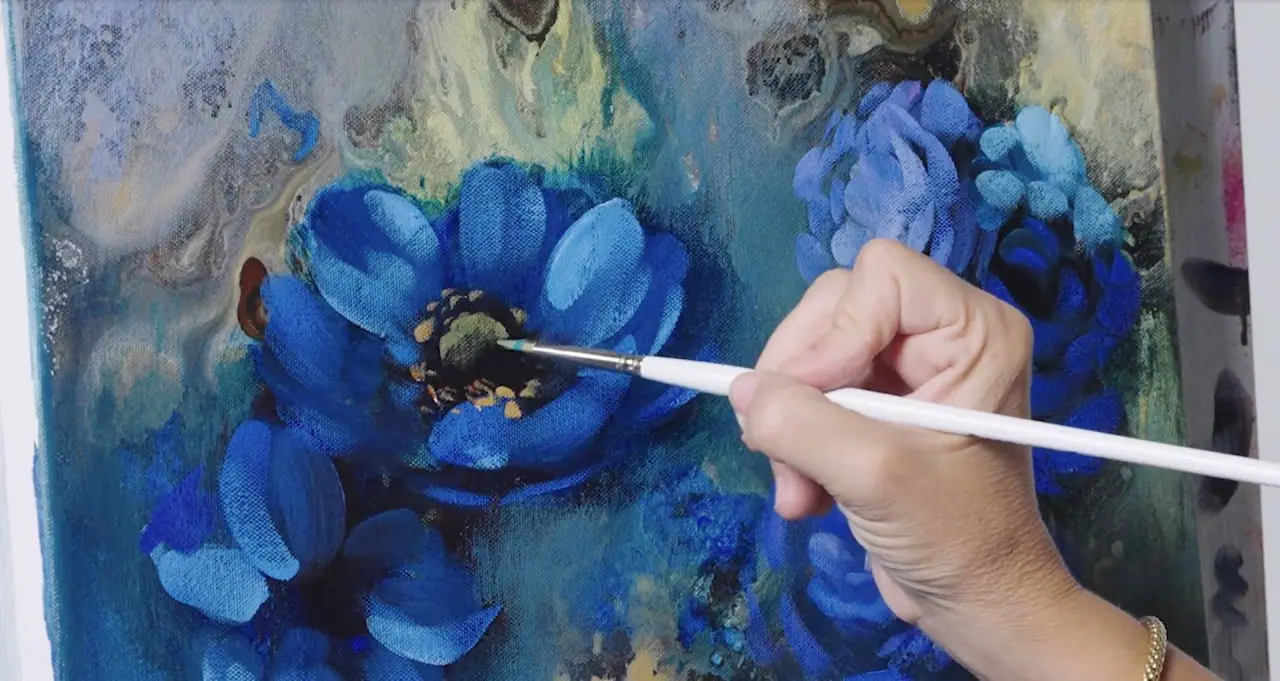
Look at your focal point. Are the edges there clearer and more defined? As you move away from the center of interest, do the edges soften and simplify? If every edge is sharp, the painting becomes noisy. If every edge is soft, the painting becomes vague. The magic happens in the contrast between them.
At the finish line, instead of adding more objects or details, refine your edges. Sharpen where you want clarity. Soften where you want depth. Lose edges where forms dissolve into shadow or background. This is exactly how you build atmosphere in a painting without piling on clutter. Edges create sophistication, not by adding, but by deciding.
When should you stop painting?
Stop when the value structure is clear, the focal point is obvious, and the painting communicates your original intention. Knowing when to stop is a skill, and many artists overwork their paintings not because they lack talent but because they lack a clear standard for done.
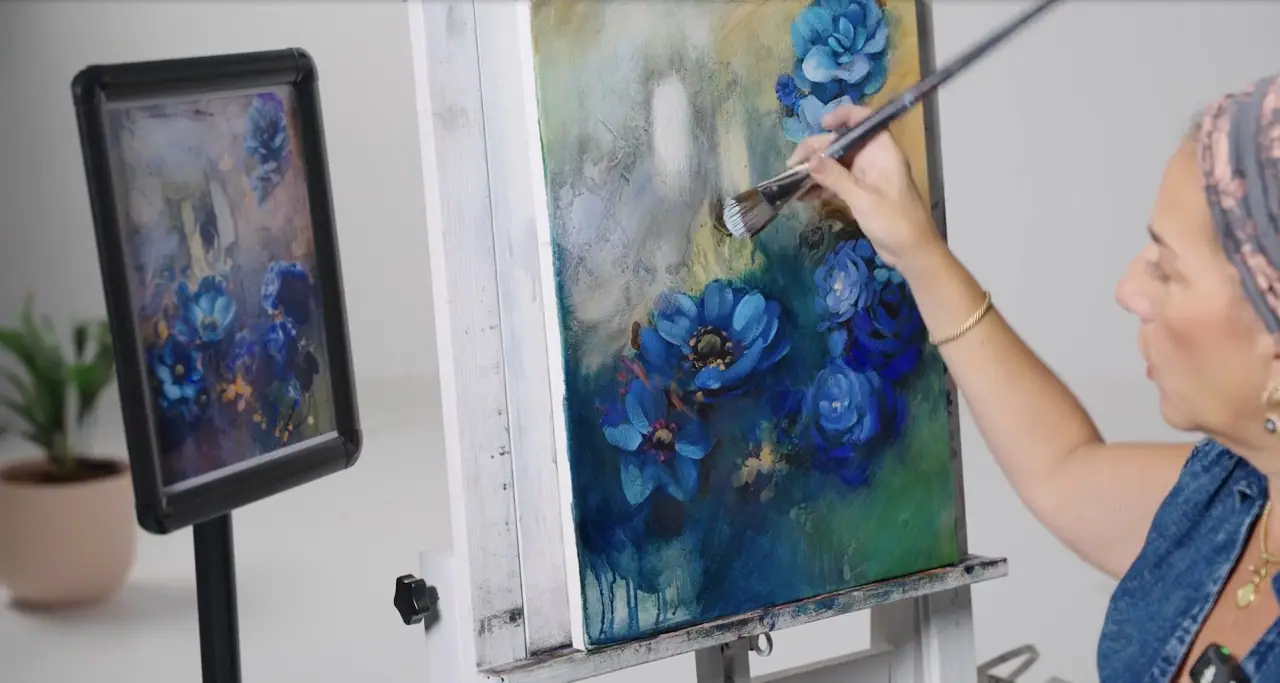
Run a simple checklist before you keep going. Is the value structure clear when you squint? Is the focal point obvious? Are the highlights supporting the light source? Do the edges guide the eye instead of distracting it? Does the painting communicate the original intention? If the answer is yes, you may already be finished.
A painting does not need every detail rendered. It needs clarity of idea. Often the freshness of early brushwork carries more life than hours of additional refinement. There is a point where further adjustments no longer improve the painting. They only change it. Stopping takes discipline, and it takes trust. If you tend to push past that point, the honest walkthrough of the ugly stage of painting and overworking will help you tell the difference between a painting that needs more and one that needs you to put the brush down.
How do you train yourself to finish well?
You train finishing the same way you train any fundamental: by making conscious decisions instead of guessing. Professional artists are not guessing at the finish line. They are making deliberate choices about light, edges, and hierarchy, and they understand structure deeply enough to recognize when a painting is resolved.
This level of awareness does not happen by accident. It comes from mastering the fundamentals, practicing intentionally, and learning to see your own work objectively. One of the fastest ways to build that objective eye is to critique art using the elements of art, because the same questions you ask of a finished masterwork are the ones you ask of your own canvas at the end. The more fluently you can read the elements of art in a painting, the sooner you will see when yours is done.
Finishing well is not about doing more. It is about knowing what matters most. Build a strong value foundation, control your edges with purpose, place your highlights strategically, and learn to recognize the moment your painting is complete. That is what carries work across the finish line with confidence.
If you want to put this into practice with real structure and feedback, our free Two Week Challenge walks you through making finished paintings rather than just reading about them. And when you want to keep sharpening your technique, the rest of the oil painting techniques collection is here whenever you are ready.
Frequently asked questions
How do you know when a painting is finished?
A painting is finished when the value structure is clear as you squint, the focal point is obvious, the highlights support a single light source, and the edges guide the eye instead of distracting it. If the work already communicates your original idea, it is likely done. Further adjustments past that point usually change the painting rather than improve it.
Where should highlights go in a painting?
Reserve your brightest highlights for the most important area, usually the focal point and the part of the form closest to the dominant light source. Highlights everywhere flatten a painting, because if everything shines, nothing shines. Let the rest of the surface stay quieter so the eye lands where you intend and the light reads as intentional.
What is the difference between hard, soft, and lost edges?
Hard edges are sharp and demand attention, soft edges blur gently and create atmosphere, and lost edges dissolve a form into its background or shadow to create mystery. Strong paintings use all three on purpose: sharper edges at the focal point, softer ones as you move away, and lost edges where forms merge into darkness.
How do I stop overworking my paintings?
Overworking usually comes from lacking a clear standard for done, not from a lack of talent. Set a checklist before you start refining: clear values, obvious focal point, light-supporting highlights, eye-guiding edges, and a clear idea. When those are met, stop. The freshness of early brushwork often carries more life than hours of extra rendering.
Why do my paintings look noisy or unfinished?
A painting often looks unfinished not because it lacks detail but because the edges are disorganized. If every edge is sharp the image reads as noisy, and if every edge is soft it reads as vague. Refine edges instead of adding objects: sharpen where you want clarity, soften for depth, and lose edges where forms fall into shadow.
What to practice this week
- Squint at a painting you think is nearly done and check whether the value structure still reads clearly. If the focal point disappears, your highlights or edges need work before anything else.
- Take one finished study and deliberately soften two edges away from the focal point and sharpen one edge at it. Notice how organizing edges alone makes the painting feel more resolved.
- Before your next session, write your own one line standard for done and tape it near the easel. Stop the moment the painting meets it rather than chasing more detail.
Supplies used
About the author
More from Elli