Atmosphere in Painting: How to Create Depth and Mood With Resting Space
Atmosphere is what makes a painting feel like a place you could walk into. Here is what it is, why resting space creates it, and the scumbling technique that puts it on your canvas.

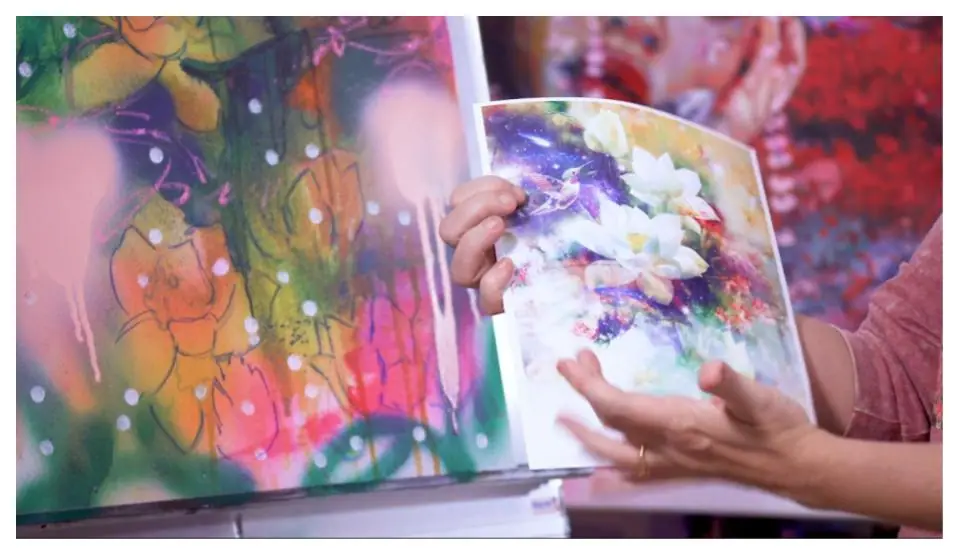
Atmosphere in painting is the sense of mood, depth, and air that pulls a viewer into the work instead of letting them glance at a flat surface and move on. You feel it before you can name it: a silent but strong beckoning into the world of the piece. That feeling is rarely an accident. It comes from how a painter handles the quiet, supporting passages around the subject, and the single most useful way to build it is a technique called resting space, applied with a method called scumbling. This guide explains what atmosphere is and walks you through creating it on your own canvas.
If your work feels busy, contrived, or strangely flat no matter how carefully you render the subject, atmosphere is almost always the missing piece. The good news is that it is one of the most learnable skills in painting, it costs almost nothing in tools, and it works in both acrylics and oils. Let’s start with what atmosphere actually is, then move to the steps.
What is atmosphere in art?
Atmosphere in art is the overall mood and sense of depth a painting gives off, the quality that makes the scene feel like a place you could step into. A successful painting carries visual interest without being too busy or too bland. The viewer knows exactly what the subject is, can appreciate the detail in it, and can read how the background frames that subject. When all of that works together, the eye relaxes and the world of the painting opens up.
Atmosphere is one of the quiet markers of mastery. It conveys your skill subtly, without any single showy passage announcing it. It is also one of the qualities that makes a painting sellable: collectors are drawn to work that opens up their space and gives the eye somewhere to breathe. You build that quality not by adding more, but by knowing where to let the painting go quiet. That quiet is resting space.
What is resting space and why does your painting need it?
Resting space is a quiet area of a painting where the viewer’s eye can pause instead of being pulled in every direction at once. The term refers to passages that let the eye rest and not be overwhelmed by all of a painting’s elements at the same time. Done well, resting space is detailed, fluid, and compelling, but never busy, overwhelming, or contrived. It balances the piece and complements the subject.
Resting space does three jobs at once. It seamlessly integrates your foreground with your background, so the subject sits inside the world instead of floating on top of it. It adds a look of effortless refinement, the kind that reads as professional even from across a room. And it makes the work more sellable, because potential collectors are drawn to paintings that open up rather than crowd the eye. If your compositions feel cramped, resting space is usually the fix, and it pairs naturally with a good composition.
What do you need to create resting space?
The one tool that matters most for creating resting space is a chip brush. A chip brush is the cheap, wide, natural-bristle brush you can find at any hardware store or art store, and its loose, dry bristles are exactly what produce the blended, semi-transparent look you are after. The accessibility and low price are the point: you can add real quality to a painting for almost nothing.
You can use this technique with both acrylics and oils. If you start in acrylics, remember that you can glaze oil color on top of the dried acrylic later to create the juicy, luminous quality collectors love. Beyond the chip brush, you will want a few smaller brushes for rendering the subject afterward, and that is genuinely all. If you are unsure what to reach for, this guide to choosing the right paint brush covers the rest of the kit.
How do you choose where to put resting space?
Choose your resting space once the initial layers have dried, placing it wherever it best complements the subject. Drying first matters: it lets you work on top without disturbing what is underneath. From there, look for the areas that have become too busy. Resting space is as much about editing out crowding as it is about adding anything, so let it land in the spots where the painting is fighting itself.
This step asks for a little courage. Do not get too attached to the marks you made in the first layers, because some of them will need to disappear under the resting space, and that is exactly how it should work.
Color is freer than you might expect: you can choose almost anything. The one strong guideline is to pick a single main color and move it through transitions in tone, which unifies the passage and supports good composition rather than introducing a second area of competition. One small caution on neutrals: if you choose white, vary it from a gray white to a buttery, creamy white by mixing in a touch of other colors, and never use black or white entirely on their own.
How do you actually scumble for atmosphere?
You scumble by scrubbing a thin, semi-transparent layer of paint across the surface with a dry brush in a continuous motion, never lifting the brush. That continuous scrubbing motion is what gives the technique its name and its signature soft, broken transitions. Get the handling right and the atmosphere almost paints itself.
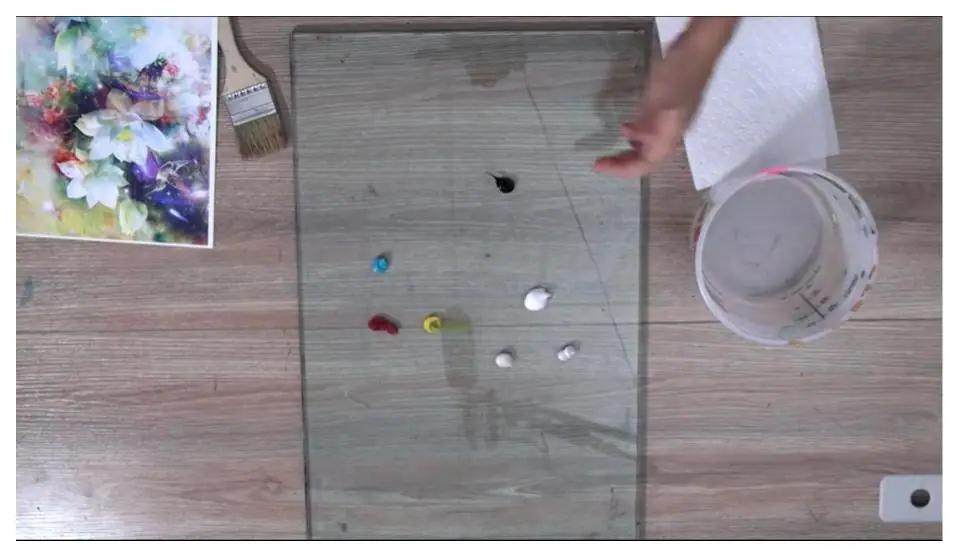
Three handling rules make or break it:
- Keep the brush dry. Do not mix any water into the paint. Water makes the color look milky and stops it from adhering, which kills the soft but powerful effect scumbling is known for.
- Do not overload the brush. Coat the bristles, but do not fill the brush so full that the paint completely covers your work underneath. The whole point is a thin, semi-transparent veil, and a loaded brush buries it.
- Scrub, do not dab. Use a continuous scrubbing motion and resist the urge to lift the brush between strokes. Staying down on the surface is how you get those beautiful, soft transitions instead of hard, choppy edges.
This is the heart of building atmosphere, and it is closely related to the broader family of oil painting layering methods that make paintings look professional.
How do you bring the subject back out of the atmosphere?
Once the atmosphere is set, bring the subject forward by deepening contrast and rendering its forms from dark to light. Add darker colors to other areas of the painting to amplify the contrast, so the subject reads clearly against its surroundings. The atmosphere should make the subject feel supported, not swallowed.
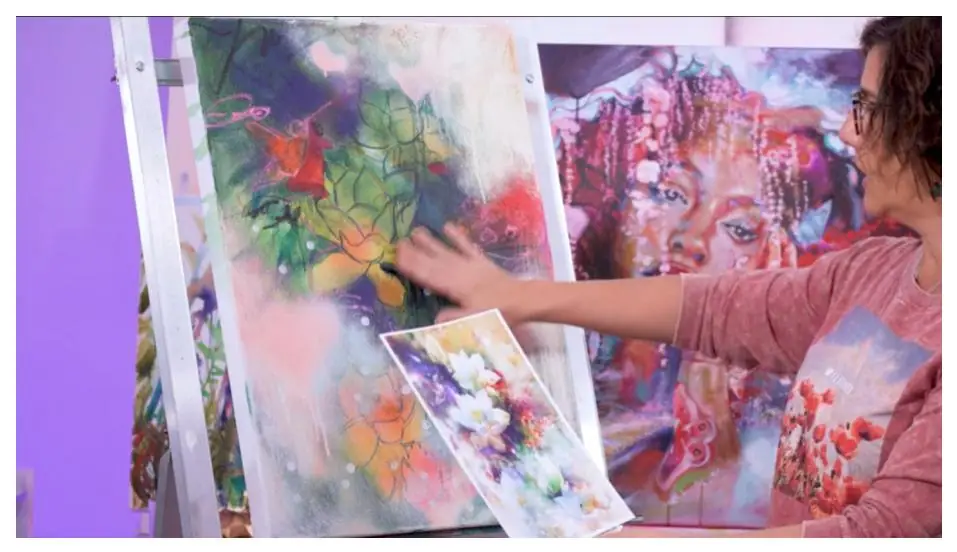
One technical detail prevents the most common mistake: scumble all the way up to the edge of your subject. If you stop short, you will leave an awkward halo of untouched paint around it that instantly looks unfinished. Carry the scumbled passage right up to the form.
After the scumbling is done, switch to your smaller brushes and render the forms from dark to light, building the subject’s detail back up out of the soft ground you created. The contrast between the quiet atmosphere and the crisper subject is exactly what creates depth.
Quick answer: how to create atmosphere in a painting
Atmosphere in a painting is the mood, depth, and air that pulls a viewer in, and you create it with resting space: quiet, semi-transparent passages that let the eye pause. The method is scumbling, scrubbing dry paint with a chip brush in a continuous motion to build soft transitions. Choose one color in shifting tones, keep the brush dry, and scumble up to the subject.
Bringing it together
Grab your colors, your chip brush, and scumble away. The technique is quick to learn, cheap to start, and the change it makes is dramatic: paintings that once felt flat or crowded suddenly hold air, depth, and calm. That atmosphere is what makes viewers and collectors return to a piece again and again, because it gives them a world to enter rather than a surface to scan.
Atmosphere is one technique inside a much larger craft, and learning it well opens the door to the rest. If you want a guided, supported way to build these skills from the ground up, our free Two Week Challenge is made for exactly this kind of beginner, and you can keep exploring the full oil painting techniques collection whenever you are ready to go deeper.
Frequently asked questions
What is atmosphere in art?
Atmosphere in art is the overall mood, depth, and sense of air a painting gives off, the quality that makes a viewer feel pulled into the scene rather than looking at a flat surface. It comes from how the background, light, and quiet passages work together to surround the subject. Painters build it mostly through resting space and soft, unifying transitions instead of detail.
How do you create atmosphere in a painting?
You create atmosphere mainly by adding resting space, calm and semi-transparent areas that let the eye pause and frame the subject. The most reliable method is scumbling: load a dry chip brush lightly with paint and scrub it in a continuous motion without lifting, building soft transitions. Choose one main color with shifts in tone to keep the passage unified and quiet.
What is resting space in a painting?
Resting space is a quiet area of a painting where the viewer's eye can pause instead of being pulled in every direction at once. It is detailed and fluid but never busy, and it blends the foreground into the background so the subject feels framed and supported. Resting space is the main tool painters use to create atmosphere and a sense of depth.
What is scumbling?
Scumbling is a painting technique where you scrub a thin, semi-transparent layer of paint over the surface with a dry brush, usually a chip brush, in a continuous motion without lifting. It produces soft, broken transitions and a gentle veil of color that is ideal for building atmosphere and resting space. It works in both acrylics and oils.
Can you create atmosphere with acrylics or only oils?
You can create atmosphere with both. Scumbling works in acrylics and in oils, so resting space is available in either medium. A common professional approach is to scumble the atmosphere in acrylic first, then glaze oil color on top once it is dry, which adds the rich, luminous quality collectors respond to. The technique stays the same in either case.
What to practice this week
- On a dried painting, find the busiest area and scumble a quiet resting space into it with a dry chip brush, using one color in two or three tones.
- Test the dry-brush rule: scumble one patch with paint straight from the palette and one with paint thinned by water, and compare how milky and weak the watered patch looks.
- Scumble all the way up to the edge of your subject so no awkward halo is left, then render the subject's forms from dark to light with a smaller brush.
Supplies used

About the author
More from Elli