Painting Under Pressure: Confidence, Comparison, and Critique Recovery
A ticking clock and high expectations do not create your weaknesses, they expose them. Here is how to stay clear, confident, and creative when the heat is on.
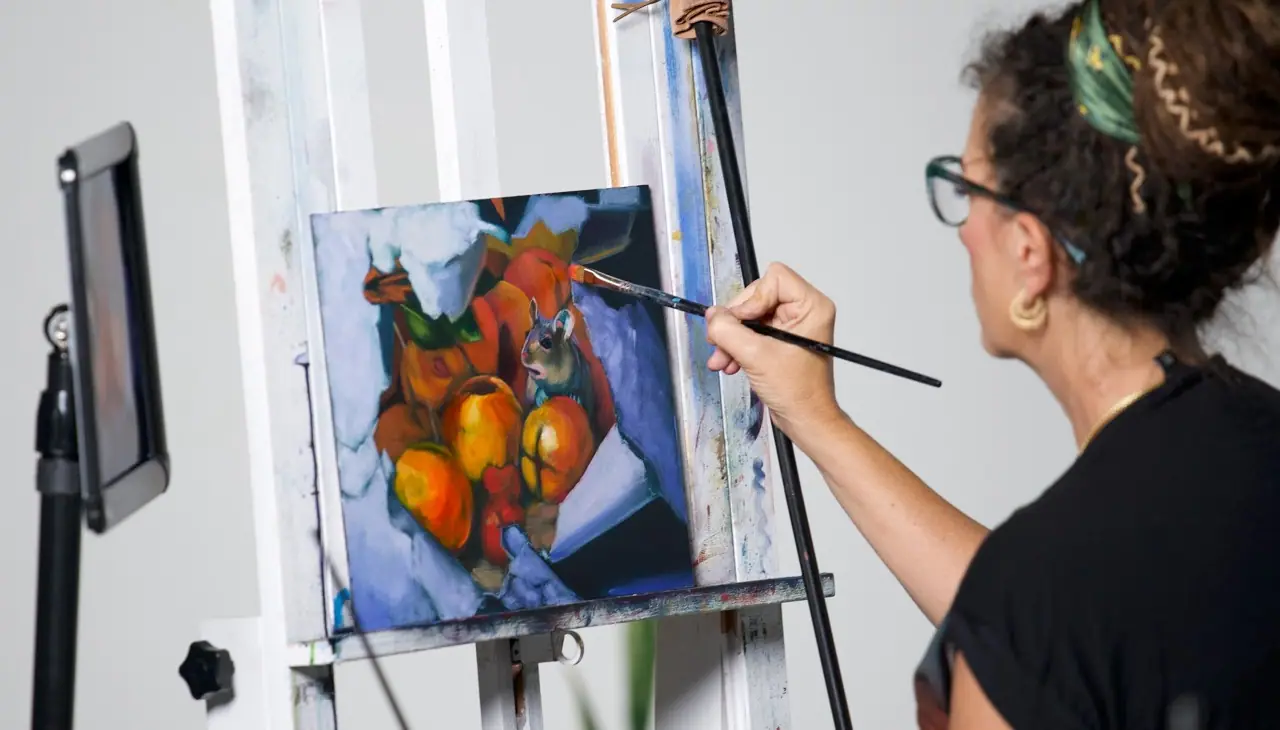
To paint well under pressure, simplify before you start, then commit to decisive marks instead of second-guessing every stroke. Find your focal point and value structure first so you are not solving the whole painting at once. Work in clear phases, quiet the inner critic by asking is this clear rather than is this good, and stop before you overwork the piece. Then train the skill on purpose with timed studies, because the only thing that makes real pressure feel familiar is having practiced it.
There is something revealing about painting under pressure. A ticking clock. A high expectation. A voice in your head whispering, this needs to be good. Pressure does not create your weaknesses. It exposes them. But it also reveals your strengths, and when you approach it the right way, it sharpens your focus, simplifies your decisions, and accelerates your growth. At Milan Art Institute we do not treat pressure as something to avoid. It is something to train for. Here is how to stay clear, confident, and creative when the heat is on.
Why does complexity collapse under pressure?
Under pressure, complexity collapses, so clarity has to come first. When artists struggle in timed or high stakes situations, it is rarely because they lack talent. It is usually because they try to do too much: too many details, too many colors, too many ideas competing for attention. Pressure demands that you choose.
Before you begin, ask yourself three questions. What is my focal point? Where is the strongest light? Where are my values? If you can squint at your reference or concept and clearly see the light and dark structure, you are already ahead, because a strong foundation removes guesswork later. When time is limited, simplify first. You can always add nuance if time allows, but you cannot rescue a painting that lacks structure. If reading value is the part that trips you up, painting dark to light breaks down how to build that structure on purpose.
How do decisive marks build momentum?
Decisive marks build momentum because hesitation is the real enemy under pressure. When artists second-guess every stroke, momentum disappears, the painting stiffens, and confidence fades. The fix is to practice decisive action: block in boldly, commit to your composition, and trust your initial instinct.
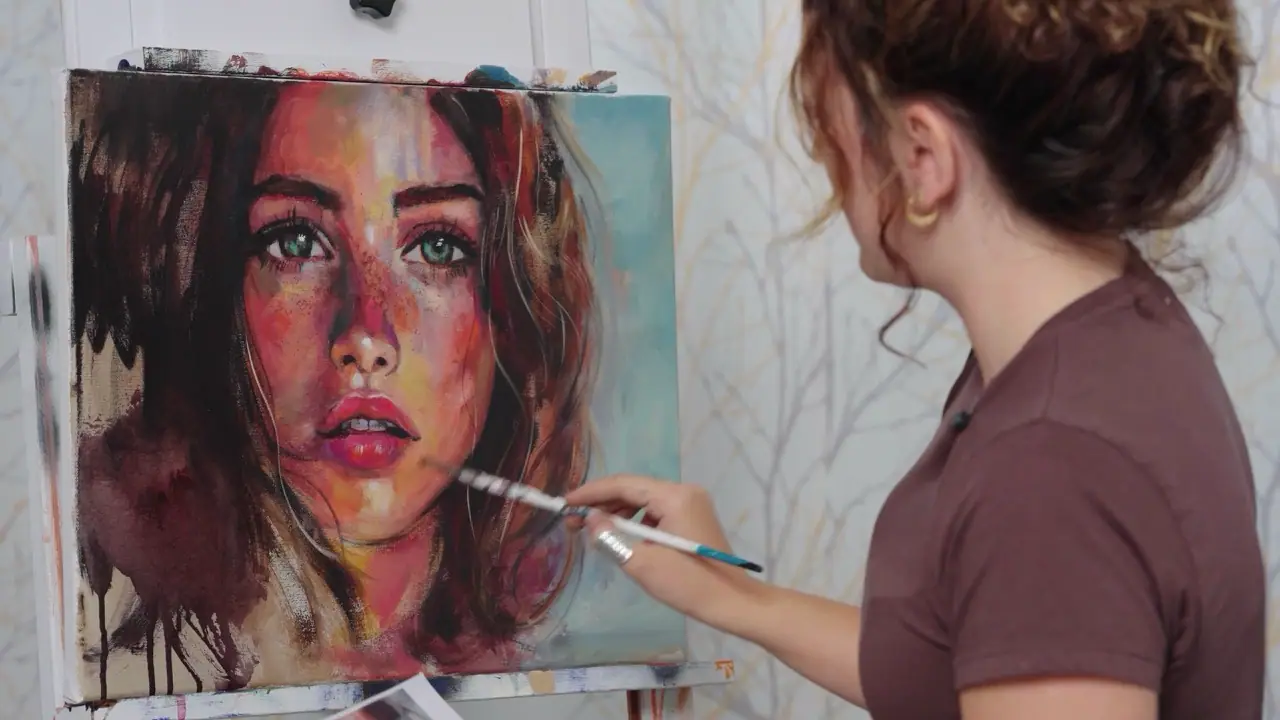
This does not mean rushing blindly. It means preparing enough that you can move forward without fear. When your fundamentals are strong, decisions become easier. You recognize patterns. You see value relationships faster. You know when something feels off. Here is the thing worth tattooing on your easel: confidence is not personality, it is preparation. The painters who look fearless are usually just the ones who solved the structure before they picked up the brush. If speed itself is your goal, the three phase approach in how to paint faster shows how decisiveness and speed reinforce each other.
How do you quiet the inner critic and stop comparing?
You quiet the inner critic by shifting your focus from judgment to information. Pressure amplifies comparison. You imagine what others would think, you measure yourself against artists further along, you feel the urge to prove something, and all of that mental noise consumes energy you need for problem solving.
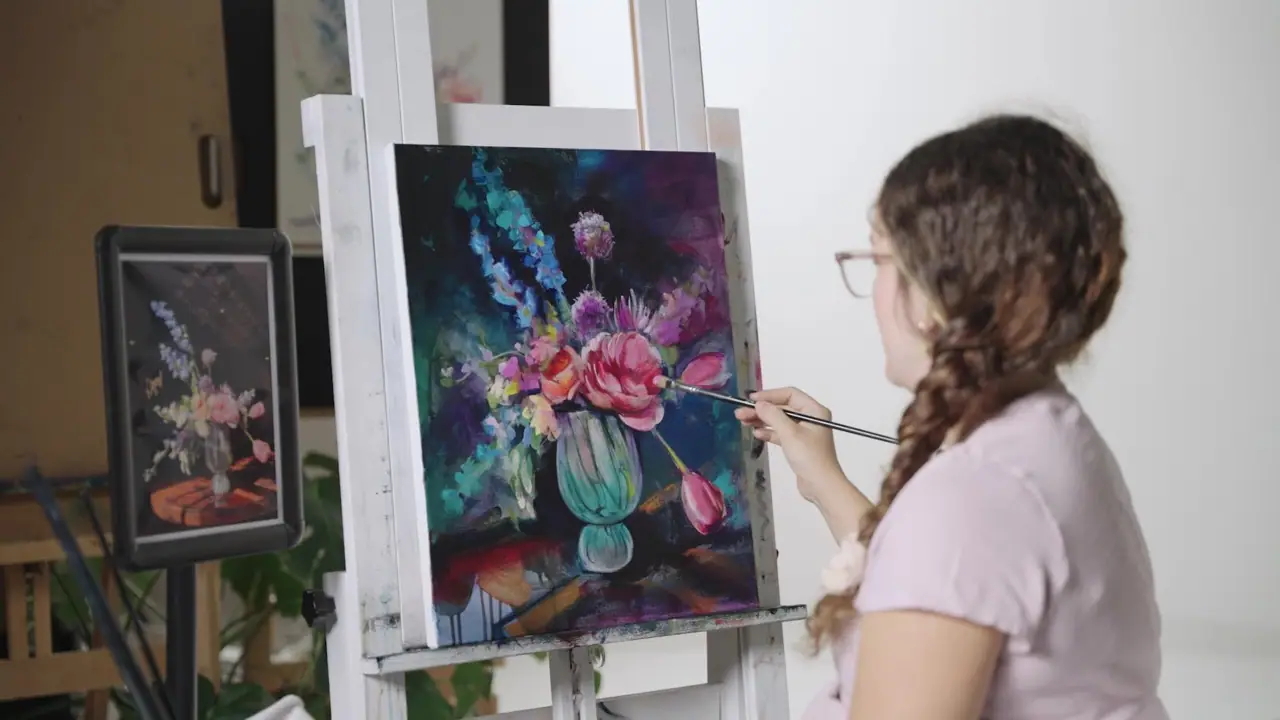
So instead of asking, is this good, ask, is this clear. That one swap moves you from defending your ego to improving your painting. Every painting is information. Even under pressure, especially under pressure, you are gathering data about your habits, your strengths, and your blind spots. When you remove the need to impress, you free yourself to grow. The same swap is what keeps that inner voice from running the brush: it only wears you down when you hear it as a verdict on your worth instead of a note on the painting. If the louder version of that voice is grinding you down, how to rise above the noise as an artist goes deeper, and if it sounds like the voice that says you are a fake, artist imposter syndrome is worth a read.
How does working in phases keep you calm?
Working in phases keeps you calm because it makes only one decision urgent at a time. One of the most effective ways to stay steady under pressure is to break your process into clear stages: big shapes and values, then color relationships, then refinement and edges, and finally strategic highlights. When you know what stage you are in, you stop jumping around. You stop polishing eyelashes before the head is constructed. You stop blending before the value structure works.
Pressure feels overwhelming when everything feels urgent, and a structured workflow restores control. Thinking in phases also helps you read your own work, because you can ask which stage broke down instead of judging the whole painting at once. Learning to look at it that way is a skill in itself, and how to critique art gives you a framework for doing it without spiraling.
How do you know when to stop?
You know it is time to stop when the core questions resolve. Ironically, pressure often pushes artists to overwork. They keep adjusting, keep correcting, keep tightening, and the freshness disappears. Strong paintings often end earlier than you think.
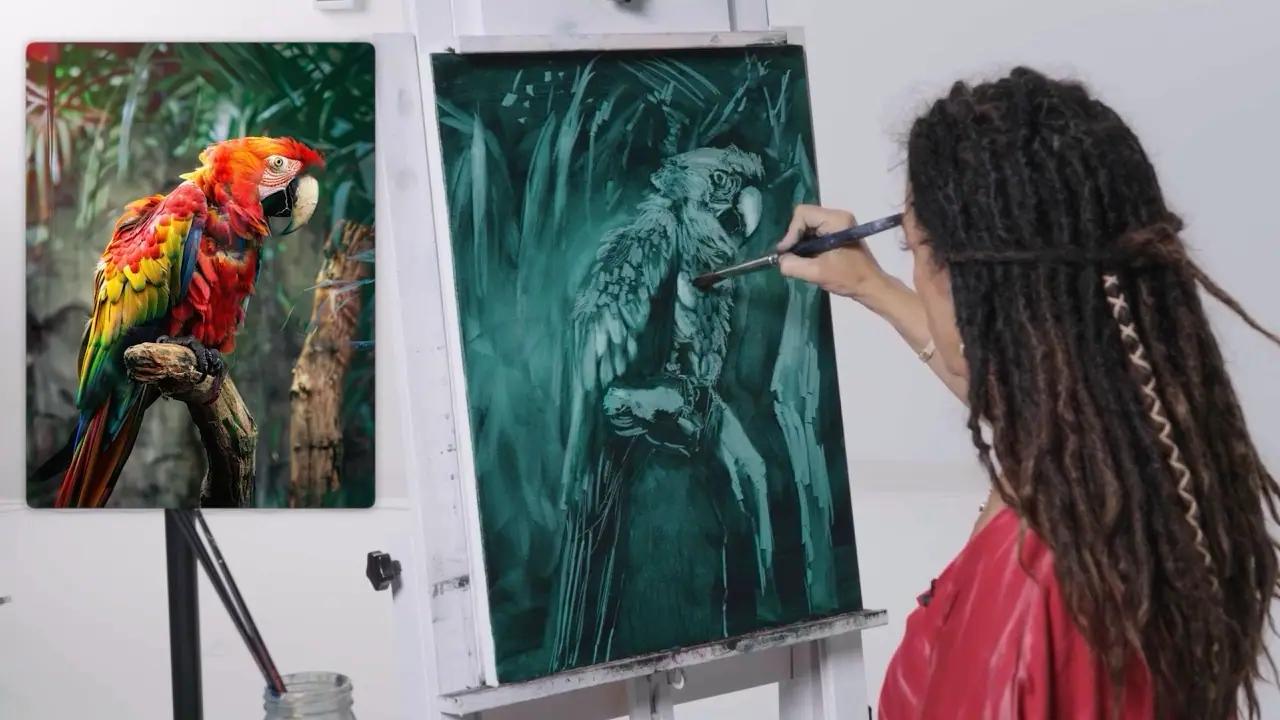
Ask three things. Is my focal point clear? Are my value relationships working? Are my edges supporting depth? If the answer is yes, you may be done. Restraint is a skill, and it becomes especially powerful when time is limited. The hardest moment in any painting is the one where it is working and a nervous part of you wants to keep going anyway. Learning to set the brush down is its own kind of confidence.
How do you practice pressure on purpose?
You practice pressure on purpose by simulating it in small, controlled doses, because the key to handling pressure is not avoiding it. Set a timer for 60 minutes and complete a small painting from start to finish. Limit your palette to three colors plus white. Give yourself one brush for the first phase. Constraints build clarity, timed studies strengthen decisiveness, and repetition builds calm. When you train under controlled pressure, real pressure feels familiar instead of frightening.
Quick answer
To paint well under pressure, simplify before you start by finding your focal point and value structure, then make decisive marks instead of second-guessing. Work in clear phases, quiet the inner critic by asking is this clear rather than is this good, and stop before you overwork. Most of all, practice under timed constraints so real pressure feels familiar.
Pressure reveals the artist you are becoming
Painting under pressure is not about perfection. It is about refinement. It reveals whether your foundation is strong, it shows you where you hesitate, and it strengthens your ability to think visually and strategically. Most importantly, it accelerates growth. At Milan Art Institute we teach artists how to build that foundation so pressure becomes an ally, not an obstacle, through clear structure, strong fundamentals, and guided practice.
If you are ready to put a brush in your hand and practice making decisions under real conditions, our free Two Week Challenge is a guided way to make your first paintings instead of just reading about them. And when you want more on staying loose, fast, and unafraid, the rest of the oil painting techniques collection is here when you want to keep going.
Frequently asked questions
How do you paint well under pressure?
Simplify before you start, then commit. Find your focal point and value structure first so you are not solving the whole painting at once, then make decisive marks instead of second-guessing every stroke. Work in clear phases, quiet the inner critic by asking is this clear rather than is this good, and stop before you overwork the piece. The deeper fix is training: practice under timed constraints so real pressure feels familiar.
Why do I freeze or rush when painting with a time limit?
Freezing comes from trying to do too much at once, and rushing comes from skipping the planning that would make your decisions easier. Both are solved the same way. Before you touch the canvas, find your focal point and read your light and dark structure, then break the work into phases so only one decision is urgent at a time. Pressure feels overwhelming when everything feels urgent, and a structured workflow restores control.
How do I stop comparing myself to other artists while I work?
Shift your focus from judgment to information. Comparison consumes the exact energy you need for problem solving, so instead of asking is this good, ask is this clear. Every painting is data about your habits, strengths, and blind spots, and when you remove the need to impress, you free yourself to grow. The comparison does not disappear, but it stops running the brush.
How do you know when to stop a painting?
Stop when the core questions resolve. Ask whether your focal point is clear, whether your value relationships are working, and whether your edges support depth. If the answer is yes, you may be done, even if part of you wants to keep tightening. Pressure pushes artists to overwork, and the freshness disappears with every unnecessary adjustment, so restraint is a real skill worth practicing.
What to practice this week
- Set a timer for 60 minutes and complete one small painting from start to finish, no extensions, so decisiveness becomes a habit instead of an accident.
- Limit your palette to three colors plus white for a study, which forces clarity and trains you to solve value before chasing color.
- Give yourself one brush for the entire first phase of a painting so you block in big shapes boldly before you let yourself reach for detail.
Supplies used

About the author
More from Elli