Why Artists Paint Thin to Thick (and How It Improves Your Paintings)
Begin with thin, fluid layers and finish with confident, thicker strokes. This one habit gives a painting structure, depth, durability, and brushwork that stays fresh.

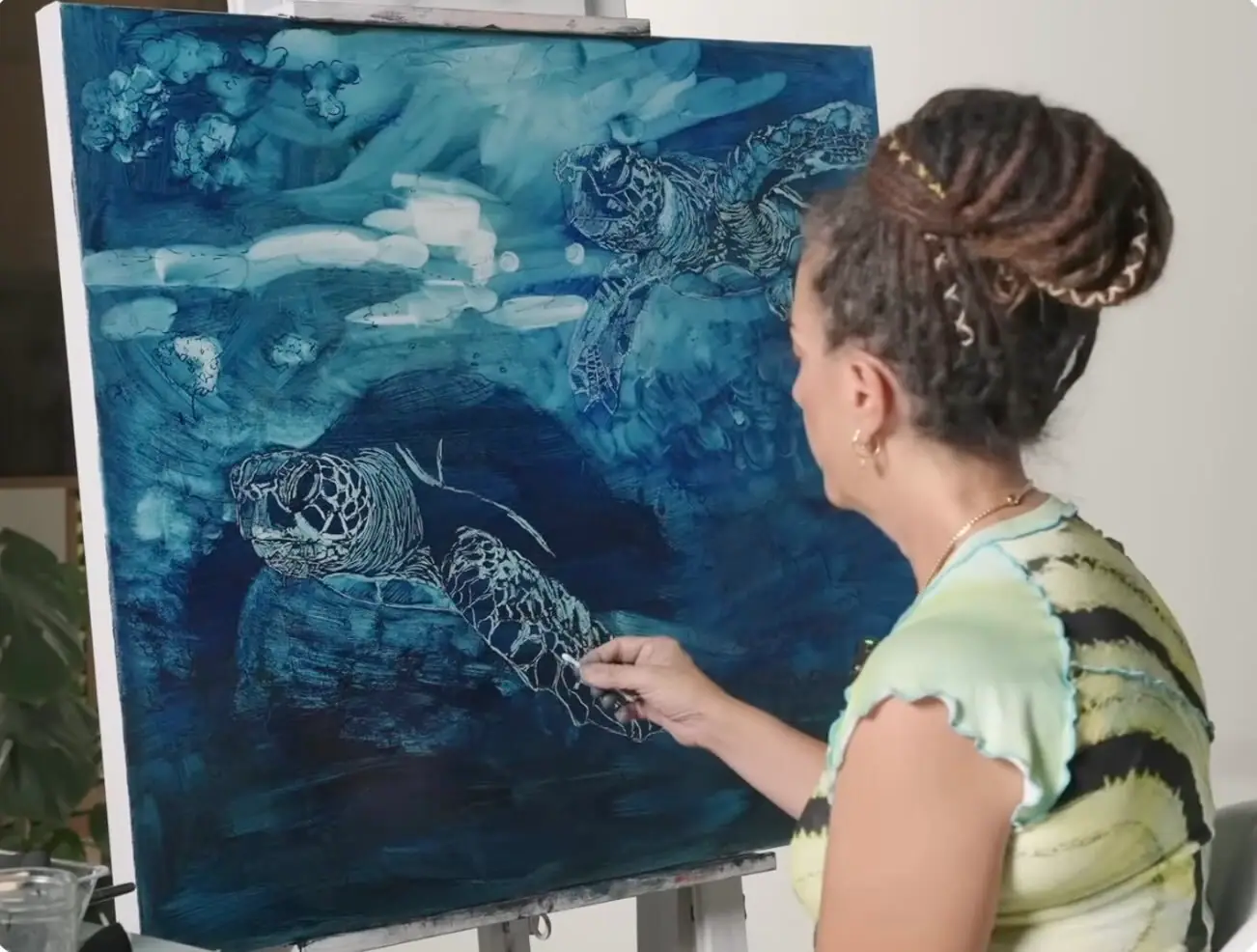
Painting thin to thick means starting with fluid, transparent layers and gradually building toward thicker, more opaque paint. The thin layers map out your shapes, values, and color while everything is still easy to adjust. The thick layers, saved for last, add texture, catch the light, and carry your most confident brushwork. It is a simple habit, but it gives a painting structure, depth, durability, and energy that survives all the way to the final stroke.
Most beginners want to start with thick paint and expressive strokes right away. That eagerness is a good thing, but rushing the heavy paint is also the fastest way to a muddy, overworked surface. Learning to begin thin gives your painting the support it needs to evolve naturally, the same way a light sketch supports a finished drawing. Here is why the order matters so much, and how to work through it.
What does painting thin to thick actually mean?
It means beginning your painting with transparent, fluid layers and gradually building toward opaque, heavier applications of paint. In acrylic, that early stage often looks like paint that is slightly watered down or mixed with a medium, so it moves easily across the surface and creates transparent washes. If you want to get the consistency right, our guide on how to thin acrylic paint walks through water versus mediums and how much is too much.
In oil painting, artists thin the early layers with a solvent or a painting medium, creating lean, flexible layers that dry more quickly. Either way, these first layers act almost like a sketch. They help you block in shapes and establish color relationships before you commit to anything heavy. As the painting develops, you gradually reduce the amount of medium and increase the amount of paint, introducing thicker, more opaque strokes where they count.
How does starting thin build a stronger foundation?
Thin layers let you establish the basic structure of a painting quickly, because the goal at this stage is not detail or perfection. You are mapping out the major shapes, colors, and values, nothing more. Because the paint is thin, it moves easily and can be adjusted without much resistance, which makes it far easier to correct proportions, shift shapes, and refine the composition before any heavy paint locks things in.
Think of it like a sketch before a finished drawing. The thin stage carries no pressure, which is exactly why it works. You get to make all your big decisions while changing them is still cheap and easy. If you are new to building paintings in stages, how to start oil painting for beginners covers the core techniques that sit on top of this same foundation.
Why does thin to thick let the painting evolve?
When you start thin, the painting stays flexible in the early stages, so you can make changes, soften edges, or adjust color relationships without fighting thick layers of paint. You can even subtract back into a fluid layer to pull out highlights and carve forms while laying down a strong structural base. This is the heart of subtractive underpainting, where you wipe paint away to find your lights instead of adding them on top.
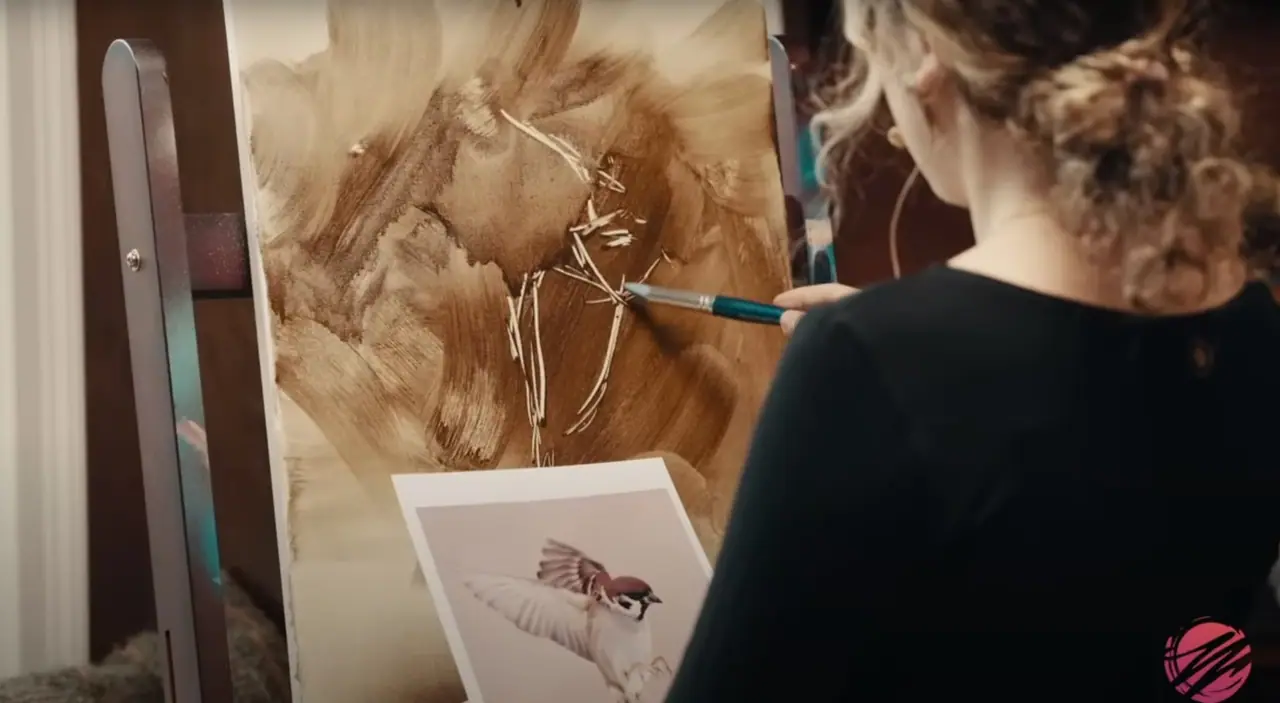
As the painting develops, thicker paint reinforces the important forms, highlights, and textures. This gradual build lets the painting grow naturally instead of feeling forced. By the time you reach the thicker stages, the structure is already working underneath you, which is what makes your final brushwork feel so confident and expressive.
How does it create depth and texture?
One of the most beautiful advantages of painting thin to thick is the sense of dimension it creates on the surface. Thin layers tend to sink into the canvas, becoming part of the foundation of the painting. Thicker paint then sits on top of those layers, catching the light and creating subtle physical texture you can see and feel.
That contrast between thin and thick is what adds richness and visual interest. Highlights in particular become far more powerful when they are applied with thicker paint toward the end, sitting proud of the sunken layers below. It is also why so many flat paintings stay flat: everything was applied at the same weight. If that sounds familiar, why do my acrylic paintings look flat digs into the same problem from another angle.
Why does it keep your brushwork fresh?
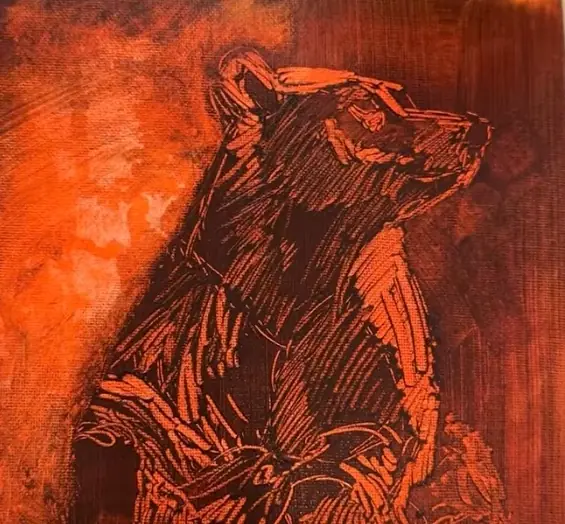
When artists begin with heavy paint too early, they tend to overwork the surface while trying to adjust shapes or colors, and that is how passages turn muddy and lose their energy. Working thin to thick prevents this. The early layers stay loose and fluid, doing the unglamorous job of structure, while the thick strokes are saved for the moments that truly matter.
Because of that, your final brushstrokes can stay bold, intentional, and full of life. You are not grinding heavy paint around trying to fix the drawing. The drawing is already solved underneath, so the last marks get to be pure expression. Often those final touches of thicker paint are the exact moments when a painting comes to life.
Does thin to thick help oil paintings last longer?
For oil painters especially, the thin to thick approach supports the stability of the painting over time. Thin layers tend to dry more quickly, while thicker paint takes longer to set. By gradually building thickness, you make sure each layer has the proper support beneath it, which helps prevent cracking and keeps the painting stable for years.
This is closely tied to the oil painter’s rule of fat over lean, where each layer should hold a little more oil than the one below it. Thin to thick and fat over lean usually travel together in oils, because lean, thin layers naturally belong at the bottom and fatter, thicker ones on top. Get the order right and the painting holds together. Get it backwards and the surface can crack as it dries.
Quick Answer
Painting thin to thick means beginning with fluid, transparent layers and gradually building toward thicker, opaque paint. The thin stage maps shapes, color, and value while staying easy to adjust. The thick stage adds texture, highlights, and confident brushwork. It creates depth, keeps brushwork fresh, and helps the painting last.
A practice that builds confidence
Painting thin to thick teaches you to think in stages instead of trying to solve everything at once. You let the painting unfold step by step, each layer building on the last, adding clarity, depth, and expression as you go. It takes the pressure off the first mark and saves the big, satisfying strokes for the end.
If you want to feel how this works with a brush in your hand instead of just reading about it, the free Two Week Challenge walks you through making real paintings from the first thin layer to the final thick highlight. And when you are ready to go deeper, the rest of the oil painting techniques collection picks up right where this leaves off.
Frequently asked questions
What does painting thin to thick mean?
It means beginning a painting with fluid, transparent layers and gradually building toward thicker, more opaque applications of paint. The early thin layers behave like a sketch, blocking in shapes, values, and color relationships. As the painting develops, you use less medium and more paint, saving the heaviest strokes for the final, most important moments.
Why do artists paint thin to thick?
Thin layers stay flexible, so you can correct proportions and shift color without fighting heavy paint. Thicker paint added later reinforces forms, highlights, and texture, and catches the light. The approach builds a strong foundation, keeps brushwork fresh, creates depth, and, for oil painters especially, helps the painting stay stable over time.
Is thin to thick the same as fat over lean?
They are related but not identical. Thin to thick describes paint thickness, going from fluid washes to heavy strokes. Fat over lean is an oil painting rule about oil content, where each layer should contain more oil than the one beneath it. In oils you usually follow both at once, since thin early layers tend to be leaner and later layers fatter.
How do I thin my paint for the early layers?
For acrylic, add a little water or an acrylic medium so the paint flows into transparent washes. For oil, thin the early layers with a solvent or a painting medium to keep them lean and quick drying. Keep these first layers loose and fluid, then reduce the thinner and increase the paint as the work develops.
Does thin to thick work for acrylic and oil?
Yes. Both mediums benefit from beginning thin and finishing thick. Acrylic dries fast, so the structure sets quickly and you can build over it. Oil stays workable longer and the gradual build is also what protects it from cracking, because each layer has proper support beneath it. The principle is the same in either medium.
What to practice this week
- Block in your whole painting with thin, watered down or medium thinned paint first, just the major shapes, values, and colors, before you reach for any thick paint.
- Save your thickest, most opaque strokes for the final highlights and key forms, and notice how they catch the light against the sunken thin layers.
- Try a subtractive pass in the thin stage: lay down a fluid layer and wipe back into it to carve out lights and forms before you start building thickness.
Supplies used
About the author
More from Elli