Plein Air Painting: A Beginner's Guide to Painting Outdoors
Plein air painting means making a painting entirely outdoors, from life instead of a photo. Here is what the term means, the supplies you actually need, and how to start.
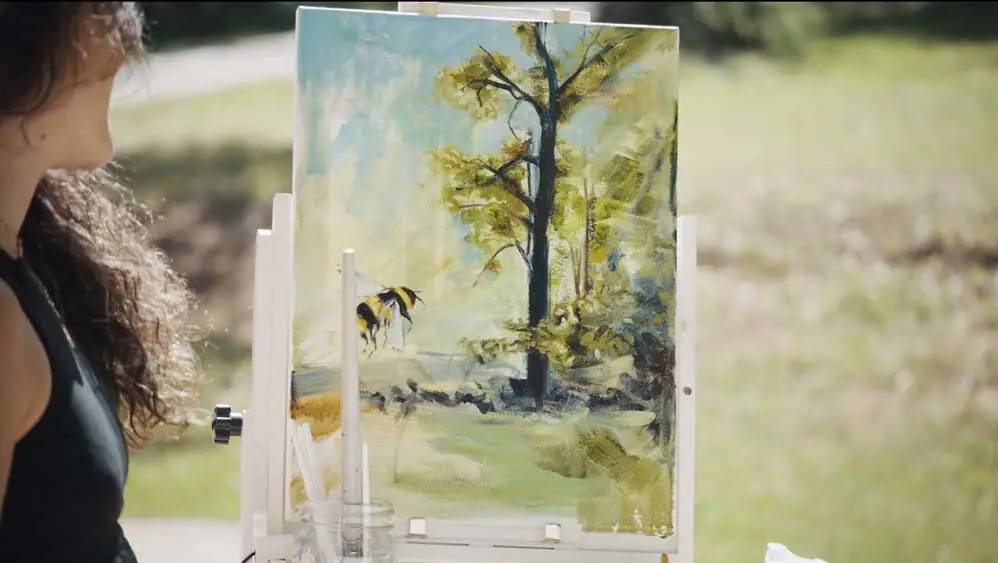
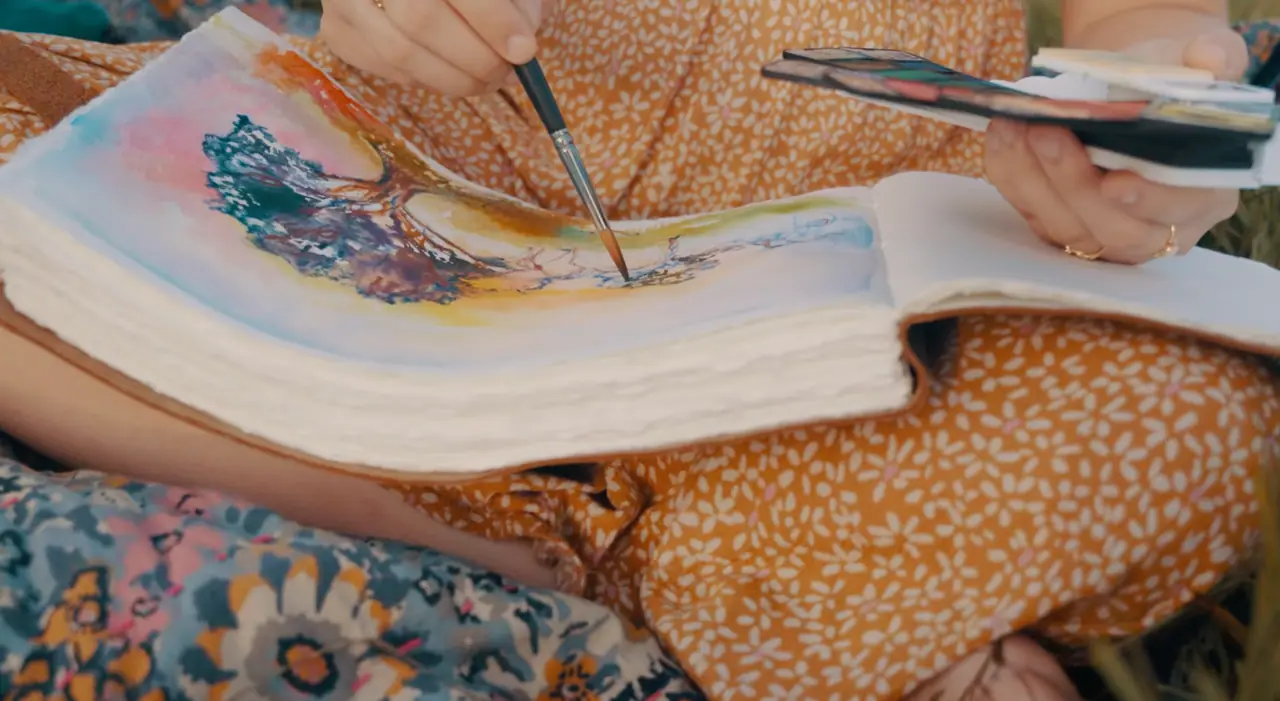
Plein air painting means creating a painting entirely outdoors, directly from the scene in front of you rather than from a photograph. The term is French for out of doors, and the practice is one of the fastest ways to grow as an artist, because it forces your eye to translate a real three dimensional world into a flat two dimensional image. You paint the light, the color, and the shapes as they actually are, in real time, while they keep changing. That is the whole challenge, and the whole gift.
Here is the thing most beginners miss: you do not need to live somewhere famous to do this. Wherever you are, there is almost certainly a view worth painting within a short walk of your door. A quiet street, a backyard, a park bench, a single tree in good light. The goal of this guide is to give you a clear, honest overview of plein air painting, what the term means, who made it famous, what you actually need to pack, and how to start, so you can stop reading and get outside.
What does en plein air mean?
En plein air, usually shortened to plein air, is French for out of doors, and it describes the practice of making a painting entirely outdoors instead of in the studio. According to the Tate, it specifically means finishing the work on site, not just sketching outside and painting the real thing back home.
For a long time, that distinction mattered a great deal. Artists would make preparatory drawings of a landscape outdoors, then return to the studio to produce the actual painting. Here is the art history reason why: until the 19th century, painting on location was genuinely impractical. Artists had to mix their own paints, which made carrying a full kit into a field nearly impossible. The invention of paint sold in metal tubes changed everything. Suddenly an artist could pack a bag, walk out the door, and paint a finished work directly from life. Plein air painting as we know it was born from that one small piece of technology.
Who are some famous plein air painters?
Plein air painting got its real start with the Romantic movement in the late 1700s and early 1800s, and the English painter John Constable is often credited with pioneering the practice of working outdoors from nature. He wanted to capture the truth of a sky or a field as he actually saw it, not an idealized version arranged in a studio.
The approach then exploded in popularity with the French Impressionists, who made painting outdoors central to their whole way of working. Claude Monet, Camille Pissarro, and Pierre-Auguste Renoir were all devoted plein air painters, chasing the way sunlight shifted across water, gardens, and city streets. Much later, the American painter Thomas Kinkade practiced plein air under the name Robert Girrard, because he believed working outdoors was the only way to truly understand the secrets of the old masters.
What is the difference between plein air painting and urban sketching?
Both plein air painting and urban sketching happen outdoors and from life, but they have a different pace and a different purpose. Plein air usually takes longer and leans on paint or pastel to produce a finished painting. Urban sketching is faster and more journalistic, and it can use almost anything: watercolor, markers, colored pencils, or just pen and ink with no color at all.
There are a few other meaningful differences worth knowing before you head out.
- Plein air painters often edit the scene. A plein air painter may leave out a telephone pole or shift an element to build a stronger composition. The aim is a better painting, not a literal record of every detail.
- Urban sketching is about the story of a place. It is closer to keeping a visual diary. The sketch records an event or a moment, and it is common for an urban sketcher to add written notes right on the page.
- Urban sketching can happen indoors. While plein air is outdoors by definition, an urban sketcher might just as happily draw the inside of a museum, a coffee shop, or a concert and the people in it. The point is to record the experience through drawing instead of through a camera.
So you will often spot an urban sketcher on a city street, in a park, or in front of a cafe, sketchbook open, coffee in hand, capturing the scene as it unfolds.
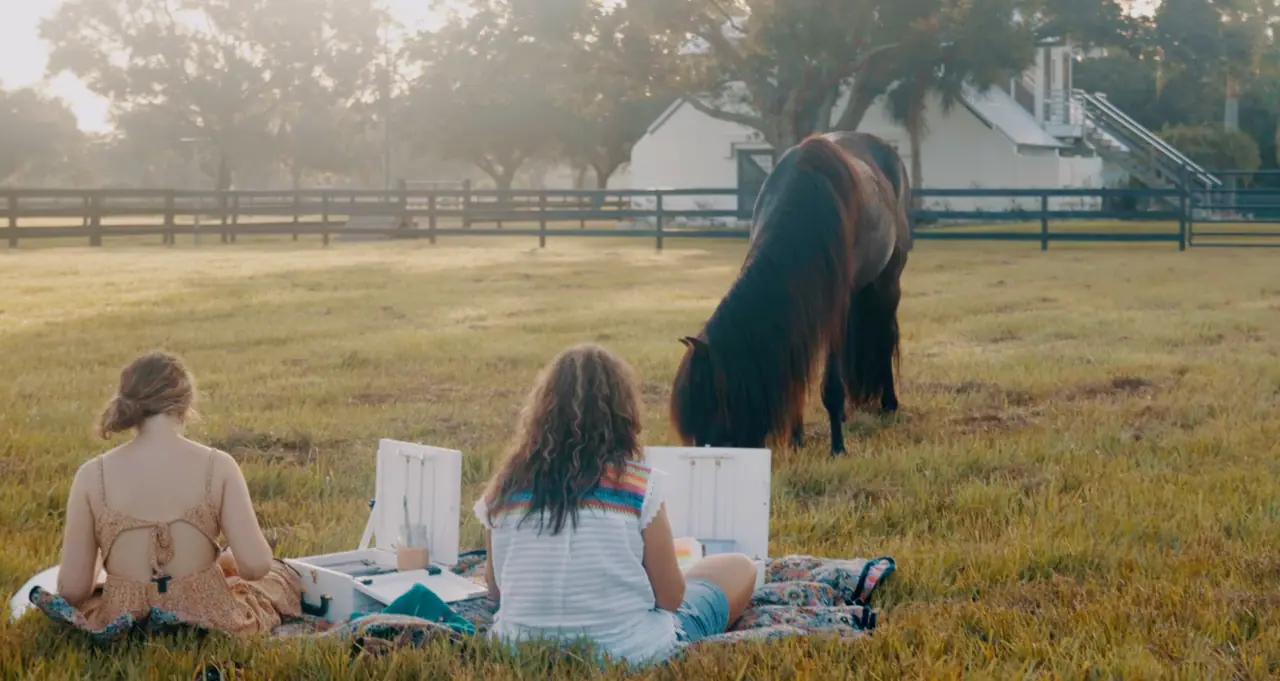
What supplies do you need for plein air painting?
You need far less than you think, and the most important rule is to pack light, because you have to carry every bit of it. The exact kit depends on your medium and your preferences, but here is a generous menu of options. You do not need all of these. Treat it as suggestions for building your own setup, not a shopping list to clear out.
- A portable plein air easel or a pochade box. This is your mobile studio. A pochade box is a compact case that holds your palette and a small panel, and many mount right onto a camera tripod.
- A camera tripod. Lightweight and steady, a tripod gives a pochade box or panel a solid place to sit.
- A plein air bag and a foldable lawn chair. A dedicated bag keeps everything together, and a packable chair makes a longer session far more comfortable.
- A wet panel carrier. This holds your freshly painted, still wet panels so you can carry them home without smearing your work.
- A painter’s palette and containers for solvents. A palette to mix on, and sealed containers to safely carry any solvents you use.
- A limited palette of paints. For oils, a limited palette of three primaries plus black and white simplifies your decisions and keeps your colors unified. A small set of watercolor paints is another excellent, ultralight option.
- A few brushes and some drawing tools. One small, one medium, and one large brush will cover most situations. Add pens, markers, or watercolor pencils if you want to sketch.
- Surfaces to work on. Small canvases, a few panels, watercolor paper or a sketchbook, and even mini trading cards for quick studies.
- Rags, paper towels, and a large plastic bag. Rags and towels for cleanup, and a sturdy plastic bag to corral all your small supplies.
One last thing that is easy to forget: bring what you need to actually enjoy being outside for a few hours. That might mean an umbrella for shade, sunscreen, plenty of water, and snacks. Dress for the weather, because comfort is what lets you stay long enough to make something good. For a fuller breakdown of getting set up, see our guide to essential art supplies.
How do you start plein air painting and learn the techniques?
Start small and start with a sketch. The single biggest favor you can do yourself as a beginner is to drop the pressure to make a finished masterpiece on your first trip out. Begin with a quick oil sketch or a small study, and let the goal be learning, not framing. Plein air is a skill, and like any skill it rewards reps over perfection.
The reason plein air levels up your painting so quickly comes down to one idea: you are painting from life, not from a photo. Learning to see like an artist is partly the ability to translate a real three dimensional scene into a flat two dimensional surface, and a camera quietly does that work for you. It flattens the depth, edits the color, and freezes the light. Outdoors, you have to make all of those judgments yourself, fast, while the sun keeps moving. That pressure is the whole point, and it trains your eye in a way that copying photographs never will.
A few techniques make those first sessions far more productive.
- Work fast and simplify. The light will change within an hour, so block in your big shapes and major values early, before you fuss over any detail. A strong, simple statement beats a half finished, overworked one.
- Use a limited palette. Fewer colors force you to mix and keep your whole painting in harmony. Three primaries plus black and white is plenty to start, and it removes a lot of paralysis.
- Mind your color temperature. Outdoor light is full of warm and cool shifts, and learning to read them is what makes a plein air painting feel alive and juicy rather than flat. This is also where color theory starts to click in a way no studio exercise can teach.
- Compose with intention. You are allowed to edit. Leave out what clutters the scene and arrange the rest into a stronger design. Our guide to composition in art covers the principles that make a view read well on the page.
If you are still building basic confidence with paint, the wider set of essential oil painting techniques will give you the foundation to take outdoors. The fundamentals you practice in the studio are the same ones you will lean on in a field.
Should you take a plein air painting class or workshop?
A class or workshop is worth it if you find yourself stuck on the techniques you cannot crack alone, and most people do. Principles like linear perspective and color temperature are genuinely hard to self teach in the open, where the light will not hold still and there is no one to tell you why your painting looks muddy. An instructor closes that gap quickly.
The real value of formal instruction is that it helps you match your painting skills to your painting desires. Most beginners can see, in their mind, the painting they wish they could make, but their hands cannot get there yet. Guided practice is what bridges that distance, and over time it lets you paint just about anything your eyes can see. That is the whole promise of training: not talent handed down, but skill built deliberately.
Plein air is one beautiful slice of a much bigger craft, and the way to get good at it is the same way you get good at any of it. Pick a spot. Pack light. Paint from life more often than not. If you want a structured, supported way to take your first real steps as a painter, our free Two Week Challenge is built to get a brush in your hand and make your first paintings, not just read about them. And when you want to go deeper into the craft itself, the rest of our oil painting techniques collection is here whenever you are ready.
Frequently asked questions
What does en plein air mean?
En plein air, usually shortened to plein air, is French for out of doors. It refers to the practice of creating a painting entirely outdoors, on site, rather than finishing it later in a studio. The phrase became common in the 19th century, when paint sold in tubes finally made it practical for artists to carry their supplies outside and paint a scene directly from life.
What supplies do you need for plein air painting?
You need far less than the art store suggests. A portable easel or pochade box, a limited palette of paints, a few brushes in small, medium, and large, a surface or two, and rags will get you started. Pack light, because you have to carry everything. Add water, sunscreen, and snacks so you can comfortably paint outdoors for a few hours.
Is plein air painting hard for beginners?
Plein air is challenging because the light moves and you cannot control the scene, but that is exactly what makes it such good training. You learn to work fast, simplify what you see, and commit to decisions. Beginners do best starting with a quick oil sketch or a small study rather than a finished masterpiece, and building up from there.
What is the difference between plein air painting and urban sketching?
Both happen outdoors and from life, but plein air usually takes longer and uses paint or pastel to make a finished painting. Urban sketching is faster and more journalistic, often done in pen, marker, or watercolor, and it records a moment or place like a visual diary. Urban sketching can also happen indoors, inside museums, cafes, or concerts.
Why paint from life instead of from a photo?
Painting from life forces your eye to translate a real three dimensional scene into a flat two dimensional image, which is one of the core skills of seeing like an artist. A camera flattens depth, edits color, and freezes the light for you. Outdoors you make those judgments yourself, and that practice is what sharpens your observation and your painting.
What to practice this week
- Do a 30 minute oil sketch outdoors using only a limited palette of three primaries plus black and white, and stop when the time is up.
- Pick one nearby spot, set a timer, and paint the same view three days in a row to train how you simplify a scene under changing light.
- Edit the scene on purpose: leave out one distracting element, like a telephone pole, and move something to build a stronger composition.
Supplies used

About the author
More from Elli