Acrylic vs Watercolor vs Oil: Which Paint Is Right for You?
Oil, acrylic, and watercolor each have their own rhythm. Here is how they differ in drying time, forgiveness, and cleanup, so you can pick the one that fits how you want to paint.

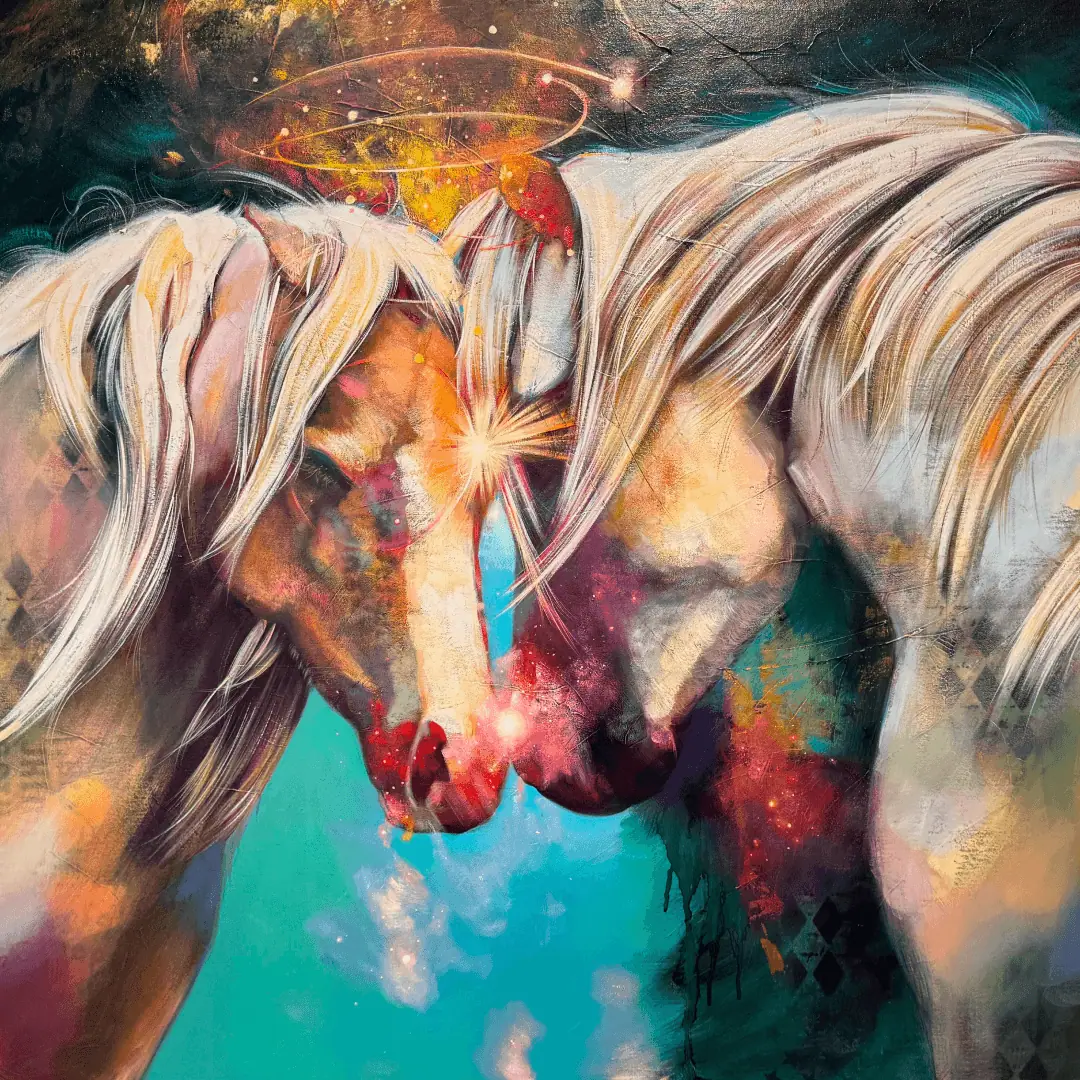

Acrylic, watercolor, and oil differ in three things that actually matter when you sit down to paint: drying time, forgiveness, and cleanup. Acrylic dries in minutes, cleans up with water, and forgives mistakes because you can paint over a dried layer, which makes it the easiest entry for most beginners. Oil stays wet for hours and blends richly, but it is slower and needs more setup. Watercolor is cheap and luminous but the least forgiving, since the paint is transparent and you cannot easily cover an error. Pick one and commit.
Choosing your first medium can feel like standing in front of a blank canvas, exciting and a little overwhelming at once. Each of these paints has its own personality and rhythm, and the honest truth is that none of them is better than the others. They are different tools for different feelings. Below is how each one behaves, who it suits, and how to decide, so you can stop comparing and start painting. If you only care about the two heavyweights, here are the 5 key differences between acrylics vs oil paint.
Acrylic vs watercolor: which is easier for beginners?
Acrylic is the easier first medium for most beginners, mainly because it forgives you. Once a layer of acrylic dries, you can paint right over it, so a mistake is never permanent. It also cleans up with plain soap and water, needs no solvents, and works on almost any surface, from canvas to wood to paper. That low-stakes, low-mess nature is exactly what a nervous beginner needs while they learn color mixing and brush control.
Acrylics are the go-to for artists who love bold color and quick results. They dry fast, which makes them great for layering and mixed media. You can thin them with water for a watercolor-like effect or thicken them with gels for extra texture, so a single set of paints can behave in a lot of different ways while you figure out what you like.

Watercolor is tempting because it needs the least gear and the smallest budget, but it is the least forgiving of the three. The paint is transparent, mistakes are hard to undo, and you have to plan your light areas in advance because you work from light to dark. Many beginners find that unpredictability discouraging early on. It is a beautiful medium, just a harder one to learn first. If you want a gentle, low-pressure way to test acrylic flow, our guide on how to thin acrylic paint shows how far water alone can take you.
What is the difference between oil painting and watercolor?
Oil and watercolor sit at opposite ends of almost every spectrum. Oil is opaque, slow, and built up in layers that can seem to glow from within. Watercolor is transparent, fast, and spontaneous, letting light shine straight through thin washes onto the paper. One rewards patience and planning, the other rewards looseness and timing.
Oil paint has been the choice of masters for centuries. Its slow drying time lets you blend colors beautifully and build luminous layers, and the buttery texture feels luxurious to push around. That long open working time is the whole point: you can rework a passage, soften an edge, or adjust a color long after you laid it down. The trade-off is that oils need solvents for cleaning and take longer to dry, so they ask for more patience and a bit more setup.
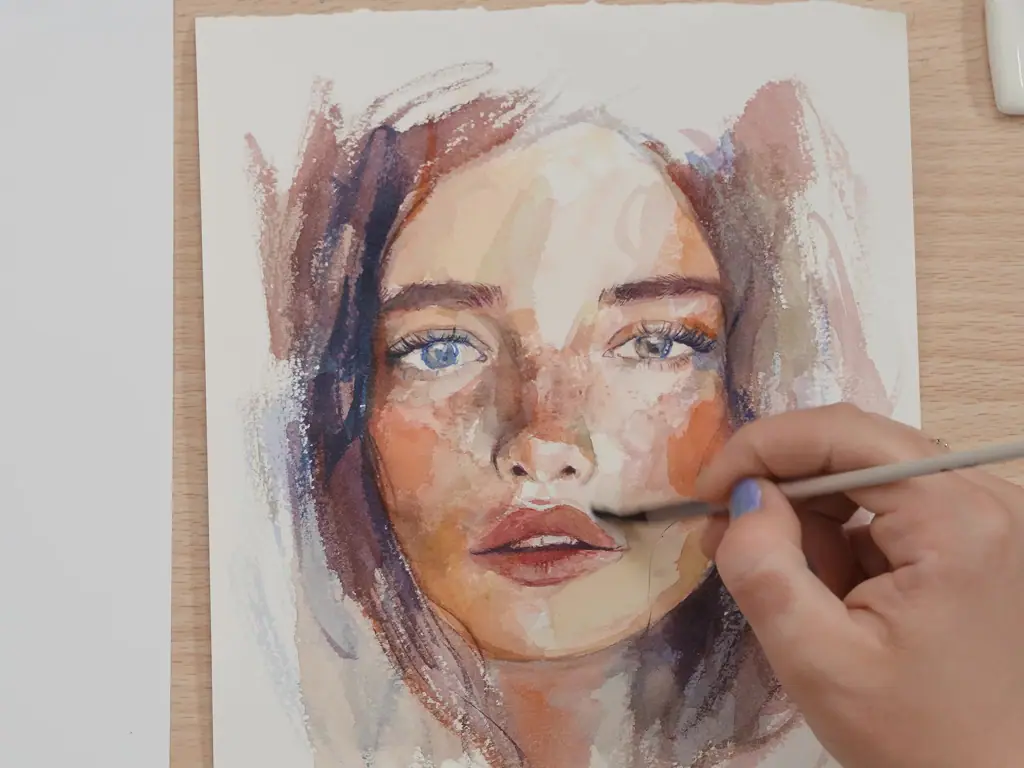
Watercolor captures the beauty of spontaneity. Each brushstroke feels alive as pigment meets water and paper, and the translucent quality allows light to pass through the layers, creating soft, ethereal effects. While watercolor can be unpredictable, it teaches you to embrace flow and imperfection. You develop a sense of timing, knowing when to let the water move freely and when to take control. That timing is a real skill, and it is part of why watercolor is humbling to begin with and satisfying to master.
Why are oil paints rich, classic, and slow?
Oil is rich and slow because of how it dries: the binder cures gradually instead of evaporating, so the paint stays workable far longer than acrylic or watercolor. That slowness is a feature, not a flaw. It is what lets you blend softly, glaze thin transparent layers, and build the kind of depth that older paintings are known for.
For beginners willing to be patient, oils reward experimentation with technique. You can try glazing to layer transparent color, scumbling to drag a broken layer over another, or impasto to lay paint on thick with a knife. Each approach explores a different kind of depth. Oils do require solvents for cleaning and take longer to dry, but many artists find the unhurried process calming rather than frustrating. If you decide oil is your path, the essential oil painting techniques guide will get you moving.
One safety note worth keeping: when you combine media in a single piece, oil always goes last. Acrylic and watercolor are water based and can sit underneath, but oil should never have a water-based layer painted on top of it, or the upper layer will fail to bond.
How do mediums change each paint?
Mediums are the secret ingredient that can completely change how your paint behaves, giving you more control or more freedom depending on what you add. Each type of paint has its own family of mediums, and learning even one of them opens new creative doors.
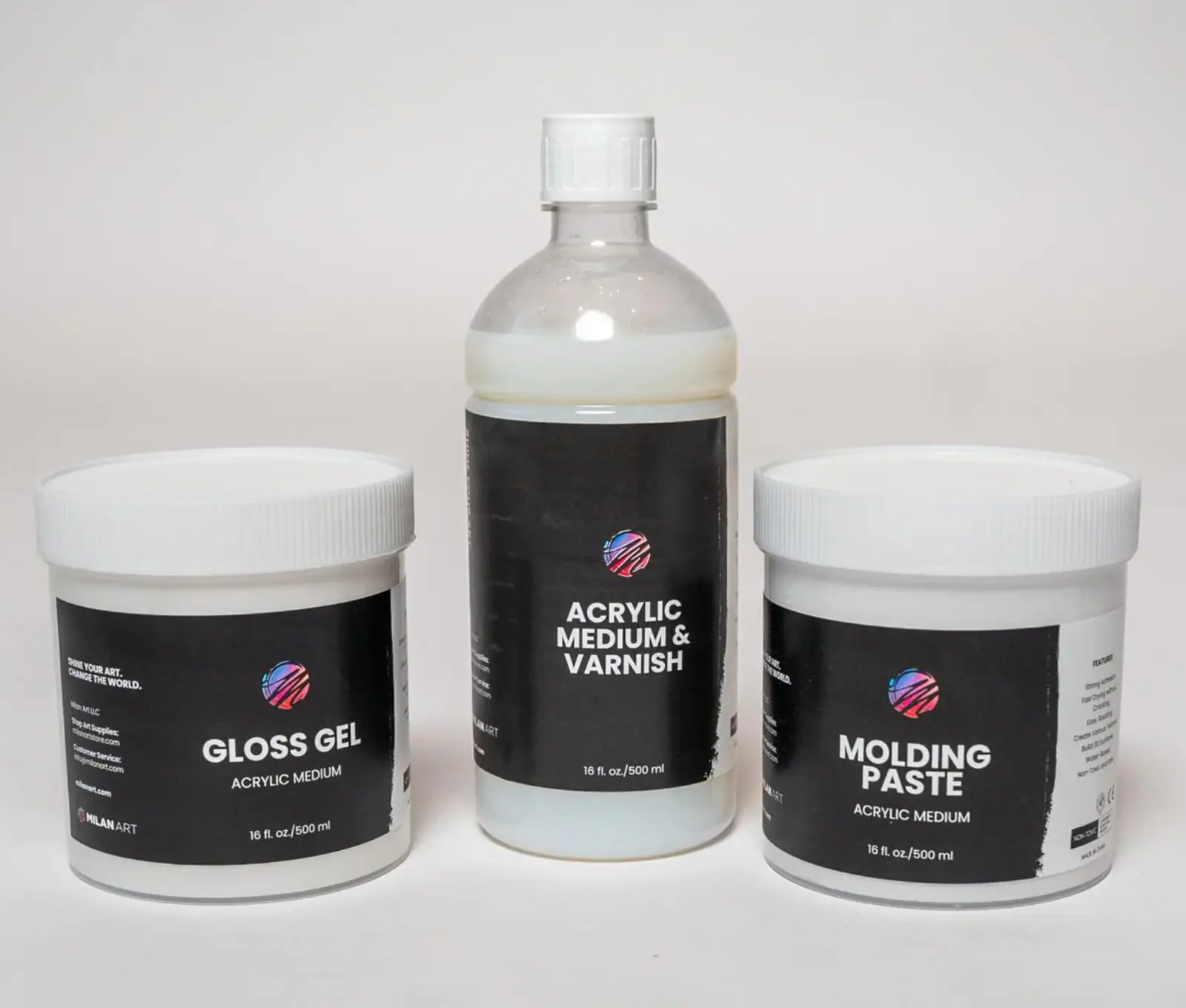
For oils, use linseed or walnut oil for smoother flow, or a faster-drying medium when you want to glaze layers more quickly. With acrylics, try gels and pastes to build texture or add a glossy finish, since they thicken the paint and hold a mark. For watercolor, experiment with masking fluid to protect white areas, granulation medium for a grainy texture, or lifting aids that help you pull color back out. Used well, these are the difference between a flat result and a painting with real surface and life.
Which medium should you choose?
Choose the medium that matches how you want to work, not the one that sounds most impressive. If you want fast results, easy cleanup, and room to make mistakes, start with acrylic. If you are drawn to deep, blendable color and you have the patience for a slower process, oil will reward you. If you love looseness, light, and spontaneity, and you do not mind a steep early learning curve, watercolor is your medium.
Every artist’s journey is unique, so do not be afraid to experiment and play. You might fall in love with the depth of oils, the speed of acrylics, or the lightness of watercolor, and you might even find yourself mixing all three. Just remember the one rule that protects your work: only ever use oil as the last layer. Beyond that, explore, make mistakes, and enjoy discovering what feels most natural to your hand.
The most important thing is simply to begin. Reading about paint will only take you so far, and the medium you commit to first matters less than the act of putting a brush in your hand this week. The fastest way to start with real structure and feedback is our free Two Week Challenge, a guided way to make your first paintings instead of just comparing them. When you want to go deeper into any one path, the full oil painting techniques collection is here whenever you are ready.
Frequently asked questions
What is the difference between acrylic, watercolor, and oil paint?
The core differences are drying time, forgiveness, and cleanup. Acrylic dries in minutes, cleans up with water, and lets you paint over mistakes once a layer is dry. Oil stays wet for hours, which allows rich blending, but it is slower and needs solvents or a safe cleanup routine. Watercolor is transparent and water based, luminous but the least forgiving because you cannot easily cover a mistake.
Which is better for beginners, acrylic or watercolor?
Acrylic is the easier first medium for most beginners. It forgives you, since a dried layer can simply be painted over, and it cleans up with plain water and no solvents. Watercolor needs less gear and a smaller budget, but it is transparent and unforgiving, so mistakes are hard to undo and you have to plan your light areas in advance. That can discourage a brand new painter.
What is the difference between oil painting and watercolor?
Oil and watercolor sit at opposite ends of the spectrum. Oil is opaque, slow drying, and richly blendable, built up in layers that can glow with depth, and it needs solvents or a safe cleanup setup. Watercolor is transparent, fast, and spontaneous, letting light shine through thin washes, but it is far less forgiving because you cannot easily paint over what you have already laid down.
Which paint dries the fastest?
Acrylic dries the fastest by a wide margin, often in minutes, which makes it great for quick layering and mixed media. Watercolor dries quickly too as the water evaporates. Oil is the slowest by far and can stay workable on the canvas for hours or days, which is exactly why it is prized for soft blending and reworking color as you go.
Can you mix oil, acrylic, and watercolor in one painting?
You can combine them, but the order matters. Acrylic and watercolor are water based and can layer under other media, while oil must always go last. Never paint acrylic or watercolor on top of oil, because the upper layer will not bond and can crack or peel. The safe rule is fat over lean and oil over everything, never the reverse.
What to practice this week
- Paint the same simple subject three times, once in acrylic, once in watercolor, and once in oil if you have it, and notice how differently each medium behaves.
- Take one color and thin it three ways: acrylic with water, watercolor in a light wash, and oil with a little medium, to feel the difference in flow and transparency.
- Try one acrylic medium, a gel or paste, on a scrap surface to see how it changes texture and finish before you use it in a real piece.
Supplies used

About the author
More from Elli