Finding Artistic Inspiration from Nature, Travel, and Everyday Life
Inspiration is not something you wait for. It is something you learn to notice. Here is how to pull real creative fuel from nature, travel, and the ordinary day in front of you.
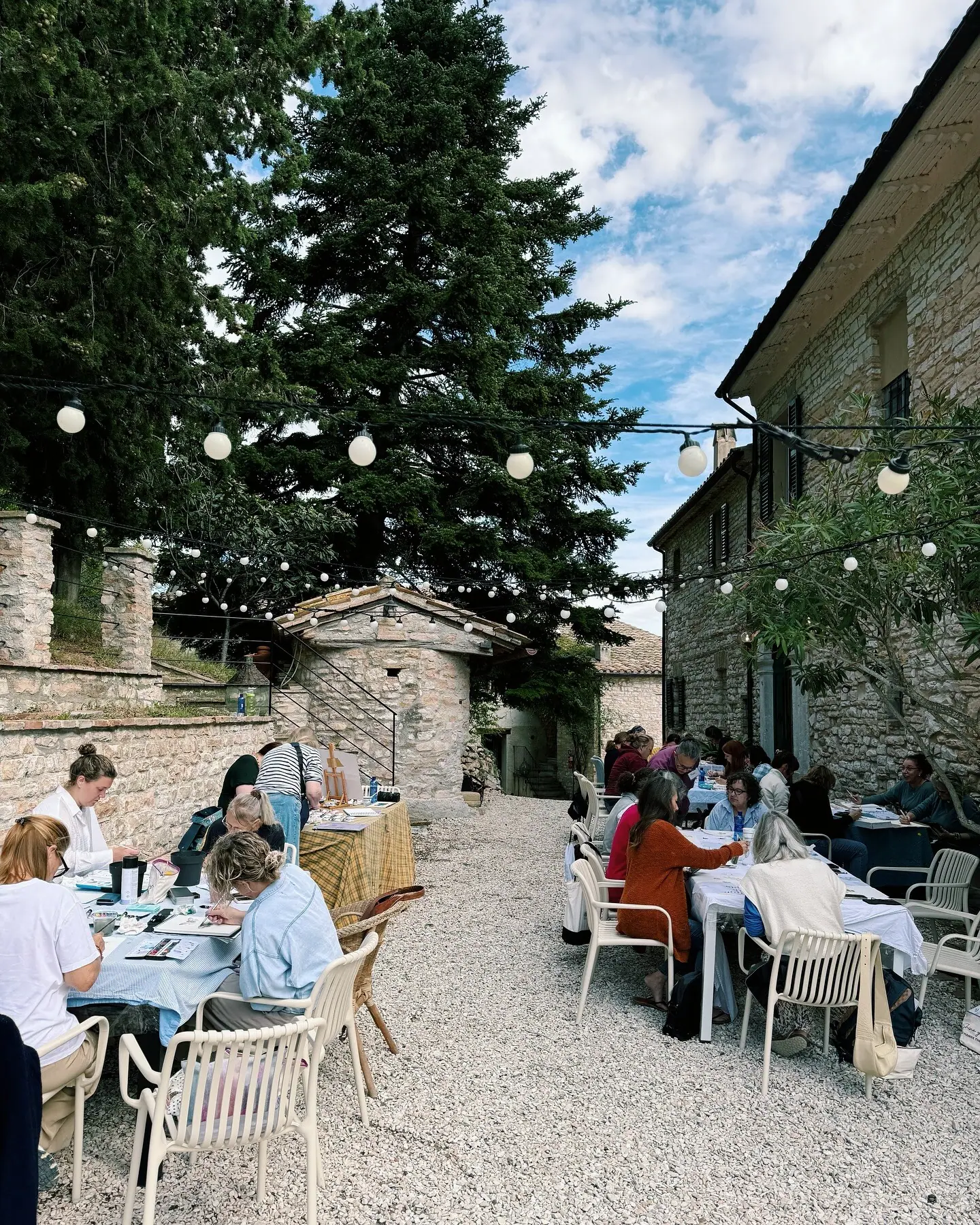
To find artistic inspiration, stop waiting for it and start noticing it. Inspiration is not a lucky mood that arrives on its own. It is a habit of attention you can build. It lives in the quiet rhythm of your morning walk, in the shifting colors of a landscape, in the texture of a city wall halfway across the world. When you begin to treat your own life as creative fuel, your art deepens, expands, and becomes unmistakably your own. The three richest sources are the same three you already have access to: nature, travel, and everyday life.
Here is the thing most artists get backwards. They believe inspiration is something rare that strikes from outside, so they sit and wait for it. Your best work emerges when you do the opposite: slow down, observe, and engage fully with the world in front of you. The rest of this guide is about how to do that on purpose.
How does nature inspire artists?
Nature inspires artists by teaching the things a screen never can: how light changes through the day, how colors sit together in surprising harmony, and how texture lives in rock, bark, and water. It has always been one of the most powerful teachers for painters, because it never stops offering new lessons in color and form.
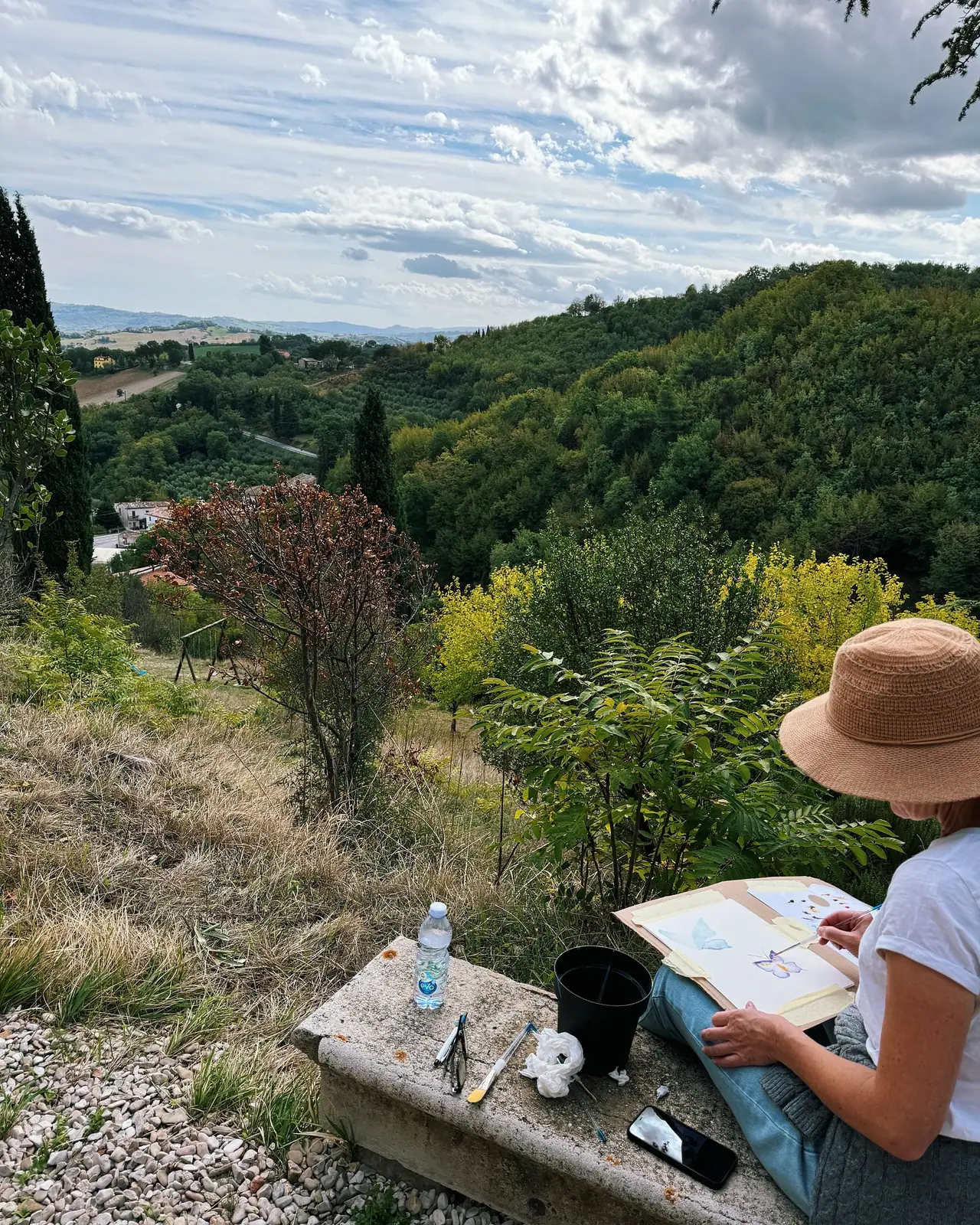
The most direct way to reconnect with that source is to paint outdoors. Plein air painting is not just capturing a scene. You are responding to wind, temperature, sound, and movement all at once. You learn to trust your instincts and make confident decisions in the moment, because the light will not wait for you to deliberate.
This practice does specific, lasting things to your eye. It strengthens your ability to see color relationships, to simplify complex forms into their major shapes, and to work with energy and intention instead of fussing over detail. Even if you primarily work in the studio, time spent painting outdoors will transform how you approach every piece you make indoors afterward.
How does travel spark creativity?
Travel sparks creativity by waking your senses and shaking loose habits that no longer serve you. When you step into a new environment, colors feel brighter, shapes feel unfamiliar, and patterns emerge that you have never noticed before. The change of place does the work your routine could not.
The key shift is this: as an artist, travel is not about collecting photos. It is about collecting experiences. A folder of vacation pictures rarely becomes art. A handful of real observations, captured while you were fully present, almost always does.
That is where journaling earns its keep. Sketching in a cafe, writing a few notes about the light in a foreign landscape, or taping found materials into the pages keeps you present and engaged. These journals become living archives of ideas you can return to again and again, long after the trip ends. Many artists also find inspiration in the materials they discover while traveling: handmade papers, local pigments, natural fibers, or found objects. Working those into your pieces adds layers of story, texture, and authenticity that you could not have invented at your desk.
How do natural materials deepen your work?
Natural materials deepen your work by connecting you to both process and place, not just the image you are depicting. Earth pigments, charcoal, natural fibers, and organic textures bring a rawness and honesty that viewers feel before they can explain it.
When you use materials that come directly from the environment, something shifts in how you make decisions. You begin to work in collaboration with nature rather than simply copying it. This invites experimentation and play, and it lets your work evolve in organic, intuitive ways instead of marching toward a predetermined result.
You may also find that these materials push you past the trap of perfection and into genuine expression, which is usually where your most compelling work lives. A handmade surface or an unpredictable pigment refuses to be controlled, and that resistance is a gift. It pulls you out of your head and into the act of making. If you want to keep exploring this, the broader world of mixed media art opens up countless ways to combine found and natural materials into a single piece.
Where do you find inspiration in everyday life?
You find everyday inspiration by paying attention to the ordinary, because inspiration does not only live in dramatic landscapes or distant locations. It is present in your daily rituals, your conversations, and your surroundings, waiting for you to notice it.
Start small and specific. Pay attention to the way shadows fall across your studio floor in the late afternoon. Notice the color combinations in a grocery store display. Observe the rhythm of people moving through a space, or the single warm light in a row of cold windows. None of these is dramatic on its own. Gathered with intention, they become powerful creative prompts.
This is why a steady studio practice matters more than waiting for a grand idea. When you cultivate awareness as a daily habit, your life becomes a sketchbook and every experience adds to your visual language. The artist who notices five small things a day is never short of material. Keeping an artist’s sketchbook gives those observations somewhere to land before they slip away, and over time those pages become the richest reference library you own.
How do you make space to actually use your inspiration?
You make space by treating immersion as a priority, not a luxury you will get to someday. One of the greatest challenges artists face is carving out room to fully engage with the inspiration around them. Daily responsibilities, distractions, and self-doubt constantly pull you away from the deeper work your art is asking for.
The practical fix is to lower the friction and protect the time. Keep a sketchbook within reach so noticing costs you nothing. Build short, regular blocks for observation instead of waiting for a free weekend that never comes. And when you can, step into an intentional creative environment, whether that is a quiet morning ritual, a day painting outdoors, or a longer immersion away from your routine. Surroundings that invite you to slow down, explore, and reconnect with your artistic voice can reset a stalled practice faster than any amount of forcing it.
Your inspiration is already all around you. It is waiting in the landscape, in the journey, and in the quiet moments of everyday life. If you have been feeling creatively stuck, the same attention that finds inspiration is the cure, and how to overcome creative block walks through it in depth. The fastest way to put all of this into practice is to simply start making, and our free Two Week Challenge gives you a guided way to begin painting from what you notice instead of just reading about it. When you want to keep going, the rest of the creative block and identity collection is here. Step away from routine. Step into inspiration. Let nature, travel, and lived experience guide your next body of work.
Frequently asked questions
How do I find artistic inspiration when I feel stuck?
Stop waiting for a spark and start noticing on purpose. Take a slow walk and study how the light changes, the color of a wall, the rhythm of people moving. Keep a sketchbook so small observations get captured before they fade. Inspiration is a habit of attention, not a lucky mood, and it returns the moment you start paying attention again.
Why is nature good for finding inspiration as an artist?
Nature teaches you things a screen cannot: how light shifts through the day, how unexpected colors sit next to each other, and how texture lives in rock, bark, and water. Painting outdoors forces you to respond to wind, temperature, and movement in the moment, which sharpens your eye for color relationships and trains you to simplify complex forms.
How does travel help artists find new ideas?
Travel wakes your senses and shakes loose habits that no longer serve you. In a new place colors feel brighter, shapes feel unfamiliar, and patterns appear that you would never notice at home. The goal is not to collect photos but to collect experiences, then capture them through sketching, journaling, and gathering local materials you can bring into your work.
Can everyday life really be a source of art inspiration?
Yes, and it is the most reliable source you have. Inspiration does not only live in dramatic landscapes or distant cities. It is in the shadows on your studio floor, the color combinations in a market, and the rhythm of an ordinary day. When you cultivate awareness, your life becomes a sketchbook and every experience adds to your visual language.
How do I capture inspiration before I forget it?
Keep a travel or studio journal and use it constantly. Sketch in a cafe, write a few notes about the light in a landscape, and tape in found materials like handmade paper or a pressed leaf. These journals become living archives of ideas you can return to again and again, long after the moment that sparked them has passed.
What to practice this week
- Take a slow twenty minute walk with no phone and note three color relationships, two textures, and one play of light you would not have seen rushing past.
- Start a travel or studio journal: sketch one small thing each day, add a line about the light, and tape in one found object or scrap of color.
- Paint one study outdoors, even in your backyard, responding to the real light instead of a photo, and notice how differently you make decisions.
Supplies used
About the author
More from ElliKeep learning