Reference Photos for Painting: How to Build Your Own Painting Reference Sources With Intention
Good reference is not about copying. It is about seeing. Here is how to gather reference photos and build painting reference sources you actually own, with intention instead of accident.
Reference photos for painting work best when you gather them with intention, not by accident. The strongest painting reference sources are not a single perfect image you found in a hurry. They are a personal collection you build over time: your own photographs, film stills, museum images, life drawings, and fragments that pull at you for reasons you cannot always name. References are not about copying. They are about seeing. When you treat source building with the same care as the painting itself, your reference becomes a foundation for work that is both informed and deeply your own.
Most artists never think about where their reference comes from. They grab the first attractive photo, paint it, and wonder why the result feels thin. The fix is not a better photo. It is a better practice for finding, gathering, and using sources on purpose. Here is how to build one.
What are reference photos for painting, and why do they matter?
Reference photos for painting are the visual sources you study while you work, and they matter because painting is mostly trained looking. A reference is anything that helps you see a subject more clearly: a photo you took, a screenshot from a film, a museum image, a sketch from life, a clipping from a book. Their job is not to be copied. Their job is to teach your eye how light falls, how color relates, and how a shape actually sits in space.
There is no single correct way to create sources. Some artists work meticulously, others intuitively. Pay attention to what helps you stay engaged. You might start with writing, then collect images. Or you might collage first and reflect later. Think of source creation as a parallel studio practice. It can be quiet or chaotic, structured or open-ended. What matters is that it feels personal and alive, and that you let your system evolve alongside your painting practice.
How do I find reference photos for painting?
Start by collecting images that resonate with you for any reason at all, then widen the net. References are not about accuracy, they are about curiosity. Your gathering might include photographs you take yourself, screenshots from films, museum images, drawings from life, or fragments from books and magazines. Let curiosity guide you rather than precision, because the images that feel pointless today often become the ones you reach for later.
Gather widely at first. Architecture, gestures, textures, light conditions, color relationships, and even unrelated subjects can all become useful. Over time, patterns will emerge that quietly reveal what you are truly drawn to. That pattern is information. It is the early shape of your taste, and learning to read it is part of how you find your art style. The photos you keep coming back to are telling you something about the work you actually want to make.
Your own photographs deserve special attention. They are the strongest reference you can have because you control the light, the angle, and the crop, and you remember what made you stop and shoot. If you want them to actually be usable, it helps to understand a little about how to photograph your art and reference so your sources are sharp, evenly lit, and true to color.
How do I build inspiration boards for my painting references?
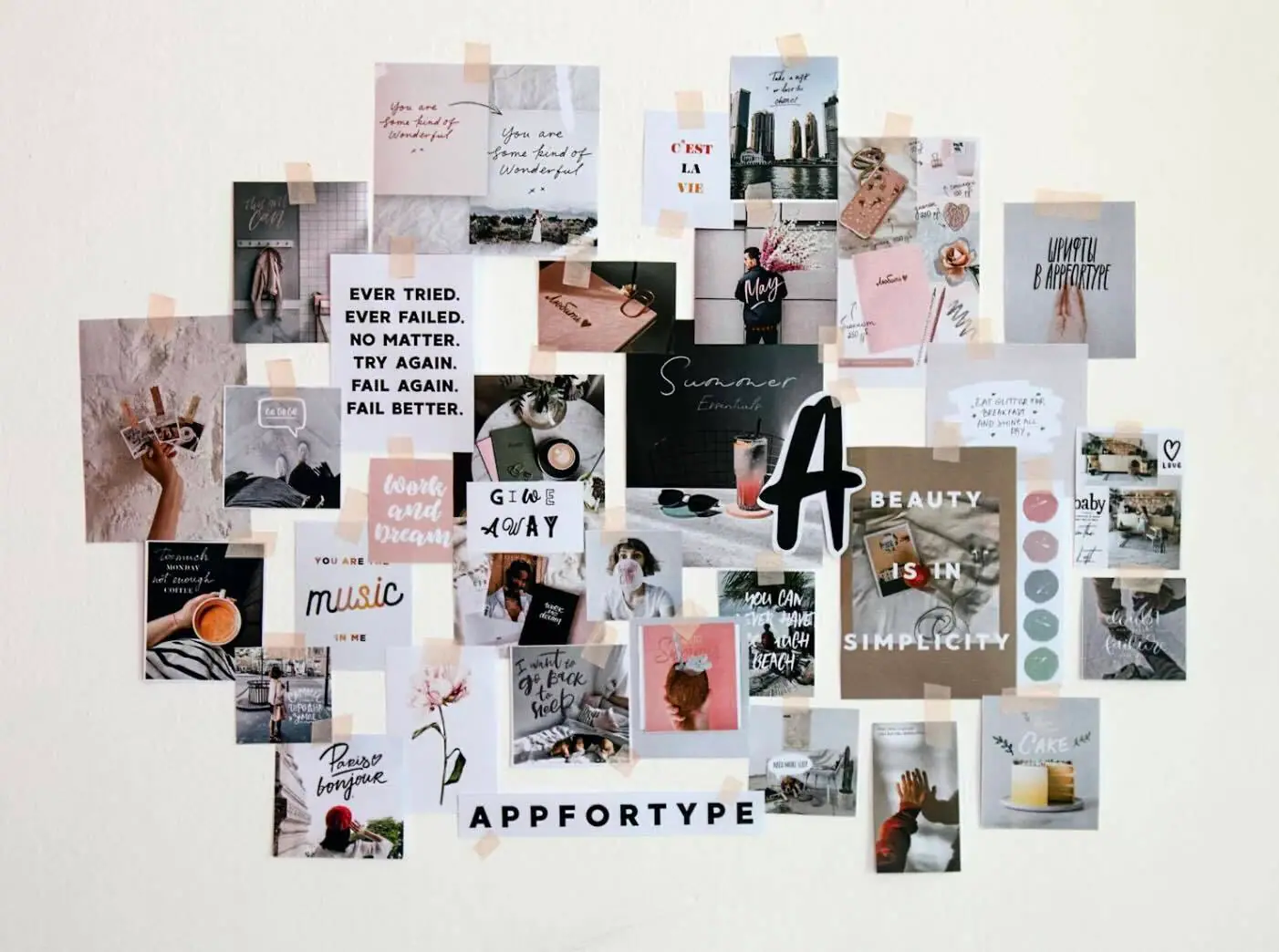
Build inspiration boards so you can think visually before you paint. Boards let you see relationships between images and ideas without forcing conclusions too early. They turn a pile of loose photos into something you can read at a glance, and they make it obvious which images belong together and which were only a passing distraction.
Digital boards are especially useful because they are easy to revise and expand. Pinterest remains a powerful tool for this stage, but use it as a visual sketchbook rather than a final answer. Create boards around moods, palettes, subjects, or questions you are exploring. Save freely, then revisit and refine. Milanote and PureRef work the same way, and even simple folders on your desktop can do the job if you name them well.
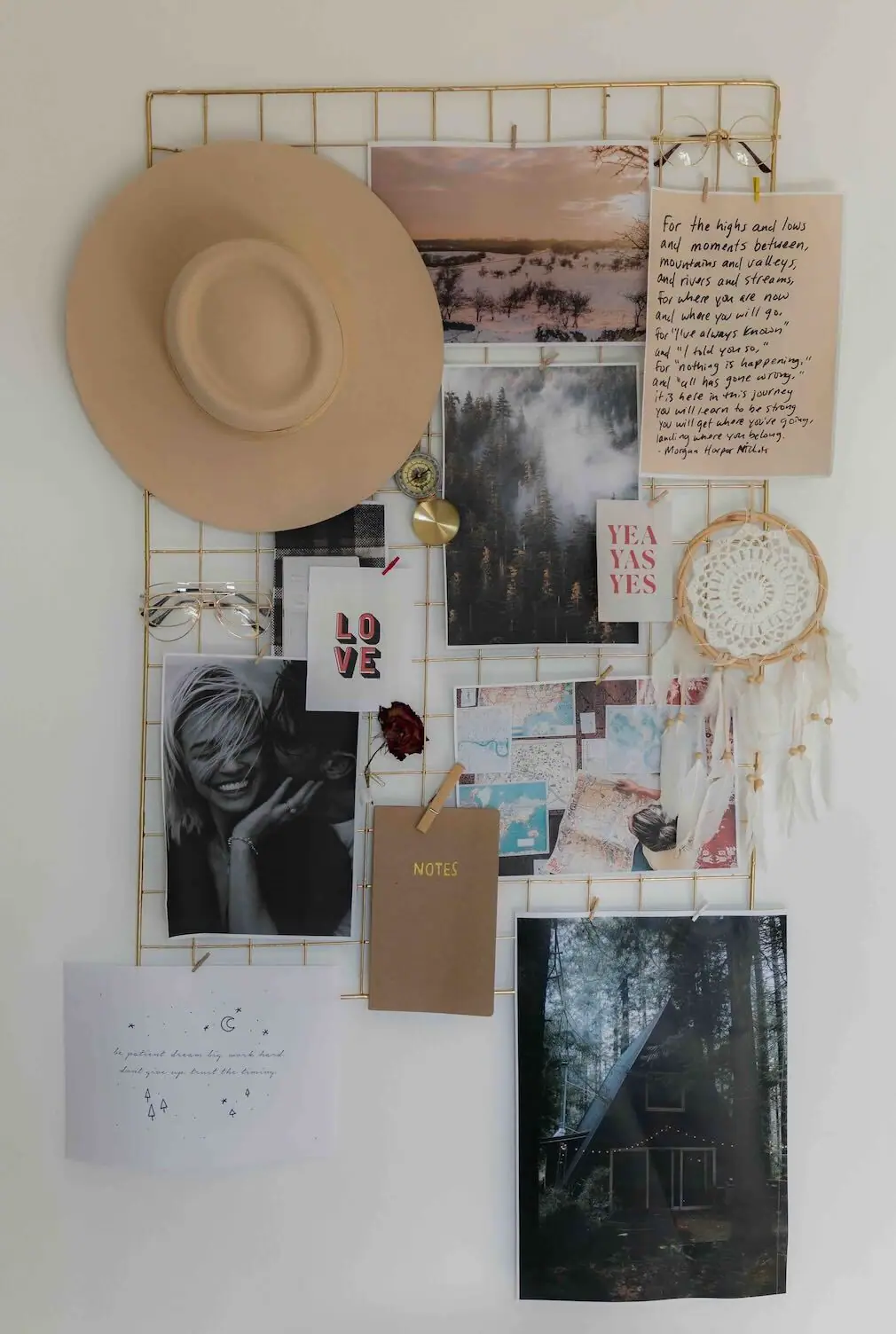
Physical boards can also be valuable, and many artists underrate them. Printing images, pinning sketches, or arranging postcards on a wall slows the process down and makes it tactile. You handle the images, move them around, and live with them. That slower looking often surfaces connections a screen scrolls right past.
Can I use AI as a reference and a thinking partner?
Yes, when you treat AI as a way to think rather than a way to skip thinking. AI tools can expand your source material when used thoughtfully, and they are at their best when the output is a starting point, not a solution. The danger is reaching for a generated image and tracing it. The opportunity is using the tool to push your own ideas further than you would have alone.
Text tools like ChatGPT can help you brainstorm visual directions, generate conceptual prompts, or suggest unexpected combinations of themes. You might ask it to describe a scene, propose symbolic elements, or help you articulate what you are actually trying to express. Image based AI tools can be used to explore variations, lighting scenarios, or compositional ideas. Treat those outputs as raw material. Edit them, distort them, redraw them, and combine them with your own references. The goal is not perfection but stimulation, and the same loosened, playful state that makes AI useful here is the one that breaks you out of an art block when you feel stuck.
What digital tools help me build painting reference sources?
Experiment with tools for building sources the same way you test brushes and surfaces in painting. The specific tool matters far less than your willingness to play with it. A few are worth knowing.
Pixelmator is excellent for quick image manipulation and color exploration. Sketch works well for drawing and layering ideas in a loose way. Adobe Photoshop and Illustrator offer more control for complex collages and studies, and Canva can be surprisingly effective for fast layout experiments and mood boards. You might also explore Procreate for sketching, Blender for basic spatial studies, or photography apps that let you manipulate light and contrast. Pick one, learn it well enough to be dangerous, and move on. The point is to handle your sources actively, not to master software.
How should I actually use a reference once I have it?
Use references to study, not to reproduce. The mistake that flattens a painting is treating the photo as the goal instead of the source. A reference is there to answer a question: where does the light stop, how warm is that shadow, how does this edge soften into the next shape. You look, you understand, then you make a decision on the canvas. That decision is where the painting becomes yours.
This is also why working from your own gathered sources beats grabbing a random photo. When you took the picture, built the board, and lived with the images, you already understand the subject before the brush touches anything. You are not decoding a stranger’s photo. You are translating something you have seen with your own eyes, which is exactly the kind of active looking that trains an artist. Even loose drawing and doodling from your references builds this muscle, so you do not need a finished setup to start practicing it.
How do I keep my reference practice alive over time?
Let the process remain fluid, because your sources are not fixed. As your painting develops, your references can change too. Add new material, discard what no longer serves you, and allow discoveries made in paint to send you back to your boards and sketches. A reference library is a living thing, not an archive you fill once and abandon.
Strong paintings grow from active looking, thoughtful gathering, and fearless experimentation. When you give your sources the same care and curiosity as your painting process, they stop being a crutch and start being a practice. That practice is also one of the quietest cures for feeling stuck, which is why source building lives so close to everything in our creative block and identity collection. If you want a structured, supported way to start painting with intention instead of guessing, our free Two Week Challenge is built for exactly the beginner who is ready to begin.
Frequently asked questions
What are the best reference photos for painting?
The best reference photos are the ones you gather yourself with a clear reason, not the first attractive image you find online. Your own photographs are strongest because you control the light, angle, and crop, and you remember what drew you to the scene. Supplement them with film stills, museum images, and life drawings. Strong reference comes from a personal collection built over time, not a single perfect picture.
Where can I find reference photos for painting?
Start with photos you take yourself, then add screenshots from films, museum image archives, drawings made from life, and fragments from books and magazines. Pinterest, Milanote, and PureRef are useful for collecting and arranging them. Gather widely at first across architecture, gestures, textures, light, and color, and let patterns emerge that reveal what you are truly drawn to.
Is it cheating to use reference photos for painting?
No. Using reference is not cheating, and references are not about copying. They are about seeing. Painters have always worked from studies, sketches, and source material, and reference trains your eye to read light, color, and proportion accurately. The goal is to understand what you are looking at, then make decisions, not to reproduce a photo pixel for pixel.
Can I use AI to generate painting references?
Yes, when you treat the output as a starting point rather than a solution. AI tools can help you brainstorm visual directions, explore lighting scenarios, or suggest unexpected combinations of themes. Edit those outputs, distort them, redraw them, and combine them with your own references. The goal is stimulation, not a finished answer you trace.
How do I organize my painting reference sources?
Build inspiration boards so you can think visually before you paint. Digital boards on Pinterest, Milanote, PureRef, or even simple desktop folders are easy to revise and expand. Group images around moods, palettes, subjects, or questions you are exploring. Physical boards with printed images and pinned sketches slow the process down and make it more tactile. Let the system stay fluid as your painting develops.
What to practice this week
- Spend one week gathering reference widely without judging it: take your own photos, screenshot films, and save museum images of light, texture, and color that pull at you for any reason.
- Build one inspiration board around a single mood or palette, then sit with it before you paint and notice which relationships between images keep drawing your eye.
- Take a reference photo you love and use AI or a quick edit to explore three lighting or composition variations, then redraw the one that surprises you instead of copying the original.
Supplies used
About the author
More from ElliKeep learning