Meet Ninni Juuti: From Zero Painting Experience to Full-Time Artist in 15 Months
Ninni Juuti spent years searching for her purpose. When she finally picked up a paintbrush, something woke up. This is how she became a full-time artist and coach.
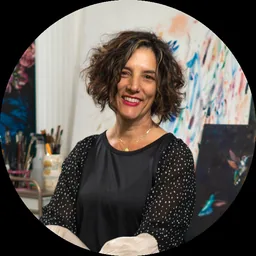
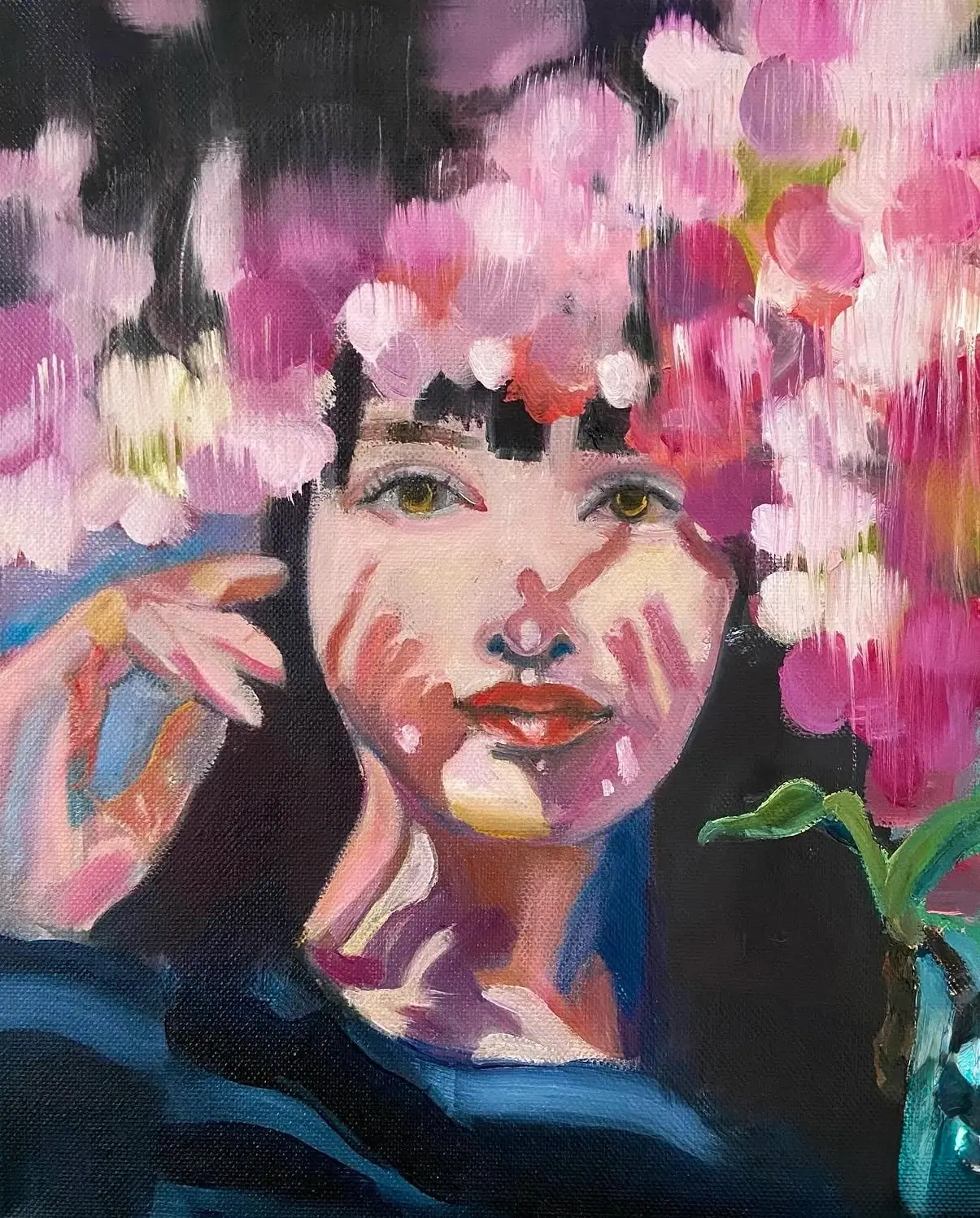

When Ninni Juuti started the Mastery Program, she had no previous experience in painting. Today she is a full-time professional artist and a coach for Milan Art Institute. She graduated last July, after 15 months in the program, and shortly afterward became a coach. Since then she has held two solo exhibitions, taken part in multiple group shows, and she is currently preparing a third solo show this October. Looking back, she says, it still feels surreal how much can change when you finally say yes to the thing that has been calling you all along.
What did Ninni’s life look like before painting?
She loved drawing as a child, long before she ever painted. One of her first conscious memories is drawing with her father. As an only child, art became a world of her own, a place where she could disappear for hours in complete joy and focus.
Her first great passion, though, was ballet. For a long time she believed it would become her career. But around the age of 20, she realized she was not going to become a professional ballerina, and honestly it sent her into an identity crisis. She had spent her whole life pursuing a passion and striving toward a clear goal. Suddenly she felt completely lost.
She explored other creative outlets like theatre and show dancing while continuing her academic studies. She studied French, Pedagogical Studies, and Art History at the University of Helsinki, and later worked at the French Embassy in Finland. After ten years in French public administration, she felt ready for a deeper, more meaningful path and retrained as an Occupational Therapist, working first with psychiatric patients and later with the elderly. But throughout all those years, there was always a quiet inner voice whispering to her: you should be a painter. If you recognize that voice, the question of whether you have already missed your window is one worth answering honestly, and is it too late to become an artist takes it apart.
What was the moment everything changed?
Everything shifted during a work team-building event at a local art school. One of the activities was painting. The moment she sat down with the paintbrush in her hand, something inside her woke up again. It felt exactly like the feeling she used to have while dancing ballet: completely alive, fully connected, deeply present.
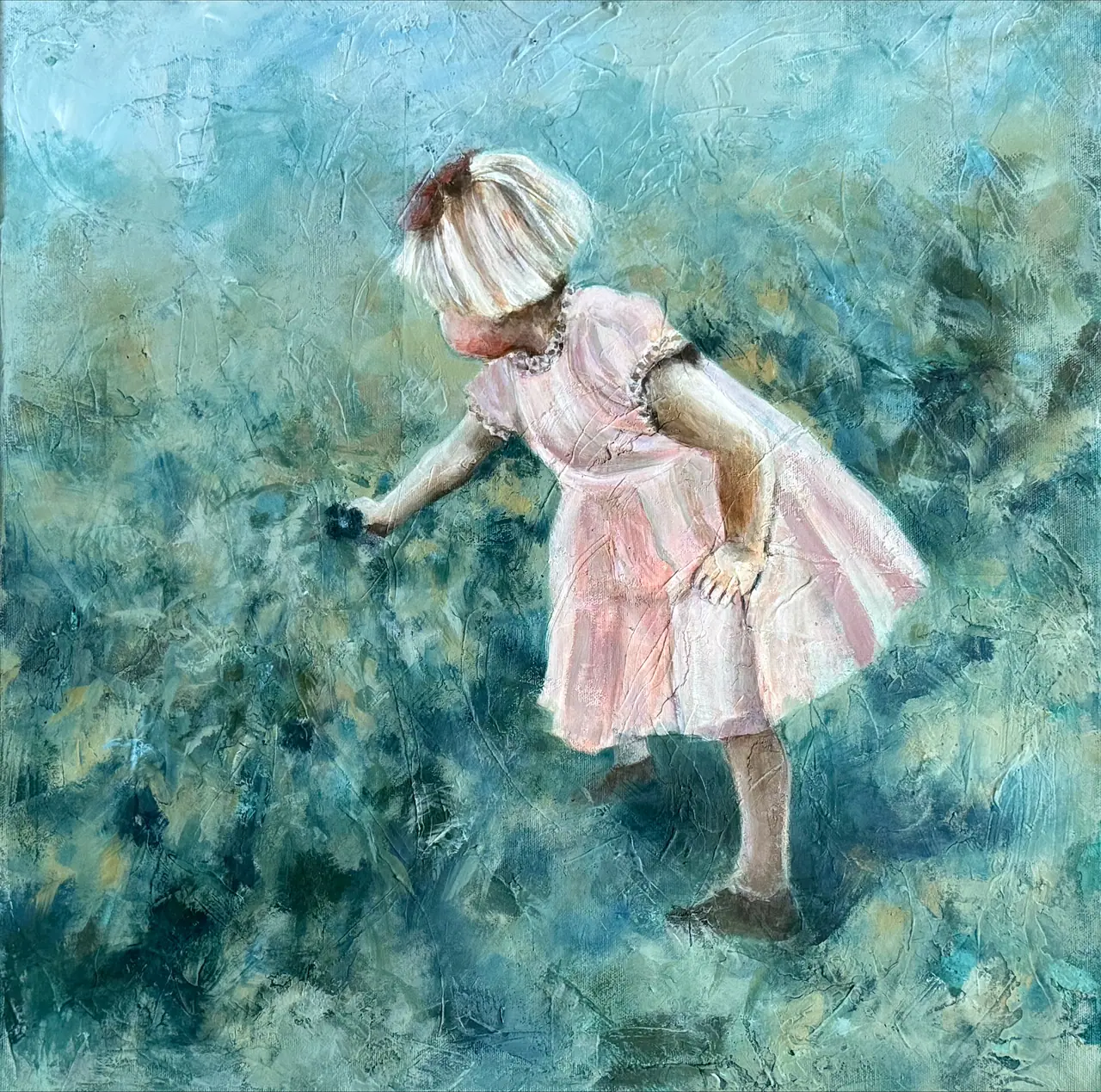
After the class, the headmistress of the art school approached her and encouraged her to pursue painting further. That conversation stayed with her. Soon after, she started researching art schools both locally and online, and that is when she found Milan Art Institute. She enrolled in the Mastery Program and never looked back. For the first time in many years, she felt like she had finally found her purpose and calling. That feeling of waking up to a clear creative pull is one many late starters describe, and it is at the heart of am I an artist.
How did Ninni learn to paint from scratch?
She started with almost no painting experience. She had only experimented with watercolor briefly in school many years earlier. She knew how to draw, but painting felt like learning an entirely new language.
At the same time, she was still working as an Occupational Therapist, first full-time, and later part-time after negotiating reduced hours so she could dedicate more energy to art. She painted every evening after work. Living in Finland meant long, dark winters where daylight disappeared by 3:30 PM, so creating a proper studio setup and good lighting became essential. Many evenings she felt exhausted after work, but the moment she began drawing or painting, she would enter a flow state that gave her energy instead of draining it.
One of the most rewarding parts of the process was watching her skills evolve over time. Because she did not have years of previous painting habits, she found it surprisingly easy to embrace the methods and processes taught inside the Mastery Program. She also took full advantage of the coaching: she attended group coaching calls, actively sought feedback, and immersed herself in practice. She became especially interested in portrait painting and completed multiple Monster Portraits while practicing extensively on her own. Over time her style naturally evolved. Today she works more abstractly, creating botanical and floral abstract series, although she still deeply loves painting the human form and knows she will return to figurative work in the future. From Part 2 onward she also worked closely with a mentor, which became incredibly valuable, because that mentor understood both her artistic goals and her emerging style. That natural drift from portraits toward florals is exactly how an artistic voice forms, a process explored in how to find your art style.
How did Ninni build the life she dreamed about?
As her technical skills grew, she became more capable of expressing what she had been carrying inside her creatively for so many years. From the very beginning, she felt a fire in her belly, a creative energy that had built up through all those years of searching for purpose. That fire pushed her forward even on difficult days.
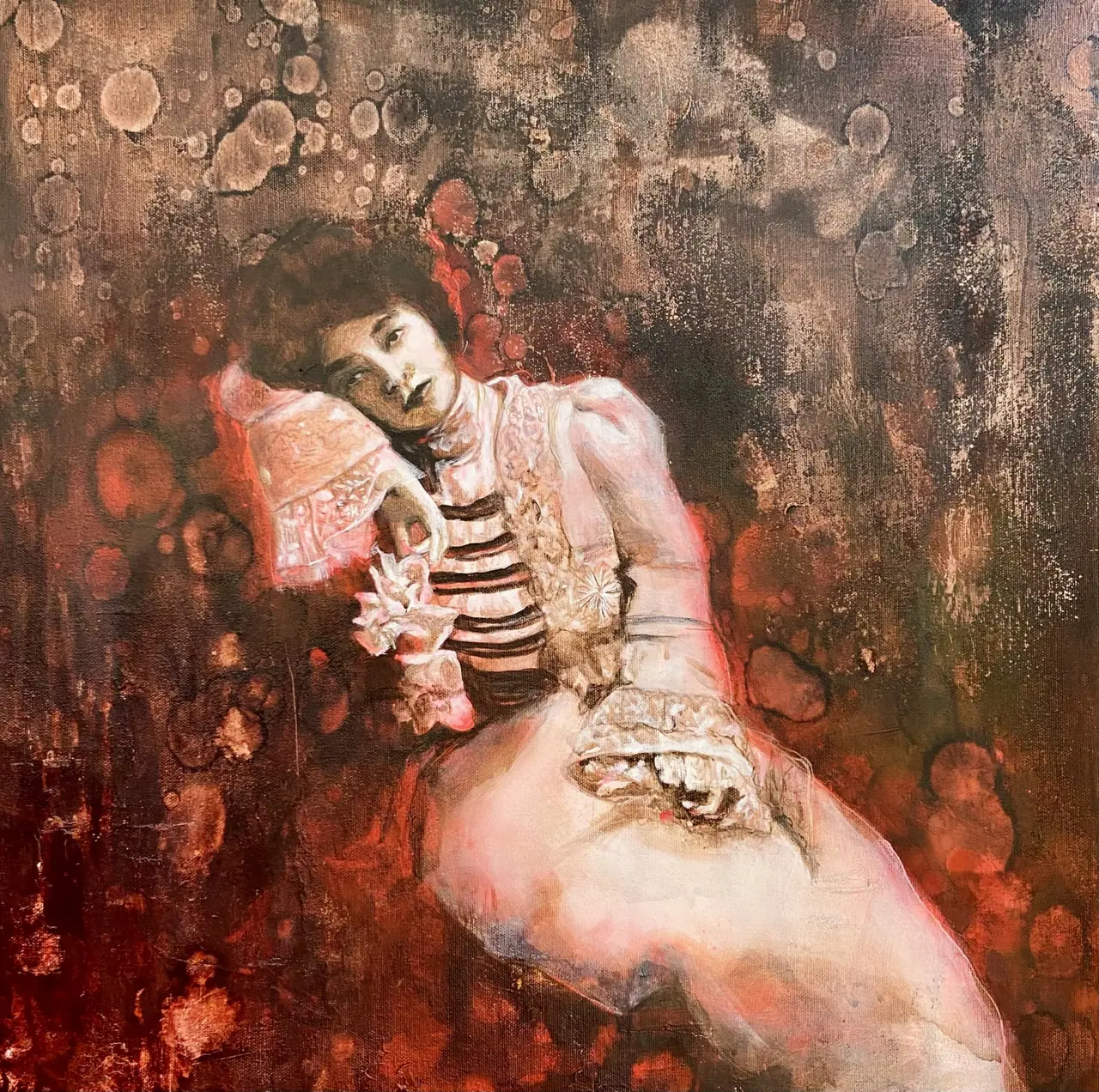
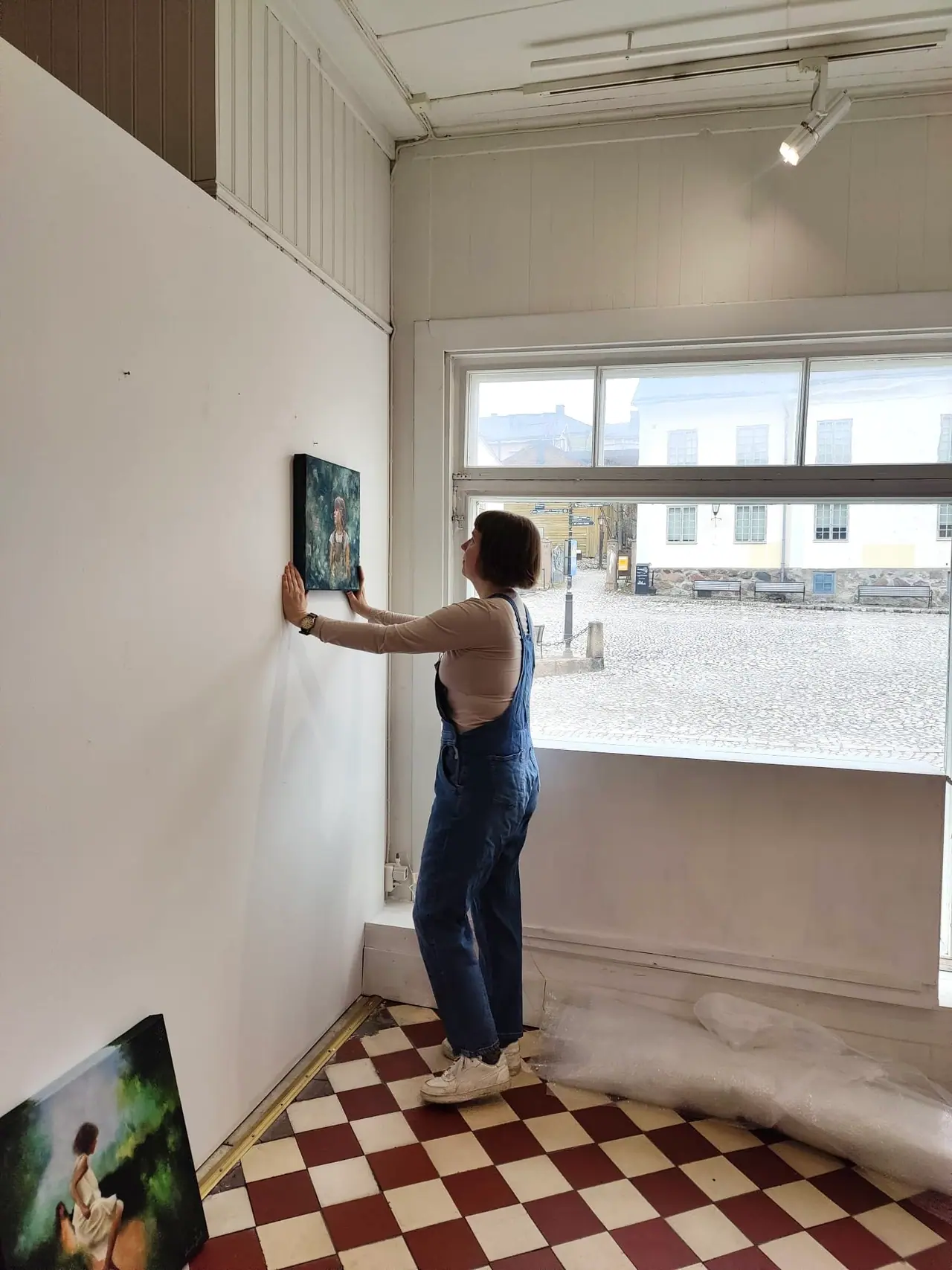
She completed the Mastery Program in 15 months, not because she had set a strict timeline, but because the momentum and passion carried her naturally through the process. Toward the end of the program, she realized how profoundly the coaching and mentoring had impacted her. Since she already had a background in teaching, she started imagining a future where she could both create art professionally and help guide other artists on their journeys. That dream became reality shortly after graduation when she became a coach for Milan Art Institute. Being able to help others move toward their own calling as artists feels like an incredible privilege. At the same time, she focused on building her career as a professional exhibiting artist. She actively participated in group shows, hosted two solo exhibitions, and is currently preparing for her third solo show this October, where she will present new abstract works.
What has Ninni learned along the way?
If there is one thing her journey has taught her, it is this: it is never too late to pivot and follow your dreams. Small changes made consistently over time can completely transform your life. Her path is the kind of late, deliberate pivot covered in becoming an artist later in life.
Being open about your dreams and sharing your work with others can feel terrifying at times, but visibility is necessary for growth and opportunity. The more you allow yourself to be seen, the more doors begin to open. She truly believes that if you feel called to be an artist, there is a reason for it. You have something unique inside you that the world needs to experience. The journey of becoming an artist is lifelong. Your skills continue to grow, your voice continues to evolve, and patience and perseverance are essential, but it is one of the most rewarding journeys imaginable. We are all created to create, but not everyone answers the call. If you feel that call, trust it. Let yourself be seen.
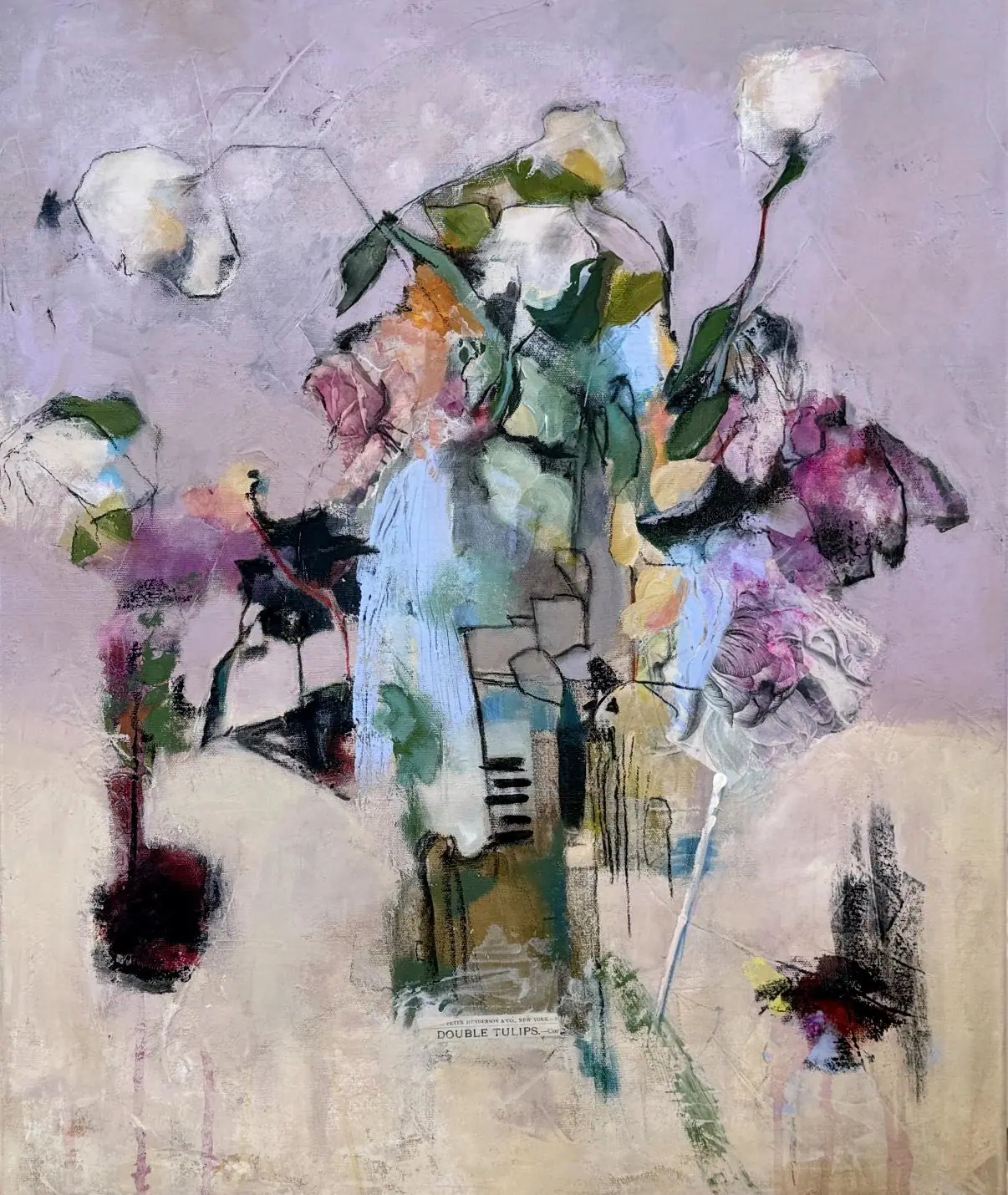
You can explore Ninni’s work on her website at ninnijuuti.com, on Instagram as @ninnijuutiart, and on Facebook as Ninni Juuti Art.
The Mastery Program helped Ninni transform her life, discover her purpose, and build a professional career as an artist. If you have been dreaming about taking your art seriously, that same path is open to you, and you can begin it through the Mastery Program. For more stories and honest guidance about starting now, the rest of our creative block and identity collection is here whenever you want to keep going.
Frequently asked questions
Who is Ninni Juuti?
Ninni Juuti is a Finnish artist and a coach for Milan Art Institute. She began the Mastery Program with no previous painting experience and is now a full-time professional artist who has held two solo exhibitions and shown in multiple group shows. Before art, she studied French, Pedagogical Studies, and Art History, and worked in French public administration and as an Occupational Therapist.
How long did it take Ninni Juuti to become a full-time artist?
It took her 15 months to complete the Mastery Program, and she became a coach for Milan Art Institute shortly after graduating. She did not set a strict timeline. The momentum and passion carried her through the program naturally while she painted every evening after work.
Did Ninni Juuti have any painting experience before the Mastery Program?
No. She had only experimented briefly with watercolor in school many years earlier, so she started with almost no painting experience. She knew how to draw, but she describes painting as learning an entirely new language. Because she had no old painting habits, she found it easy to embrace the methods taught in the program.
What does Ninni Juuti paint now?
Her style has evolved toward more abstract work, including botanical and floral abstract series. She still deeply loves painting the human form and expects to return to figurative work in the future. She became especially interested in portrait painting and completed multiple Monster Portraits.
What is the biggest lesson from Ninni Juuti's story?
That it is never too late to pivot and follow your dreams. Small changes made consistently over time can completely transform your life. She also learned that visibility matters: the more you allow yourself to be seen, the more doors begin to open.
What to practice this week
- Paint in short, regular sessions the way Ninni did every evening, instead of waiting for a free full day that rarely comes.
- Set up a dedicated studio spot with good lighting so starting takes seconds, especially if your daylight is short.
- Seek feedback actively: join group coaching, ask questions, and work with a mentor who understands your goals.
Supplies used

About the author
More from Elli