Shape in Art: The Element That Holds Every Strong Composition Together
Once a line encloses space, a shape is born. Shape is the quiet skeleton under every painting you admire, and learning to see in shapes is what separates strong work from busy work.

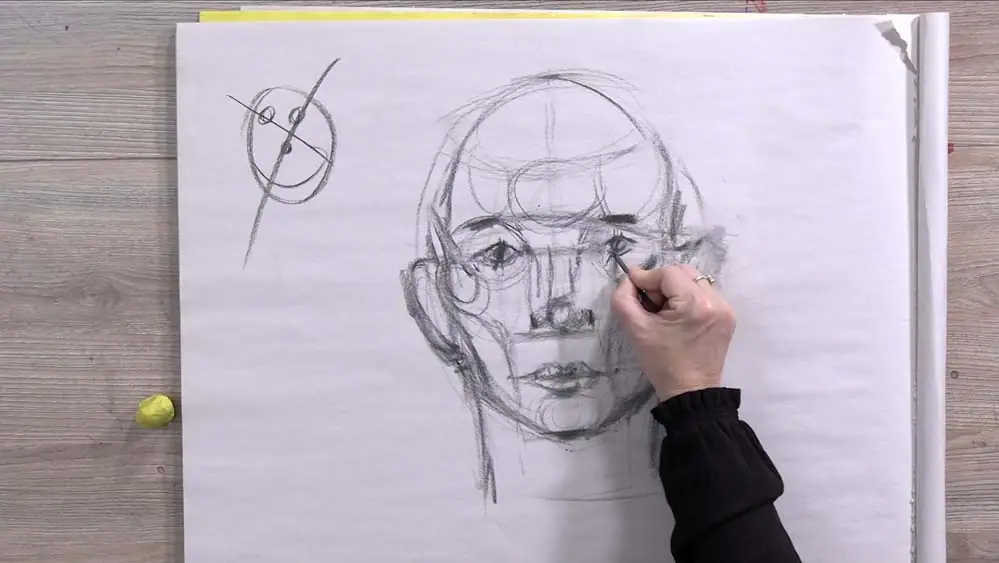
Shape in art is a two-dimensional area enclosed by a boundary such as a line, a color edge, or a change in value. The moment a line stops traveling and closes in on itself, it encloses space, and a shape is born. That single idea is the foundation of composition, because shape is how artists organize complex visual information into a clear, readable design. Here is the thing most beginners miss: strong artwork is rarely about detail. It is about strong shapes working together.
When you look at a painting that stops you in your tracks, you are not responding to the eyelashes or the blades of grass. You are responding to the big arrangement of masses, the way the large shapes balance and lead your eye. Detail is the last thing that happens, and it only works when it sits on top of correct shapes. Learn to see the world not as objects but as interlocking shapes, and your work changes faster than almost any other skill you could practice.
What is shape in art?
Shape is a flat, two-dimensional area defined by boundaries, and those boundaries can be lines, color changes, or value changes. You do not need an outline for a shape to exist. A patch of shadow against a lit wall is a shape. A dark tree against a pale sky is a shape. Anywhere one area ends and another begins, you have an edge, and that edge defines a shape.
Artists sort shapes into two families. Geometric shapes are regular and measurable: circles, squares, triangles, rectangles. They feel structured, stable, and deliberate. Organic shapes are irregular and natural: a river, a cloud, a leaf, the curve of a shoulder. They feel alive and unplanned. Most paintings lean on both at once, using geometry for structure and organic forms for movement and life. The skill is learning to see both kinds in your subject instead of seeing a list of nameable objects.
What is the difference between positive and negative shapes?
Positive shapes are the subject, and negative shapes are the spaces around and between the subject. Both are real, designable parts of your composition, and professionals shape both on purpose. The negative space is not leftover emptiness. It is an active shape with its own size, edge, and personality, and a well-designed negative shape strengthens the entire composition.
This is why a simple trick works so well: paint the gaps. Instead of focusing on the mug or the chair or the figure, design the shapes around them. When the negative shapes are interesting and varied, the positive shapes click into place and the whole image feels intentional. When the negative shapes are ignored, even a carefully rendered subject can feel stiff and pasted on. Strong negative shapes are one of the quiet markers of a trained eye.
Why does shape matter more than detail?
Because the eye reads large shapes before it reads small details, your painting is judged at the shape level first. A composition either holds together as an arrangement of masses or it does not, and no amount of fine detail will rescue shapes that are wrong. This is the trap beginners fall into. They chase texture, edges, and tiny detail far too early, polishing pieces of a design that was never sound underneath.
Experienced artists work the other way around. They simplify a complex scene into a few large, readable shapes, get those right, and only then refine. Squint at any subject until the details blur away and the major masses remain, and you are seeing the way a professional sees. This is the same logic behind working from dark to light and behind the broader craft of composition: establish the big structure first, and let detail be the reward at the end, not the foundation.
Even a portrait, which feels like the most detail-hungry subject of all, starts as a few proportional shapes. Block in the large masses of the head, the planes of light and shadow, and the placement of features as simple shapes, and the likeness is mostly decided before a single eyelash exists.
How do you learn to see in shapes?
You retrain your eye by deliberately reducing what you see, and the fastest way to do that is to squint. Squinting throws away small information and leaves only the major masses of light and dark, which is exactly the level your composition lives at. Practice looking at your subject this way until seeing in shapes becomes automatic rather than effortful.
The core exercise is simple and worth doing often: take a complex reference image and reduce it to three to five dominant shapes using only flat values. No color, no texture, no detail, just the big masses. It feels almost too basic, and that is the point. This single habit teaches you more about design than weeks of careful outlining, because it forces you to commit to a structure before you can hide behind detail. Once you can do it on demand, you start to notice shape everywhere, and your finished work gets clearer and more confident.
How does shape connect to the other elements of art?
Shape is one of the seven elements of art, and it sits right next to line as a foundation the others build on. Line encloses space to create shape, value gives shape its weight and readability, and color fills shape with mood and temperature. They are not separate skills you learn one at a time so much as one connected language. When you can critique art using the elements, you start to see how a strong shape design is what lets value and color do their work.
If you want the full picture of how these pieces fit together, the seven elements of art guide walks through each one and how painters use them intentionally to build depth, contrast, and interest. Shape is where I would start, because once you see the world as interlocking shapes, every other element has something solid to stand on.
Quick answer
Shape in art is a two-dimensional area enclosed by boundaries such as line, color, or value changes. Shapes are either geometric (circles, squares, triangles) or organic (irregular natural forms). Strong artwork is rarely about detail. It is about large, readable shapes, including the negative spaces between them, working together as one clear, intentional design.
Mastering shape is not just a beginner exercise. It is how working artists keep refining their voice, because every strong painting begins as a confident arrangement of masses long before any detail arrives. Start noticing shapes in your own work this week, and you will start painting with more clarity and more confidence.
The fastest way to put this into practice with real structure and feedback is our free Two Week Challenge, a guided way to make real paintings instead of only reading about them. When you want to keep going, the rest of the oil painting techniques collection is here.
Frequently asked questions
What is shape in art?
Shape in art is a two-dimensional area enclosed by a boundary, such as a line, a color edge, or a change in value. The moment a line closes in on itself and encloses space, a shape is born. Shapes are the building blocks artists use to organize complex visual information into a clear, readable design before any detail is added.
What is the difference between geometric and organic shapes?
Geometric shapes are regular and measurable, like circles, squares, and triangles, and they feel structured and man-made. Organic shapes are irregular, flowing, and natural, like a leaf, a cloud, or a human figure. Most paintings use both: geometric shapes for structure and stability, organic shapes for life and movement.
What are positive and negative shapes?
Positive shapes are the subject itself, the objects you are painting. Negative shapes are the spaces around and between those objects. Skilled artists design both on purpose, because strong negative shapes hold a composition together just as much as the subject does. When the spaces between things are interesting, the whole image reads better.
Why does shape matter more than detail?
Because the eye reads large shapes before it reads small details, so a painting succeeds or fails at the shape level first. Beginners often chase texture and tiny detail too early, while experienced artists simplify a complex scene into a few large, accurate shapes and refine only at the end. Get the shapes right and detail becomes the easy part.
How do I learn to see in shapes?
Squint at your subject until the small details blur and only the major masses remain, then notice the flat shapes of light and dark. Reduce any reference into three to five dominant shapes using flat values, ignoring color and texture entirely. Doing this regularly retrains your eye to see design first, which is exactly how professionals work.
What to practice this week
- Reduce a complex reference photo into three to five dominant shapes using only flat values. No detail, no color, just the big masses of light and dark.
- Paint the negative shapes of a simple still life instead of the object itself. Fill in everything around the subject and let the subject appear in the gaps.
- Squint at your current painting until the details vanish. If the large shapes do not read clearly when blurred, fix those before adding any more detail.
Supplies used
About the author
More from Elli