Discover the Painting Process That Fits Your Artistic Temperament
Some painters thrive on planning. Others come alive in spontaneity. When your process matches your temperament, painting stops feeling like a fight and starts feeling like flow.
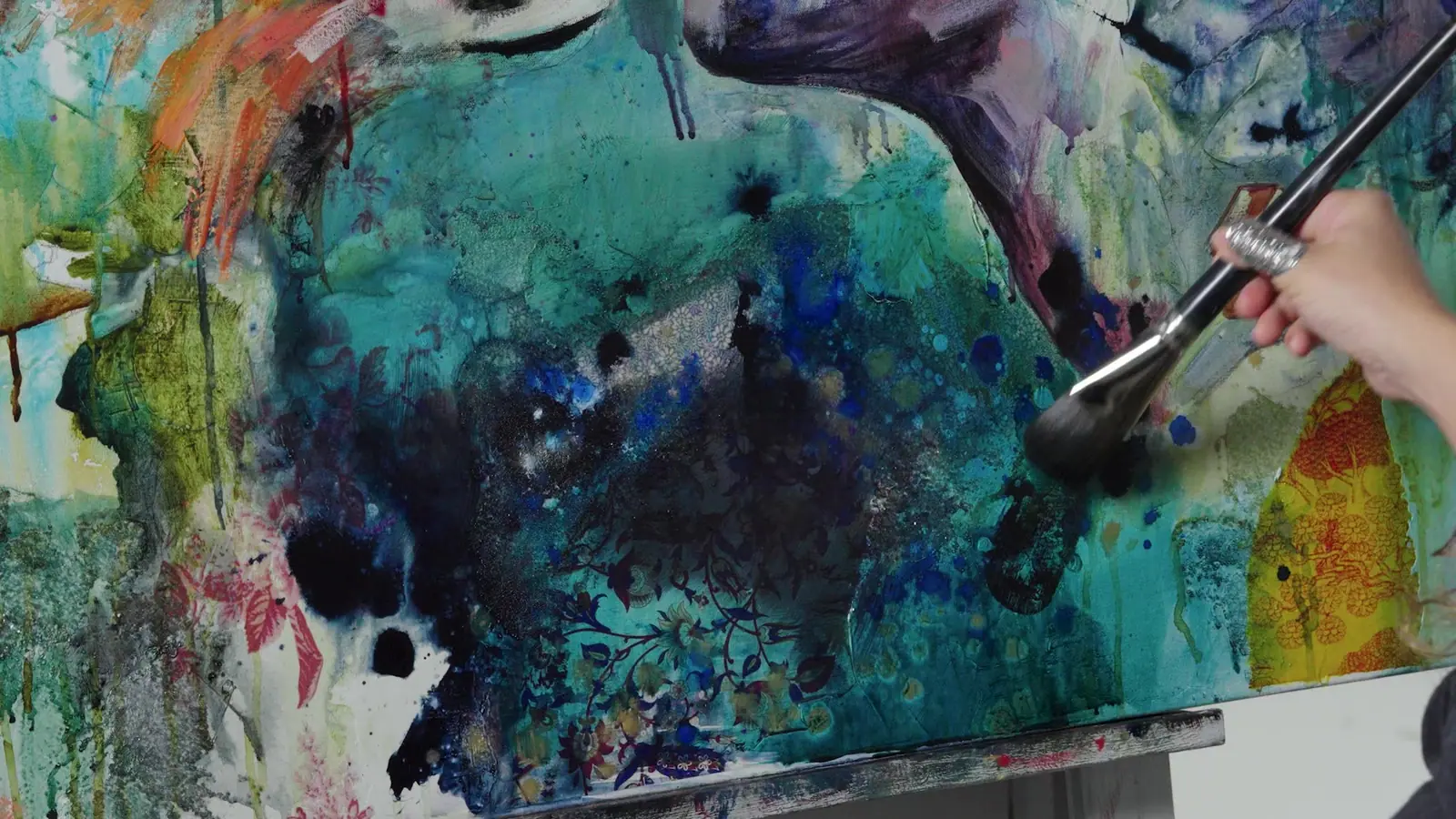
To find the painting process that fits your temperament, start by noticing what actually energizes you at the canvas. Some painters thrive on careful planning and layered structure. Others come alive in moments of spontaneity, intuition, and movement. When your painting process aligns with your temperament, the creative experience becomes more fluid, enjoyable, and sustainable. Discovering how you work best is just as important as learning what to paint.
Here is the thing most painters never get told: your temperament shapes how you approach the canvas, how you make decisions, and how you stay engaged. Understanding it can turn frustration into flow. The three patterns below are not boxes to file yourself into forever. They are a way to recognize your natural rhythm so you can build a process that supports it instead of fighting it.
What is a reflective painter?
A reflective painter feels most at home with preparation. They enjoy sketching compositions, studying references, and developing a clear vision before paint ever touches the surface. For this temperament, process brings confidence. Planning stages such as source creation, sketching, color studies, and value maps create a sense of direction, and each layer becomes a step toward a known destination.
If this describes you, honor that instinct rather than apologizing for it. Structure is not a limitation. It is a powerful tool that lets your creativity unfold with clarity and intention. A reflective painter who skips the planning often feels lost halfway through a piece, not because they lack talent, but because they removed the scaffolding their mind relies on. If you want to lean into building a painting in deliberate, considered stages, the essential oil painting techniques guide breaks down the layering methods that reward planning.
What is an intuitive painter?
An intuitive painter thrives when they begin without a strict plan. They respond to color, movement, and emotion in the moment, and their work often evolves organically, with discoveries appearing as the painting develops. For this temperament, the process is about exploration. Loose marks, unexpected color combinations, and evolving forms become part of the journey. Instead of controlling every step, these artists allow the painting to reveal itself.
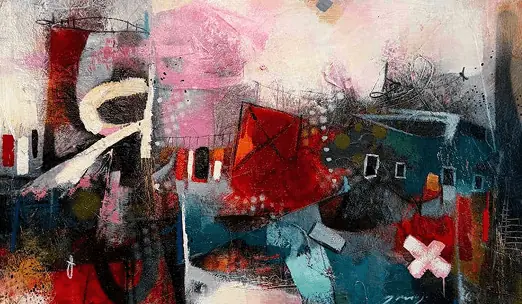
If this feels natural to you, embrace the unknown. Trust your instincts and leave space for surprises. The intuitive painter forced to map everything in advance tends to go stiff, because the planning kills the very responsiveness that makes their work come alive. Many of the looser, layered approaches in our abstract painting techniques collection are built for exactly this temperament, where you build a painting by reacting to what is already on the canvas.
What is the balanced approach?
Many artists find themselves somewhere between the two temperaments, beginning with a loose concept but leaving room for intuition as the painting progresses. This balanced approach can be incredibly dynamic. A simple structure provides stability, while spontaneity keeps the work alive. Planning and play coexist, creating both direction and freedom at once.
If you recognize yourself here, you have a real advantage: you can lean toward structure when a piece needs control, and toward looseness when it needs life. The skill is learning to read which mode a given painting is asking for. A portrait or a complex composition may want more planning up front, while an experimental piece wants you to stay loose and follow the paint.
How do you work with your nature instead of against it?
Start by understanding your natural tendencies rather than forcing yourself into someone else’s process. Creative growth does not come from copying how another artist works. It comes from recognizing how you work best and then building around it. Ask yourself three honest questions.
- Do I feel energized by planning or by experimentation? Your answer points straight at whether you lean reflective or intuitive.
- Do I prefer clarity before I begin, or discovery along the way? This reveals how much structure your mind actually wants before it can relax into the work.
- When do I feel most engaged while painting? Notice the moments you lose track of time. That is your temperament showing you where it thrives.
When your process aligns with your temperament, resistance fades. Painting becomes less about pushing through frustration and more about entering a state of curiosity and flow. If you are still searching for the deeper sense of who you are as a painter, how to find your art style pairs naturally with this, because temperament and style grow from the same root.
How do you expand your range without losing yourself?
Understanding your temperament does not mean staying in a single mode forever. Growth often happens when you gently explore outside your comfort zone. A structured painter might occasionally begin with looser marks. An intuitive painter might experiment with a simple compositional sketch. These small shifts expand your range while still respecting your natural tendencies.
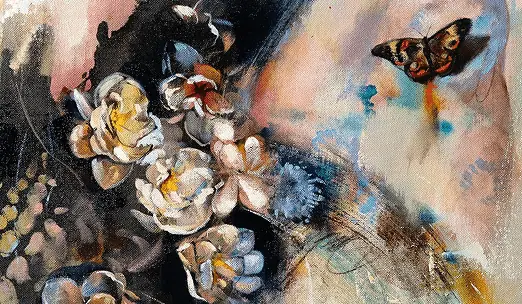
The goal is not to replace your temperament but to deepen your relationship with it. Think of it as widening the road you are already on, not abandoning it for someone else’s. One way to stretch is to try a different medium with the same instincts: a planner exploring the freedom of mixed media, or an intuitive painter working through a structured set of painting techniques to add new tools to their hands.
The personal path of the artist
There is no single correct way to paint. The most fulfilling artistic practice is one that supports both your creative vision and your personality. When you honor your temperament, your process becomes personal, your work becomes more authentic, and painting becomes a place where your unique voice can fully emerge.
So explore not only techniques and materials, but the inner rhythms that shape your creative life. When you understand how you work best, the path forward becomes clearer, more joyful, and deeply your own. The fastest way to find out which temperament you are is simply to paint, repeatedly, and watch yourself. Our free Two Week Challenge gives you a guided way to make your first paintings and notice your natural rhythm in real time. When you want to keep going, the rest of the oil painting techniques collection is here.
Frequently asked questions
How do I find the painting process that fits my temperament?
Pay attention to what energizes you at the canvas. If planning, sketching, and color studies give you confidence, you lean reflective. If you come alive responding to color and movement in the moment, you lean intuitive. Many painters sit in between. Notice when you feel most engaged while painting, and build your process around that rather than copying someone else's.
What is a reflective painter?
A reflective painter feels most at home with preparation. They enjoy sketching compositions, studying references, and developing a clear vision before paint touches the surface. For them, planning stages like source creation, sketching, color studies, and value maps create direction and confidence. Structure is not a limitation for this temperament, it is the tool that lets their creativity unfold with clarity.
What is an intuitive painter?
An intuitive painter thrives without a strict plan. They respond to color, movement, and emotion in the moment, and their work evolves organically as discoveries appear. Loose marks, unexpected color combinations, and shifting forms are part of the journey. Instead of controlling every step, the intuitive painter lets the painting reveal itself and trusts instinct over a fixed roadmap.
Is it better to plan a painting or paint intuitively?
Neither is better, they suit different temperaments, and many artists blend both. A balanced approach starts with a loose concept and leaves room for intuition as the work progresses. Simple structure provides stability while spontaneity keeps the painting alive. The best process is the one that supports both your creative vision and your personality, not the one a rulebook prescribes.
Can I change my painting temperament over time?
You can stretch it without abandoning it. A structured painter might occasionally begin with looser marks, and an intuitive painter might try a simple compositional sketch. These small shifts expand your range while respecting your natural tendencies. The goal is not to replace your temperament but to deepen your relationship with it, growing gently outside your comfort zone.
What to practice this week
- Answer three questions honestly: do you feel energized by planning or by experimentation, do you prefer clarity before you begin or discovery along the way, and when do you feel most engaged while painting.
- Run one painting fully inside your natural temperament: if you plan, build a value map and color study first, if you are intuitive, start with loose marks and no fixed plan.
- On your next piece, stretch gently: a planner begins with looser marks, an intuitive painter sketches a simple composition first, then notice what it added.
Supplies used

About the author
More from Elli