Why Some Portraits Sell and Others Don't: 7 Shifts That Make Buyers Connect
Strong technical skill is not what sells a portrait. Emotion, storytelling, and how the work makes someone feel are. Here are seven shifts that move a likeness toward a painting people want to own.

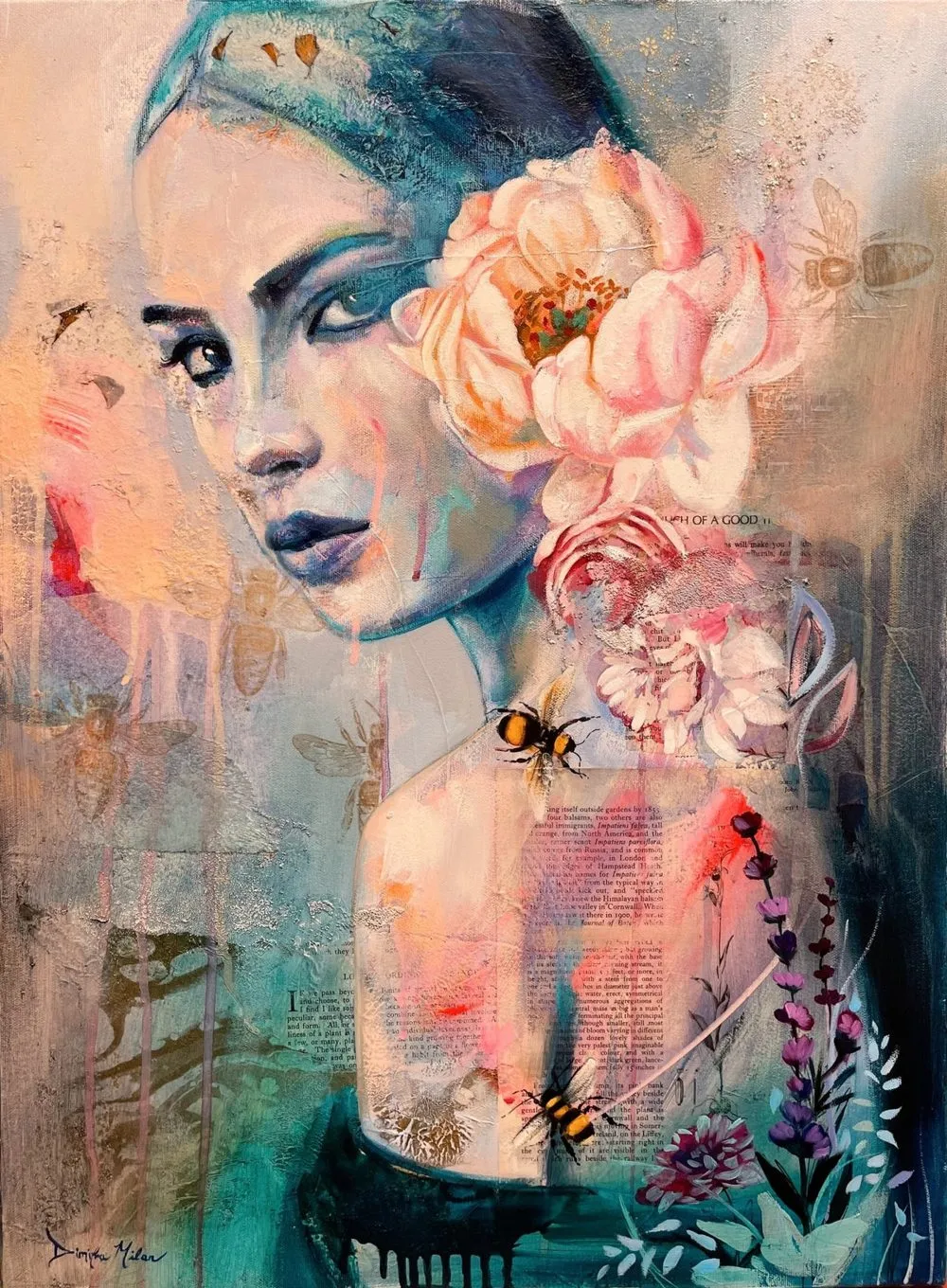
Some portraits sell and others do not for one honest reason: selling a portrait is not really about skill. You can have strong technical ability, spend hours perfecting every detail, and still struggle to connect with collectors. The portraits that sell carry emotion, storytelling, and a sense of how they make people feel. The ones that stall are usually accurate and admired, but they do not invite anyone in. Here are seven shifts that move your portraits from technically correct to genuinely wanted.
This matters because likeness is the part most artists obsess over and the part buyers care about least once it is good enough. A collector does not bring a portrait home because the proportions are perfect. They bring it home because it stirs something. If your work is not selling the way your skill suggests it should, the gap is almost never your hands. It is what the painting is asking the viewer to feel. If selling in general is the deeper struggle, start with why isn’t my art selling, then come back here for the portrait specifics.
What is the difference between portraiture and portrait art?
Portraiture captures a realistic likeness, while portrait art uses the face to tell a story. That distinction is one of the biggest breakthroughs an artist can have, because the two are not the same pursuit.
Portraiture is about accuracy. It is often commission based and focused on a pleasing, faithful representation of a specific person. The brief is essentially: make it look like them. There is real craft and a real market in that, and it pays.
Portrait art goes deeper. It is about expression, symbolism, and storytelling. Instead of painting a person, you are painting an idea, a feeling, or a narrative that happens to wear a face. If your goal is work that sells beyond individual commissions, shifting toward portrait art opens far more possibilities, because you are no longer limited to people who want their own likeness on canvas. You can use symbolism in art to load a single portrait with meaning a wider audience responds to.
How does emotional tone affect whether a portrait sells?
Emotion decides whether a viewer is drawn toward your work or pushed away from it. It is doing more selling than your technique is.
Portraits that feel heavy, dark, or unsettling can be powerful, and there is an audience for them. But they are often harder to sell, because many collectors are looking for work that brings beauty, hope, or a sense of connection into the room they live in. That does not mean your portraits have to be cheerful. A quiet, solemn, even melancholy mood can be deeply appealing. What matters is the direction the emotion points. The question to ask of any portrait is simple: does this feeling invite the viewer in, or does it repel them? Inviting emotion sells. Repelling emotion, however skilled, usually stays on your wall.
Why does expressive brushwork help a portrait sell?
Visible, confident brushwork brings a portrait to life in a way that hyper smooth blending cannot. It is tempting to smooth everything out and chase flawless surfaces, but overly blended portraits often read as lifeless.
Expressive brushwork does the opposite. It carries energy and movement, and it shows the artist’s hand, intention, and confidence right there on the surface. Collectors are frequently drawn to paintings where they can see and feel the process, because those visible strokes create a sense of authenticity that a perfectly licked finish simply cannot match. The painting feels made by a human, not generated. If your portraits have gone flat from over blending, loosening your hand is often the single fastest fix. The mechanics of building a portrait stroke by stroke are walked through in acrylic portrait painting.
Why does being too literal hurt a portrait?
When a portrait is too specific, it narrows how many people can connect with it. If you paint one particular individual with no room for interpretation, most viewers struggle to see themselves anywhere in the work.
The shift is to aim for something more symbolic and evocative. Think in terms of archetypes and emotions rather than exact identities: the dreamer, the mother, the one who is leaving, the one who is grieving. When a viewer can project their own story into the painting, it becomes far more powerful and far more desirable, because it is partly about them now. This is why archetypes in art keep reappearing across centuries of painting. They are the shapes that let strangers feel seen. A literal likeness belongs to one person. An archetype belongs to anyone who stands in front of it.
How do you use color to make a portrait sell?
Color is one of the most impactful elements in a portrait, and it is doing emotional work whether you plan it or not. Muddy or dull palettes make a painting feel flat and unfinished, while rich, harmonious color draws people in immediately, often before they have consciously read the face at all.
Beyond pure aesthetics, color carries emotion and meaning. Unexpected skin tones, deliberate warm and cool contrasts, or a restrained palette built around one bold accent can completely change the message of a portrait. The same expression reads as tender in one palette and ominous in another. When you start treating color as a language rather than a labeling job, your portraits gain depth and presence. Two places to build that fluency: mixing believable flesh first with how to mix realistic skin tones, then understanding the relationships behind your choices with color theory for artists.
Why does relatability matter so much in a portrait?
People are drawn to images they can relate to, so relatability is what turns a portrait into something personal for the viewer. Ask one simple but powerful question of every piece: would someone want to be this person, or feel connected to this person?
When your subject becomes an archetype rather than a narrowly specific individual, you open the door for a far wider audience to engage with the work. The viewer is no longer looking at a stranger. They are looking at a feeling they recognize, a version of themselves, or someone they love. That recognition is the quiet engine behind most portrait sales. A technically flawless face that no one relates to will hang unsold next to a looser, warmer painting that makes someone stop and feel found.
Should you build skill first or find your voice first?
Build skill first, then develop your voice, because one is the foundation for the other. Technical skill is essential. Understanding proportion, anatomy, color mixing, and brushwork gives you the tools to make strong work at all, and there is no shortcut around that groundwork.
But skill alone is not enough to sell. Once you have a solid foundation, the focus has to shift toward developing your voice, which means moving past the obvious idea and exploring deeper, more subtle ways of expressing meaning. Your artistic voice is what sets your work apart. It is what makes someone stop, feel something, and remember your painting long after they have walked away. Skill gets the painting made. Voice is what gets it bought, and then remembered. If voice feels far off right now, how to develop your own art style gives you a practical path toward it.
Bringing it all together
Great portrait art lives at the intersection of skill, emotion, and storytelling. When you stop simply capturing a likeness and start making work that feels alive, expressive, and meaningful, everything changes, not just how the painting looks, but how people respond to it and whether they want it on their wall.
So look at your portraits with these seven shifts in hand. Move from portraiture toward portrait art. Choose an emotional tone that invites people in. Let your brushwork breathe. Stop being so literal. Use color as meaning. Make the work relatable. Build your skill, then find your voice. That is the difference between a portrait that is admired and one that is bought. If you want a structured way to develop both the craft and the voice behind work that sells, that is exactly what the Mastery Program is built to do, and the rest of the sell and price your art collection is here when you want to keep going.
Frequently asked questions
Why do some portraits sell while others don't?
Portraits sell when they make a viewer feel something, not when they are merely accurate. Strong likeness alone leaves a buyer admiring your skill without wanting to live with the work. The portraits that sell carry emotion, story, and a sense of connection, so collectors imagine the piece on their own wall and respond to it personally.
What is the difference between portraiture and portrait art?
Portraiture captures a realistic likeness and is usually commission based, focused on accuracy and a pleasing representation of a specific person. Portrait art goes deeper into expression, symbolism, and storytelling, so you are painting an idea, a feeling, or a narrative rather than only a face. If you want work that sells beyond commissions, portrait art opens far more possibilities.
Does emotional tone affect whether a portrait sells?
Yes. Heavy, dark, or unsettling portraits can be powerful, but they are often harder to sell because many collectors want beauty, hope, or connection in their space. Your work does not have to be cheerful. Even a quiet, solemn mood sells well when the emotion invites the viewer in rather than pushing them away.
Should portraits look photorealistic to sell well?
Not necessarily. Overly blended, hyper smooth portraits often feel lifeless, and a very literal likeness can leave viewers unable to see themselves in the work. Expressive brushwork and a more archetypal, evocative subject usually connect with more buyers, because they show the artist's hand and let the viewer project their own story into the painting.
How does color affect whether a portrait sells?
Color is one of the most impactful elements in a portrait. Muddy or dull palettes make a painting feel flat, while rich, harmonious color draws people in immediately. Color also carries emotion and meaning, so unexpected skin tones, warm and cool contrasts, or a restrained palette with one bold accent can transform how a portrait reads and how strongly someone responds to it.
What to practice this week
- Take one of your finished portraits and ask the relatability question: would someone want to be this person, or feel connected to them? If not, plan a version that leans archetypal rather than literal.
- Repaint a portrait you blended too smoothly, this time leaving visible, confident brushstrokes so the viewer can see and feel the process.
- Do a color study of the same face twice: once in a muddy neutral palette and once in a rich, harmonious one, and compare how differently each reads.
Supplies used

About the author
More from Elli