Symbolism in Art: How Artists Use Symbols to Create Meaning
A lion for courage. A dove for peace. Symbolism in art lets a single image carry layers of meaning without a word. Here is how symbols work and how to build your own.
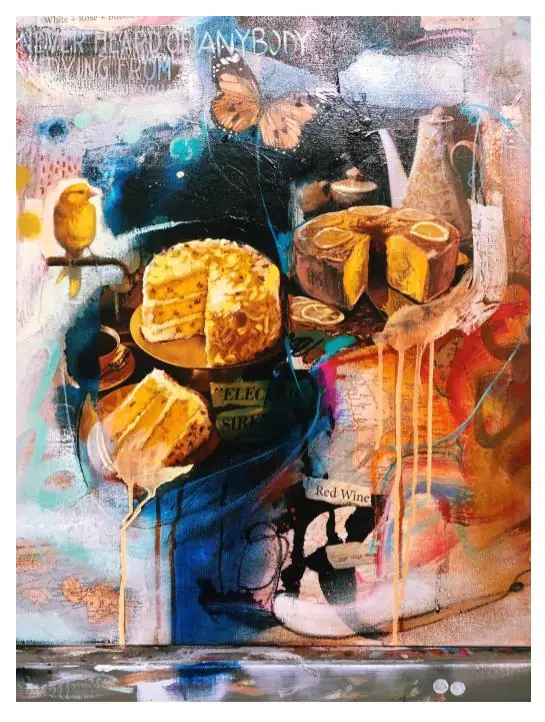
Symbolism in art is the use of an object, color, animal, or character to represent an idea beyond itself. A lion roars with courage. A deep red rose burns with passion. A white dove carries peace. A clever fox cocks its head and watches you with cunning eyes. No one has to say a word. If you have seen a painting with that imagery, you already understood it, and that quiet understanding is exactly what a symbol does.
So what is a symbol, really, and why bother building one into your art? Merriam-Webster calls a symbol “something that stands for or suggests something else by reason of relationship, association, convention, or accidental resemblance.” That is the dictionary version. The artist’s version is simpler: a symbol gives legs, and actually life, to the intangible, so we can finally see it. Let us dig a little deeper into how that works and how you can use it in your own paintings.
What is symbolism in art?
Symbolism in art is when one thing in a painting stands for something else, usually a characteristic or an idea. The symbol gives form to a feeling you cannot otherwise point at, so a viewer can see it on the canvas instead of being told about it in words.
Take the lion again. Picture it standing tall and proud, full mane, head leaning back, mouth open, teeth bared. You can almost hear that roar. You can feel the strength in its legs and its back. It is easy to see how a lion becomes a symbol for courage, strength, leadership, and royalty. Nobody has to point that out to you. It is just there, and it grabs you, so you do not only see the courage, you feel it, and you stand a little taller yourself.
That is the whole mechanism. A symbol is a shortcut from the eye to the heart. The image enters through your vision, but the meaning lands somewhere deeper, and it lands fast.
What are some common symbols in art and what do they mean?
Some symbols recur across centuries because they read instantly, no caption required. They have become a shared visual language, and knowing the common ones gives you a fast way to communicate before you ever invent your own.
A few of the most enduring:
- The lion, for courage, strength, leadership, and royalty.
- The dove, for peace, purity, and the spirit.
- The red rose, for passionate love.
- The fox, for cunning and cleverness.
Color carries meaning the same way an object does. Red reads as passion, love, or danger. White reads as innocence and purity. Gold has long signaled the divine or the precious. Because color is woven through an entire painting rather than sitting in one corner, it is one of the most powerful symbolic tools you have. There is a whole vocabulary here worth learning, and this guide to color symbolism in art walks through what each color tends to mean, both its positive and its negative side.
These shared meanings are a starting point, not a rulebook. You can lean on them so a viewer reads you quickly, or you can bend them on purpose to surprise. Either way, they are most useful once you understand why they work.
Why do artists use symbols in their work?
Artists use symbols because a symbol makes a painting do more than decorate a wall. The difference shows up in the viewer’s reaction. They do not just see a beautiful work of art, they feel it, because the colors, the brush strokes, and the composition all point at one idea, the message you actually wanted to say.
That is what enriches the work. The viewer does not just see fur, sharp teeth, and enormous paws. They see courage. They see the regalness. They see the leader. As the painter Paul Klee put it, “Art does not reproduce what we see, rather, it makes us see.” A symbol is one of the surest ways to make someone see something they could not have seen on their own.
There is a deeper payoff too. When you paint with symbols, you take the viewer somewhere past the literal, into the part of them that responds to meaning rather than to surfaces. You can carry love, joy, peace, loyalty, renewal, all the things that are hard to name and impossible to photograph. You shift how the viewer feels, and a viewer who feels something different walks away changed, even slightly. That is no small thing for a painting to do.
How do you create your own symbols in art?
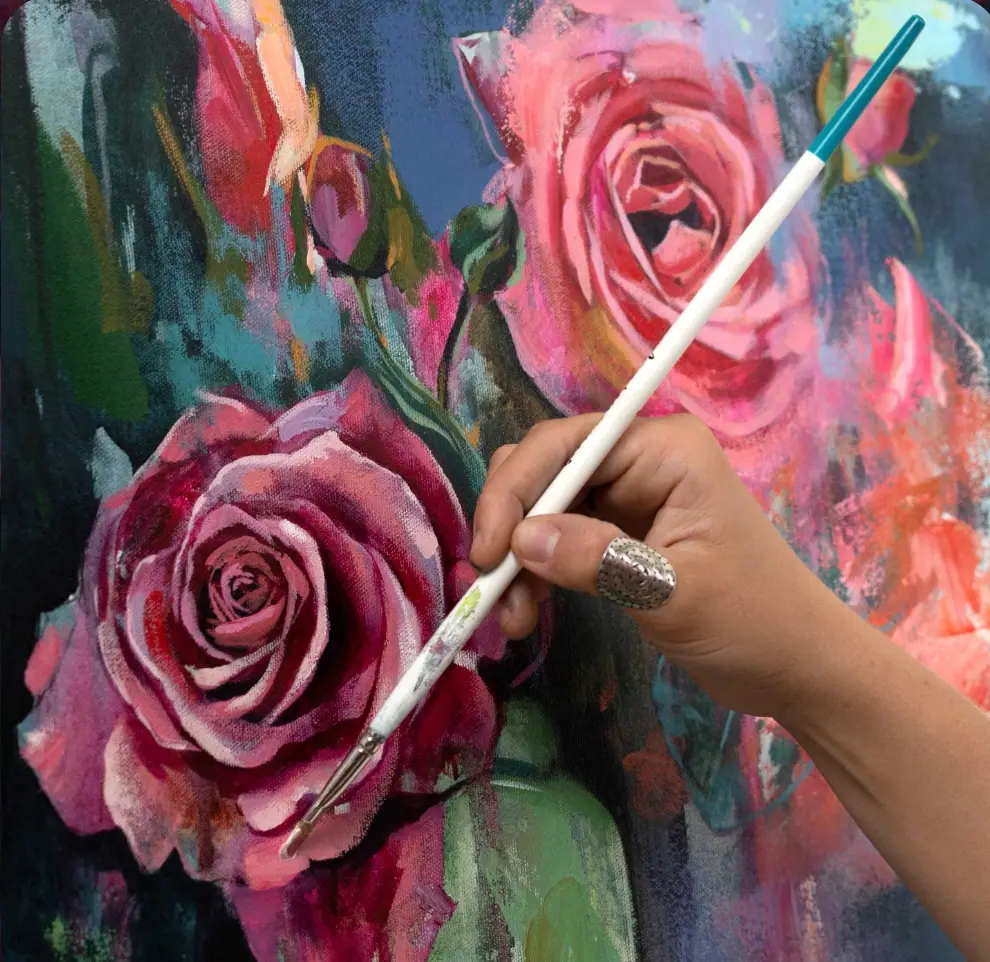
You create your own symbols by understanding how symbols work, then letting every part of the painting carry the meaning together. It is not one symbol plopped onto a blank canvas. It is that idea worked into the colors you choose, the underpainting and markings you make, and the brush strokes throughout, all of them holistic, all of them pointing the same direction.
That is really your job here: you are the storyteller, the visual storyteller. Symbols in the written or spoken word are told. In art, they are shown. So you cannot explain your symbol the way a writer would. You have to build it out of the materials of painting, which means the meaning has to live in the choices, not in a label.
A simple way to begin:
- Name the feeling first. Decide what one idea the painting is about, courage, grief, renewal, before you reach for an image.
- Choose an image that already carries it. It can be a standard symbol or something personal to you, as long as it points at the feeling.
- Push it through every layer. Pick colors, marks, and a composition that all reinforce the same idea, so the symbol is supported instead of stranded.
And you do not have to use standard or common symbols at all. Create your own. Make them work so your viewer hears, really sees, your voice and not a borrowed one. The marks you make and the way you build an image are part of your own art style, and your symbols become more powerful the more they sound like you. If you want to sharpen the building blocks the symbol rides on, the 7 elements of art are the grammar underneath every choice you just made.
How do you keep symbolism from feeling forced?
You keep symbolism honest by treating it as a way to enrich the work, not a puzzle to make the viewer solve. Learning to use symbols is an exercise in balance. You want to dig deep, but not so deep that the meaning gets lost in translation and the painting stops being accessible.
A symbol should serve the work. The moment it starts to feel like a riddle, or like you are showing off how profound you can be, it pushes the viewer away instead of pulling them in. The strongest symbolic paintings rarely announce themselves. They simply feel like they mean something, and the viewer trusts that feeling without needing it decoded.
So in other words, be authentic. Use your voice while conveying your message. The point is connection, not cleverness, and connection comes from honesty more than from any technique.
Quick answer: what is symbolism in art?
Symbolism in art is the use of an object, color, animal, or character to represent an idea beyond itself. A lion stands for courage, a dove for peace, a red rose for passion. Artists use symbols to give intangible feelings a visible form, so a viewer does not just see the painting, they feel what it means.
Symbolism is one of the things that separates a pretty picture from a piece that moves people, and it is also one of the most learnable. You begin by noticing the symbols already at work in paintings you love, then you start choosing your own on purpose. From there it becomes part of how you see, and part of how you say what only you can say. The rest of our art history and famous paintings collection is full of work to study this way, and if you want a guided, supported place to start putting it into your own paintings, our free Two Week Challenge is built for exactly that first step.
Frequently asked questions
What is symbolism in art?
Symbolism in art is the use of an object, color, animal, or character to represent an idea larger than itself. A lion can stand for courage, a dove for peace, a red rose for passion. The symbol gives an intangible feeling a visible form, so a single image can carry layers of meaning a viewer feels rather than reads.
What are some common symbols in art and what do they mean?
Some symbols recur across centuries because they read instantly. A lion means courage, strength, and royalty. A dove means peace and purity. A red rose means passionate love. A fox means cunning. Color works the same way: red for passion or danger, white for innocence, gold for the divine. These shared meanings give an artist a fast, wordless language.
Why do artists use symbols in their work?
Artists use symbols because they let a painting say more than its surface shows. A symbol pulls the viewer past the literal image into the idea behind it, so they do not only see a lion, they feel its courage. That extra layer is what turns a pleasant picture into a piece that moves people and stays with them.
How do you create your own symbols in art?
Start by understanding how existing symbols work, then build meaning through every choice you make: the colors, the brush strokes, the marks, and the composition all point at one idea. You do not have to use standard symbols. Invent your own by letting your whole image carry the message, not just one object dropped onto the canvas.
What is the difference between symbolism in art and in writing?
In writing, a symbol is told. In art, it is shown. A writer can name a meaning and explain it over a paragraph, but a painter has to let color, light, and form deliver the idea all at once, without words. That is why symbolism in art is a visual language: the viewer feels the meaning before they could ever describe it.
What to practice this week
- Pick one feeling you want a painting to carry, like courage or grief, then list three images that already represent it to you before you touch a brush.
- Take a symbol you chose and push it through every layer of the work: pick colors, marks, and a composition that all point at the same idea, instead of dropping the symbol onto a neutral background.
- Study a painting you love and name the symbols in it, then ask what each one adds that a plain description of the scene would miss.
Supplies used
About the author
More from Elli