How to Sell Art Prints: A Practical Guide for Artists
Prints let you sell your art more than once without parting with the original. Here is how to reproduce your work well, choose your editions, and sell prints through your own site or a print-on-demand service.

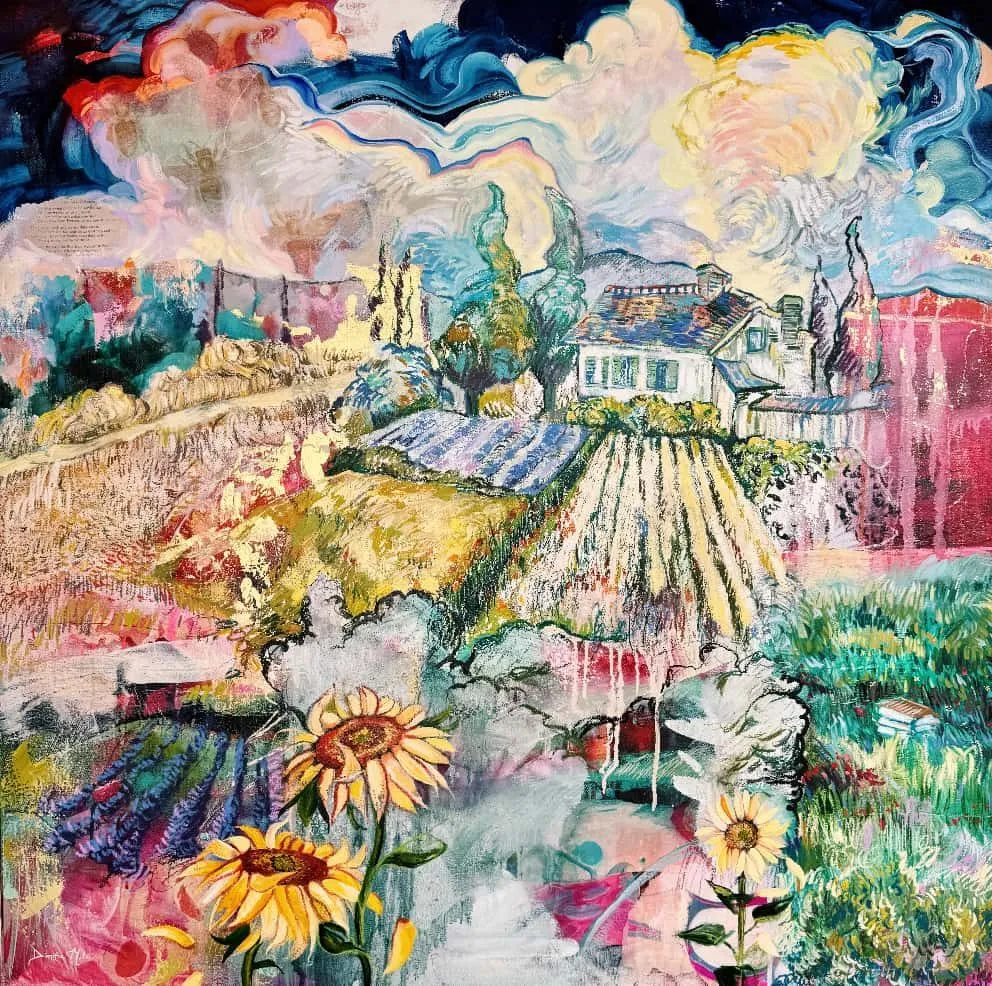
Selling art prints means reproducing your work well, choosing whether each image is an open or limited edition, and selling those prints through your own website, a print-on-demand service, marketplaces, or in person. That is the whole shape of it. Prints let you sell your art more than once without ever parting with the original, which is exactly why so many artists add them as a steady stream of income alongside original sales. You make a high-quality master file from each piece, you decide how many prints of it will exist, you price each one at your cost plus a margin, and you put it where buyers can find it.
This guide walks through each of those steps plainly so you can start selling prints without guessing. Prints are one piece of a larger picture, so if you want the full view first, here is the pillar on how to make money as an artist. And because selling prints and selling originals overlap so much online, the sibling guide on how to sell art online pairs naturally with everything below.
What kinds of art prints can you sell?
There are two main kinds of art print, and choosing between them is the first real decision you make for each image. The difference comes down to how many prints will ever exist.
An open edition is a print you can reproduce in any quantity, for as long as you want to sell it. Nothing caps the number. That keeps each print affordable, easy to restock, and friendly to a wide, casual audience who simply love the image and want it on their wall. The trade is that an open edition carries less collectible value, precisely because anyone can get one and there is no scarcity to it.
A limited edition is the opposite. You cap it at a fixed number, say a set quantity of prints, and once they sell out, that is it. Each print is usually signed and numbered by hand (you will see this written as something like the print’s number over the edition size). That scarcity, plus your signature, makes a limited edition more collectible, which is why you can price it higher than an open edition of the same image. The catch is that you have to commit to the cap and honor it, because the whole value rests on the promise that you will not print more.
There is a second choice layered on top of the first: print quality. A giclée print is a high-quality archival reproduction made on a fine-art printer with pigment inks and good paper, built to resist fading for a long time. A standard print costs less to produce and suits casual buyers and lower price points. Many artists reserve giclée for their limited editions and use standard prints for open editions, but you can mix and match however fits your work and your audience.
How do you make prints of your art to sell?
You make prints by first capturing the original at high quality, then choosing how those prints actually get produced. The capture step matters most, because every print you ever sell comes from that one digital master file. If the file is soft, dim, or off in color, every print inherits the problem.
So start there. Either photograph the original carefully in even, neutral light, or scan it if the piece is flat and small enough to fit a scanner. Either way you want a sharp, color-accurate file at a high enough resolution to print at the sizes you plan to sell. This is worth doing slowly and getting right, and it is involved enough that it has its own guide: here is how to photograph your art properly so your prints look like the original instead of a faded copy.
Once you have that master file, you have three honest routes to turn it into prints, and they trade off cost, control, and convenience:
- Print it yourself. With a good photo or fine-art printer and quality paper, you control everything: the paper stock, the color, the timing, and the margin, since you are not paying anyone else to produce each print. The trade is the upfront cost of the printer and inks, a learning curve to get color right, and the time you spend printing, packing, and shipping every order by hand.
- Use a local print shop or giclée printer. You hand your file to professionals who have calibrated, high-end equipment, and you get excellent results without buying the gear yourself. This is a great fit for limited-edition giclée prints where quality is the whole point. You pay per print and usually still handle your own packing and shipping, but you skip the equipment and the learning curve.
- Use a print-on-demand service. Here you upload your file to a print-on-demand service, and it prints and ships each print only when someone orders, so you hold no inventory and pack nothing. This is the lowest-effort, lowest-upfront route. The trade is less control over paper and color, and the service takes a cut of each sale, so your margin per print is thinner.
None of these is the right answer for everyone. Many artists start with print-on-demand to test which images sell, then move their proven sellers to a local giclée printer or in-house printing once the demand is real and the better margin is worth the extra effort.
Where do you sell art prints?
You sell art prints anywhere your buyers already are, and most artists use more than one channel at once. The four main places are your own website, online marketplaces, a print-on-demand storefront, and in person.
Your own website gives you the most control and keeps the customer relationship entirely yours, which matters more the longer you sell. You set the prices, you own the email addresses, and no platform sits between you and the people who love your work. The trade is that you have to bring the traffic yourself. Online marketplaces and handmade-goods platforms flip that trade: they come with built-in audiences actively searching for art, so buyers can find you without you doing all the marketing, but they take a cut and you are one of many sellers in a crowded space. A print-on-demand storefront blends selling and production in one place, listing your prints and fulfilling each order automatically, which is the lowest-effort way to start. And do not overlook selling in person, at art shows, fairs, markets, or out of your own studio, where buyers can see the print quality with their own eyes and you keep the full margin with no platform fee.
The smart move is not picking one and ignoring the rest. It is meeting buyers in several places at once, then leaning into whichever channel actually sells for your particular work. Because selling prints online shares so much with selling everything else online, the companion guide on how to sell art online goes deeper on setting up shop, writing listings, and driving traffic to wherever you land.
How do you price art prints?
You price an art print at what it costs you to produce, plus a margin that pays you for your work. That is the foundation, and it keeps you from the most common mistake, which is selling prints at a loss without realizing it. Your cost is not just the printing. It includes the paper and materials, the packaging you ship it in, and any platform fees or shipping costs you absorb. Add all of that up first, then set a price above it. Whatever sits above your cost is your margin, the actual profit that makes selling prints worth your time.
On top of that baseline, two things move what a print can sell for. The first is edition size. A limited, signed, numbered print can command more than an open edition of the very same image, because the scarcity and your signature add collectible value that open editions do not have. The second is your signature and presentation more broadly: a hand-signed print, sold with a certificate or thoughtful packaging, simply reads as more valuable than an unsigned file run off a machine. None of this means inventing a number out of thin air. It means starting from real cost, adding a margin that respects your time, and then letting edition size and signing justify a higher price where they genuinely apply.
Pricing prints sits inside the bigger question of pricing all your art, and the same cost-plus-margin thinking carries straight over to originals. For the full treatment, including how to value your time and price original paintings with confidence, here is the guide on how to price paintings.
The honest next step
Here is the thing to hold onto: you do not have to build the whole print business this week. You only have to take the next real step. Pick one finished piece you love, capture it properly, and decide whether it will be an open or a limited edition. Work out what one print actually costs you, set a price that pays you a margin, and put it somewhere a buyer can find it. That single image, done well, teaches you the whole process, and you repeat it from there.
Selling prints is a craft you build the same way you built your art: one honest step at a time, learning as you go. If you want to keep going, the rest of the sell and price your art collection walks through pricing, selling online, and the business side in the same plain language. And if what you really want is to grow the skill and the confidence underneath all of this, with real instruction and feedback on your work, Milan Art Institute’s Mastery Program is built to take you there. The prints are just one way your art reaches the world. The work itself is always the place to begin.
Frequently asked questions
What kinds of art prints can you sell?
The two main kinds are open editions and limited editions. An open edition can be printed in any quantity for as long as you want to sell it, which keeps each print affordable and easy to restock. A limited edition is capped at a set number, each one signed and numbered, which makes it more collectible and lets you price it higher. You can also choose giclée prints, which are high-quality archival reproductions, or standard prints, which cost less to produce.
How do you make prints of your art to sell?
Start by capturing the original at high quality, either by photographing it carefully or scanning it. That digital file is the master every print comes from, so it has to be sharp and color-accurate. From there you can print at home on a good photo printer, hand the file to a local print shop or giclée printer, or upload it to a print-on-demand service that prints and ships each order for you. Each route trades cost, control, and convenience differently.
Where can you sell art prints online?
You can sell prints on your own website, on art marketplaces and handmade-goods platforms, through a print-on-demand storefront, and in person at shows or your studio. Your own site keeps the most control and the customer relationship, while marketplaces and print-on-demand services bring built-in traffic and handle some of the work for you in exchange for a cut. Many artists use more than one channel at once.
How do you price art prints?
Price each print at what it costs you to produce plus a margin that pays you for your work. Your cost includes printing, materials, packaging, and any platform or shipping fees, and your margin is what is left over as profit. Edition size and signing also affect value: a limited, signed, numbered print can command more than an open edition of the same image because scarcity and your signature add collectible value.
Are limited edition prints worth more than open editions?
Usually, yes. A limited edition is capped at a fixed number of signed, numbered prints, and that scarcity plus your signature makes each one more collectible, so you can price it higher. An open edition has no cap, which keeps it affordable and easy to keep in stock but means it carries less collectible value. Neither is better in every case. Limited editions suit collectors, while open editions suit a wide, casual audience.
What to practice this week
- Pick one finished piece and capture it properly this week, either by photographing it in even light or scanning it, so you have one high-quality master file to print from.
- Decide whether that first image will be an open edition or a limited edition, and if limited, choose the edition size and write it down before you sell a single print.
- Work out the real cost of one print (printing, packaging, and fees), then set a price that covers that cost and pays you a margin, so you are never selling at a loss.
Supplies used
About the author
More from Elli