5 Truths That Prove You Can Build a Successful Art Career
You can make a living as an artist. The starving artist story is a myth repeated until it felt true. Here are five truths that put your career back in your own hands.
You can build a successful art career, and the idea that you cannot is a myth, not a rule. “You can’t make a living as an artist.” “Only a lucky few ever succeed.” “Art isn’t a stable career.” Nearly every artist has heard these phrases, whether from other people or from the voice inside their own head. Repeated often enough, they start to feel like facts. They are not. They are a story, and that story has held artists back for generations. Here are five truths that put your career back in your own hands.
The starving artist mentality is not only outdated, it is false. We are living in a time when artists have more opportunity, more access, and more direct control over their careers than at any point in history. If you have wondered whether the money side is real, are artists rich takes apart the same myth with honest numbers. What follows are the five truths that shift the question from “is this possible” to “how do I begin.”
What is the starving artist myth?
The starving artist myth is the belief that pursuing art as a career is financially unstable, unrealistic, or irresponsible. It is a story that has been told so many times it feels true, but it does not reflect the world artists actually work in today.
Artists now have direct access to collectors, students, licensing, teaching, and platforms that did not exist a generation ago. The notion that success is reserved for a select few simply does not hold up anymore. The five truths below replace that worn out story with something you can actually act on.
Truth one: is skill built or born?
Skill is built, not born, which means you do not need to be born extraordinary to become a successful artist. What truly matters is your willingness to learn, grow, and stay committed. Skill develops through consistent practice, curiosity, and perseverance, and those are choices, not gifts.
If you have ever told yourself you just are not naturally talented enough, is art a skill or talent walks through why that belief is almost always wrong. Excellence is cultivated. When you stay teachable and dedicated, your abilities expand far beyond what you can currently imagine, and the ceiling you think you see is usually just the edge of your current practice.
Truth two: does mentorship matter more than connections?
Mentorship matters more than connections, so you do not need to “know the right people” to succeed. Networking can help, but the right mentor is far more powerful. A mentor gives you guidance, clarity, and real world experience that helps you avoid common pitfalls and accelerate your growth.
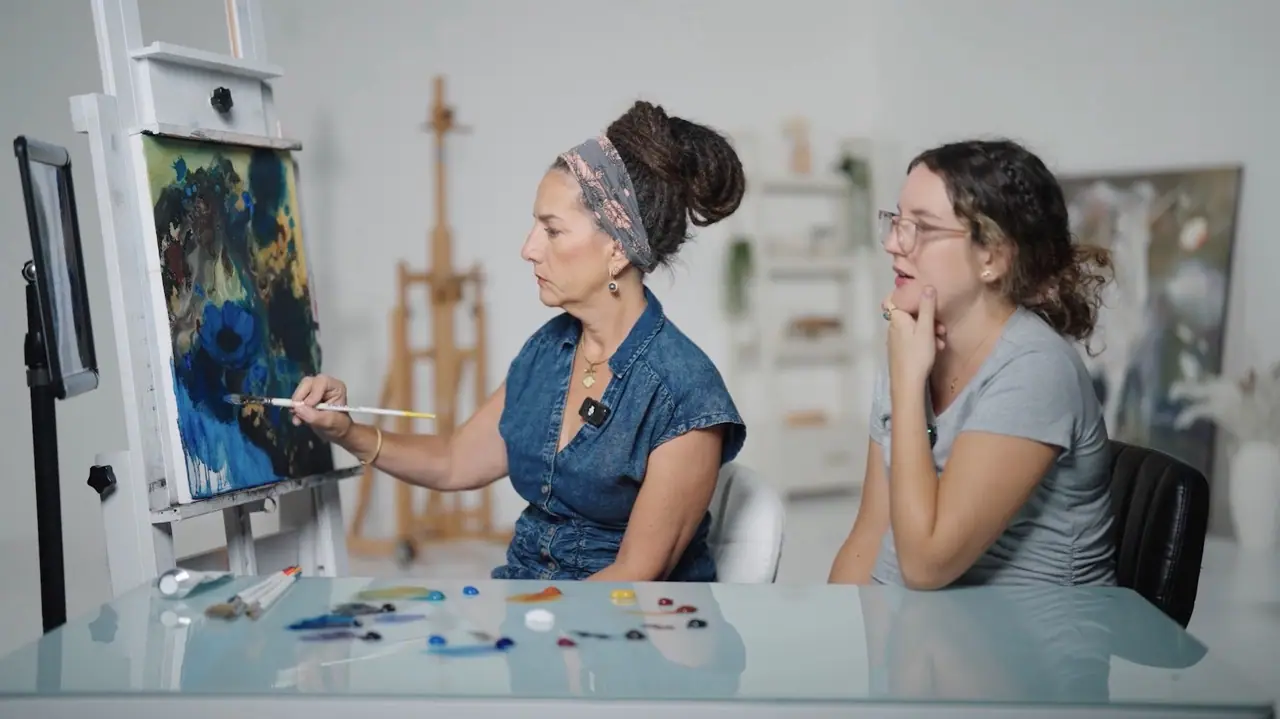
Being surrounded by artists walking the same path creates momentum and belief. You start to see what is possible because you are living it alongside other people, not just reading about it. You can find that guidance in a local artist community or through structured mentorship like the Mastery Program. The point is to put yourself in the room with someone a few steps ahead of you.
Truth three: is success built on consistency or luck?
Success is built on consistency, not luck. What many people call luck is usually the result of discipline, persistence, and steady practice over and over again. Opportunities tend to meet artists who are prepared for them.
When you commit to your craft and set clear, measurable goals, you start to create your own momentum instead of waiting for a break that never comes on its own. Consistency is what transforms potential into actual results. It is also the least glamorous truth on this list, which is exactly why most people skip it.
Truth four: do you need a gatekeeper to validate your art career?
You do not need a traditional gatekeeper to validate your art career anymore. Passion and vision are your greatest assets, and in today’s world artists can build their own platforms, connect directly with collectors, and create meaningful, sustainable careers on their own terms.
When your work is authentic and your vision is clear, people respond. They do not just buy a painting, they connect with the story behind it. If you want a practical map for turning that vision into income, how to make money as an artist lays out the real revenue streams without the hype. Your passion is not a weakness to manage. It is your advantage.
Truth five: can the right community change everything?
The right community can change everything, because many artists hesitate to pursue their dreams simply because they have never seen someone else do it successfully. Community changes that.
When you learn from artists who are actively building thriving careers, something shifts. You begin to see that success is not only possible, it is repeatable. This is why community is one of the most powerful accelerators in an artist’s journey. It gives you both practical strategy and the belief that you can do this too, and that belief is often the missing piece. The fastest way to make a community work for you is to treat it as part of your professional development as an artist, not a nice extra.
Are you meant to thrive as an artist?
Yes, you are meant to thrive as an artist, not to struggle endlessly. The world is not oversaturated with artists. It is hungry for meaning, beauty, and connection, and artists are the ones who provide it.
Artists are leaders of culture. They shape how people see, feel, and experience the world. Choosing to pursue art is not irresponsible. It is courageous, and it is necessary. You are meant to grow, to thrive, and to build a life that reflects your purpose, and these five truths are the foundation under that kind of career.
Quick answer
You can build a successful art career because skill is learned not inborn, mentorship beats connections, consistency beats luck, your own vision needs no gatekeeper, and the right community makes success repeatable. The starving artist myth is a story, not a rule. Commit to your craft, find guidance, and show up consistently.
If you are ready to leave the starving artist mindset behind and step into a clear, supported path toward becoming a professional artist, the next step is to learn how others have already done it. A structured route like how to become a professional artist and the full sell and price your art collection will give you the skills, direction, and proof you need. The Mastery Program exists for exactly this: to give you the mentorship and structure to build a sustainable, fulfilling art career. You do not have to figure this out alone.
Frequently asked questions
Can you actually make a living as an artist?
Yes. The belief that art cannot pay is a myth, not a rule. Artists today have more ways to reach buyers, teach, license, and sell than ever before. A sustainable art career comes from treating it as a real craft and a real business: building skill, finding guidance, and working consistently rather than waiting to be discovered.
What is the starving artist myth?
The starving artist myth is the belief that pursuing art as a career is financially unstable, unrealistic, or irresponsible. It is a story repeated so often it feels true, but it does not reflect today's world. Artists now have direct access to collectors, students, and platforms, which means success is no longer reserved for a lucky few.
Do you need natural talent to succeed as an artist?
No. Skill in art is built through practice, curiosity, and persistence, not handed out at birth. What looks like talent in successful artists is almost always accumulated work and trained observation. Your willingness to stay teachable and keep practicing matters far more than any gift you were or were not born with.
Is luck or hard work more important for an art career?
Hard work, by a wide margin. What people call luck is usually the result of discipline, persistence, and steady practice over and over. Opportunities tend to meet artists who are prepared. When you commit to your craft and set clear, measurable goals, you create your own momentum instead of waiting for a break.
How important is community to building an art career?
Very important. Many artists never start because they have never seen someone like them succeed. Learning alongside artists who are actively building careers shows you that success is possible and repeatable. Community gives you both practical strategy and the belief that you can do this too, which is often the missing ingredient.
What to practice this week
- Write down the three career beliefs holding you back, then next to each one write the truth from this article that replaces it.
- Set one clear, measurable art goal for the next ninety days, such as finishing twelve pieces or making your first sale, instead of a vague wish to succeed.
- Find one mentor or one community of working artists this month, locally or online, and start learning in the same room as people already doing it.
Supplies used
About the author
More from Elli