What Is Surrealism? The Art Movement That Painted Dreams
Surrealism turned the dreaming mind into paint, and its permission to follow your imagination past logic still shapes how artists work today.

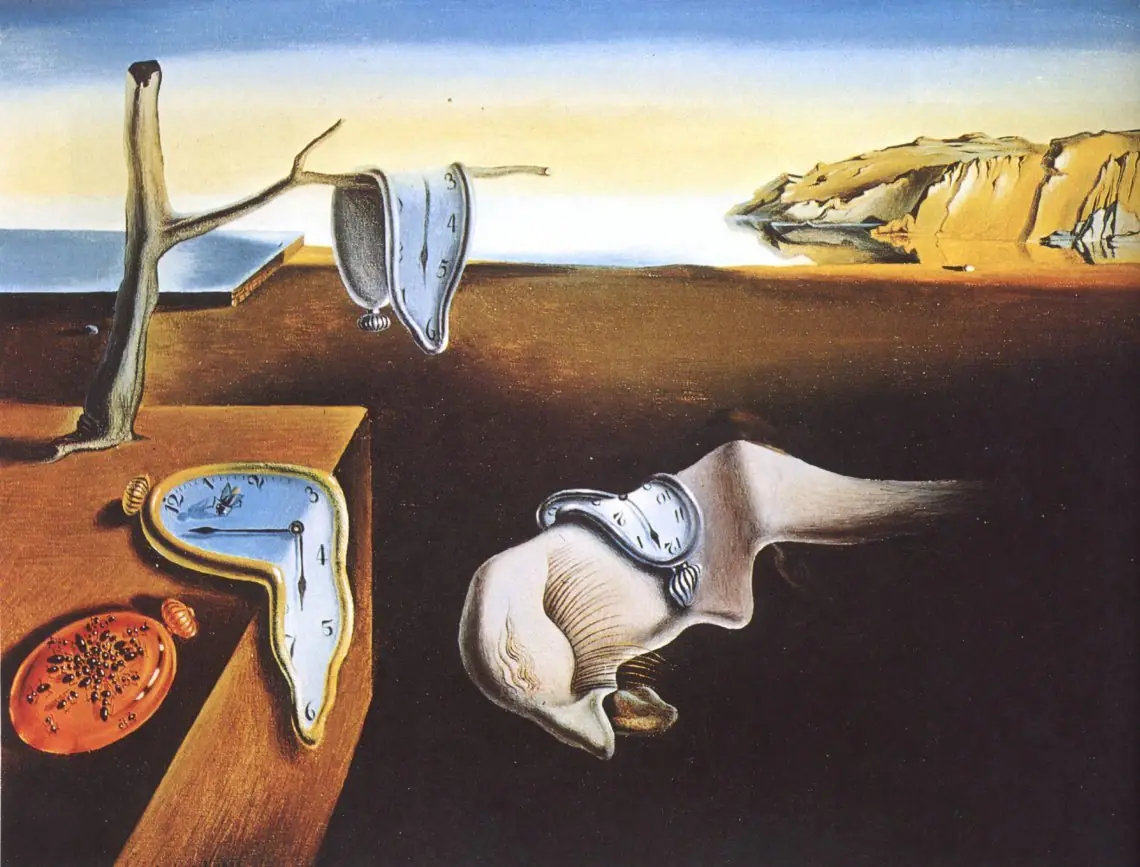
Surrealism is the early 20th century art movement that painted the unconscious mind. Instead of showing the world as it looks, Surrealist artists combined ordinary objects in impossible ways, building images that feel both familiar and strange, the way a dream does. Think of a clock melting in the sun or an apple floating in front of a face. That tension, between something painted convincingly and something that could never be, is the whole idea. A century later, Surrealism still gives artists permission to follow their imagination past the edge of logic.
What is Surrealism?
Surrealism is a style of art that merges the dream world and reality to create images beyond ordinary logic. It lets artists explore the mysteries of the mind by breaking the rules instead of following them. Where most painting tries to record how things appear, Surrealist work combines normal objects with unusual settings, so a scene looks like it could only exist in a dream.
At its heart, the movement is about the unconscious mind, the part of us where dreams, memory, and feeling live. Surrealist art became a language for that hidden layer, a way to say something true that everyday realism could not reach. The painting is strange yet recognizable, and that mix is exactly what pulls you in.
What does Surrealism mean?
Surrealism means reaching past ordinary reality toward a heightened or super reality, one built from the inside out. The name itself points beyond the real, toward a world where dreams, instinct, and emotion carry more weight than reason.
In practice, that meaning shows up as internal logic instead of external accuracy. A Surrealist image does not ask whether something could happen in life. It asks whether it feels true in the way a dream feels true while you are inside it. That is why the work can unsettle and delight at the same time. You believe it and disbelieve it in the same glance.
Where did Surrealism come from?
Surrealism began in early 20th century Europe, when artists wanted to express ideas that did not make sense on the surface. They were reacting against a world that prized order and reason, and they went looking for something deeper underneath it.
A major influence was Sigmund Freud and his writing on the unconscious mind. Freud argued that dreams reveal hidden truths, the thoughts and desires we keep below awareness. Surrealists took that idea and ran with it. If dreams could show us what reason hid, then art that worked like a dream could reveal things ordinary painting never could. That conviction, that imagination could uncover hidden truth, became the engine of the whole movement. It grew out of the same restless 1800s and early 1900s turn toward honesty that you can trace in the story of Realism in art history, only Surrealism searched for that honesty inside the mind rather than out in the street.
Who were the most famous Surrealist artists?
Two painters did more than anyone to make Surrealism famous: Salvador Dali and Rene Magritte. Each took everyday objects and reimagined them, opening new ways of thinking about reality and what is possible.
Salvador Dali and the melting clocks
Salvador Dali made paintings that feel like walking straight into a strange dream. In The Persistence of Memory (1931), he draped soft, melting clocks over a branch, a table edge, and a pale form in a barren landscape. The image makes you question time itself.
For Dali, the melting clocks suggested that time is not as fixed or reliable as we believe. He painted every detail with crisp realism, which is exactly why the impossible part lands so hard. The clocks look solid enough to touch, and that conviction is what makes them haunting rather than silly. His paintings invite you to look longer and wonder what they mean.
Rene Magritte and the floating apple
Rene Magritte played with reality in quieter, cleverer ways. In The Son of Man (1946), he painted a man in a bowler hat with a green apple hovering in front of his face, hiding the one thing you most want to see.
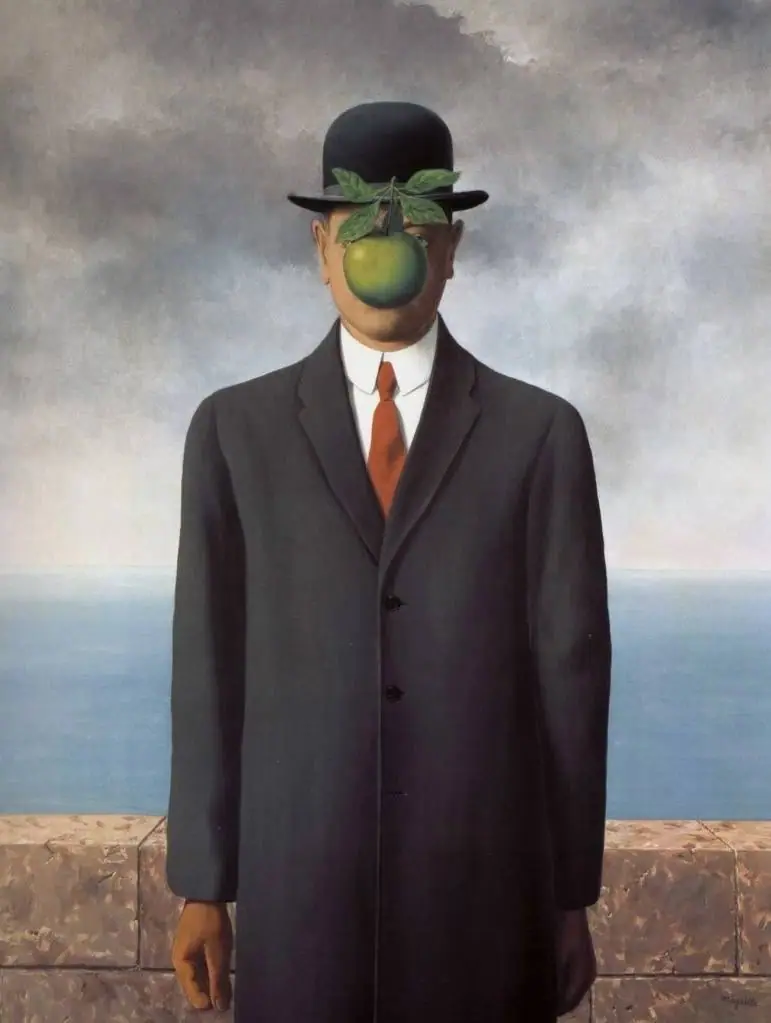
The hidden face makes you think about identity and what lies beneath the surface of a person. Magritte often placed simple, ordinary objects in strange arrangements to make you question what you assume you already understand. His art asks you to look past the obvious and consider a new meaning, which is the same instinct that drives any artist working with the symbolism of color or any other visual language built to carry hidden meaning.
What makes a painting surreal?
A painting feels surreal when believable objects are placed in impossible situations. The strangeness only works because the craft is real. A melting clock convinces you because Dali rendered its weight and sheen so carefully, and an apple hides a face because Magritte painted it as solidly as the man behind it.
That is the quiet secret of the movement. Surrealism is not careless or random. The dream feels real precisely because the painter took the impossible seriously and built it with the same skill any realist would use. The drawing is sound, the light is consistent, the surfaces are convincing. Then one rule of reality is broken, and the whole image tips into the dream. You can see the same disciplined craft underneath the most famous paintings in history, where a single bold idea only carries because the technique beneath it is solid.
Just like in a dream, things in a Surrealist painting are not always what they seem. The movement invites you to look deeper, to find hidden meaning, and to let go of the need for everything to make perfect sense.
Why does Surrealism still matter?
Surrealism still matters because it reminds us that creativity does not have to be limited by logic or rules. In a world where nearly everything has a fixed place, the movement makes room to explore freely and to look at art and life with a sense of wonder.
Modern painters, photographers, and filmmakers still borrow Surrealist ideas to tell stories, express complex emotion, and show unexpected perspectives. By blending reality and imagination, the approach pushes us to think past the obvious. The dreamlike image, the impossible made convincing, never went away. It simply moved into new tools and new hands.
Should you try painting in a surreal style?
Yes, and Surrealism is one of the most freeing styles to try, because if you can imagine it, you can paint it. There are no rules to obey, only the freedom to experiment, which makes it a powerful way to loosen up and find your own voice.
The style invites you to explore thoughts and feelings that are hard to put into words. It rewards risk. You can take an object you know well and place it somewhere it could never be, render it carefully, and watch an ordinary thing turn strange and alive. Even if you do not stay with Surrealism, using it as an exercise stretches your imagination and teaches you to trust what surfaces when you stop steering.
A good place to begin is by looking closely at the masters. You can study Dali and Magritte up close through virtual museum tours, then try a small piece of your own. In the end, Surrealism reminds us that art does not always have to make sense. With each brushstroke, a Surrealist painting says: this is my dream, my imagination brought to life. Through that lens, even the strangest image can reveal something meaningful and beautiful.
If this pulled you in, keep wandering through the rest of our art history and famous paintings collection, and when you are ready to put a dream on canvas yourself, the 2-Week Challenge is a gentle place to begin.
Frequently asked questions
What is surrealism in simple terms?
Surrealism is a style of art that brings together the dream world and reality. Instead of painting things as they look, Surrealist artists combine everyday objects in surprising ways, creating images that feel both familiar and impossible, the way a dream does.
What does surrealism mean?
Surrealism means going beyond ordinary reality to express the unconscious mind. The word points to a heightened or super reality, where dreams, memory, and emotion matter more than logic. In art, it describes images that follow the strange internal logic of dreams rather than the rules of the visible world.
Who started the Surrealist movement?
Surrealism grew out of early 20th century Europe and was shaped by Sigmund Freud's writing on the unconscious mind. Painters such as Salvador Dali and Rene Magritte became its most recognizable figures, turning Freud's ideas about dreams into vivid, unforgettable images.
What makes a painting surreal?
A painting feels surreal when it combines believable, carefully rendered objects in impossible situations. A melting clock or an apple hiding a face is painted so convincingly that your eye accepts it, even as your mind knows it could only happen in a dream.
What to practice this week
- Write down a dream or a daydream in plain words, then circle the two images that feel strangest and sketch them sharing the same scene.
- Take one ordinary object from your room and draw it somewhere it could never be, rendered as realistically as you can so the impossibility feels convincing.
- Make a small painting with no plan and no rules, letting one shape suggest the next, and notice what your imagination offers when you stop steering.
Supplies used
About the author
More from Elli