Leonardo da Vinci's Drawing Tools: Silverpoint and the Materials He Used
Da Vinci had no graphite pencil. He drew with a sharpened piece of silver, red chalk, and a goose quill dipped in ink. Here is the full toolkit behind his drawings.

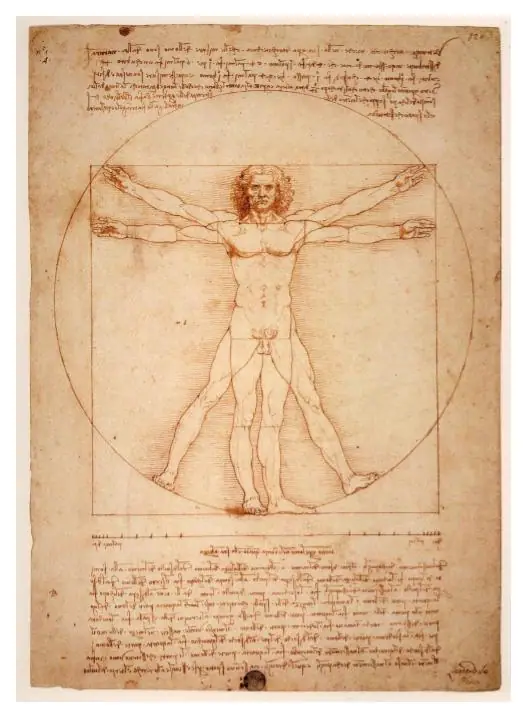
Leonardo da Vinci drew with silverpoint, red chalk, black chalk, charcoal, and pen with iron gall ink, not a graphite pencil, because the modern pencil did not exist in his lifetime. Each tool gave him a different kind of mark. Silverpoint made a fine, even gray line for precise studies. Chalk gave him warm tone and soft shading for figures and drapery. The quill pen carried ink for his most permanent, deliberate work. He also prepared many of his own surfaces, treating paper with a coated ground before he ever set down a line.
That last detail is the one most people miss. We tend to look at old master drawings through a modern lens and assume the artist simply picked up a tool and started. Leonardo’s process began earlier, with the surface itself. Understanding his materials is one of the clearest windows into how he actually worked, and into why his drawings look the way they do.
What drawing tools did Leonardo da Vinci use?
Leonardo da Vinci used five core drawing tools: silverpoint, red chalk, black chalk, charcoal, and pen with iron gall ink. He worked with a wide range of materials, including not only the drawing instruments but also the prepared papers and even some of the pigments worked into the surface. Each tool answered a specific need, and Leonardo chose between them based on the line, tone, and permanence he wanted in a given drawing.
The toolkit breaks down roughly like this. Silverpoint was his instrument of precision, ideal for tight, controlled study drawings. Red and black chalk gave him a fuller tonal range and suited the human figure, drapery, and portrait work. Charcoal let him cover a large surface quickly and loosely, useful for early lay-ins and big compositions. Pen and ink, drawn with a sharpened goose quill, produced his most deliberate and lasting lines, the ones he committed to when a drawing was meant to last. He moved between these tools fluidly, and many drawings combine more than one.
What was silverpoint, and how did da Vinci use it?
Silverpoint was a drawing tool made from a thin, sharpened piece of silver set into a stylus, and it was one of Leonardo’s early signatures. The catch is that silver is too soft to mark plain paper on its own. The surface first had to be coated with a slightly abrasive ground so the metal would leave a trace as it dragged across it. Without that preparation, the stylus would slide and leave nothing.
Preparing the surface took real work. An artist would take ground bone ash, blend it with a liquid binder (saliva was sometimes used), and brush this coating onto the paper or a wood tablet. The coated surface was then set aside to dry. Only after it dried could the artist draw into it with the silverpoint stylus, pulling fine gray lines across the prepared ground. The result was an extremely delicate, even line with almost no variation in weight, which is exactly what suited Leonardo’s careful observational studies.
There is one more quiet feature of silverpoint that shapes how the drawings look today. Silver tarnishes over time, so the cool gray line Leonardo first laid down slowly warms into a soft brown. Many of the silverpoint drawings we admire now have aged into that gentle amber tone, a color the artist never actually saw when the lines were fresh.
How did da Vinci make a colored silverpoint drawing?
To make a colored silverpoint drawing, Leonardo tinted the prepared ground itself rather than the metal line. If he wanted the surface to carry color, he mixed a pigment into the bone ash coating before brushing it onto the paper. Pigments like ivory black or red lead were worked into the ground, giving him a toned surface to draw on instead of plain white.
Once that colored ground had dried, he drew across it with the silverpoint stylus the same way he would on an untinted surface, building his lines and shading normally. The tinted ground did the work of setting a mid value, so the drawing started from a warm or dark base rather than a blank page. This let him push toward both lighter and darker tones from a middle point, which is one reason these studies feel so resolved.
What did da Vinci use instead of a pencil?
Leonardo used silverpoint, chalk, charcoal, and pen and ink instead of a pencil, because the graphite pencil did not exist during his lifetime. The modern pencil traces back to a large, pure graphite deposit discovered in Borrowdale, England, in the 1560s. Leonardo died in 1519, decades before anyone wrapped graphite in wood and called it a pencil. So when a drawing of his looks like it was made in pencil, it was almost always silverpoint, black chalk, or charcoal instead.
Red chalk, also called sanguine, became especially important in his later years. It is a natural earth material rich in iron oxide, which gives it a warm reddish brown color, and it can be sharpened to a point or used on its side for broad shading. Leonardo used red chalk for studies of the human body, for drapery, and famously for figure work, drawn with a softness that pure line could never reach. Black chalk, a natural carbon based stone, gave him a cooler counterpart for darker tone and stronger contrast. Together the two chalks covered most of the tonal range a graphite pencil would later provide.
Charcoal rounded out the set. Made from charred wood, it is soft, dark, and easily smudged, which made it perfect for quickly blocking in a large drawing or a composition before committing to finer tools. Its looseness was the point. Where silverpoint demanded patience and a prepared surface, charcoal let Leonardo move fast and think on the page.
How did da Vinci make a pen for drawing in ink?
Leonardo made his drawing pens from goose feathers, sharpened by hand into a writing point. A modern ballpoint pen is effortless: pop the cap and write. In Leonardo’s day, the pen was something you built. An artist would take a goose feather and harden the end, sometimes by baking it, so the tip would hold a shape. The hardened end was then cut and sharpened into a fine point and slit so it could carry ink.
The ink itself was usually iron gall ink, the standard writing and drawing ink of the period, made from oak galls, iron salts, and a binder. Dipped into this ink, the cut quill let Leonardo draw crisp, permanent lines with real control over thickness, since pressing harder spread the slit and widened the stroke. This is the tool behind his most deliberate drawings, the studies he meant to keep. The Vitruvian Man, with its confident inked contours, shows exactly the kind of precise line a well cut quill could deliver.
One honest caveat about iron gall ink: it is mildly acidic, and over centuries it can darken the paper or bite into it. Part of the work conservators do is managing that slow chemistry so these drawings survive. The tool that gave Leonardo his sharpest line is also the one that quietly attacks the page it sits on.
Why does any of this matter for your own drawing?
It matters because tools shape what you can make, and seeing Leonardo work without a single convenience we take for granted is freeing. He had no eraser worth the name on his inked drawings, no graphite pencil, no ready made paper, and no undo. He prepared his own surfaces, cut his own pens, and committed to lines he could not take back. The drawings are extraordinary not because the tools were magic, but because he understood each one deeply and chose the right one for the job.
You do not need silverpoint or a goose quill to learn from this. The lesson is that observation and commitment, not gear, made the work. A few good pencils, some chalk, and a willingness to draw badly until you draw well will carry you further than any shopping list. If you want a feel for how drawing trains the eye and steadies the hand, start with the benefits of drawing and doodling, then try a focused study like how to draw a self-portrait step by step. To understand the underlying grammar Leonardo was working with in every line and tone, the 7 elements of art is the place to go, and you can keep exploring the masters across our art history and famous paintings collection.
The path forward is simpler than it looks. Pick a tool, learn what it actually does, and draw. If you want a guided, low pressure way to begin, our free Two Week Challenge is built for exactly the beginner standing where you are right now. Leonardo started with a coated sheet and a piece of metal. You can start with even less.
Frequently asked questions
What drawing tools did Leonardo da Vinci use?
Leonardo da Vinci drew with silverpoint, red chalk, black chalk, charcoal, and pen with iron gall ink. Silverpoint was a sharpened metal stylus that left a fine gray line on specially coated paper. Red and black chalk gave him warm tone and soft shading. The pen, cut from a goose quill, carried ink for his most precise, permanent lines. He had no graphite pencil, since that came later.
Did Leonardo da Vinci use a pencil?
Not a graphite pencil like the ones we use today, because the modern pencil did not exist in his lifetime. The graphite pencil arrived after a large graphite deposit was found in England in the 1560s, decades after Leonardo died in 1519. What looks like pencil in his drawings is usually silverpoint, black chalk, or charcoal, all of which can produce a similar fine gray line.
What was silverpoint, and why did da Vinci use it?
Silverpoint was a drawing tool made from a thin, sharpened piece of silver held in a stylus. It only marks paper that has been coated with a ground, often ground bone ash mixed with a binder, because the soft metal needs a slightly abrasive surface to leave a trace. Leonardo used it because it produces an extremely fine, controlled line that suited his careful study drawings. The silver also tarnishes over time, warming the line to a soft brown.
What did da Vinci use before the pencil existed?
Before graphite pencils existed, Leonardo relied on silverpoint, chalk, charcoal, and pen and ink. Each tool answered a different need: silverpoint for precise studies, red and black chalk for tone and figure work, charcoal for quick large drawing, and pen with iron gall ink for finished, permanent line. He also prepared his own surfaces and sometimes tinted his paper to control the value range.
What was da Vinci's favorite drawing tool?
Leonardo did not name a single favorite, but red chalk became central to his late drawings and is closely associated with his work. He used it for studies of the human body, drapery, and his famous self portrait. Earlier in his career he leaned heavily on silverpoint. The honest answer is that he matched the tool to the job rather than committing to just one.
What to practice this week
- Try a metalpoint study: coat a sheet of smooth paper with a thin ground, then draw with a fine silver or copper wire and notice how little the line varies in weight.
- Draw the same simple subject twice, once in red chalk and once in black chalk, and compare how the warm and cool tones change the mood of the drawing.
- Make one drawing in pen and ink with no eraser allowed, the way Leonardo had to, to train commitment to each line before you place it.
Supplies used
About the author
More from Elli