How to Get Your Art in a Gallery: A Practical Guide to Gallery Representation
Gallery representation is not luck or who you know. It is a sequence: sellable work, a strong portfolio, the right galleries, real relationships, and a tailored proposal. Here is the path.


To get your art into a gallery, work through five steps in order. Build a cohesive portfolio of at least 30 strong, sellable pieces. Research galleries whose style, medium, and price point match yours. Build real relationships before you pitch anyone. Submit a tailored proposal with your artist statement and your best images. Then stay persistent, because rejection is part of the process and most artists contact many galleries before one says yes. None of this is luck. It is a sequence you can actually follow.
Here is the thing most artists skip in their rush to get represented: the foundation underneath all of it is sellable art. A gallery is a business, and it makes money by selling the work on its walls. If your work does not fit a gallery’s market and price point, no amount of polished proposals will win you a spot. So before you research a single gallery, make sure you are building work people want to buy, in a style that holds together as one clear voice. Get that right, and every step below gets easier.
How do you build a portfolio that gets a gallery’s attention?
Build a cohesive portfolio that shows one clear artistic identity through a consistent style and vision. Galleries are not looking for proof that you can do everything. They are looking for a coherent body of work they can recognize, frame, and sell. A strong portfolio typically holds at least 30 paintings, but quality beats quantity every time. A smaller selection of your best, most representative pieces leaves a deeper impression than a sprawling display of scattered work.
Think of the portfolio as a story about your artistic evolution. If you work in more than one medium, you can show a diverse but interconnected range to demonstrate your versatility, as long as the pieces still feel like they came from the same artist. The thread between them is what a gallery remembers.
Your images matter as much as the work itself, because a gallery often meets your paintings as photographs first. Capture high-quality images using a good camera (a recent iPhone or better) and a few simple techniques:
- Light the work well. Even, controlled studio lighting removes glare and color casts so the painting reads true. If your setup is dim or uneven, start with art studio lighting.
- Use a tripod. A tripod keeps images sharp and lets you shoot clean close-ups of texture and detail.
- Edit lightly. Use editing software to correct color and crop cleanly, so the photo matches the real painting rather than flattering it.
Add a short, engaging description to each piece, including the inspiration behind it. That context reinforces your style and tells your story. For a full walkthrough of selecting and presenting the work, see how to build an art portfolio.
How do you keep an online presence galleries take seriously?
Build a professional digital presence, because galleries research artists online before they ever reply. Your website and social profiles are often the first real look a gallery gets at you, so they need to represent your artistic identity accurately. Three elements carry most of the weight:
- A professional website. Treat it as your digital portfolio. Make it user-friendly and visually clean, with clear information about you, your journey, and your exhibited work. It should include your artist statement, a portfolio of your strongest pieces, and a CV that highlights any achievements, awards, and shows.
- Active social media. Use platforms built for visual art, such as Instagram, Pinterest, or TikTok, to share your work, engage your audience, and connect with other artists and galleries. Update regularly so followers see your process, not just finished pieces.
- Consistent branding. Your brand is you, the artist, not just the art. Keep a unified visual and narrative identity across every platform so your presence is memorable and recognizable the moment a curator lands on it.
A strong online presence does quiet work for you. It builds credibility before a conversation even starts, and it gives a curious gallery owner a reason to keep reading instead of clicking away.
How do you find the right galleries to approach?
Research galleries that genuinely match your style, medium, and price point, instead of pitching everyone. A contemporary gallery is rarely the right home for a traditional painter, and the reverse is just as true. Targeting the wrong fit wastes your effort and theirs, so the research stage is where most of your odds are actually won.
Work through it methodically:
- Study their websites. Most galleries have dedicated sections for artists, exhibitions, and submission guidelines. Read the requirements for proposals, portfolios, and images closely, and note any deadlines so you have time to prepare a polished submission.
- Follow them on social media. Stay updated on their shows, activities, and any open calls for artist submissions.
- Read around them. Browse art magazines, websites, and blogs that cover the gallery and its exhibitions. Look for reviews and testimonials from artists who have shown there.
- Check their submission platform. Some galleries use specialized tools like Submittable or SlideRoom for submissions. If your target gallery has a preferred platform, learn its process before you apply.
- Visit in person. Treat gallery visits as an educational field trip. Assess whether your style aligns with the gallery’s overall aesthetic, and look at the artists they currently represent to gauge the caliber and direction they favor.
- Watch how they treat their artists. A gallery that actively promotes and supports its artists will be a far more fruitful partner. Look for signs of real collaboration and lasting relationships.
If a question is not answered in the submission guidelines, it is fine to contact the gallery directly with a short, polite email to clarify. Finding the gallery’s owners, price points, and goals tells you whether your work and theirs belong in the same room.
Why do relationships matter more than cold calls?
Building relationships beats cold calling, every time, because galleries already get countless calls from new artists. With ambition and courage running high, you might be tempted to walk straight in and ask for representation. That bravery is admirable, but it usually adds you to a long list of cold messages a gallery has no reason to act on. If a gallery has no relationship with you, it has little motivation to invite you into its family.
So build the relationship first. Attend gallery openings, art fairs, and networking events in your art community. Extend that effort online by joining art forums, taking part in art communities and virtual events, and engaging genuinely with people in the field. Digital connections can be every bit as valuable as the ones you make in person.

The point of all this is not to network for its own sake. It is to find the gallery that believes in you and does a great job selling your work. That gallery is worth the time it takes to find, and the relationship is what makes the eventual ask feel natural instead of cold.
How do you submit a proposal a gallery will actually read?
Submit a tailored, professional proposal to each gallery, never a copy-pasted mass email. Once you have identified galleries that suit you, reach out by email with a submission built specifically for them. A strong proposal includes three things:
- A compelling introduction. Think of this as your cover letter. Introduce yourself and your art, explain why your work fits this gallery in particular, and touch on your artistic journey and influences.
- A well-written artist statement. This gives the gallery insight into your creative process, your influences, and the themes in your work. If yours needs sharpening, follow how to write an artist statement.
- High-quality images. Include three or four photos of your best work, chosen to highlight the qualities that fit this gallery based on your research.
Customize every submission. Address the specific aspects of your work that align with each gallery’s focus and aesthetic, and resist the urge to reuse one generic proposal. A personalized approach shows you understand the gallery’s mission and that you are serious about being part of it. That care is exactly what separates you from the pile of identical pitches.
How long does it take to get into a gallery?
Getting into a gallery takes time, and rejection is part of the process, so plan for both. You can expect only a small share of the galleries you contact to respond, so a string of no replies is normal rather than a verdict on your work. Treat each rejection as a learning experience: seek feedback when you can, and use it to improve both your work and your presentation.
Becoming a professional artist is a long game built from steady pieces. Creating strong, sellable work, building an online presence, researching the right galleries, and nurturing relationships all take patience. Stay persistent and keep approaching galleries that genuinely fit, and the odds compound in your favor over time.
What happens after a gallery takes your work?
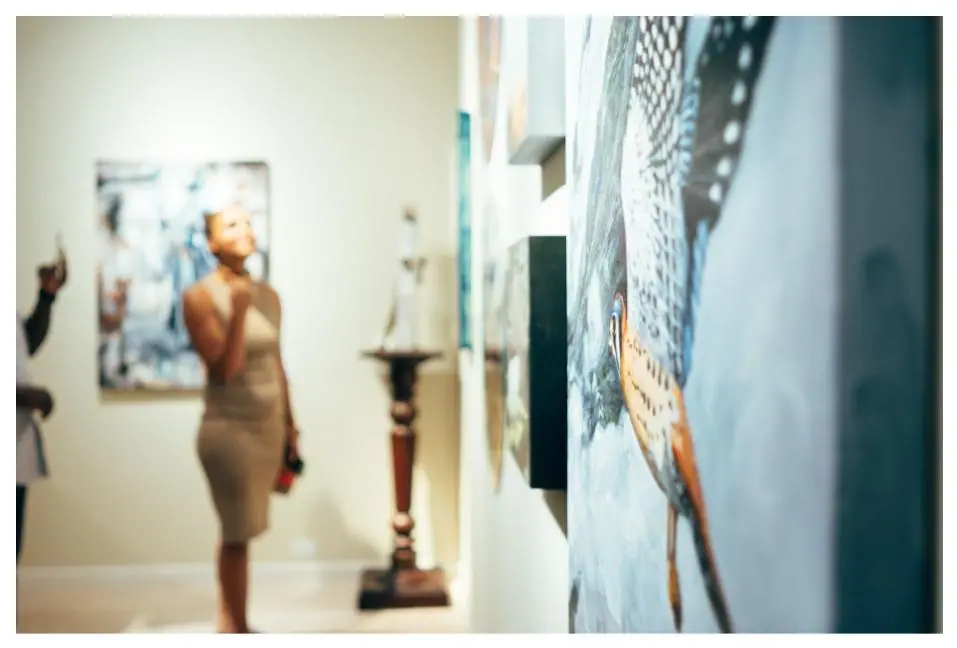
Your job does not end when your art finally hangs on a gallery wall. Now the goal shifts to building a long-term relationship that benefits both of you. Keep investing time and effort into making the exhibition a success, because the gallery’s win is your win.
Work closely with the owners and curators, and show up. Actively take part in gallery events, openings, and exhibitions, because your presence supports the gallery and opens new connections with other artists and collectors. Then use your own online presence to promote the work and the gallery together. Collaborating on marketing and engaging your audience strengthens your brand and the gallery’s reputation at the same time, which is exactly the kind of partner a gallery wants to keep.
Why sellable work is the foundation under all of it
Sellable art is the foundation of gallery representation, and it is the step most artists skip in their hurry to advance. Galleries are in the business of making money, so if you want one to sell your work, you have to create work that sells and fits its market. Do a little market research to understand what kind of art is currently sought after, and develop enough versatility that your work resonates with a broader audience without losing your voice.
Sellable does not mean selling out. It does not mean making art you dislike. It means finding the overlap between what people want to live with and what only you would paint. For more on which work tends to move, read what kind of art sells best, and to understand pricing before you negotiate with a gallery, see how to price paintings.
Getting your art into a gallery is a combination of artistic excellence, real relationships, and patience. Work the sequence, keep improving, and keep going. If you are still building the body of work that makes all of this possible, the fastest way to make real progress is our free Two Week Challenge, a guided way to paint with structure and feedback instead of guessing alone. When you want to go deeper on the business side, how to sell your art and how to promote your art pick up where this leaves off, and the rest of the sell and price your art collection is here when you are ready.
Frequently asked questions
How do you get your art into a gallery?
Build a focused portfolio of at least 30 strong, sellable pieces, then research galleries whose style, medium, and price point match your work. Build a relationship with each gallery before you pitch by attending openings and engaging online, then send a tailored proposal with your artist statement and three or four of your best images. Expect to contact many galleries before one says yes.
How do you get gallery representation as an artist?
Gallery representation comes from proving you make sellable work and that you are easy to work with. Develop a cohesive body of work, maintain a professional website and active social presence, and target galleries that already show artists like you. Build real relationships first, submit polished and personalized proposals, and stay persistent through rejection, which is a normal part of the process.
How do you approach a gallery as an artist?
Approach a gallery by building a relationship before you ask for anything. Follow them, visit in person, attend their openings, and learn what they show and who they represent. When you do reach out, send a concise, professional email tailored to that specific gallery, with a short introduction, your artist statement, and three or four strong images, never a copy-pasted mass message.
How many paintings do you need to get into a gallery?
Aim for a cohesive body of at least 30 paintings, but prioritize quality over quantity. A smaller selection of your best, most representative pieces makes a stronger impression than a large, scattered display. The work should read as one consistent style and vision so a gallery can see exactly who you are as an artist and how they would sell you.
How hard is it to get into an art gallery?
It is competitive and takes time, so plan for it. Many galleries receive far more submissions than they can take, and you can expect only a small share of the galleries you contact to respond. Treat rejection as feedback rather than failure, keep improving your work and presentation, and keep approaching galleries that genuinely fit your style and price point.
What to practice this week
- Assemble a cohesive portfolio of at least 30 of your strongest pieces, then cut it to only the work that shares one clear style and vision.
- Make a target list of 10 galleries whose represented artists, aesthetic, and price points actually match yours, and follow each one online before reaching out.
- Write one tailored proposal email for a single gallery, with a short introduction, your artist statement, and three or four of your best images, instead of one generic message you send to everyone.
Supplies used

About the author
More from Elli