What Kind of Art Sells Best? The 8 Types of Art That Sell (and Why)
Abstract, realism, figurative, portraiture, pop, urban, niche, and your own voice. Here are the kinds of art that sell best, and the choices inside each one that make a piece collectable.

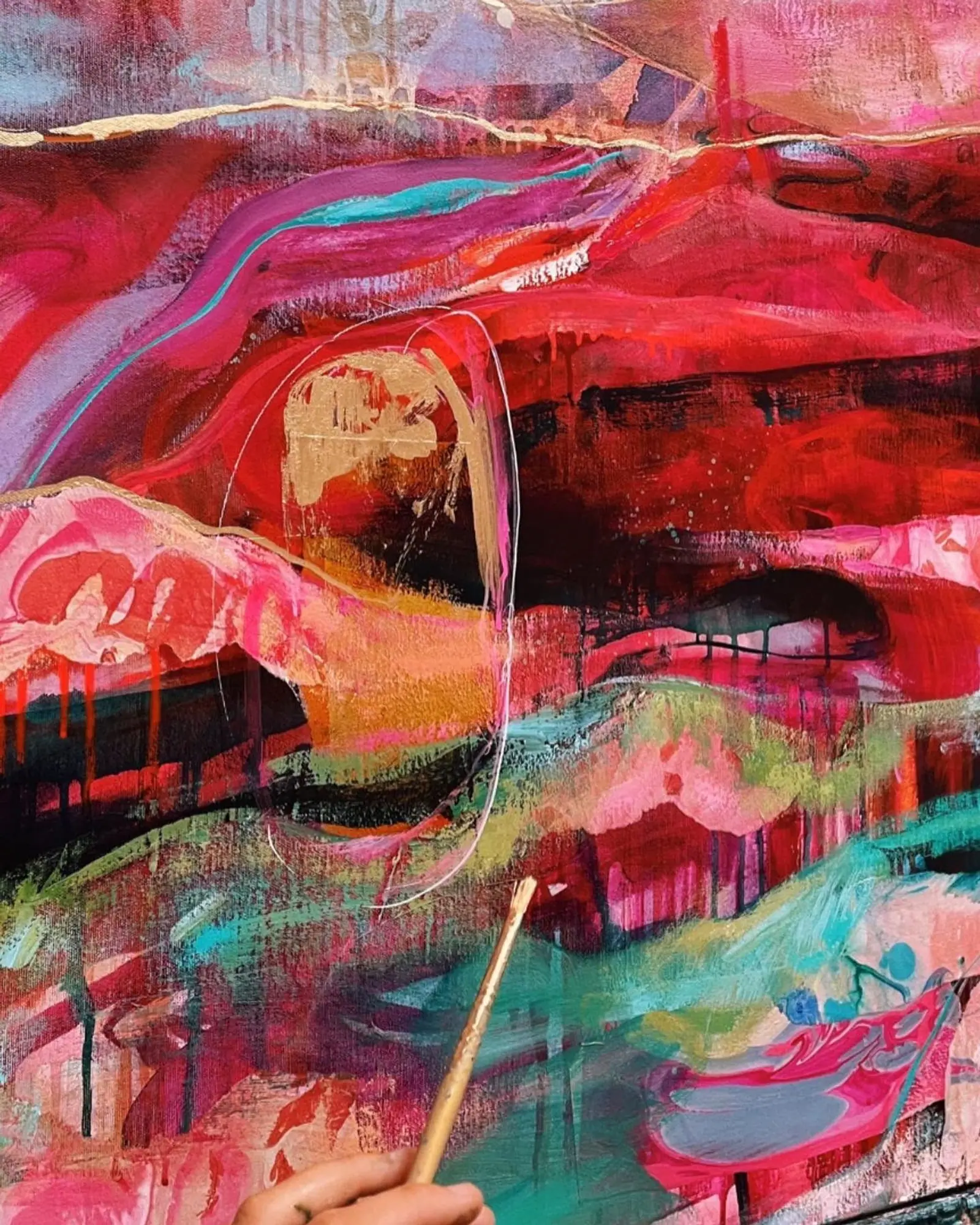

The kind of art that sells best is abstract, followed closely by realism, figurative work, and portraiture, then pop art, urban art, and niche art made for a specific audience. But the type of art matters less than the choices inside it. Across every category, the pieces that sell share the same handful of qualities: tasteful color, a clear focal point, an uplifting mood, and a subject your ideal buyer actually wants to live with. Get those right and almost any style can sell.
Before you choose a style, choose a buyer. The fastest way to make art that sells is to picture one real person. What do they wear? Where do they live? What does their home look like, and what colors fill it? What is their job, and what imagery pulls at them? Once you can see that person clearly, the question stops being abstract. You are no longer asking what sells in general. You are asking what this buyer would hang on their wall, and that is a question you can answer. Below are the eight kinds of art that sell, and the specific decisions inside each one that turn a painting into a piece someone takes home.
What kind of abstract art sells best?
Abstract art sells best when it has depth, a deliberate color story, and a clear focal point. Non-objective abstract art uses no recognizable subject. It is built from shape, form, line, value, texture, scale, and color alone, and your job is to make something beautiful and engaging out of those elements by themselves. The single biggest quality of a strong abstract is depth: aim for at least five fields of depth across the foreground, middle ground, and background.
Abstracts live and die by their color story, and color follows fashion. What you see on the runway shows up in homes a season or two later, so paint colors your buyer wants to live with. Keep color rich rather than too bright, and avoid letting it go muddy so it stays alive. Pull primaries straight from the tube and you get something garish, so balance bold color with neutrals, and when you are unsure, build your palette from a color wheel. If line is part of the composition, vary it, and make those lines intentional and exciting. When you add texture, mix thick, thin, and midrange so the surface has variety.
Avoid painting everything to the same scale. Artists tend to paint every shape to the size of their own hand, which flattens a piece. Study composition, give the work a clear focal point, let objects run off the edges, avoid triangles trapped in the corners, and watch for tangent edges. Done well, abstract art sets a mood for a room. A minimal abstract with plenty of resting space can make a space feel calm and at peace, so visualize the room you are painting for as you work. If you want to go deeper on the methods themselves, our guide to abstract painting techniques walks through how to build that depth and texture.
What kind of realism sells best?
Realism sells best when the subject is clear and the theme stays open enough for many buyers to see themselves in it. Realism means painting a subject anyone can identify: landscapes, nature, wildlife, figures, and still life. Painting recognizable local landmarks and events can help you sell to the tourist market in your region, where people want a piece of a place they love.
For a broader reach, choose themes and locations that are open-ended rather than too specific. Do not force a message on the buyer, and never turn a painting into a riddle. A buyer does not want to feel stupid. Realism can tell a story, but it should never make the viewer feel they are not smart enough to understand it.
Keep people engaged by giving familiar subjects a fresh turn. Still life is the clearest example. The classic bowl of fruit is one of the most over-painted subjects in history, and buyers have seen enough of it. Give your still life a unique twist, and paint beautiful pieces that bring calm into a home.
What kind of figurative art sells best?
Figurative art sells best when the figures look appealing, hopeful, and like a life the buyer wants to be part of. Figurative work captures humans, animals, and objects from real life, rendered recognizably. For centuries it carried our history as human beings, but today buyers want figures with an aesthetic they want to step into. Create visuals that feel uplifting and speak to people’s fantasies.

Paint your figures in an appealing way, whatever the body type. It is a hard sell if every figure looks strained, out of proportion, traumatized, or stuck in a setting where they seem to dislike themselves. Paint the other side of human pain instead. If you want collectors to come back, show hope, perseverance, and triumph.
What kind of portraiture sells best?
Portraiture sells best when the face feels universal, hopeful, and alive in its color. Portraiture makes a face the focal point, in any medium from stone to paint to charcoal. Unless you are painting a commission of a specific person, work from models with a universal kind of beauty. Your buyer may not want a portrait of a particular individual, but a face that reminds them of someone, or a recognizable figure, which is why fan art has such a large market. The pet market is one of the only recession-proof markets there is, so many artists offer pet portraits.
Decide what story the portrait tells, then build it through clothing, pose, objects, and environment. Pay close attention to the overall feeling coming off the face. A face that shows hope will always outsell a face that shows struggle. A person may connect with a difficult emotion for a moment, but few want to live with it daily on their wall. Portraits where the subject stares straight at the viewer tend to be less sellable because they can feel confrontational. And use color that makes skin look alive, not dead or sickly.
Does pop art still sell?
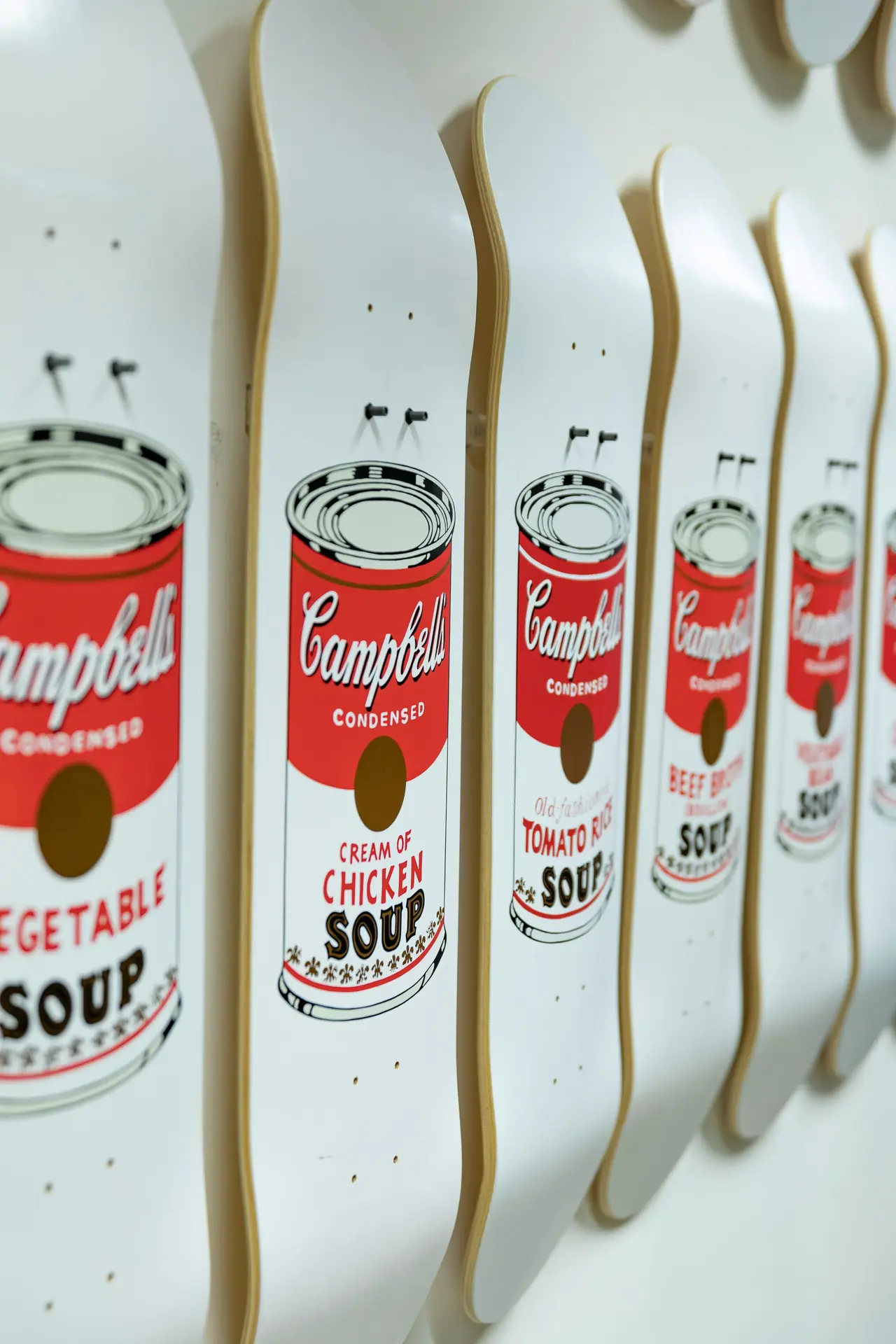
Yes, pop art still sells, and it has since it emerged in the late 1950s. Pop art depicts recognizable commercial elements such as products and celebrities, and its hallmarks are bright color, strong typography, repetition, humor, and social commentary. You still see the style alive in graphic work, mixed media paintings, graffiti and murals, and fan art. Work by Andy Warhol still sells well today, and nostalgia art can pull a buyer right off the street through a gallery window.
Does urban art sell?
Urban art sells, and it is one of the fastest ways for an emerging artist to get known locally. Urban art shows city environments or the people living in them, often as graffiti, murals, and installations. The subjects can be social, political, or cultural commentary, and the work represents the heartbeat of the culture around it, drawing on pop art, expressionism, and surrealism. It asks artists to think past the traditional canvas and put work on walls and other architectural surfaces.
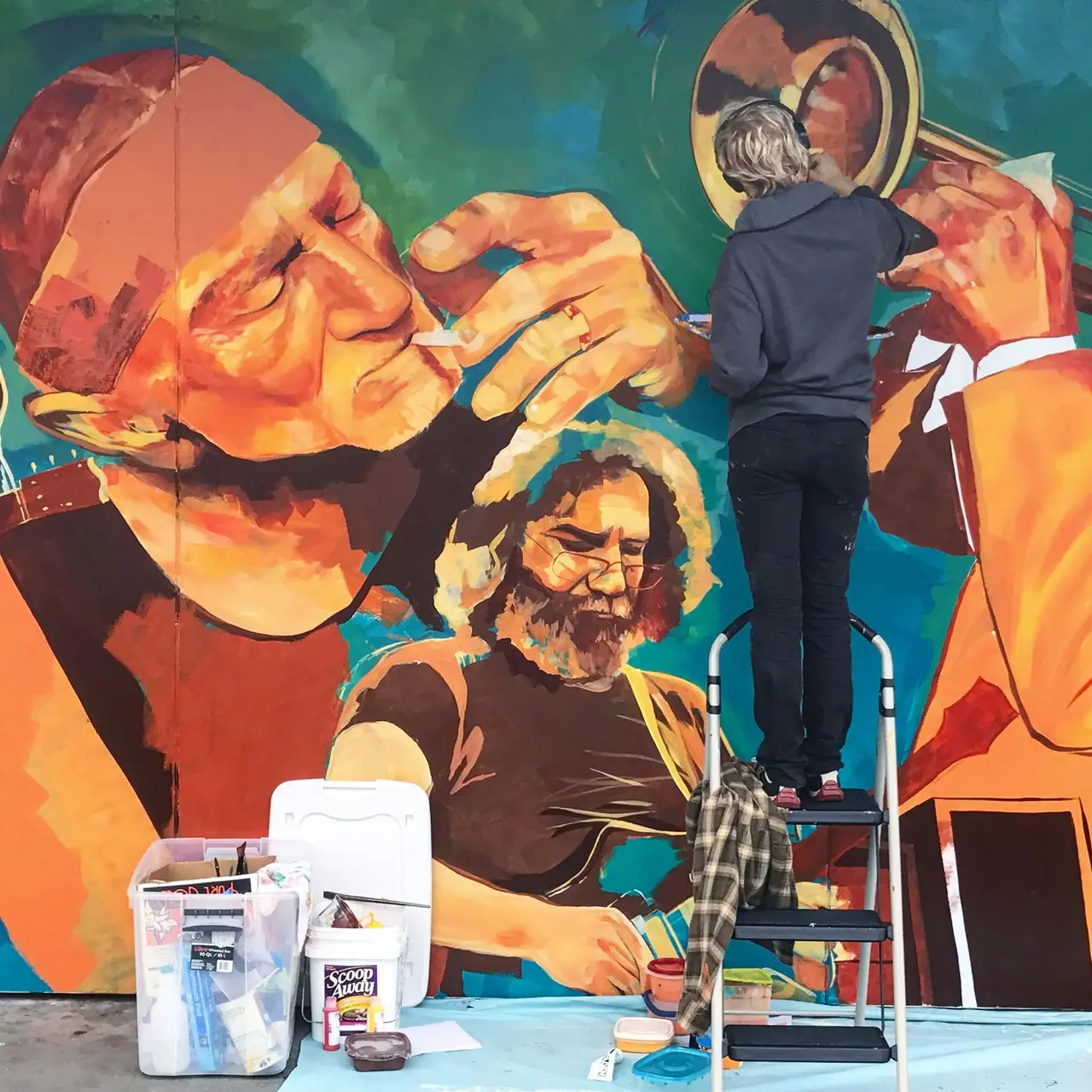
Some communities run art initiatives that give grants for public art, and creating urban work in prominent spots can establish you as a known local artist. Banksy is the most famous example, building notoriety through guerrilla installations. And more businesses now hire artists to paint murals for photogenic, Instagram-worthy spaces, which is a real and growing source of paid work.
Does niche art sell well?
Niche art sells well, and it can be more profitable than chasing a wide audience because it is built on a shared passion. Niche art comes from a common love between the artist and the buyer. Instead of aiming at everyone, it targets a specific fan base: cat lovers, fandoms, gardening enthusiasts, and on and on. The artist’s genuine interest in the subject is part of the value.
When you are unsure what to paint, paint a subject you love. Your passion and your insider knowledge of the hobby show through in the work, and the people who share that passion can feel it. That authenticity is hard to fake and is exactly what makes niche art sell.
Could your own art be the art that sells best?
Yes, your own art could be the art that sells best, whatever the style or subject. You may not know how to sell your art yet, but the answer often starts with painting what you are most drawn to make. That is not necessarily the art you would hang in your own home. It is the art you are most passionate about creating, and that passion is visible.
There are two kinds of artists: those who paint what they think the market wants, and those who paint what feeds their soul. You can be both. The trick is finding the overlap between your ideal buyer and your own pull. If your buyer loves bears, paint a series of bears in your style. If you love coffee and your buyer loves minimal work, make a series of coffee-cup ring stains using coffee-based paint. Let your passion and your ideal client drive each other. As you do this over a body of work, your voice sharpens, and our guide to how to find your art style can help you name what is already there.
How do you choose what to paint to sell?
Choose what to paint by starting with your buyer and your purpose, then letting the style follow. Creating art that sells begins with knowing your own strength, what you do that no one else does. The art style and the subjects come after that. An art career, at its core, is simple: it comes down to hard work and perseverance. To persist, you have to stay in touch with why you are doing this at all.
Your purpose is the engine that carries you through the days you doubt yourself, when the faith gets small and the praise goes quiet. Art is the vehicle, and an art career is the vehicle to your purpose, not the purpose itself. Knowing that is what lets you keep going when resistance shows up. Once you know your buyer, your purpose, and your strength, the practical work of selling becomes learnable. From there you can dig into how to price your paintings so you charge fairly, and how to promote your art so the right buyers actually find it.
So picture your buyer, paint what you cannot not paint, and aim it at the person who would love to live with it. If you want a structured way to build that skill and find your voice, our free Two Week Challenge is built for exactly that first step, and the rest of our sell and price your art collection is here when you are ready to keep going. The art that sells best is rarely a trick. It is a real artist, painting with intention, for a buyer they understand.
Frequently asked questions
What kind of art sells best?
Abstract art tends to sell best because it fits almost any room and lets a buyer bring their own meaning to it. Realism, figurative work, and portraiture follow closely, along with pop art, urban art, and niche art aimed at a specific fan base. Across every type, the pieces that sell share tasteful color, a clear focal point, and an uplifting mood a buyer wants to live with.
What type of paintings sell the most?
Abstract paintings sell the most for everyday collectors because they suit modern interiors and follow home decor color trends. Landscapes and other open-ended realism sell steadily too, especially when the location is not too specific. The common thread is that buyers reach for paintings that feel calm, hopeful, and easy to live with, not ones that feel confusing or heavy.
Does abstract art actually sell well?
Yes. Abstract art sells well because it works in nearly any space and asks nothing literal of the buyer. The strongest abstracts have at least five fields of depth, a deliberate color story that leans rich rather than too bright, varied line and texture, and a clear focal point. Tasteful color and balance are what separate an abstract that sells from one that reads as muddy.
What sells better, happy art or sad art?
Happy, hopeful art sells better than dark or distressing art. A buyer might connect with a heavy emotion for a moment, but few people want to live with sadness on their wall every day. Faces that show hope outsell faces that show struggle, and figures that look strong and at ease outsell figures that look strained or in pain. Paint the other side of human pain.
Should I paint for the market or paint what I love?
You can do both, and the artists who sustain a career usually do. Start by knowing your ideal buyer, then find the overlap between what they want to live with and what you are genuinely drawn to make. If your buyer loves bears, paint a series of bears in your own style. Your passion shows in the work, and buyers feel it.
What to practice this week
- Write a one-page profile of your ideal buyer: where they live, what their home looks like, the colors they choose, and the imagery they are drawn to. Let that profile guide what you paint next.
- Take one finished piece and check it against three sale signals: does it have a clear focal point, a tasteful color story, and an uplifting mood? Fix whichever one is weakest.
- Pick a subject you genuinely love and paint a small series of three in your own style, aimed at one specific buyer. A series sells better than a single one-off piece.
Supplies used

About the author
More from Elli