Why Creating Together Changes Everything: How Community Fuels Your Art
Inspiration is not something you wait for in isolation. It grows through connection, conversation, and shared work. Here is why community changes how you create.
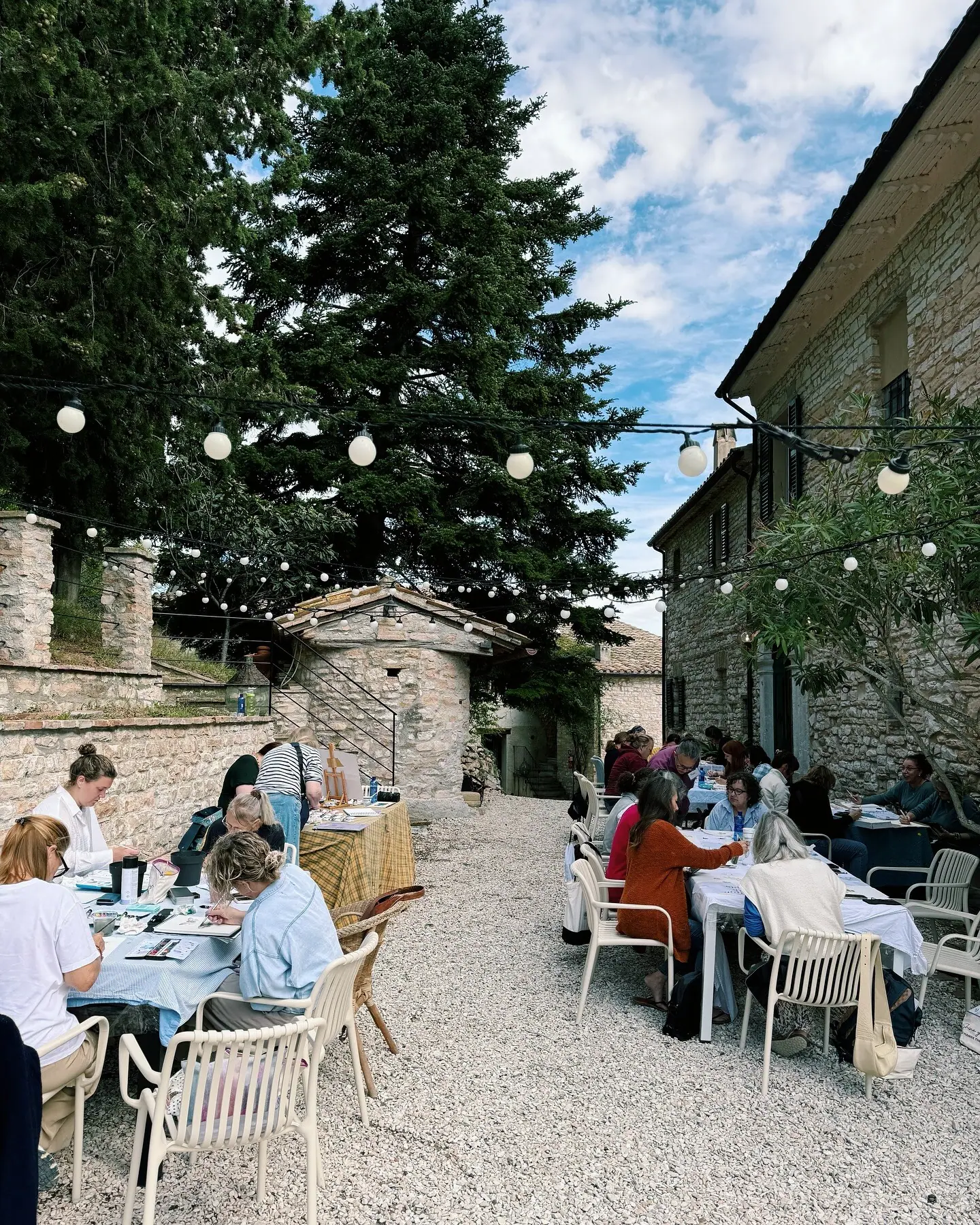
Inspiration is not something you wait for in isolation. It grows through connection, conversation, and shared experience. Your creative journey may begin as a personal one, but it tends to flourish most fully inside a creative community, where you exchange ideas, challenge each other, and keep creating together. Community and collaboration do not sit on the sidelines of your process. They shape it, and once you feel that, creating alone never feels like the only option again.
Here is the thing most artists never get told: the breakthrough you are waiting for in private often arrives faster in company. When you connect with other creatives, inspiration becomes easier to access and far easier to sustain. The rest of this guide walks through why that happens, what collaboration actually does to your work, and practical ways to find your people, starting close to home.
Why does community matter for you as an artist?
Community gives you encouragement, momentum, and a sense of belonging that helps you keep going with your work. Art can be solitary, but it does not have to be lonely, and the difference between the two is usually other people. When you are part of a creative community, the hard days feel less like evidence that you should quit and more like a normal stretch everyone passes through.
Inside a community, a few things become available to you that are genuinely hard to manufacture alone.
- Shared motivation that keeps you consistent. When the people around you are making work, you make work. Momentum becomes contagious, and consistency is the single biggest predictor of whether a beginner becomes an artist.
- New perspectives that break creative blocks. When you are stuck, you cannot see the angle you are missing, but someone else can. A fresh pair of eyes will suggest a direction you would never have reached on your own. If you are deep in a block right now, our guide on how to overcome creative block pairs well with leaning on your people.
- Accountability and encouragement from people who get it. Friends and family love you, but artists understand the specific frustration of a painting that will not resolve. That shared understanding is its own kind of fuel.
Surrounding yourself with other creatives quietly reminds you that challenges are normal, growth is ongoing, and progress rarely happens in isolation.
Does collaboration dilute your personal style?
No. Collaboration usually strengthens your voice instead of diluting it. The fear that working with others will sand off what makes you you is understandable, but the opposite tends to be true. Exchanging feedback, joining a group critique, or working alongside people with different strengths pushes you past your familiar habits and into territory you would not have explored alone.
Through collaboration you learn to communicate your ideas more clearly, to receive constructive feedback and actually apply it, and to experiment with techniques you might never have tried by yourself. None of that erases your style. It clarifies your creative intention, and a clear intention is exactly what a strong personal style is built on. If you want to get sharper at the feedback side of this, how to critique art is worth reading before your next group session, because giving better critique makes you better at receiving it too.
There is a deeper reason this works. Your style is not something you protect by hiding from other artists. It emerges through contact, through being challenged, through seeing how someone else solved a problem you also face. Working with others does not water down your voice. It pressure tests it until you trust it.
What are practical ways to connect and collaborate locally?
Creative collaboration does not have to be complicated or large scale. Some of the most meaningful connections begin close to home, with a single conversation. You do not need a gallery or a network. You need to start one small thing and let it grow.
-1.jpg)
Here are concrete ways to find and build community where you live.
- Join or start an artist meetup. A coffee shop, library, or community center is enough. Meeting even monthly to share work and ideas creates rhythm and relationships.
- Partner with local businesses. Cafes, boutiques, and studios are often glad to display work or host a small exhibition. It gets your art in front of people and connects you with owners who value creativity.
- Collaborate across disciplines. Photographers, writers, musicians, and designers all bring strengths you do not have. An interdisciplinary project stretches you in ways painting alone never will.
- Show up at community art events. Art walks, pop up markets, and local festivals are low pressure ways to meet other makers and be seen.
- Trade skills. Offer or attend skill sharing sessions where you swap techniques, tools, and processes. Teaching what you know is one of the fastest ways to understand it more deeply.
- Volunteer your creative skills. Schools, nonprofits, and community organizations give your practice real world impact and connect you to people you would never otherwise meet.
These experiences build confidence, visibility, and authentic relationships while grounding your art in everyday life rather than in your own head.
How does learning together accelerate your growth?
Learning alongside others makes breakthroughs ripple outward instead of staying locked in one person. This is the quiet superpower of a creative community. Group critiques, ongoing conversations, and shared challenges create space to learn from experiences that are not your own, which means you absorb lessons you would have taken years to stumble into solo.
When you celebrate progress together and navigate obstacles as a group, growth stops feeling like a private struggle and starts feeling achievable. You will notice something strange and wonderful: watching another artist break through often sparks your own breakthrough, and teaching or supporting someone else sharpens your understanding of your own work. The generosity is not a detour from your progress. It is part of how the progress happens. When inspiration runs low, a community is also where you go to refill it, which is part of why finding art inspiration gets so much easier once you are not searching alone.
How does community build the confidence to take risks?
Community does more than inspire creativity. It builds confidence, and confidence is what lets you finally take the creative risks you have been avoiding. When you feel seen and supported, the stakes of trying something bold drop. You are not failing in front of an empty room anymore. You are experimenting in front of people who are cheering for you and experimenting right beside you.
Collaboration reinforces a truth that is hard to hold onto alone: uncertainty is part of the process, not a sign you are doing it wrong. Watching other artists sit with that same uncertainty and keep painting anyway rewires how you relate to your own doubt. This is where community starts to touch identity. Over time, a sense of belonging changes how you approach your work and how you show up creatively. If that quieter voice still whispers that you are not a real artist, our writing on am I an artist and on vulnerability in art goes further into the part of you that the work is really shaping.
Creating together, thriving together
Inspiration thrives where collaboration is encouraged and community is valued. When you connect, share, and support others, you help build an environment where creativity keeps evolving, for you and for everyone around you. Create in isolation and inspiration runs out. Create alongside others and it becomes renewable, refilled every time you show up.
That is the real shift. You do not just grow faster in community. You grow into someone who knows they do not have to do this alone. So find one person, one meetup, one collaboration this week, and start. For a structured, supported way to make your first work with other artists doing the same thing, our free Two Week Challenge is built exactly for that, and the rest of the creative block and identity collection is here when you want to keep going.
Frequently asked questions
Why does community matter for artists?
Community gives you encouragement, momentum, and a sense of belonging that keeps you going with your work. Art can be solitary, but you do not have to create alone. Being around other creatives provides shared motivation, fresh perspectives that break blocks, and accountability from people who understand the artistic path firsthand.
Does collaboration dilute your personal style?
No. Collaboration usually strengthens your voice rather than diluting it. Exchanging feedback, joining group critiques, and working with people who have different strengths pushes you past familiar habits and into new territory. The process helps you communicate your ideas more clearly and clarify your creative intention, which deepens your personal style instead of erasing it.
How do you connect with other creatives locally?
Start close to home and keep it simple. Join or start an artist meetup at a coffee shop, library, or community center. Partner with local cafes or studios to show your work, collaborate with photographers, writers, or musicians on a project, attend art walks and pop up markets, and trade techniques in skill sharing sessions. These build confidence, visibility, and real relationships.
Can being in a community help with creative block?
Yes. New perspectives are one of the fastest ways to break a creative block. When you are stuck, another artist sees an angle you cannot, suggests an approach you would not have tried, and reminds you that getting stuck is normal. Group conversation and critique often shake a problem loose that you could not solve alone at the easel.
How does community build artistic confidence?
Community builds confidence by making you feel seen and supported, which makes you far more willing to take creative risks. When you watch others wrestle with the same uncertainty and keep going, it reframes uncertainty as part of the process rather than proof you are failing. Over time, that sense of belonging changes how you show up to your work.
What to practice this week
- Join or start one small artist meetup this month at a local coffee shop, library, or community center where you can share work regularly.
- Bring one unfinished piece to another artist and ask a single specific question about it instead of a vague does this look good.
- Set up one collaboration with a creative in a different field, a photographer, writer, or musician, and make one small thing together.
Supplies used

About the author
More from ElliKeep learning