Art Inspiration: How to Find Inspiration and Get Back Into Your Creative Groove
Inspiration is not something you wait for. It is something you build. Here is how to create reliable sources of art inspiration and get back to the easel when the well runs dry.
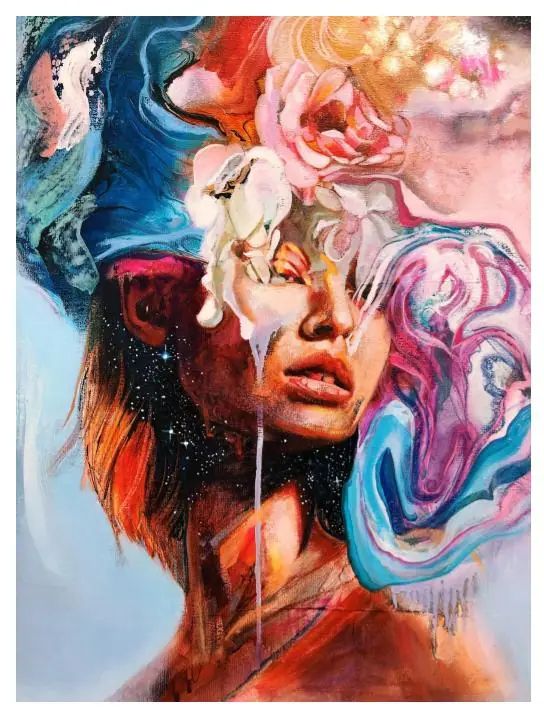

Art inspiration is something you build, not something you wait for. It can strike anywhere: on the drive to an appointment, in line at the grocery store, in bed at 2 a.m. It can also vanish just as fast, which is exactly why the artists who stay inspired do not leave it to chance. They create their own sources of inspiration so the well never fully runs dry. An unaddressed creative block can feel debilitating, but it happens to almost every artist at some point, and the way through it is to build habits that keep ideas flowing before the block ever sets in.
Here is the encouraging part: the system is simple, and you can start it today. Below are four reliable ways to find inspiration as an artist, plus a clear-eyed look at why inspiration fades and how to bring it back. If the deeper problem is a full-blown wall rather than a quiet lull, our guide to how to overcome creative block goes further, and how to get out of an art block covers the fast resets. Otherwise, keep reading.
Where do artists actually get their inspiration?
Artists get their inspiration far less from sudden flashes than from systems they build on purpose. The romantic idea is that a great image arrives fully formed and you simply chase it onto the canvas. The truth is steadier and more reliable: inspiration tends to show up because you went looking for it, set up the conditions for it, and kept returning to the work. The painters who never seem to run out of ideas are not luckier than you. They have just built sources they can draw from on demand.
That reframe matters because it puts you in control. If inspiration were pure luck, a dry spell would be permanent until lightning struck again. Because it is mostly a system, a dry spell is just a sign that one of your sources has gone empty and needs refilling. The four practices below are how you keep all of them full.
How do you build a stockpile of art inspiration?
Build a stockpile of inspiration by collecting images that speak to you long before you need them. The single most useful habit an artist can keep is a growing file of source material: photographs that stop you, color combinations you love, compositions you want to study, scenes you mean to paint someday. When the creative well seems empty, you do not have to summon an idea from nothing. You open the file and let something there pull you back to the easel.
These images can come from your own photographic sources or from ideas you have developed loosely in a sketchbook. The key is to gather them with intention rather than scrambling for a subject in the moment. For a practical system on sourcing and organizing your own painting references the right way, see reference photos for painting.
Then organize the stockpile so it actually helps you. Catalogue images by subject matter, by world culture, by style or design, or simply by the mood they carry. Better yet, mix and match across those categories to shake something loose: a color palette from one photo, a composition from another, a subject from a third. A well-kept inspiration file is not a folder you forget about. It is a tool you reach for the instant momentum stalls.
How does a painting schedule create inspiration?
A painting schedule creates inspiration because working consistently generates more ideas than waiting ever will. We tell our students in the Mastery Program to set a schedule and treat painting like a job: same time each week, on the calendar, non-negotiable. Inspiration then arrives as a byproduct of simply being at the easel with materials in front of you, instead of as a precondition you have to feel before you begin.
This works for two reasons. First, it builds a habit, and once the habit is ingrained, following through stops requiring willpower. Painting becomes part of your routine, as automatic as brushing your teeth or eating breakfast. Second, momentum compounds. You may sit down meaning to work for fifteen minutes and look up an hour later, because starting was the only hard part. Most professional artists work something close to a forty-hour week, and they got there by building from short, regular sessions into longer ones, not by waiting to feel like it. If you want your schedule to point somewhere instead of just filling time, pairing it with SMART goals for artists and creatives turns a vague routine into real direction.
Why does keeping your studio ready matter so much?
Keeping your studio set up and ready matters because every bit of friction between you and the work makes it more likely you will skip the session entirely. The more effort it takes to start a painting, the easier it is to put it off. When you already do not feel like painting, the thought of dragging out an easel, organizing your paints, and hunting for a suitable surface is often enough to kill the impulse before it forms.
So remove that friction in advance. Leave your easel standing, your palette within reach, a surface ready to go, and your most-used colors where your hand already expects them. The goal is to make starting almost effortless, because the moment of beginning is where most sessions are won or lost. A studio that is always ready quietly turns a vague intention into an actual painting. For more on building habits and a workspace that keeps you returning to the easel, see our guide to studio practices.
How do you refill the well when inspiration runs dry?
You refill the well by deliberately making time for fun, no-pressure creating. Inspiration for artists who only ever work on class assignments and commissions tends to fade, and it is not because those artists stopped loving art. It is that having to make something can quietly drain the joy out of it, even something as freeing as painting. When every project carries an obligation, the part of you that creates for pure love gets buried.
The remedy is to schedule play on purpose. Make a piece for an art challenge. Try some unfamiliar art supplies just to see what they do. Start an art journal with no rules. Paint fan art of a character from a movie or book you love. These projects inspire you and exercise your creative muscles at the same time, precisely because nothing is riding on them. If you need a running list of low-stakes prompts to pull from, winter drawing ideas is full of simple subjects to start with. The point is to remind yourself that art was fun before it was ever serious, and that the fun is what keeps the well full.
What if the block is bigger than a dry spell?
Sometimes what looks like missing inspiration is really something deeper, and it helps to name that honestly. A short lull responds well to the four practices above: build your image file, set a schedule, ready your studio, and make time for play. But if you have been stuck for weeks, dread the easel, or feel like you have lost your reason to make art at all, that is a different problem and deserves a different answer. Our writing on creative block and identity goes into that fuller territory, where the issue is less about ideas and more about how you see yourself as an artist.
For everyday dry spells, though, trust the system. Finding sources of inspiration for your next pieces is what prevents creative block before it takes hold and keeps you making meaningful work for yourself and for the people who collect it. Having go-to solutions for getting over the creative hump is what lets you feel empowered instead of stuck, and gets you back to your easel again. None of it depends on lightning striking. It depends on the file you keep, the schedule you protect, the studio you leave ready, and the play you let yourself have.
If you want a structured, supported way to put all of this into practice, our free Two Week Challenge gives you a reason to show up at the easel every day with a clear thing to make, which is inspiration’s favorite condition. And when you want to keep going, the rest of our creative block and identity collection is here. Inspiration was never the thing you lacked. It was only waiting for you to build the system that keeps it coming.
Frequently asked questions
Where do artists get their inspiration?
Artists get inspiration far less from sudden flashes than from systems they build on purpose. They keep files of reference images, sketchbooks of half-formed ideas, and a regular painting routine that lets ideas surface through the work itself. The reliable secret is that working consistently generates more inspiration than waiting for it ever will.
How do I find inspiration to paint when I feel stuck?
Start before you feel inspired, not after. Open your stockpile of reference images, pick one that pulls at you, and make a single small mark. Most creative blocks loosen the moment you begin, because momentum, not motivation, is what carries a session. Keeping your studio set up and ready removes the friction that keeps you from starting at all.
What are some good art inspiration ideas?
Collect photos and source images that speak to you, organized by subject, color, or culture. Develop loose ideas in a sketchbook you keep nearby. Try a painting challenge, experiment with an unfamiliar medium, make an art journal, or paint fan art of something you love. Low-pressure, playful projects refill the creative well faster than serious commission work does.
Why do I lose my artistic inspiration?
Inspiration usually fades when every project becomes an obligation. Class assignments, commissions, and work made to impress others slowly drain the joy that drew you to art in the first place. The fix is to deliberately protect time for fun, unrequired creating, so the part of you that makes art for love does not get buried under the part that makes art for a deadline.
How do I stay consistently inspired as an artist?
Build a routine instead of relying on mood. Set a weekly painting schedule and treat it like a job, keep your space ready so starting takes no effort, maintain a growing library of source images, and mix in fun projects to keep things fresh. Inspiration becomes dependable once it has a system to live inside.
What to practice this week
- Start an inspiration file today: save ten images that pull at you, organized by subject, color, or mood, so you always have somewhere to begin.
- Set one fixed painting appointment this week and keep it like a job, even if you only work for fifteen minutes.
- Pick one fun, no-pressure project, a challenge piece, fan art, or a new medium, and make it purely for joy.
Supplies used
About the author
More from ElliKeep learning