When Art Was an Olympic Sport: The Forgotten Years Painting Won Medals
For nearly four decades the Olympics handed out medals for art. Painters, sculptors, and architects competed alongside runners and swimmers. Here is the strange, true story.

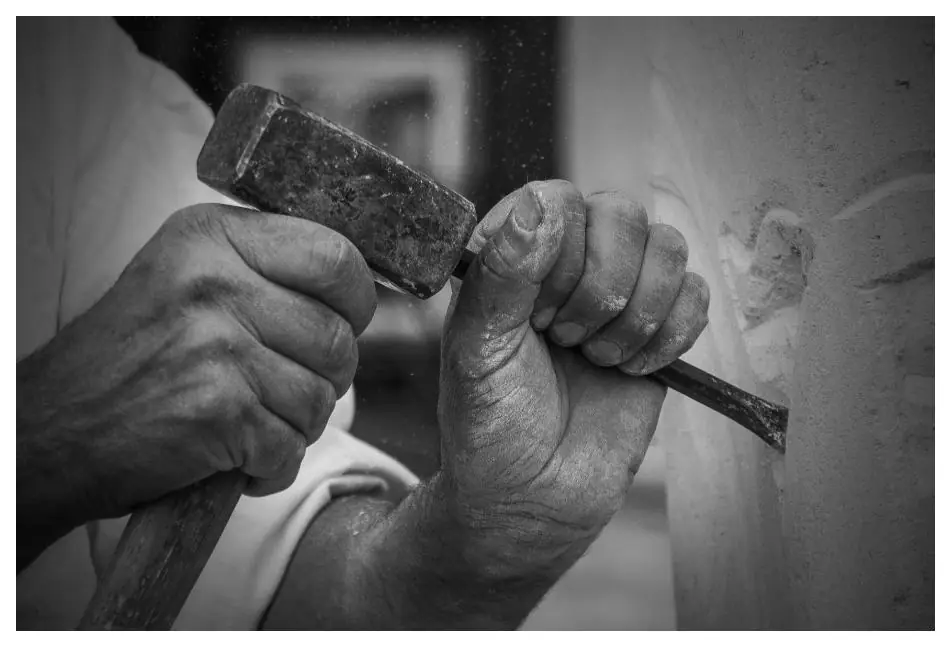
For nearly four decades, the Olympic Games handed out medals for art. From 1912 to 1948, painters, sculptors, architects, writers, and composers competed for gold, silver, and bronze right alongside the runners and the swimmers. It sounds invented, but it is true. Painting was, for a while, an Olympic event, and the works were judged, ranked, and medaled like any race.
It is a fitting piece of history for anyone learning to paint, because the whole idea rested on a belief most artists feel in their bones: that mastering an art form is a heroic effort, every bit as demanding as athletic training. In the Mastery Program, students paint for weeks on end to build a cohesive portfolio, like they are training for an event. Once, that comparison was literal. Here is the forgotten story.
Was art ever really an Olympic sport?
Yes, art was a genuine Olympic event with real medals from 1912 to 1948. During this stretch of the early 20th century, the International Olympic Games included official competitions in five categories: painting, sculpture, architecture, literature, and music. These were not side exhibitions or honorary mentions. Artists submitted work, panels of judges scored it, and the winners stood on the same kind of podium as the athletes.
The arts appeared at seven editions of the Summer Games before they were retired. So for a span longer than most modern careers, an ambitious painter could, in theory, aim for an Olympic gold the same way a sprinter did. The path was different, the training was different, but the prize was the same.
Why did the Olympics include art competitions?
The art medals existed because of one man’s conviction that the Games should celebrate the whole human being. Pierre de Coubertin, the French baron who revived the modern Olympics, believed the event should unite, in his words, muscle and mind. He looked back to the ancient Greek games, where physical contest and artistic achievement were woven together, and wanted the modern revival to honor both.
True to that theme, the rules carried one memorable condition. Every Olympic art entry had to embrace sport in some way. A painting, a sculpture, a poem, a building design: whatever the medium, the subject had to connect to the spirit of athletic competition. The result was a body of work that fused two worlds most people keep separate, the artist and the athlete, the studio and the stadium. For more on why this kind of history is worth knowing, see why study art history.
Who were the Olympians who were both artists and athletes?
Two competitors managed the rarest feat of all: medaling in both sport and art. Most Olympians, then and now, are known for excelling in a single field. These two crossed the line between body and craft.
The first was Alfred Hajos of Hungary. He earned Olympic gold as a swimmer, then years later won a silver medal in architecture for designing a swimming stadium. The man who once raced through the water came back to design the very kind of place where others would race after him.
The second was Walter Winans, an American who won medals in both sculpture and shooting. According to AskArt.com, he earned a gold medal at the 1912 Stockholm Olympics for his bronze sculpture, An American Trotter. He also went on to write ten books. A marksman, a sculptor, and an author in one life, which is a useful reminder that a single creative identity is rarely the whole story.
What does this history teach a working artist today?
It teaches that artistic mastery has long been seen as a heroic pursuit, worth the same respect as any athletic feat. Stripped of the medals and the ceremony, that is the real lesson under this odd chapter of history. Long before any of us picked up a brush, people understood that reaching the top of an art form takes the same discipline, patience, and daily training as reaching the top of a sport.
That reframe changes how you treat your own practice. An athlete does not expect to win a race on raw talent and no training, and a painter should not expect to master color or value any other way. The work is the path. If the mindset shift you need is less about hours and more about identity, our piece on is art a skill or talent takes that question apart honestly. And if you want to turn the athletic comparison into an actual plan, these SMART goals for artists and creatives help you set targets you can train toward.
How do you train for art the way an athlete trains for a sport?
You build a repeatable practice and measure your progress, exactly the way a competitor does. The Olympic athlete does not improve by waiting for inspiration. They show up, work a defined plan, and track whether they got better. The same approach moves a painter further than talent ever will.
Start by treating a stretch of time like a training block. Pick one subject and paint it daily for two weeks instead of chasing a different idea every session. Set one clear, finishable goal each time you sit down, so you can tell whether you made progress or just put in time. And study the artists you admire long enough to learn how long their mastery actually took, which resets the impatience that makes so many beginners quit early. The habits that hold all of this together are the same ones in any serious studio practice.
This is also why the Mastery Program asks students to paint for weeks on end to build a cohesive portfolio. It is training, plain and simple. The marathon of work is not busywork. It is the artist’s version of a season, the deliberate accumulation of reps that turns a beginner into someone with real command of their craft.
A note on the heroic effort
The Olympics constitute a heroic effort to reach the pinnacle in sport, and for thirty-six years they extended that same honor to art. The medals are gone now, retired after the 1948 Games, but the attitude behind them is worth keeping. Artistic mastery deserves to be celebrated, and it asks the same thing of you that any great pursuit does: that you challenge yourself each day to master your own process, Olympics or not.
If that idea moves you, the most concrete next step is to start training. Our free Two Week Challenge is a guided way to make real paintings instead of just reading about the history of them, a fitting two-week block for an artist who wants to begin. And the rest of our creative block and identity collection is here for the days when the effort feels heavier than the inspiration.
Frequently asked questions
Was art ever an Olympic sport?
Yes. From 1912 to 1948, the modern Olympic Games awarded official medals in five art categories: painting, sculpture, architecture, literature, and music. Competitors created works inspired by sport, and their pieces were judged and medaled just like athletic events. The arts were dropped after the 1948 London Games. One commonly cited reason was a dispute over amateurism, since Olympic competitors were expected to be amateurs.
When was art part of the Olympics?
Art competitions were part of the Olympics from the 1912 Stockholm Games through the 1948 London Games, a span of about 36 years. They appeared at seven editions of the Summer Games. After 1948 the medal events came to an end.
Why did the Olympics include art competitions?
Pierre de Coubertin, the French baron who revived the modern Olympics, believed the Games should unite muscle and mind, body and spirit, the way the ancient Greek games did. He pushed for medals in painting, sculpture, architecture, literature, and music so that artists could compete alongside athletes and the Olympics would celebrate the whole human being, not just physical strength.
Did any athlete win a medal in both sport and art?
Yes, two. Hungarian swimmer Alfred Hajos won Olympic gold in swimming and later a silver medal in architecture for a stadium design. American Walter Winans won gold in sculpture in 1912 and also medaled in shooting. They remain rare examples of people who reached the podium in both physical and artistic disciplines.
Why are there no longer art competitions in the Olympics?
The art medals were retired after the 1948 London Games. One commonly cited reason is a dispute over amateurism: Olympic competitors at the time were expected to be amateurs, while many of the artists who entered worked professionally. Whatever the mix of reasons, the art competitions did not return as medal events after 1948.
What to practice this week
- Treat one focused painting stretch like training: pick a single subject and paint it daily for two weeks to build skill the way an athlete builds a season.
- Set one clear, finishable goal for your next session, the way a competitor sets a target, so you measure progress instead of drifting.
- Study one historical artist this week and note how long their mastery actually took, to reset your sense of what real progress looks like.
Supplies used
About the author
More from ElliKeep learning