How to See and Speak Like an Artist: Building Your Visual Language From Art Movements
Your style is not something you wait to discover. It is something you build by understanding how art movements work and consciously borrowing the parts that fit you.
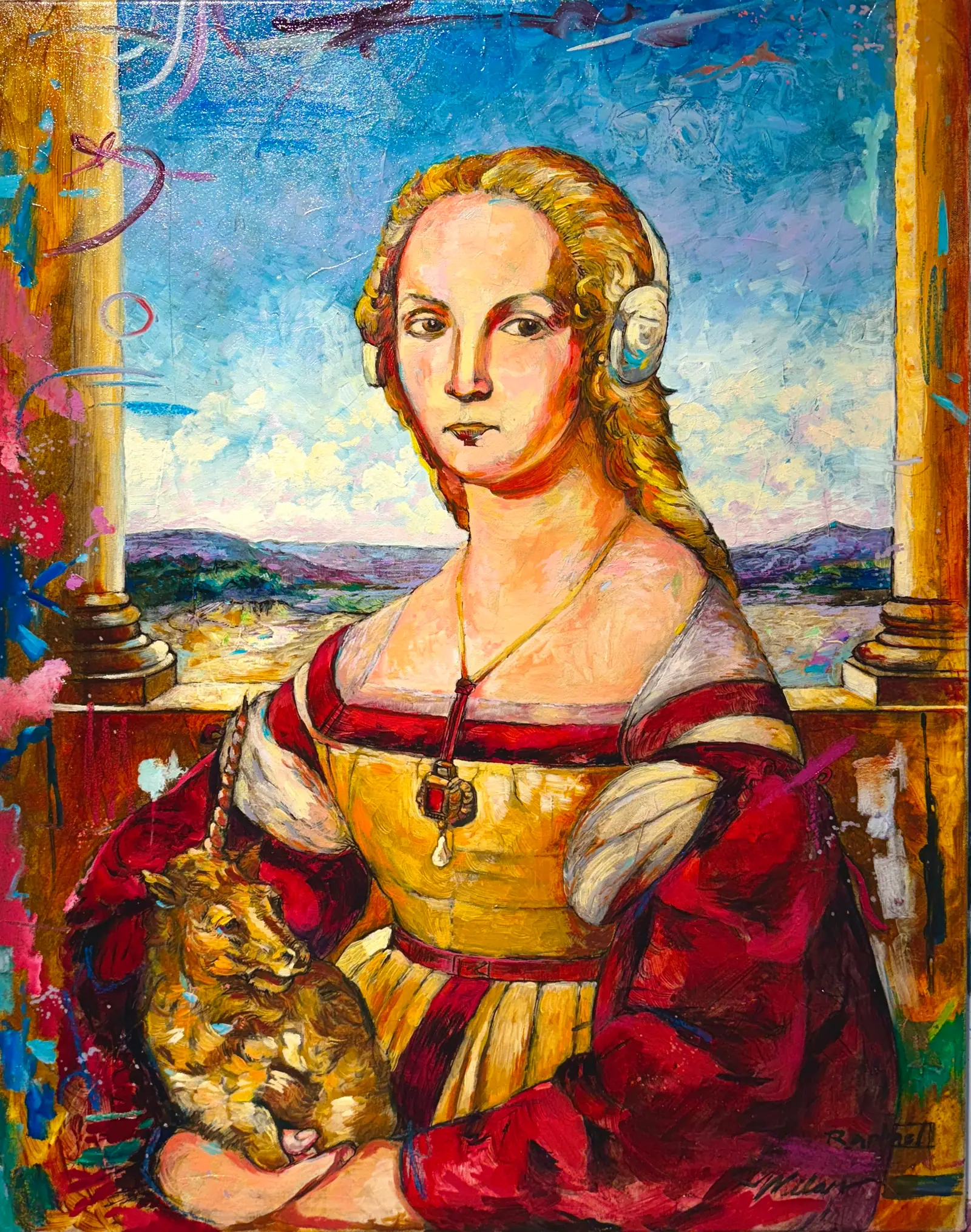
To see and speak like an artist, stop treating art movements as history and start treating them as a toolkit. Renaissance, Impressionism, Expressionism, Surrealism, Abstract, Cubism, and Minimalism each carry a visual language you can consciously borrow from. When you understand how a movement makes its choices, you can pull those choices into your own work on purpose, and your style stops being something you wait for and becomes something you build.
If you have ever wondered why certain artworks feel deeply aligned with you while others leave you cold, the answer often lives in these movements and the visual language they carry. Each one is more than a category on a museum wall. It is a set of ideas, aesthetics, and emotional approaches you can reach into to shape your own work. When you begin to understand how these influences steer your choices, your paintings become more intentional, more personal, and more powerful. Let us take a deeper look at how each movement can sharpen your eye and your voice.
How does the Renaissance teach mastery of form and structure?
The Renaissance gives you control, and control is the backbone of any visual language. This is where many foundational artistic principles were refined, as artists focused on anatomy, perspective, proportion, and realism.
The hallmarks are accurate human anatomy, linear perspective, balanced compositions, and soft, controlled shading. Studying this work strengthens your technical foundation even if you never intend to paint realistically. Once you understand structure, you can distort or simplify it with confidence. Your figures feel more believable even when stylized, your compositions feel grounded and intentional, and your lighting becomes more convincing. The grammar underneath all of this is the 7 elements of art, and the Renaissance is one of the clearest places to see them used well.
How does Impressionism change the way you capture light?
Impressionism shifts your focus from perfect detail to the experience of a moment. Instead of rendering every edge, you start chasing the feeling of light as it actually falls.
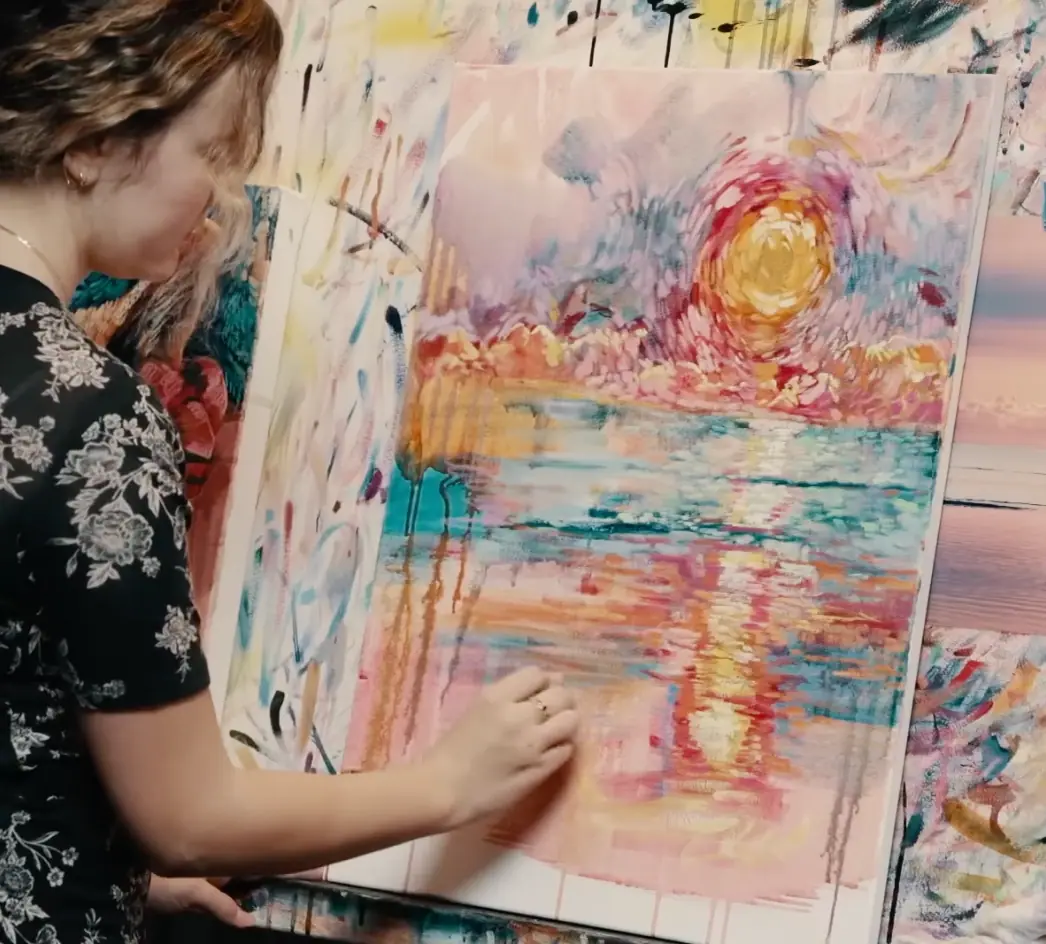
The signatures are visible brushstrokes, a focus on light and atmosphere, everyday subject matter, and color used to suggest form rather than define it. This movement encourages you to loosen up. Rather than overworking details, you begin to prioritize feeling, which shows up as more expressive brushwork, a focus on color relationships instead of outlines, and a willingness to leave areas unresolved. It teaches you to trust your perception and embrace imperfection. If you want to go further here, 4 tips for painting like an impressionist breaks down the technique.
How does Expressionism put emotion over accuracy?
Expressionism gives you permission to exaggerate. These artists pushed beyond observation into raw emotional expression, and that permission can transform timid work.
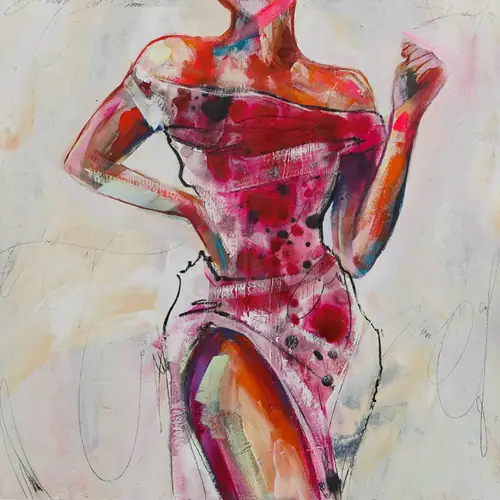
You will recognize it by distorted forms, bold and often unnatural color, dramatic contrast, and an intense emotional tone. The shift it creates in you is subtle but huge. Instead of asking, is this realistic, you start asking, does this feel right. That question leads to stronger emotional impact, more daring color choices, and dynamic, energetic compositions. It is especially powerful when your goal is to communicate mood or inner experience rather than to copy what is in front of you.
How does Surrealism unlock the language of the subconscious?
Surrealism expands your imagination by diving into dreams, symbolism, and the irrational. It is where impossible scenes get rendered with total conviction.
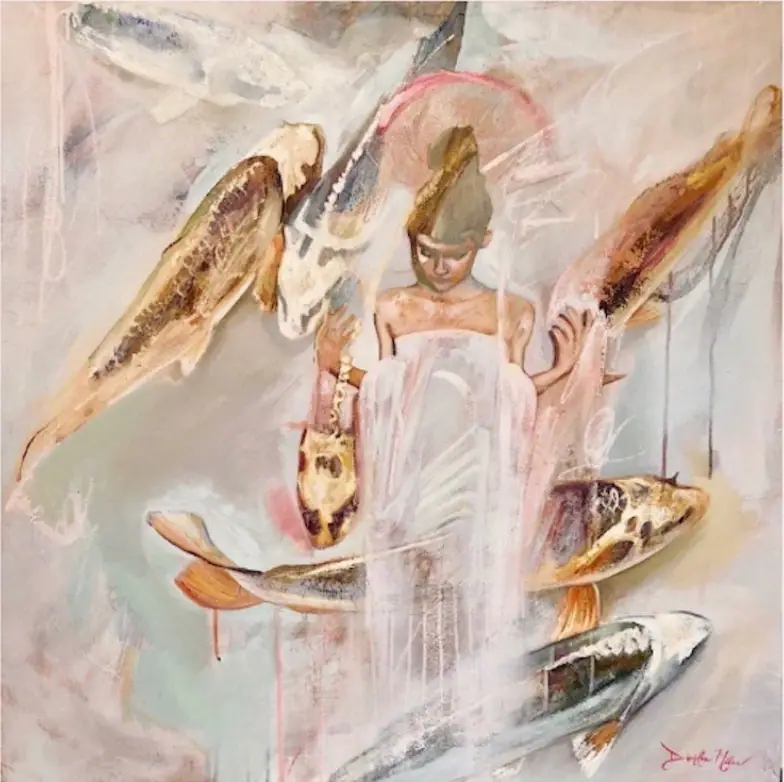
The traits are unexpected combinations, dreamlike imagery, symbolic objects, and realistic rendering of impossible scenes. As this movement works on you, you begin to combine unrelated elements into meaningful compositions, use symbolism to tell deeper stories, and explore personal themes and subconscious ideas. It is a gateway to a narrative-driven visual language, the kind that gives a viewer something to decode. If you want to understand the movement itself more deeply, here is what surrealism is and the dreamlike world it opened up.
How does Abstract art free you from representation?
Abstract art trains you to think in pure visual terms by removing the need to depict reality at all. Once the subject is gone, all that is left is the language itself.
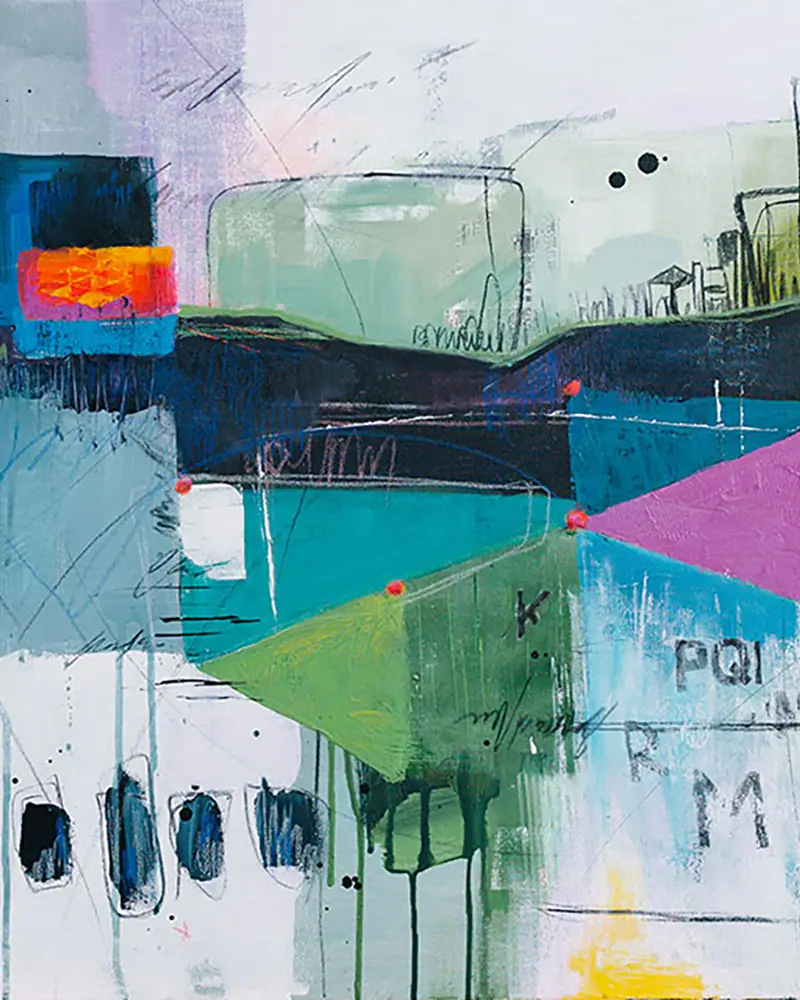
This work lives on shape, color, and composition, on non-representational forms, on rhythm and balance, and on emotional or conceptual intent. The practice of it makes you pay close attention to how colors interact, how shapes guide the viewer’s eye, and how composition alone can create meaning. Even if you work representationally, that awareness elevates your design and your clarity. The deeper you go, the more composition in art becomes the thing you are actually painting.
How does Cubism teach you to see from multiple perspectives?
Cubism sharpens your understanding of form by breaking objects into geometric pieces and showing several viewpoints at once. It is structure taken apart and reassembled.
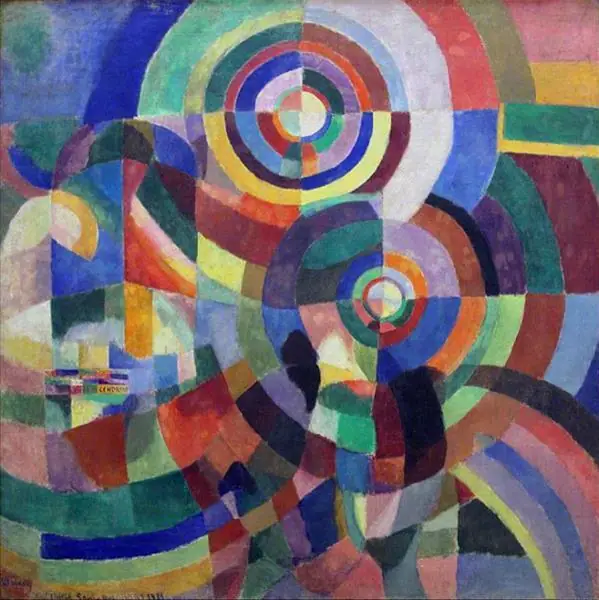
You will spot it through fragmented forms, overlapping planes, limited color palettes, and an analytical approach to structure. When this approach influences you, you begin to simplify complex subjects into basic shapes, experiment with perspective, and create more dynamic compositions. It is especially useful for developing stylization and abstraction while keeping a sense of underlying structure, which is a hard balance to strike on your own.
How does Minimalism prove the power of less?
Minimalism teaches restraint. It strips away excess to focus on what truly matters, and that discipline can make every other choice in your work louder.
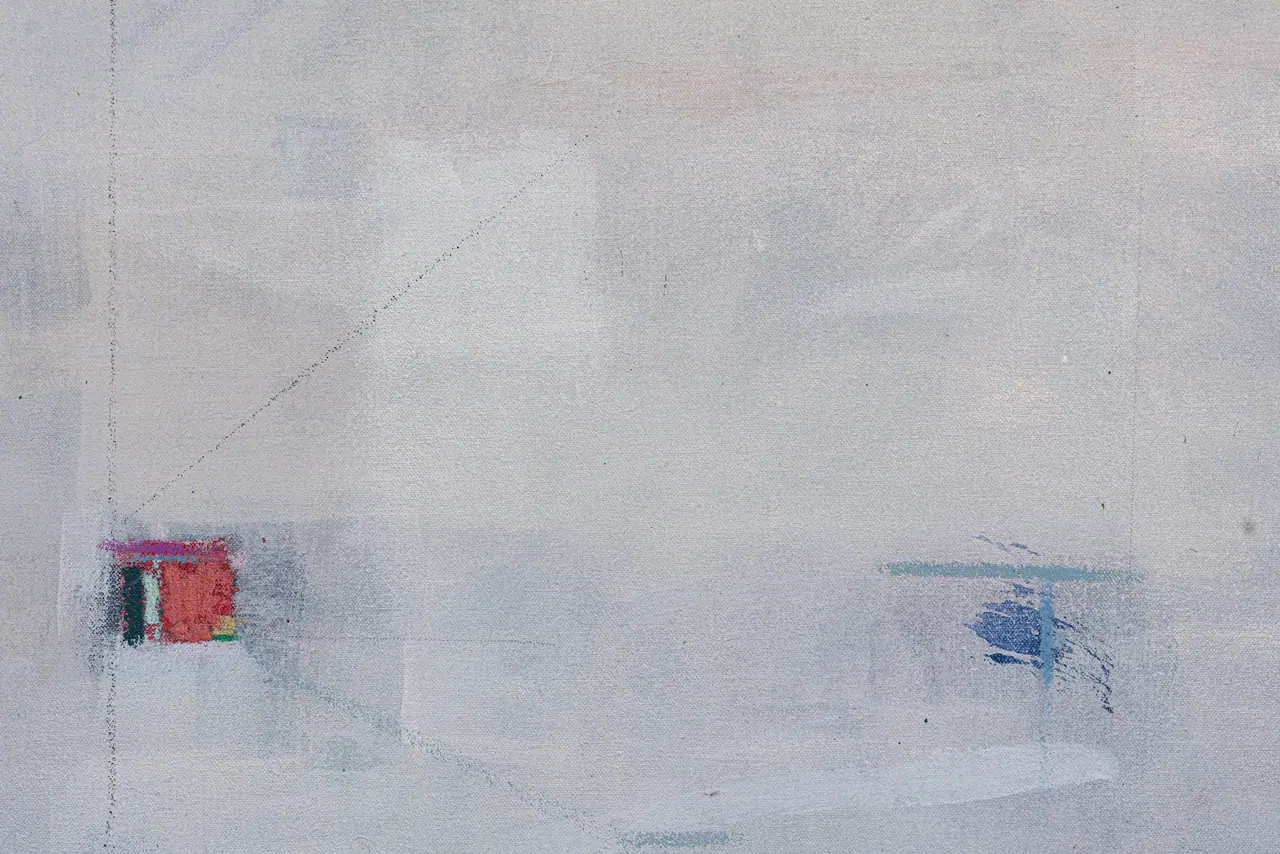
It is built on a limited color palette, simple shapes, clean compositions, and an emphasis on space. Instead of adding more, you start asking what you can remove and what is truly essential. The result is stronger focal points, clearer communication, and more intentional design choices. Minimalism is often the movement that finally teaches busy painters to stop, and it pairs surprisingly well with louder influences as a counterweight.
Where does your own voice actually emerge?
Your voice emerges in the blend. Today, artists are not confined to one movement, and the most compelling work often comes from combining influences rather than picking a single lane.
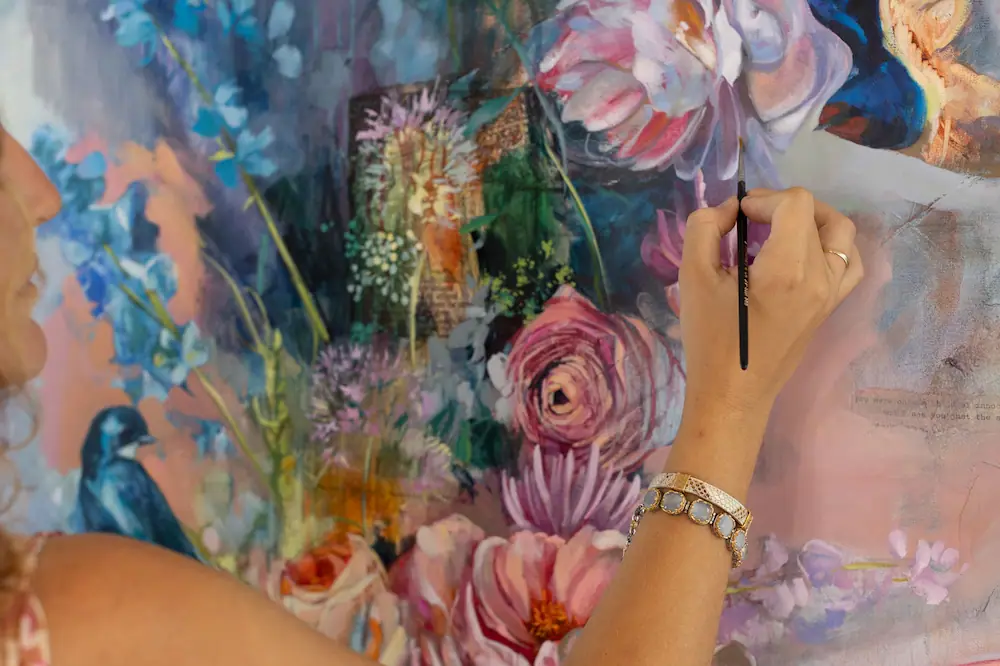
You might use Renaissance structure with Expressionist color, combine Surrealist concepts with Minimalist composition, or apply Impressionist brushwork to abstract ideas. This fusion is exactly where your personal visual language begins to solidify. Understanding movements is only useful if you apply them, so try this: pick one movement and create a piece inspired by it, then create another that combines two, and reflect honestly on what felt natural and what did not. Over time you will notice patterns in what you are drawn to. That is your art style revealing itself.
Quick Answer
To see and speak like an artist, treat art movements as a toolkit rather than history. Each one (Renaissance, Impressionism, Expressionism, Surrealism, Abstract, Cubism, Minimalism) carries a visual language you can borrow. Study how a movement makes its choices, try one in your own work, then blend influences until a style that sounds like you emerges from the practice.
Your style is built, not found
Many artists wait for their style to appear. In reality, it is something you build through exploration, study, and repetition. Art movements give you a starting point, and your choices, preferences, and experiences shape the outcome. The more consciously you engage with these influences, the faster your visual language evolves.
So pick the movement that pulls at you, make something inspired by it this week, then make a second piece that blends two. If you want a structured, supported way to take that first step and start building a confident artistic voice, our free Two Week Challenge is built for exactly that. When you are ready to go further into the deeper question of who you are becoming as an artist, the rest of our creative block and identity collection is here when you want to keep going.
Frequently asked questions
How do art movements influence your style?
Each art movement is a toolkit of ideas, aesthetics, and emotional approaches you can consciously borrow from. When you understand how a movement makes its choices about form, color, and composition, you can pull those choices into your own work on purpose. Over time, the influences you keep reaching for reveal the visual language that is becoming yours.
What is a visual language in art?
A visual language is the consistent set of choices an artist makes about form, color, mark, composition, and subject. It is how a painting speaks before anyone reads a single word. You build yours the same way you learn a spoken language: by studying how others use it, imitating pieces of it, and slowly combining them into something that sounds like you.
Which art movement should I start with to develop my style?
Start with the movement that already pulls at you, then study why it does. Renaissance teaches structure and control, Impressionism teaches light and looseness, Expressionism teaches emotion over accuracy, and Abstract teaches pure visual relationships. There is no wrong door. Pick one, make a piece inspired by it, and pay attention to what felt natural.
How do you blend influences from different art movements?
Blending starts once you understand each movement on its own. You might pair Renaissance structure with Expressionist color, or Surrealist concepts with Minimalist composition. Make one piece inspired by a single movement, then a second that combines two, and notice which fusion feels right. That fusion is where your personal visual language begins to solidify.
Is your art style something you find or something you build?
You build it. Many artists wait for a style to appear on its own, but style is the result of exploration, study, and repetition. Art movements give you a starting point, and your choices, preferences, and experiences shape the outcome. The more consciously you engage with these influences, the faster your visual language evolves.
What to practice this week
- Pick one art movement that pulls at you and make a single piece inspired by it, paying attention to what felt natural and what did not.
- Make a second piece that combines two movements, for example Renaissance structure with Expressionist color, and notice which fusion feels like you.
- Keep a running note of the influences you reach for again and again. The pattern that emerges is your style revealing itself.
Supplies used
About the author
More from ElliKeep learning