How to Choose a Strong Painting Reference (Before You Touch the Canvas)
Your painting can only rise to the level of the reference you choose. Here is how to read a source image for value, light, composition, and focal point before you mix a single color.

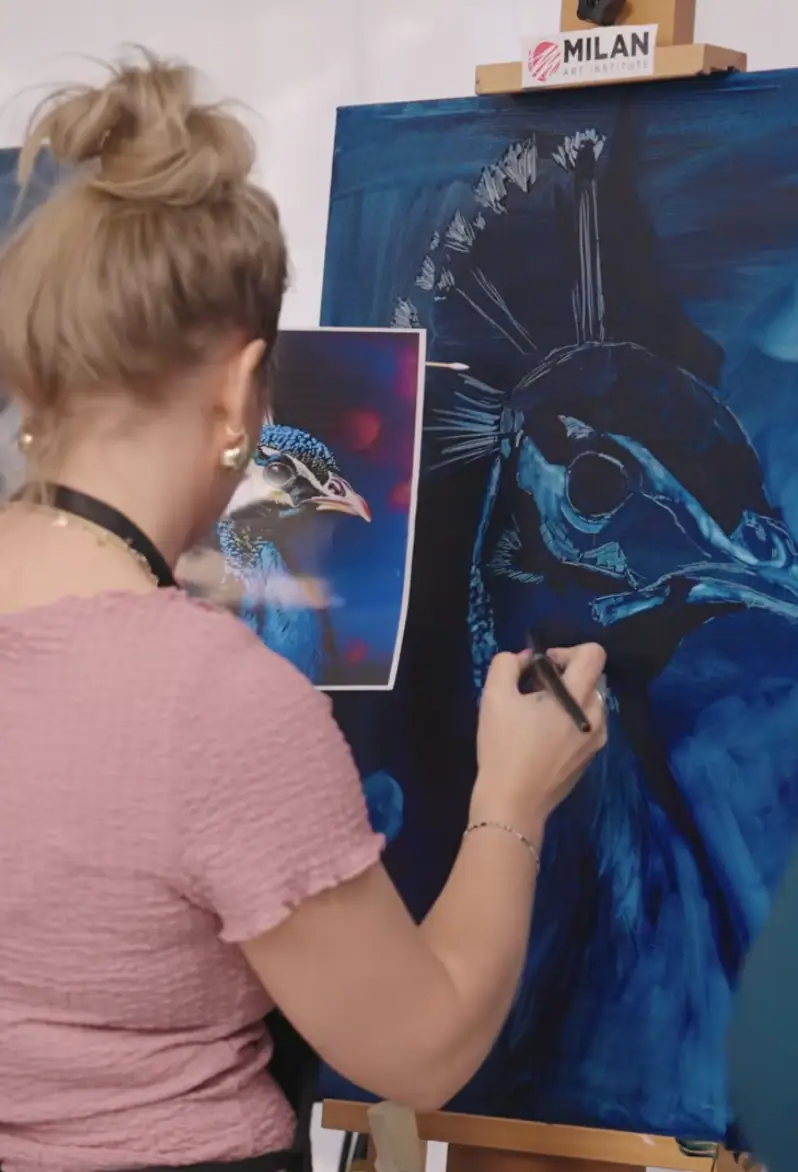
To choose a strong painting reference, read the source image for four things before you mix a single color: a clear value structure, one dominant directional light, an intentional composition, and a single obvious subject. A reference with all four supports your decisions. A reference without them forces you to guess at values, invent structure, and fight a cluttered frame. This is why your painting can only rise to the level of the reference you choose, and why so much of mastery happens before the first brushstroke.
There is a quiet moment before every painting begins. No brush has touched the surface, no color has been mixed, and yet the outcome is already being shaped. That moment is when you choose your reference. The artists who thrive do not just paint well. They choose wisely, and their success starts before the first stroke.
Why does your reference matter more than your skill?
Your reference sets the ceiling, because even advanced painters struggle when they work from weak source material. Many artists believe skill alone decides the result, but a poor reference quietly sabotages a skilled hand. It forces you to guess at values, invent structure that is not there, compensate for bad lighting, and fight a cluttered composition the whole way through.
A strong reference does the opposite. It clarifies, it simplifies, and it strengthens your decisions instead of undermining them. Mastery is not about working harder from a bad photo. It is about working intelligently from a good one, from the very beginning.
What are the four pillars of a strong reference?
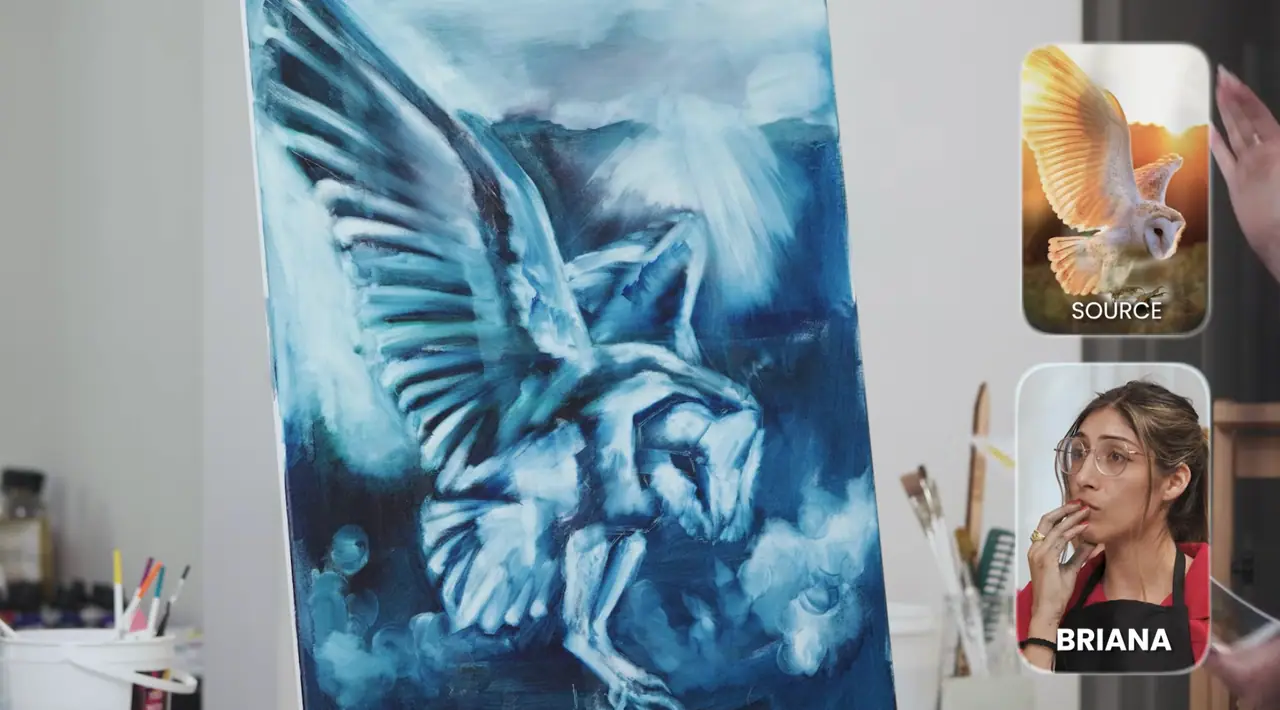
A strong reference has clear value structure, strong directional light, intentional composition, and one obvious focal point. Train your eye to look for these four foundational elements in any source image, and most weak references will disqualify themselves quickly.
- Clear value structure. Value is the backbone of visual impact, and it does more work than color. Before you think about color, detail, or brushwork, ask whether you can clearly see the separation between light and shadow. Try the squint test: squint until the detail blurs and check whether the shapes group into three or four clear value masses with a readable pattern of light. If everything falls into one mid-tone gray, the painting will lack power no matter how beautifully you render it.
- Strong, directional light. Light is what gives form, dimension, and emotion. Look for one dominant light source, clear shadow shapes, defined highlights, and noticeable contrast. Avoid references with flat, even lighting, because without contrast there is no drama, and without drama there is no visual hierarchy. Dramatic light does half the work for you when you choose it well.
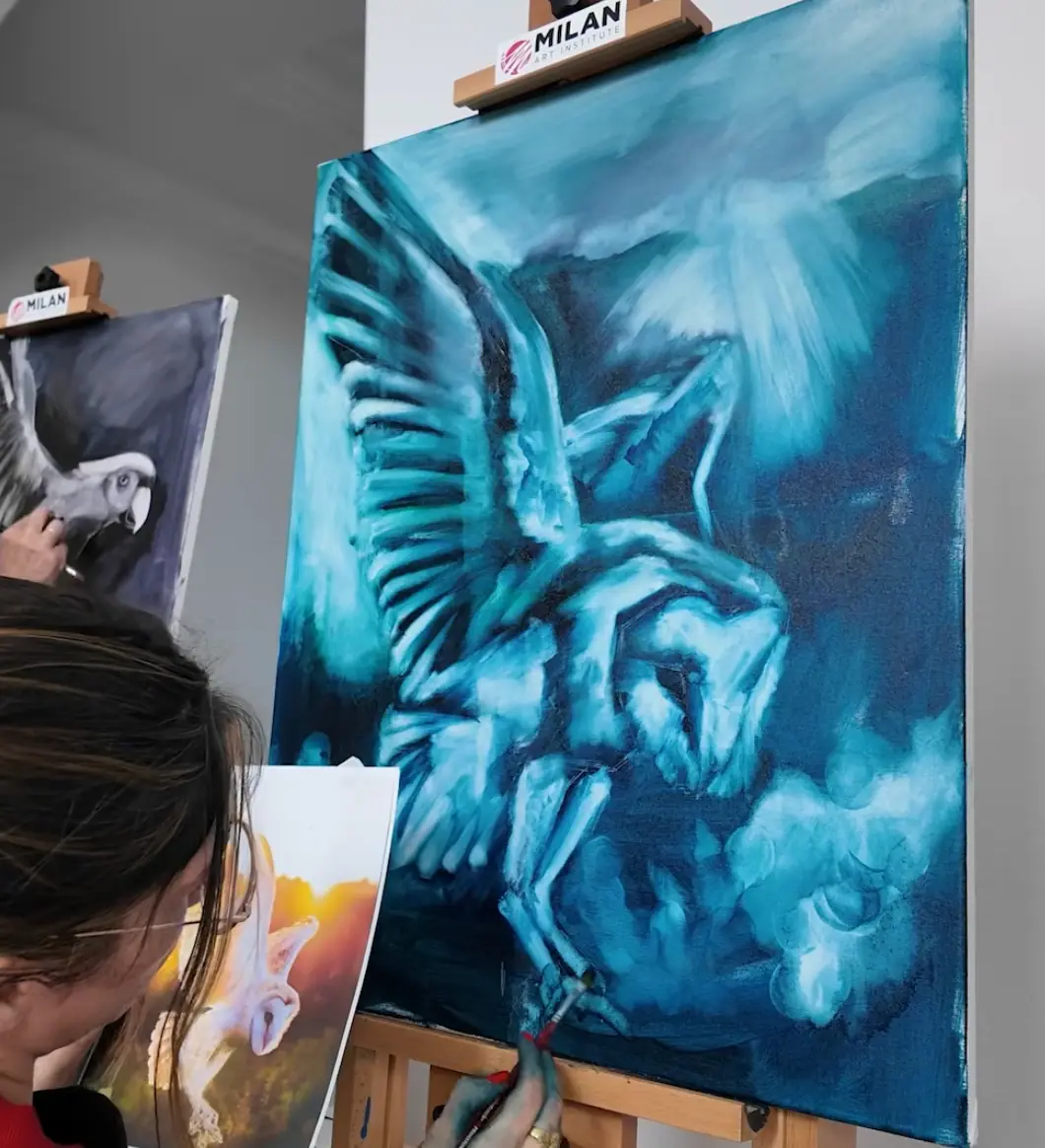
- Intentional composition. A powerful painting is a designed experience, not a copy of a photo, so your reference should support design. Look for a clear focal area, balanced negative space, strong silhouette shapes, and cropping that eliminates distractions and tangent edges. Avoid busy backgrounds and unnecessary detail, because complexity without structure only creates confusion. The skilled artist simplifies first and builds complexity later.
- A clear focal point. Ask yourself one essential question: what is this painting about? If you cannot answer in a single sentence, the image may lack clarity. Strong references have one dominant subject, supporting elements that enhance rather than compete, and a clear visual hierarchy. When time is limited, clarity wins over ambition every time.
For the deeper foundations under these four pillars, the 7 elements of art covers value, shape, and the rest of the visual grammar that good references put to work. And if you want the full treatment of designing the frame itself, here is how to create a good composition in art.
What common mistakes weaken a reference choice?
Even talented artists fall into a handful of avoidable traps, and naming them now is the easiest way to sidestep them later.
- Choosing sentimental images. Emotional attachment to a photo does not equal strong structure. The picture of your dog in flat backyard light may mean everything to you and still be a weak reference to paint from.
- Choosing overly detailed photos. Too much information slows your process and encourages overworking. A simpler image leaves you room to design rather than transcribe.
- Choosing low-quality images. Blurry or poorly lit photos force guesswork, and guesswork weakens your confidence at every step. Working from a sharp, well lit source removes a problem you never needed to have.
- Ignoring value contrast. Beautiful color cannot compensate for weak value design. If you only remember one thing, remember that value reads first and carries the painting.
What is a quick pre-painting checklist?
Before you commit to a reference, pause and run a short checklist. Ask whether you can clearly identify light and shadow, whether there is one dominant light source, whether the composition feels intentional, whether the focal point is obvious, and whether you can simplify the image into three to five major shapes. If most of those answers are no, keep looking.
This single decision can save you hours and dramatically elevate your final result. It is the difference between hoping your painting will work and knowing it will, because you stacked the odds in your favor before you ever picked up a brush.
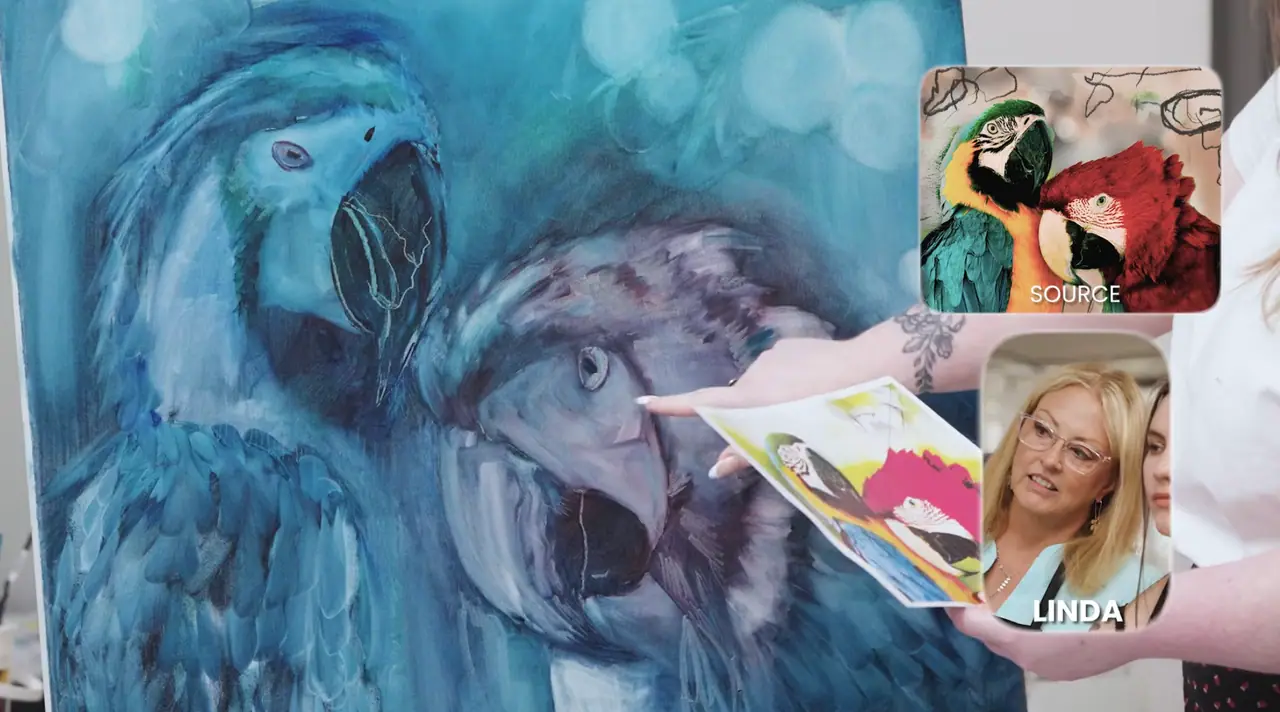
Where should you find references worth painting?
Build your references with intention instead of grabbing the first image you find. The strongest source photos usually come from your own shoots, where you control the light, the crop, and the subject, which is exactly the process we walk through in reference photos for painting. When you do need to source images online, use them legally, and our guide to free reference photos for artists shows where to find photos you can paint from without trouble.
Wherever the image comes from, run it through the same four pillars. A photo earns its place on your easel by clearing value, light, composition, and focal point, not by being convenient or pretty on your phone screen.
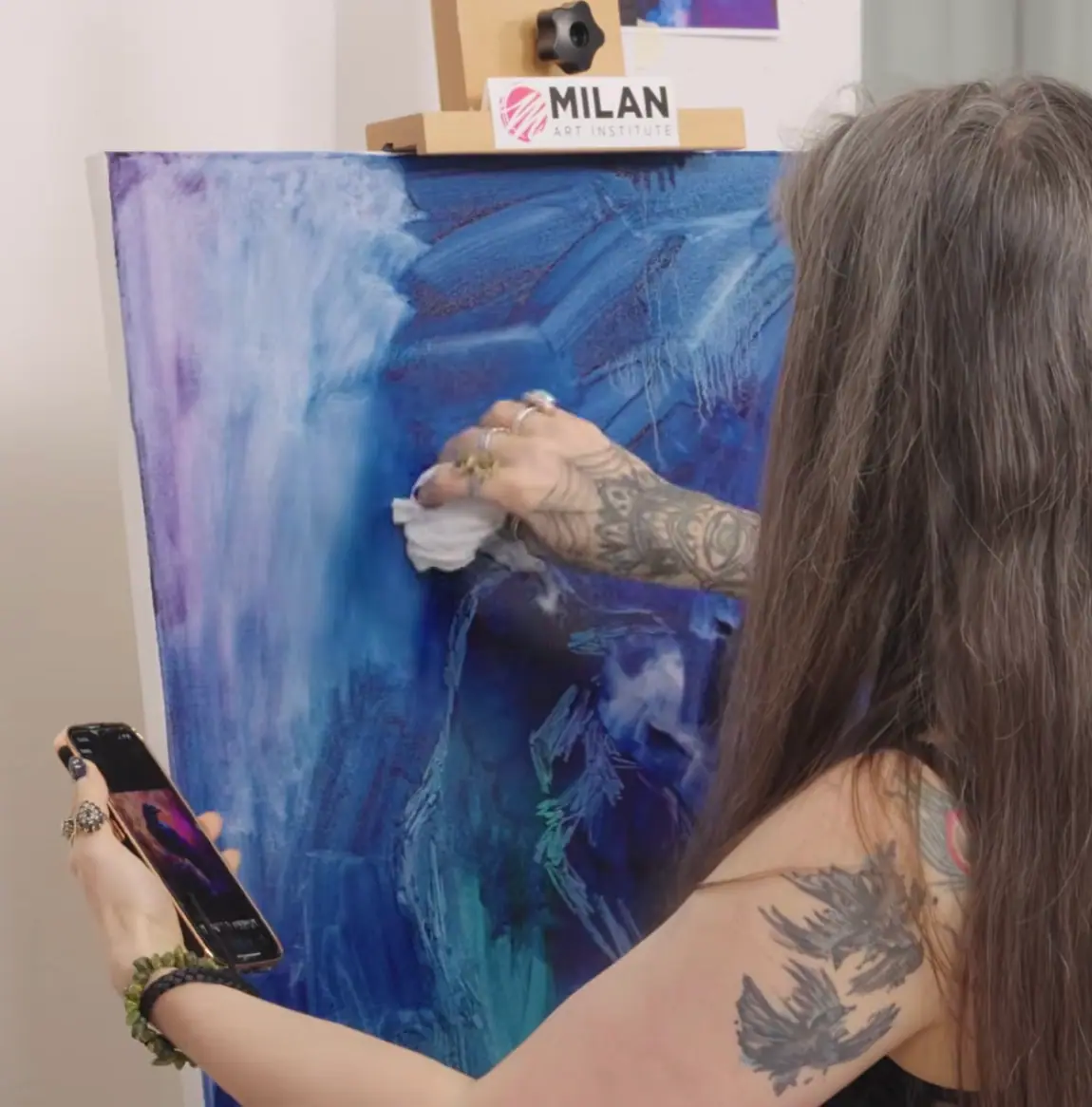
How do you train your eye to start strong?
Stop treating reference selection as a minor step and start treating it as a foundational discipline. When you train your eye to see value clearly, recognize strong light, design through cropping, and simplify a subject into a few powerful shapes, you stop hoping a painting will come together and start setting it up to succeed.
That eye is trainable, and it grows fastest with feedback on real work rather than more reading. The free Two Week Challenge is built to get you choosing references and making your first paintings with structure, not guesswork. If the real obstacle is less about technique and more about whether you believe you can do this at all, our writing on creative block and identity goes there. Outstanding art does not happen by accident. It is built, one intentional decision at a time, and the first of those decisions is the reference you choose.
Frequently asked questions
How do you choose a good reference photo for painting?
Choose a reference with four qualities: a clear value structure you can read when you squint, one dominant directional light source with defined shadows, an intentional composition with a clean focal area, and a single obvious subject. If a photo has all four, it supports your painting. If it has flat lighting, a cluttered background, or no clear focal point, keep looking.
What makes a strong painting reference?
A strong painting reference clarifies and simplifies your decisions instead of forcing you to guess. It groups into three or four readable value masses, has dramatic contrast from a single light source, crops out distractions, and answers the question what is this painting about in one sentence. The strength of the source sets the ceiling for the finished work.
What is the squint test for a reference?
The squint test is squinting at your reference until the detail blurs and only the big shapes remain. If those shapes group into three or four clear value masses with a readable pattern of light, the value design is strong. If everything collapses into one flat mid-tone gray, the painting will lack power no matter how carefully you render it.
Should I paint from a photo with flat lighting?
Avoid flat, even lighting when you can. Without contrast there is no drama, and without drama there is no visual hierarchy to guide the viewer's eye. Look instead for one dominant light source, clear shadow shapes, and defined highlights. Strong, directional light does half the work of building form and dimension before you have painted anything.
What mistakes do artists make when choosing a reference?
The common mistakes are choosing sentimental images because emotional attachment does not equal strong structure, choosing overly detailed photos that slow you down and invite overworking, choosing blurry or poorly lit images that force guesswork, and ignoring value contrast in favor of pretty color. Beautiful color cannot rescue weak value design.
What to practice this week
- Run the squint test on five photos you are considering: squint until detail blurs and keep only the ones that group into three or four clear value masses.
- Do a small value study of your chosen reference using only black, white, and gray, to confirm the light and shadow pattern reads before you commit to color.
- Crop your reference deliberately: tighten the frame to a clear focal area, cut tangent edges, and remove background clutter before you start.
Supplies used

About the author
More from ElliKeep learning