Subject Matter in Art: What It Is, With Examples (and How to Find Yours)
Subject matter is what your art is about: the thing it depicts and the meaning underneath it. Here is a plain definition, examples across every major category, and how to find subject matter that sounds like you.

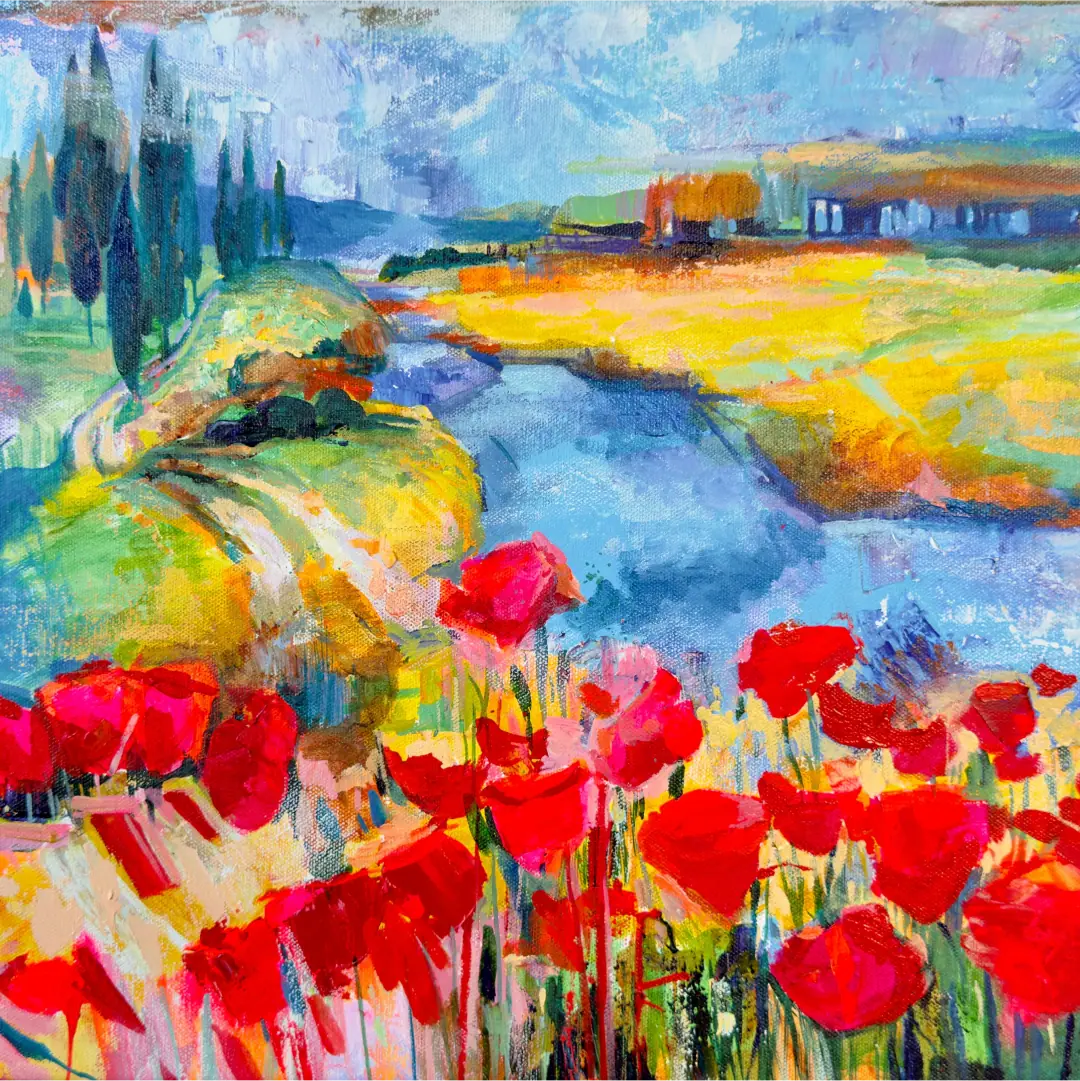

Subject matter in art is what a work depicts: the person, place, object, scene, or idea the piece is about. A bowl of fruit, a stormy coastline, a human figure, a remembered street, each is subject matter. It is the most literal answer to the question, what is this a picture of. But it is also more than a starting point. The subject you choose is a reflection of your inner world, your experience, and the stories you feel called to tell, and when you choose it intentionally, your work gains clarity, emotional depth, and a voice people recognize as yours.
One of the most common questions artists ask is simply, what should I paint. This guide answers the definition first, then walks through the major categories of subject matter with examples, and finishes with how to find subject matter that actually sounds like you. Whether you are just beginning or refining a mature body of work, exploring different subjects can unlock new creative pathways and help you discover what truly resonates.
What is subject matter in art?
Subject matter in art is what a piece depicts, the literal thing it shows. It answers the plainest possible question about a work: what is this a picture of. A portrait’s subject matter is the person. A landscape’s subject matter is the place. An abstract painting’s subject matter might be an emotion or a movement rather than anything you can name, but it is still the thing the work is about.
That definition sounds simple, and it is, but subject matter does heavy lifting. It is the first thing a viewer reads, the anchor everything else hangs on, and the decision that quietly shapes how your work feels. Choosing it on purpose, rather than defaulting to whatever is in front of you, is one of the first real steps toward a body of work that holds together.
What is the difference between subject matter, content, and medium?
Subject matter is what is depicted, content is the deeper meaning behind it, and medium is what the work is physically made of. These three terms get tangled constantly, so it helps to pull them apart with one example.
Picture a painting of a single empty chair by a window. The subject matter is the chair: that is what the picture shows. The content is what the chair means, perhaps absence, waiting, or loss, the feeling the artist is reaching for underneath the image. The medium is the material it is made from, say oil on canvas, or charcoal on paper. A photograph of that same chair shares the subject matter but uses a different medium, and a cheerful, sunlit version might keep the subject while changing the content entirely. Subject matter is the noun, content is the meaning, medium is the material.
What are the main types of subject matter in art?
The main categories of subject matter are landscape, figurative art, portraiture, still life, narrative, abstract and conceptual work, and personal or symbolic themes. Most artists move between several of these over a career rather than living inside just one. Here is what each offers and how to approach it with intention.
Landscape: interpreting the world around you
Landscape is the depiction of places, and at its core it is about place, atmosphere, and emotion rather than simply capturing a pretty view. It has long been a foundational subject in fine art, but the best landscapes are about how a place feels, not only how it looks.
Artists can explore landscapes in countless ways. You might focus on dramatic light, shifting weather, or the quiet stillness of an empty horizon. Some painters work realistically, while others use abstraction, expressive color, or bold mark making to convey a place’s mood. Landscapes can also be deeply personal: childhood locations, places of transformation, or environments that evoke peace or tension all offer rich material. Approached with intention, landscape becomes a powerful vehicle for storytelling.
Figurative art: expressing the human experience
Figurative art is subject matter centered on the human form and the stories the body carries. It is one of the most emotionally charged subjects, because the body itself communicates vulnerability, strength, movement, and presence before a single detail is added.
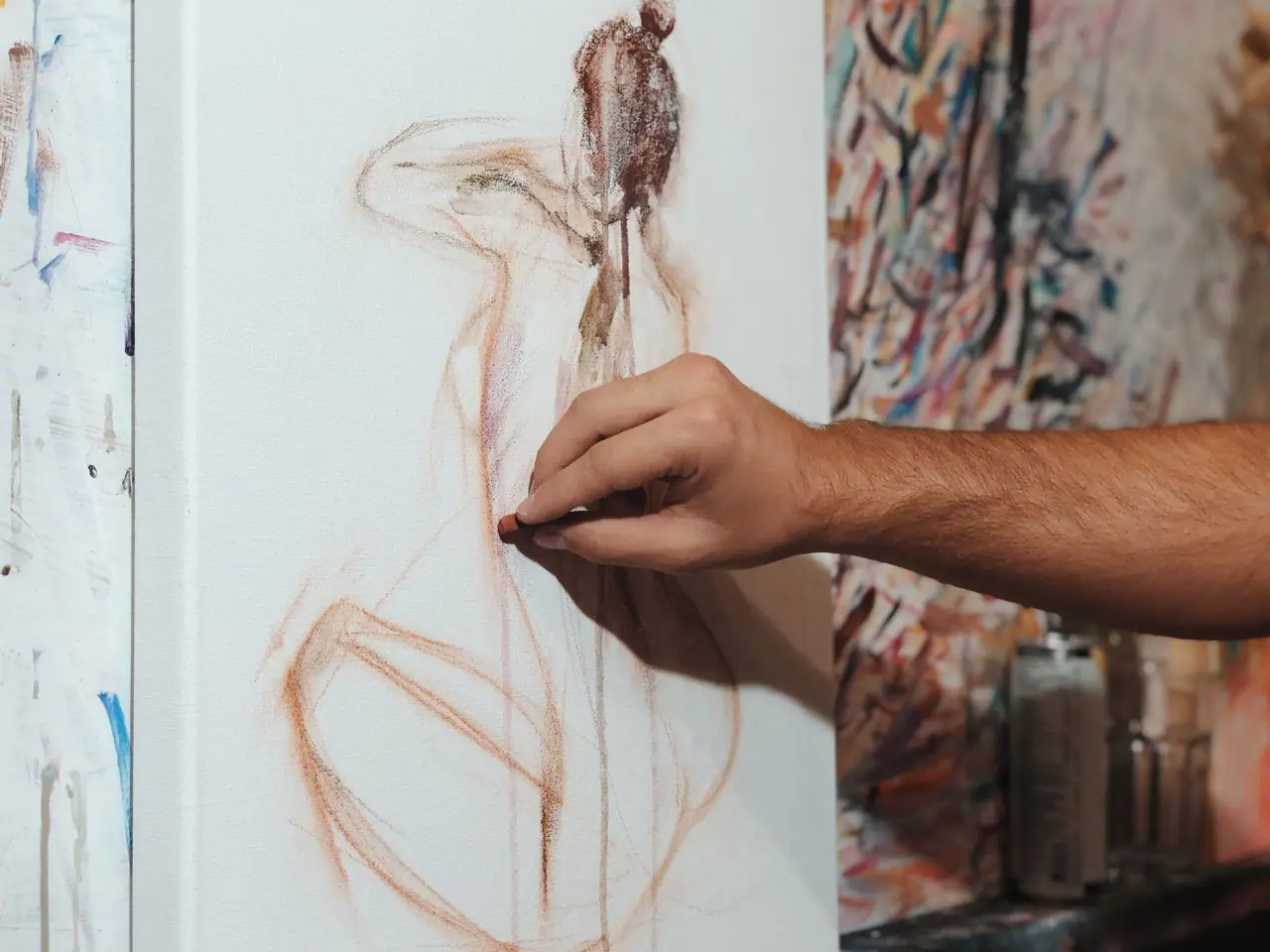
Rather than chasing anatomical accuracy, figurative art invites you to explore gesture, posture, and energy. A single pose can suggest connection, isolation, longing, or resilience, and the figure does not need to be detailed or realistic to be impactful. Often loose marks and suggestive forms speak more loudly than precision. Figurative work also opens up themes like identity, relationships, and transformation: by simplifying or exaggerating certain elements, you guide the viewer toward the story you want to tell.
Portraiture: capturing identity and emotion
Portraiture is subject matter focused on a specific person, and at its best it captures essence rather than just a likeness. Whether you are painting yourself, a loved one, or a model, a portrait offers a deep opportunity for connection and introspection.

Through color choices, brushwork, and composition, you can explore expression, mood, and symbolism. Some portraits feel intimate and quiet, while others are bold, raw, and emotionally charged. Symbolic elements, meaningful backgrounds, or unconventional color palettes can turn a portrait into a visual narrative. Self portraiture in particular is a powerful practice, because it encourages honesty and self reflection and lets you track your evolving identity over time. If you want a place to start, here is how to draw a self portrait step by step.
Still life: finding beauty and meaning in the everyday
Still life is subject matter built from arranged objects, and it offers far more creative potential than it is usually given credit for. Ordinary things become extraordinary when viewed through the lens of intention and design.
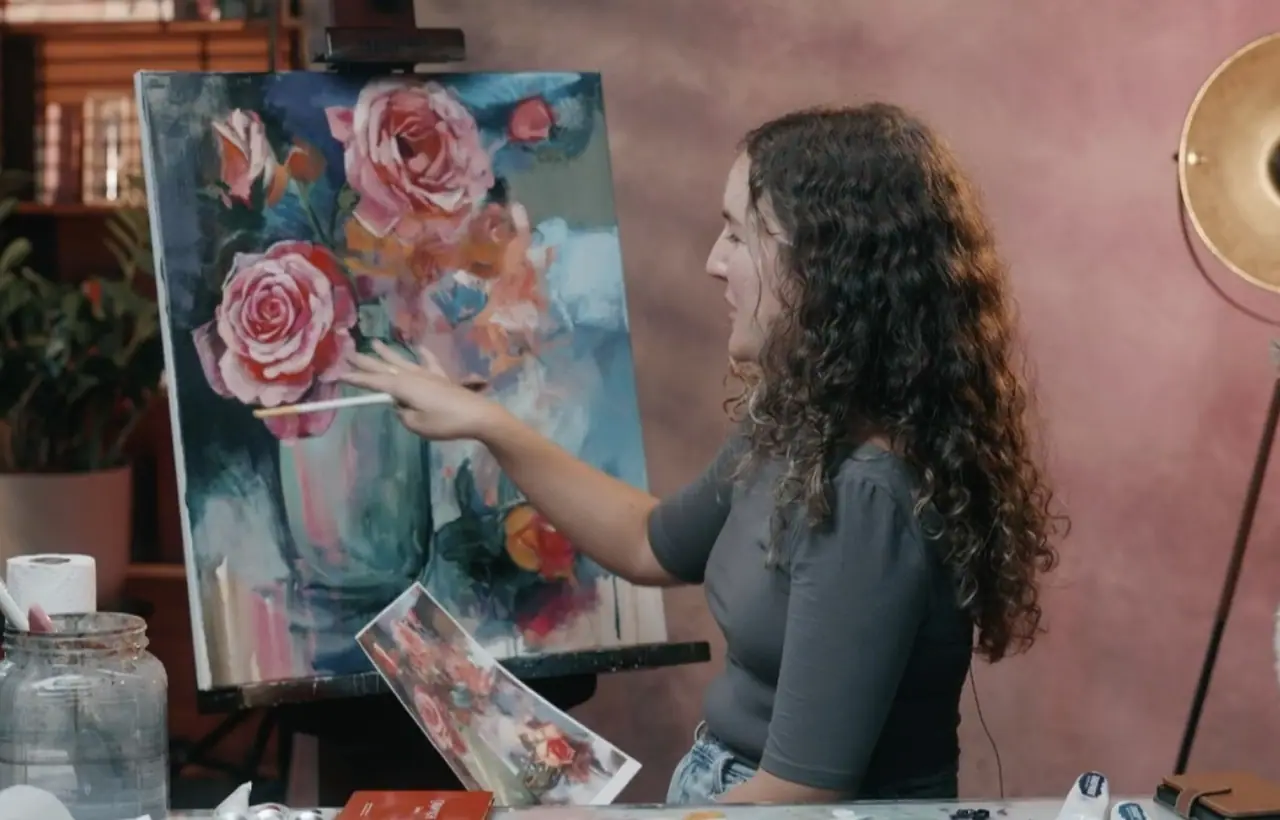
Still life lets you study light, shadow, texture, and composition while also infusing personal meaning into the work. Objects might symbolize memory, ritual, abundance, or impermanence, and a simple arrangement can become a meditation on time, loss, or gratitude. It is also an excellent subject for experimentation: you can push color, abstraction, or scale while keeping a strong foundation in observation and structure.
Narrative and story based work
Narrative subject matter depicts scenes that tell a story, whether imagined, symbolic, or drawn from personal experience. Some artists feel called to tell stories through their art, and narrative work is where that pull lives.
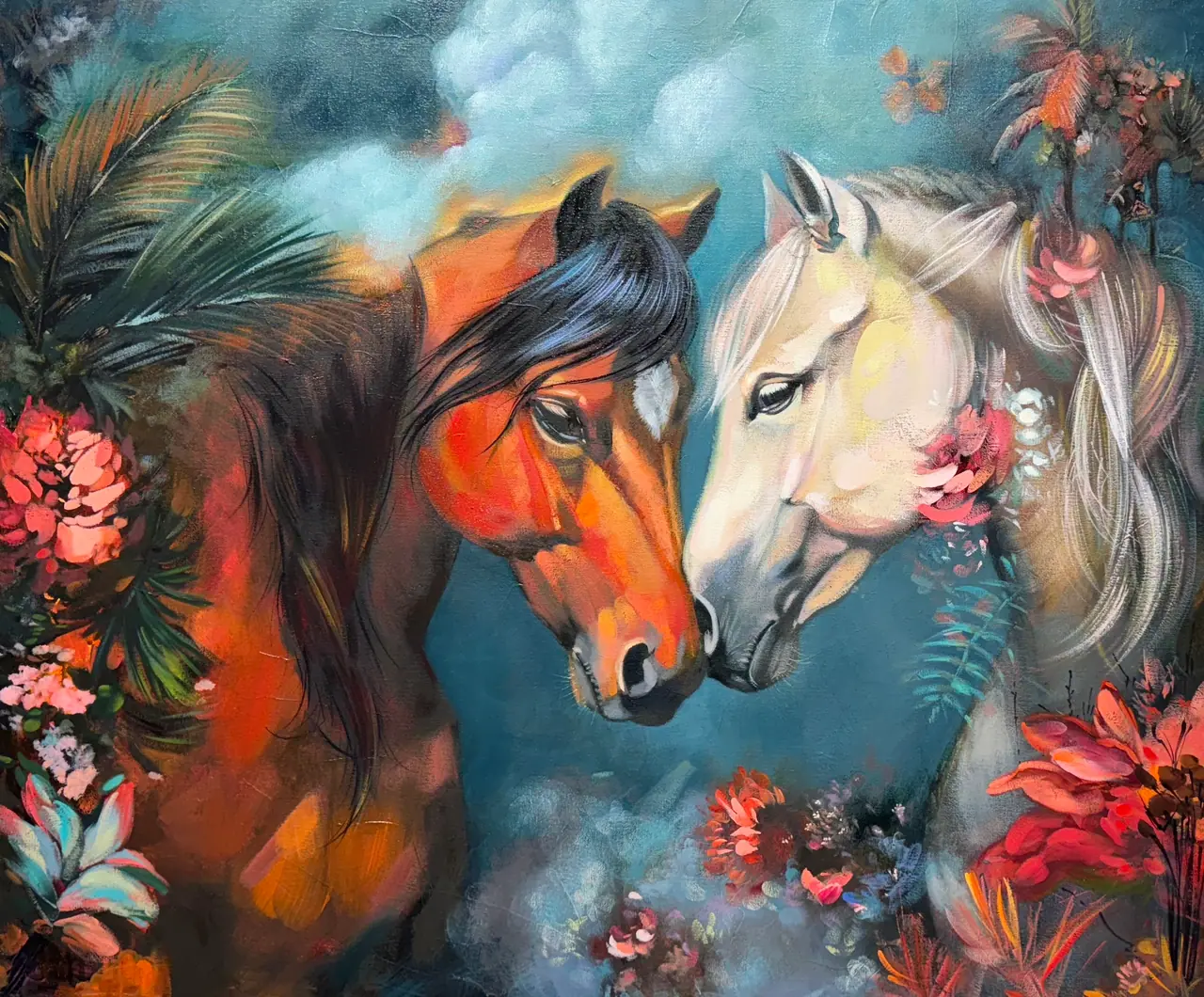
This kind of work often blends multiple elements, figures, environments, and symbolic objects, to create layered meaning. It invites the viewer to pause, reflect, and interpret, and it does not need to explain everything. Leaving room for mystery lets the audience engage more deeply. If you enjoy journaling, writing, or reflecting on memories, narrative art may be a natural extension of your voice. For a deeper look at how this works, here is a full guide to narrative art and how paintings tell a story.
Abstract and conceptual subject matter
Abstract subject matter comes from internal experience rather than external reference, freeing you from literal representation to explore emotion, movement, and intuition. The subject of an abstract work is often a feeling or a force rather than a nameable object.
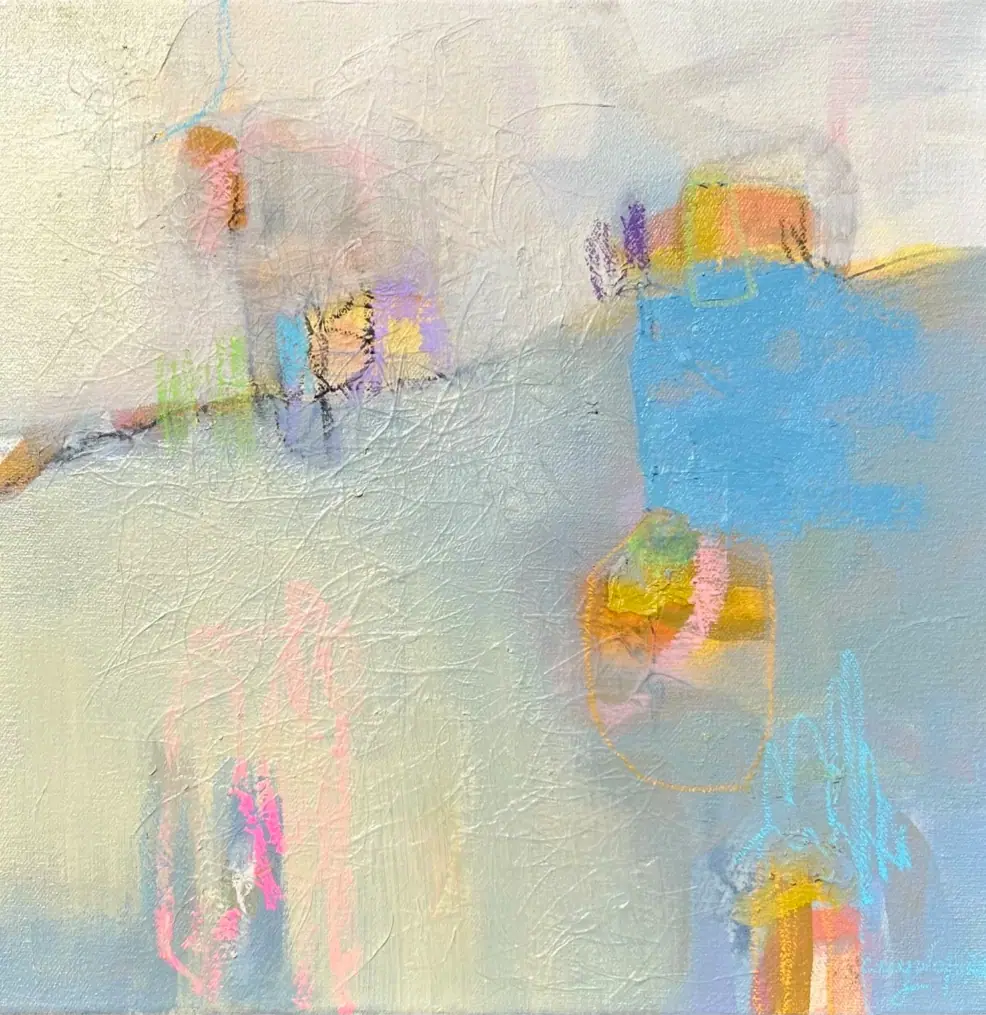
Here, color relationships, texture, rhythm, and gesture become the language. Abstract work can communicate joy, chaos, grief, or calm without depicting anything recognizable, which means it asks you to trust your instincts and respond to the process. Conceptual approaches push this further, centering ideas, questions, or themes rather than imagery, and they tend to evolve through experimentation and reflection. If you want to put this into practice, these abstract painting techniques for beginners are a good entry point.
Personal and symbolic themes
Personal and symbolic subject matter draws on the themes that matter most to you, and many artists discover their strongest work lives here. These themes might include identity, transformation, spirituality, nature, relationships, or resilience.
%20(1)%20(1).jpg)
Symbolism lets you communicate complex ideas visually. Repeated motifs, colors, or forms can become part of your artistic language over time, so that a single shape starts to mean something specific in your work. When your subject matter aligns with what matters most to you, the work naturally gains depth and cohesion. To go further with this, here is how symbolism in art creates meaning.
How do I choose subject matter for my art?
Choose subject matter by following genuine curiosity rather than what you assume will impress or sell. The objects you photograph without thinking, the places you return to, the themes you keep circling, all of it is a map. Pay attention to what excites you and what feels authentic, and trust that signal more than any trend.
Then test it by making work. Pick a subject that pulls at you and create several pieces around it before deciding whether it holds. One painting rarely tells you much; three or four will. Strong subject matter almost always connects to something personal, a place, a relationship, a memory, a question, which is why borrowed subjects so often feel hollow. As patterns emerge across your pieces, you are watching your voice take shape, and that process is the heart of how you find your art style. If you want a structured way to move from random studies toward a coherent direction, here is how to develop your own art style.
Does subject matter have to stay the same throughout your career?
No. Subject matter is not something you choose once and keep forever. It evolves as you grow, learn, and change, and treating it as fixed is one of the fastest ways to feel stuck. Most artists explore widely at first, then gradually notice certain themes, places, or motifs they keep returning to without planning it.
So experiment. Follow your curiosity. Over time, the patterns will surface on their own, and your unique voice will become clearer. Your subject matter is not just what you paint. It is why you paint, and that reason is allowed to deepen and shift across a lifetime of work.
If you are ready to explore subject matter with more intention and develop a body of work that feels genuinely yours, our free Two Week Challenge is a supported place to begin, and the rest of our find your art style collection is here when you want to keep going. Your story matters, your voice matters, and your subject matter can reflect both.
Frequently asked questions
What is subject matter in art?
Subject matter in art is what a work depicts: the person, place, object, scene, or idea it is about. A vase of flowers, a quiet harbor, a human figure, a memory rendered in paint, each is a subject. It is the most literal answer to the question, what is this a picture of, and it sits at the heart of how a piece communicates.
What is the difference between subject matter, content, and medium?
Subject matter is what is depicted, content is the deeper meaning or feeling behind it, and medium is what the work is physically made of. A painting of an empty chair has a chair as its subject matter, loss or absence as its possible content, and oil on canvas as its medium. The three work together but answer different questions.
What are examples of subject matter in art?
Common examples include landscape (places and atmosphere), figurative art (the human form), portraiture (a specific person), still life (arranged objects), narrative work (scenes that tell a story), and abstract or conceptual art (emotion and idea rather than a recognizable image). Most artists move between several of these over a career.
How do I choose subject matter for my art?
Choose subject matter by following genuine curiosity rather than what you think will sell. Notice what you photograph, return to, or feel pulled toward, then make several pieces around it to test whether it holds your interest. Strong subject matter usually connects to something personal: a place, a relationship, a memory, or a question you keep circling.
Does subject matter have to stay the same throughout your career?
No. Subject matter is meant to evolve as you grow and change. Most artists explore widely early on, then notice certain themes, places, or motifs they keep returning to. Letting your subject matter shift over time is normal and healthy, and it is often how a recognizable personal style emerges.
What to practice this week
- List five subjects you already photograph or return to without thinking. Patterns in that list point toward your real subject matter.
- Pick one subject and make three small pieces of it in a single week, changing the mood or color each time to see what the subject can carry.
- Take an ordinary object on your desk and treat it as a still life: study its light, shadow, and texture, and ask what it could symbolize.
Supplies used

About the author
More from Elli