Painting for Stress Relief: Therapeutic Painting Activities to Calm Your Mind
You do not need to be good at art for painting to calm you. You need a few minutes, a little paint, and a low-pressure activity. Here are five that work.
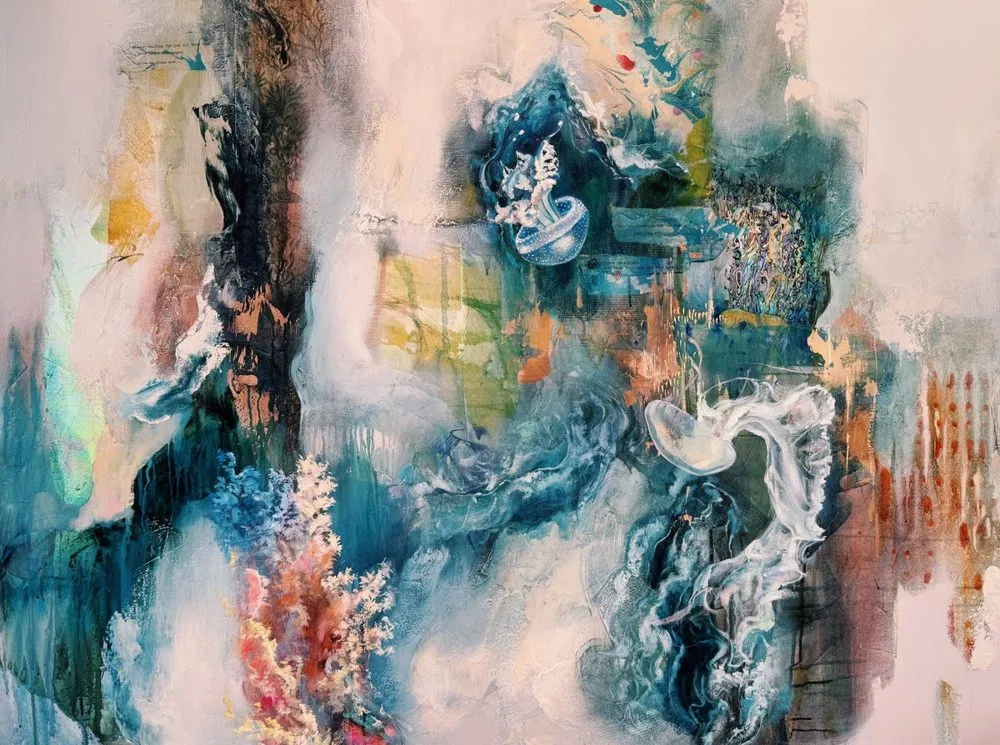
Painting for stress relief means using simple, low-pressure painting activities to quiet your mind, not to produce a masterpiece. The calm comes from the process: slow, repetitive, focused mark making pulls your attention into the present, the same way meditation does. You do not need talent or expensive supplies. You need a few minutes, a little paint, and an activity that takes the pressure off. Below are five therapeutic painting activities you can try today.
Here is the thing most people miss about stress and art. The very thing that can feel demanding when you are trying to make a polished, finished piece is also the thing that can dissolve your stress when you let go of the result. The difference is intention. When the goal is calm instead of performance, painting stops being one more thing to be good at and becomes a place to rest. If you have been feeling stuck or worn down by your art, artist burnout and how to overcome creative block are worth reading alongside this, because the same low-pressure mindset helps with all three.
What is therapeutic painting?
Therapeutic painting is using painting and other art making to calm your mind and process emotion, with the focus on the experience rather than the finished piece. It draws on art therapy, which combines the creative process with the principles of psychology. According to coverage from Today.com, true clinical art therapy takes place under the supervision of a licensed counselor, but you do not need a clinician to use art for your own stress relief. Anyone can pick up a brush at home and feel the benefit.
The key shift is letting the painting be for you, and only you. No one has to see it. It does not have to be good. The moment you release the need for it to be impressive, you free up the part of your brain that judges, and that release is most of the relief.
Does painting actually reduce stress?
Yes, and the reason is simple: slow, repetitive, focused art pulls your attention fully into the present moment, which quiets the mental chatter that drives stress. A group of researchers at the University of the West of England in Bristol found that people who took part in activities like coloring reported lower anxiety and improved mindfulness, as covered in Forbes. Coloring and painting do the same thing meditation does. They give your mind one gentle thing to hold onto, and the worrying loop loses its grip.
You will feel it in your body before you can explain it. A few minutes in, your shoulders drop, your breathing slows, and the to-do list in your head goes quiet. That is the nervous system settling. The skill of the painting has nothing to do with it.
What are the best painting activities for stress relief?
The best stress relief painting activities are low-stakes, repetitive, and free of any demand for a perfect result. Each one below gives your mind something absorbing to do without asking you to perform. Try the one that sounds most inviting, not the one that sounds most impressive.
- Collage. Collage reminds us that creation and destruction are often linked, and that the end result, despite the tearing and cutting, can be more beautiful than what you started with. As a Huffington Post piece on art therapy techniques notes, that lesson alone is calming. Collage does not have to mean only torn paper and glue, either. Add a painted or drawn element on top and you blend two therapeutic activities into one.
- Paint a place you love. Painting or drawing your favorite place in the world lets you tap into the warm, nostalgic feelings you associate with it, and as Scientific American has reported, nostalgia is genuinely good for your mental health. You also get the calm focus of close observation. It does not need to be accurate. The point is to spend time in a place that makes you feel safe, even if only on paper.
- Make your own Zentangle. A Zentangle is a small abstract drawing built from simple, repeating patterns, and the repetition is exactly what makes it soothing. Draw a loose border, divide the space into a few sections, and fill each one with a different easy pattern: dots, loops, lines, scales. There is no wrong way to do it, which is the whole point. If you love the idea of artsy doodles as a reset, the research-backed reasons are in the benefits of drawing and doodling.
- Letter affirmation cards. Get some cardstock and paint, draw, or color your favorite affirmations and power words onto individual cards. Once they are done, arrange them on a bulletin board or a wall where you will pass them every day. You get the calm of making them and a daily dose of encouragement long after the painting is finished.
- Decorate a gratitude box. Many people make gratitude jars at the start of a new year. Make a gratitude box instead and use the decorating as an excuse for more therapeutic painting. Cover it with your paints, collage scraps, and color, then fill it through the year with notes of things you are thankful for. The making and the practice both lower stress.
If you want even lighter, more playful options, drawing games work the same way, alone or with other people, and right brain activities are built to switch off the analytical, judging part of your mind so you can simply play.
What should you paint when you are stressed?
When you are stressed, paint something low-stakes and repetitive so your mind can rest instead of judging the outcome. The five activities above all fit, but the deeper rule is this: avoid anything that demands a perfect, realistic result. Pressure to perform is the opposite of what you need. Pure color with no subject, soft abstract shapes, loose patterns, a single beloved place, these all let you get absorbed without setting yourself up to fail.
A simple starting move is to set a fifteen minute timer and paint only color, no subject at all. Watch what happens to your body as the minutes pass. That small experiment teaches you, faster than any explanation, why this works. The stress relief lives in the doing, not in the dried painting on the table afterward.
How do you start a stress-relief painting habit?
Start small and keep it almost effortless, because the goal is calm, not commitment to a big project. You need very little: a basic set of acrylics or even colored pencils, a few sheets of paper or cardstock, and a flat surface. Cheap, student-grade supplies are perfect, since fancy materials only add pressure to make something worthy of them.
Leave your supplies out where you can reach them, so starting takes seconds instead of a whole setup. Aim for short, frequent sessions rather than rare long ones. Ten quiet minutes with a brush, a few times a week, will do more for your stress than waiting for a free afternoon that never comes. And let each session be only for you. When no one is grading it, painting becomes one of the kindest things you can give your own mind.
When you are ready to turn that calm into real skill, with structure and gentle guidance, our free Two Week Challenge is a low-pressure way to make your first paintings instead of only reading about it. And if stress has tangled up with the bigger questions about your art and who you are as an artist, the rest of the creative block and identity collection is here whenever you want it.
Frequently asked questions
What is therapeutic painting?
Therapeutic painting is using painting and other art making to calm your mind and process emotion, with the focus on the experience rather than the finished piece. It borrows from art therapy, which pairs the creative process with the principles of psychology. True clinical art therapy happens with a licensed counselor, but anyone can paint at home to lower stress.
Does painting actually reduce stress?
Yes. Slow, repetitive, focused art activities pull your attention into the present moment, which is the same thing meditation does. Researchers at the University of the West of England found that people who color regularly report lower anxiety and improved mindfulness. You do not need talent for this to work, only enough focus to get absorbed in the marks you are making.
What should I paint when I feel stressed?
Paint something low-stakes and repetitive so your mind can rest instead of judging the result. Good choices are a place you love, simple looping Zentangle patterns, affirmation words on cards, or abstract color with no subject at all. Avoid anything that demands a perfect, realistic outcome, because pressure to perform defeats the calming purpose.
Do I need to be good at art for painting to relieve stress?
No. The stress relief comes from the process, not the skill level, so a complete beginner gets the same calming benefit as a trained painter. The moment you start chasing a perfect result, you reintroduce the pressure you were trying to escape. Let the painting be messy, private, and only for you.
What supplies do I need to start painting for stress relief?
Very little. A small set of acrylics or even a box of colored pencils, a few sheets of paper or cardstock, and a flat surface are enough to begin today. Cheap student-grade materials are perfect here, because the goal is to relax and play, not to produce a gallery piece you feel you must protect.
What to practice this week
- Set a 15-minute timer and paint pure color with no subject. Notice when your shoulders drop and your breathing slows.
- Make one Zentangle: draw a loose border, divide it into a few sections, and fill each one with a different simple repeating pattern.
- Paint or letter one affirmation card today, then pin it somewhere you will see it every morning.
Supplies used
About the author
More from ElliKeep learning