Improve Your Art by Knowing What Not to Do
Most of us try to improve by adding more. The real breakthrough often comes from subtraction: knowing what to leave out of your painting, your process, and your mind.
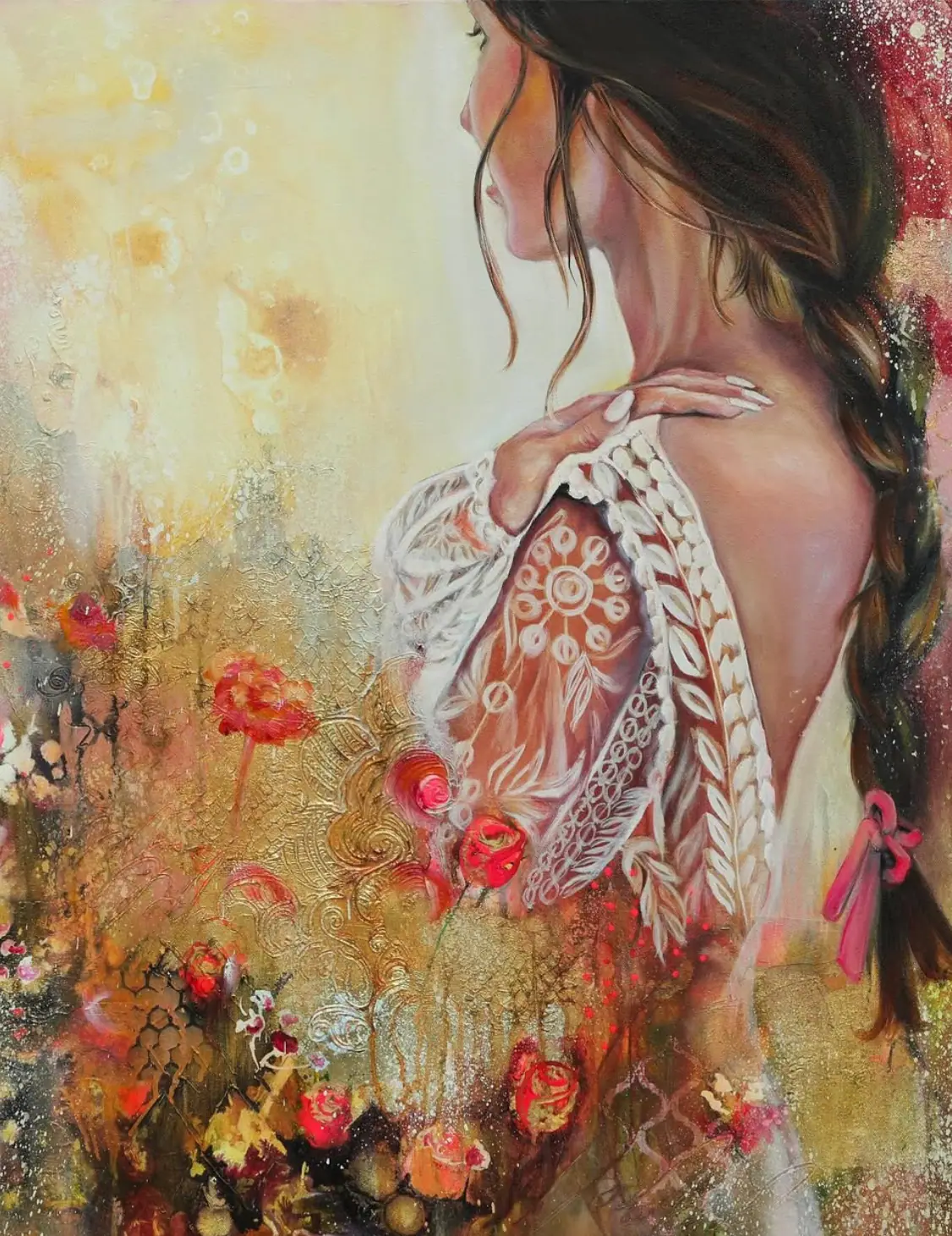
You improve your art faster by knowing what to leave out than by knowing what to add. As artists we are trained to add: more detail, more contrast, another layer, another technique, another goal. But the breakthrough often comes from the opposite direction. Restraint is not limitation. It is clarity, and clarity is one of the most powerful skills an artist can develop. The same principle applies to your composition, your process, your mindset, your daily life, and even the way you build a creative business.
Here is the thing most of us miss. When a painting feels off, the instinct is to do something more. Add a highlight. Push a color. Tighten a detail. And the painting gets busier and weaker. The artists who improve fastest learn to ask a quieter question first: what can I take away? This post walks through that question in five places, because once you start subtracting, your work gets stronger in all of them at once.
What can you remove from your composition?
When a painting feels confusing, it is usually because too much is competing for attention, not because something is missing. Strong compositions are rarely crowded with equal importance everywhere. They lead the eye. So before you add one more thing, ask whether every area really needs high contrast, whether every edge needs to be sharp, whether every object needs full detail, and whether your focal point is obvious within three seconds.
Often the strongest move is the subtractive one. Soften an edge. Lower a contrast. Simplify a background. Crop tighter. When you remove what is unnecessary, the essential becomes powerful. Master artists are not defined by how much they can render. They are defined by what they choose to leave out. If you want to go deeper on how the eye is led through a picture, our guide on how to create a good composition in art breaks down focal points, contrast, and the structure underneath a strong painting.
What should you stop doing in your process?
Many artists sabotage their own progress without realizing it, and the culprits are habits, not lack of skill. Over blending. Overworking. Adding highlights too early. Switching references halfway through. Starting new paintings before finishing old ones. The discipline of not doing is just as important as the discipline of doing.
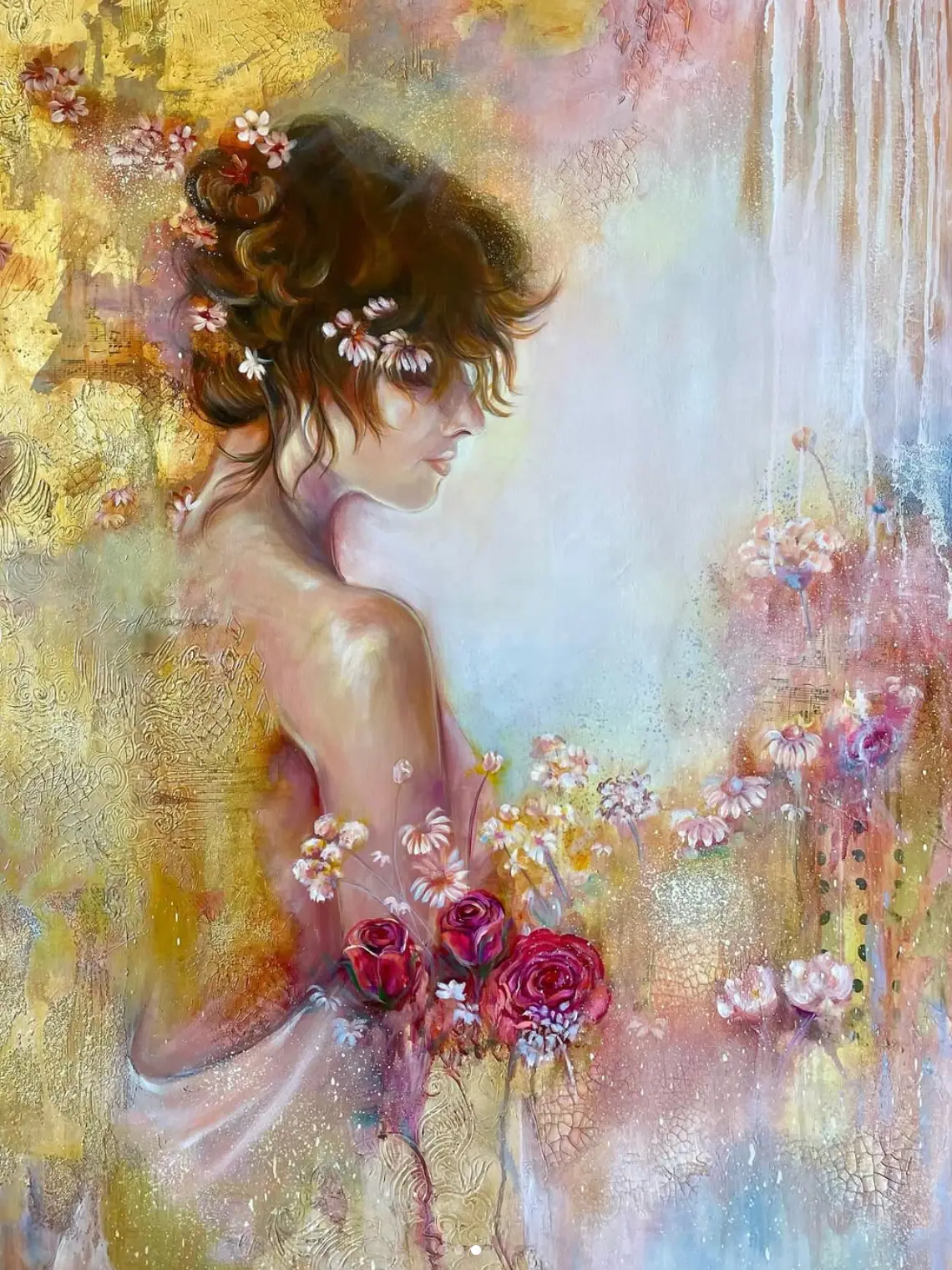
The fix is to set boundaries before you begin, not in the heat of the moment. Decide that you will establish values before color. That you will not add details until the large shapes are working. That you will step back every twenty minutes. That you will stop when the focal point reads clearly. When you choose in advance what you will not do, you protect the strength of the painting. Structure creates freedom, and the steadiest version of this lives in your studio practice habits, the routines that keep good decisions from slipping.
What thoughts need to go?
Sometimes the thing you most need to eliminate is internal. Comparison. Rushing. Perfectionism. The belief that you are behind. Pressure clouds judgment. It makes you add when you should simplify, and it makes you fix what is not broken. Clear artists make clear decisions.
When you feel overwhelmed, pause and ask honest questions. Am I painting from confidence or from fear? Am I trying to prove something? Am I overcompensating? Often the next right move is to quiet the noise rather than touch the canvas. Confidence grows when you remove mental clutter, and that clutter is usually the real block, not the painting in front of you. If this is where you tend to get stuck, the honest guide on how to overcome creative block and the deeper look at the fear of becoming a failed artist both unpack the mindset side of this in full.
What in your life is competing with your art?
This question requires honesty. Creative growth does not happen accidentally. It requires space. If your schedule is overloaded, your energy scattered, and your attention constantly interrupted, your art will reflect that fragmentation. The canvas tends to mirror the life around it.
So look at the inputs. What commitments drain your creative energy? What habits consume time without adding meaning? What distractions interrupt deep work? Where can you simplify? You do not need to overhaul your entire life overnight. Even small changes create momentum. When your environment is calmer, your mind is clearer. When your mind is clearer, your compositions are stronger. When your compositions are stronger, your confidence grows. Everything is connected.
What can you streamline in your creative business?
For artists building a business, the same principle holds, and it is where most people scatter themselves thin. Selling originals, launching courses, posting daily on every platform, starting a Patreon, offering commissions, live painting, building a YouTube channel. None of these are wrong. But doing all of them at once fractures your focus and dilutes your message.
Instead, choose one clear model and commit to doing it exceptionally well. Refine it. Strengthen it. Simplify your systems. When your energy is concentrated, your results compound. Growth accelerates not from doing everything, but from doing the right things consistently. If you are at the stage of choosing that one model, how to start an art business walks through the foundations, and setting SMART goals for artists keeps the focus from drifting back into doing all of it at once.
Why is clarity a skill, not luck?
Clarity does not happen randomly. It is trained. Knowing what not to do is not about restriction. It is about intention: choosing a clear focal point, protecting strong values, stopping before overworking, guarding your mindset, and creating space for growth. Each of those is a decision you can practice until it becomes instinct.
That is the whole point. You are not trying to do less because less is virtuous. You are trying to do less of what dilutes, so that what matters can carry the work. At Milan Art Institute we guide artists step by step through the fundamentals that build this kind of confidence: composition, values, structure, mindset, discipline. Not just how to paint more, but how to paint smarter. Because sometimes the most powerful move you can make is deciding what not to do, and from that clarity, everything changes.
If you want a guided place to practice this with real structure and feedback, our free Two Week Challenge gives you a small, focused way to make paintings instead of just reading about them. And when you want to keep going, the rest of the creative block and identity collection is right here.
Frequently asked questions
How do you improve your art quickly?
Improve by subtracting, not just adding. Remove what competes for attention in your composition so the focal point reads, stop the process habits that overwork a painting, quiet the mental clutter of comparison and rushing, and simplify the systems around your work. Clarity is a trainable skill, and it moves your art forward faster than piling on more detail or more techniques.
What should you not do when painting?
Do not give every area equal importance, do not over blend or overwork, do not add highlights and fine detail before the large shapes are working, and do not switch references or start new paintings midway. Deciding in advance what you will not do protects the strength of the painting and keeps your focal point clear.
How do you simplify a painting that feels chaotic?
A chaotic painting usually has too much competing for attention, not too little. Soften an edge, lower a contrast, simplify the background, or crop tighter so one area clearly leads. When you remove what is unnecessary, the essential becomes powerful and the eye knows where to land within a few seconds.
How do you know when to stop painting?
Stop when the focal point reads clearly and the values hold up from across the room. Set that boundary before you begin so you are not chasing fixes that are not needed. Step back every twenty minutes, and resist adding detail once the large shapes are already working, because most overworking happens at the very end.
What mindset helps you make better art?
Calm, confident decision making beats anxious effort. Comparison, rushing, and perfectionism cloud judgment and make you add when you should simplify. Before your next move, ask whether you are painting from confidence or from fear, and whether you are overcompensating. Removing mental clutter is often the next right step.
What to practice this week
- Before your next painting, write three things you will not do, for example: no detail until the large shapes work, no highlights early, stop when the focal point reads.
- Take a finished study and remove instead of add: soften one edge, lower one contrast, simplify the background, and see whether the focal point reads stronger.
- Pick one creative income stream to focus on for the next month and pause the others, then notice how much clearer your message and your results become.
Supplies used
About the author
More from ElliKeep learning