How to Turn Your Art Skills Into Teaching Opportunities
You do not need a formal degree to start teaching art. The opportunities are more plentiful than most artists realize, and many are hiding in plain sight. Here is where to find them.
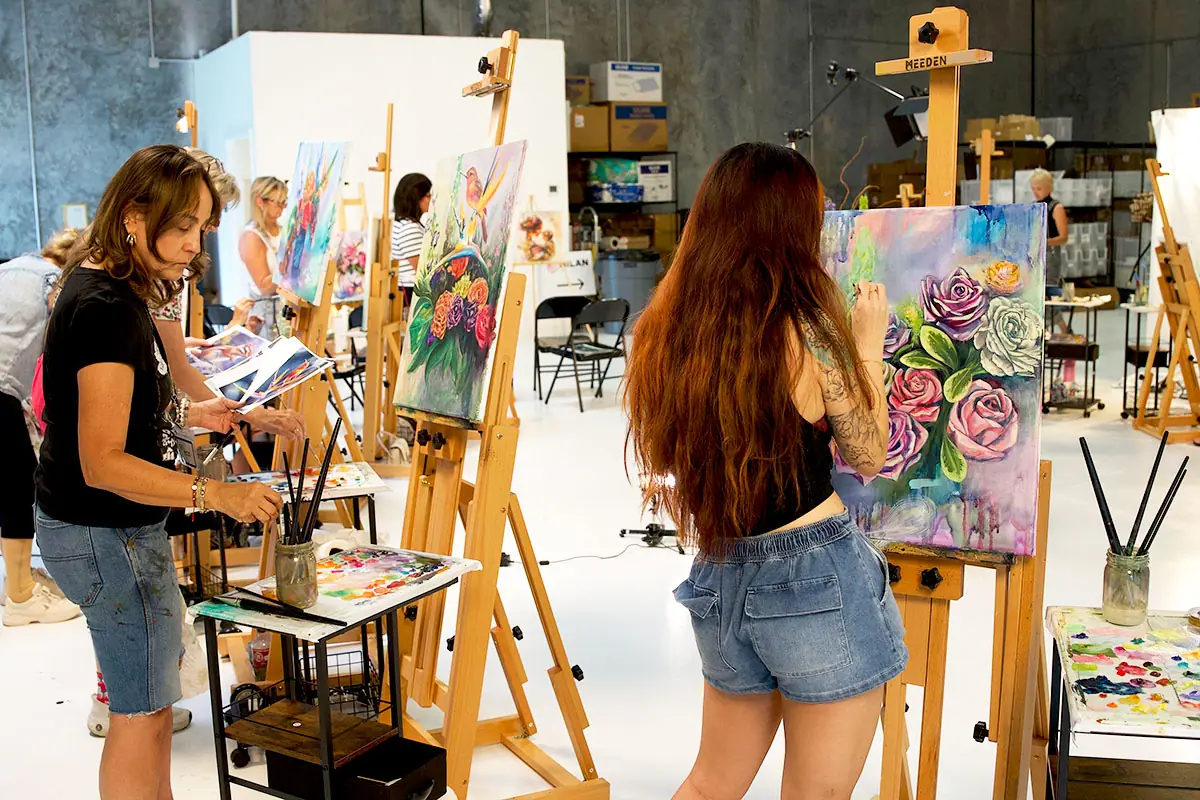
To turn your art skills into teaching opportunities, start where the demand already exists and build from there. Begin with community based programs like senior centers, libraries, and recreation centers, then add seasonal work at summer camps and retreats, pitch classes at coffee shops, galleries, and paint and sip venues, and finally build your own income through private lessons and local guilds. You do not need a formal degree to start, and the opportunities are far more plentiful than most artists realize.
Here is the thing most artists miss: teaching is one of the most fulfilling and flexible ways to build income from your work, and it does not require permission. The hard part is not finding opportunities. It is noticing the ones already hiding in plain sight, and then having the nerve to pitch them. This is a practical guide to where those openings live and how to start building momentum.
Where can you start teaching art in your community?
Start with your local community, because it is the easiest entry point and the demand is already there. Senior citizen programs are always looking for engaging, low pressure creative activities. Art classes offer both social connection and mental stimulation, which makes them genuinely valued. Reach out to community centers, assisted living facilities, and senior programs and offer a simple workshop.
The YMCA and local recreation centers are another strong option. These organizations run classes for kids and adults year round and often hire part time instructors or accept proposals for brand new classes. And do not overlook local libraries, which are an underrated gem. Many host free or low cost workshops and are open to partnering with local artists, so you can pitch a beginner friendly class or even a short series.
What seasonal and experiential teaching opportunities should you look for?
Some of the best teaching work appears at specific times of the year, so it pays to plan ahead. Summer camps are always in need of creative instructors. Art is a staple activity at camp, and programs actively look for artists who can bring energy and structure to a room full of kids.
Retreat centers offer a more immersive experience and often a higher rate. These run as weekend or week long events focused on creativity, wellness, or personal growth. If you can design a themed workshop around a clear idea, a retreat can become a premium teaching opportunity rather than a one off class. This is a natural extension of the kind of work artists already chase when they apply for residencies, many of which include a teaching component built right in.
How do you teach outside a traditional classroom?
Not all teaching happens in schools, and some of the friendliest first gigs live in everyday spaces. Coffee shops and local businesses often host after hours events, and you can partner with them to run small art classes or themed nights. These are low pressure environments and a great way to build a following one evening at a time.
Paint and sip events are one of the most popular entry points for artists. You can work for an existing company that already has the audience and the venue, or you can create your own version by partnering with a local spot. Either way, you are teaching a simple, repeatable class to people who came specifically to make something, which is exactly the audience you want when you are starting out.
Can you teach art in schools without a degree?
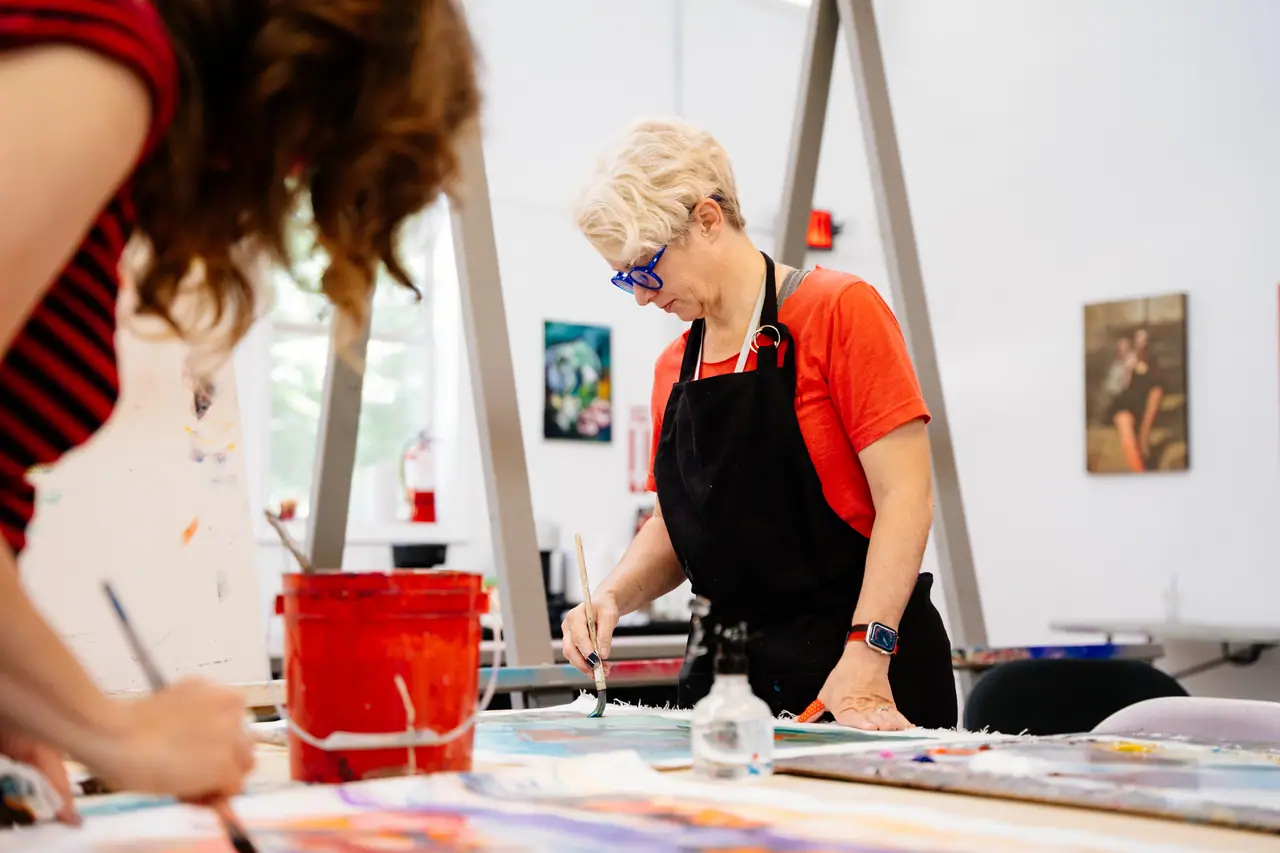
In many cases, yes, you can teach in schools without a traditional teaching degree, so do not assume those doors are closed. In many states, private schools can hire instructors without standard certification, which makes them a real and rewarding path to consistent teaching work. Always check your local laws and requirements first, because the rules vary by state and by school, but this is far more open than most artists believe.
How do galleries and art spaces lead to teaching work?
Getting involved in the art community opens teaching doors quickly, often faster than any job board. Offer to run a workshop at a gallery or art space, especially one where you already exhibit your work. When people see your paintings on the walls, it builds trust and makes you the natural choice as an instructor. If you are not yet showing anywhere, our guide on how to get your art into a gallery walks through how to start that relationship.
Artist in residency programs are another route worth pursuing. Many include a teaching component where you lead workshops or engage directly with the community, which means you get studio time and teaching experience in the same opportunity.
How do you build your own teaching opportunities?
Sometimes the best opportunities are the ones you create yourself, and you have more control here than anywhere else. Post flyers and ads for private lessons on bulletin boards in coffee shops, libraries, and grocery stores. These old school methods still work, especially for finding local clients who prefer a real person nearby.
Join your local art league or guild and propose a class, because these groups are always looking to offer more value to their members. No league or guild in your area? Start one. It can begin as a small meetup and grow into a teaching platform, an exhibition space, and a creative network all at once. Many of these same local channels are how artists sell their work in their own community, so the teaching and the selling tend to feed each other.
A few more ideas most artists never consider: partner with homeschooling groups for weekly art classes, teach online workshops through a platform or your own social media, collaborate with event planners for birthday parties or corporate events, offer classes at wellness studios like yoga or meditation spaces, and work with nonprofits that support youth or underserved communities.
The bigger picture
Art teaching is not one path. It is a collection of opportunities that grow as you put yourself out there. Start small, stay consistent, and focus on creating meaningful experiences for your students, and the work compounds.
For most artists, teaching becomes one stream inside a fuller creative living, sitting alongside selling original work and prints. If you want the wider map of how to make money as an artist, the income streams there pair naturally with teaching. And if teaching is part of a larger shift toward thinking of yourself as a working creative, the move from hobbyist to artist entrepreneur is the same leap in confidence and identity.
You do not need permission to begin. You need a place, a plan, and the willingness to show up. The fastest way to build the skill and the confidence behind both is structured practice with real feedback, which is exactly what the Mastery Program is built to give you. When you are ready to keep exploring how your identity as an artist grows, the rest of the creative block and identity collection is here.
Frequently asked questions
Can you teach art without a degree?
Yes, in many cases you can teach art without a formal degree. Community centers, libraries, senior programs, summer camps, paint and sip venues, and galleries hire or partner with working artists based on skill and reliability, not credentials. In many states, private schools can also hire instructors without traditional certification. Always check your local laws, but the door is far more open than most artists assume.
Where can I find art teaching jobs?
Start local. Reach out to community centers, the YMCA, recreation centers, libraries, and senior programs, all of which regularly run or welcome art classes. Then look at seasonal work like summer camps and retreat centers, and non traditional venues like coffee shops, wellness studios, and galleries. The most reliable path is often a mix of these plus opportunities you create yourself.
How do I start teaching art classes for beginners?
Begin with a single, simple, beginner friendly class you can run anywhere. Pitch a one off workshop to a library, community center, or coffee shop where the stakes are low and the audience is curious. Keep the project small and the experience welcoming, then build from there as you gain confidence and a small following.
What are the best places to teach art locally?
The best local options are usually senior citizen programs, libraries, the YMCA and recreation centers, summer camps, paint and sip venues, galleries where you already exhibit, and local art leagues or guilds. Each one already has an audience looking for creative activities, so you are stepping into demand rather than building it from nothing.
Do I need to be a famous artist to teach art?
No. You do not need fame, a gallery career, or a degree to teach art well. You need enough skill to guide a beginner, a clear simple plan for a class, and the willingness to show up consistently. Most students want a warm, capable teacher who can make them feel safe to try, not a celebrity.
What to practice this week
- Pick one beginner friendly class you could teach and write a one paragraph pitch for it, then email it to a local library, community center, or senior program this week.
- Make a short list of every venue within twenty minutes of you that could host a class: cafes, galleries, recreation centers, wellness studios, then rank them by how easy they are to approach.
- Run one small low stakes session, even a free one, so you can practice teaching and collect a few testimonials before you charge.
Supplies used

About the author
More from ElliKeep learning